Bernard d’Alessandri named new President of the Monegasque Chamber of Yachting

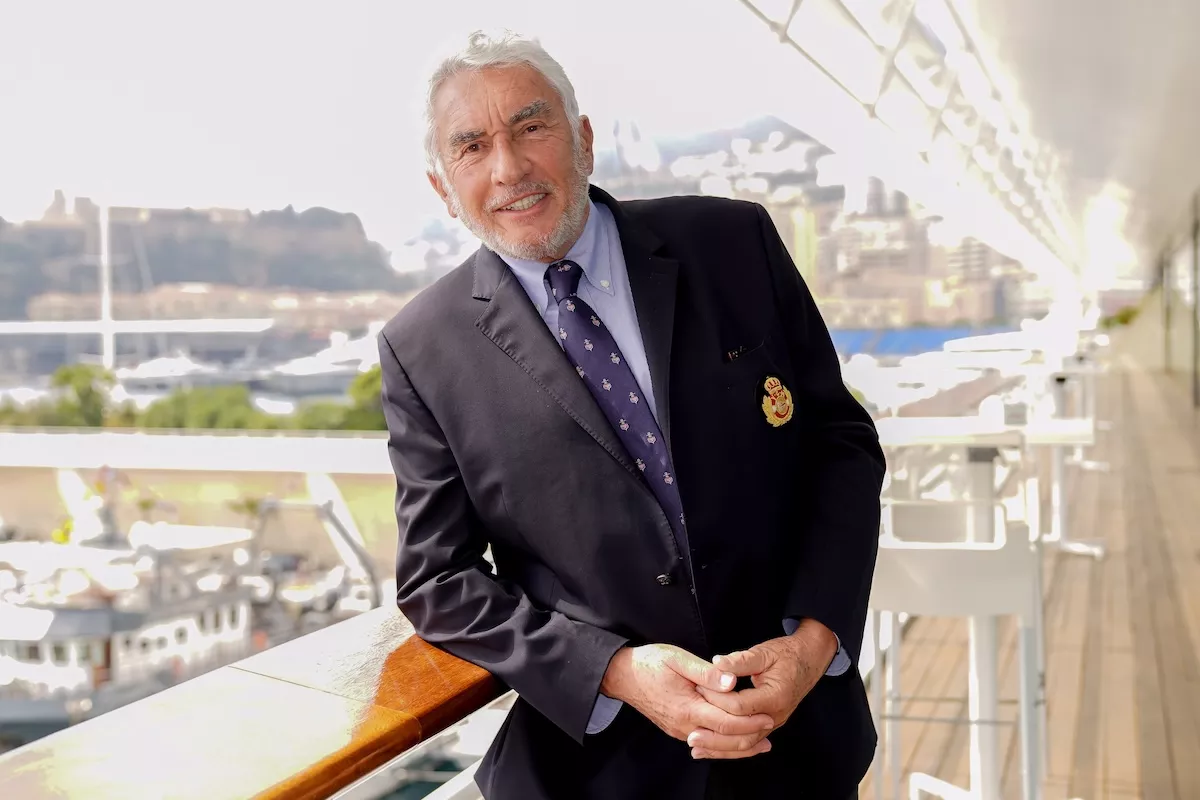
Bernard d’Alessandri, one of the most influential voices in the international yachting community, has been appointed President of the Chambre Monégasque du Yachting. The announcement, made by the Fédération des Entreprises Monégasques (FEDEM) on Thursday 20th November, places the longtime head of the Yacht Club de Monaco at the forefront of the sector’s institutional representation in the Principality.

The Chambre Monégasque du Yachting acts as the official representative body for businesses operating within Monaco’s yachting sector, liaising with government authorities on matters of industry policy and development. FEDEM President Philippe Ortelli said the appointment reflects the importance of the sector to Monaco’s economy, highlighting that yachting generates around €600 million in annual revenue and supports 1,500 skilled jobs.

“It is essential that the sector is fully represented in FEDEM to defend its interests, promote its values and support sustainable development,” Ortelli said.

A career built on maritime strategy and innovation

D’Alessandri has served as General Secretary and Managing Director of the Yacht Club de Monaco since 1990, and is credited with shaping Monaco’s international yachting reputation over the past three decades. He is behind major initiatives such as Monaco Classic Week-La Belle Classe, the Monaco Energy Boat Challenge and the Sea Index sustainability label for superyachts.

He also chairs Cluster Yachting Monaco, a business network of over 100 industry stakeholders, and leads the ‘Monaco, Capital of Yachting’ commission within the Principality’s strategic planning council.

“A model of excellence, innovation and sustainability”

“My commitments have always been guided by my passion for the sea and yachting,” said d’Alessandri. “Through this new position, I hope my experience can benefit a sector which is Monaco’s strength and sets it apart. The Principality occupies a unique place in the yachting world as a model of excellence, innovation and sustainability that we live and breathe each day at the Yacht Club de Monaco.”

Stay updated with Monaco Life: sign up for our free newsletter, catch our podcast on Spotify, and follow us across Facebook,  InstagramLinkedIn, and Tik Tok.

Photo credit: Simone Spada

Portuguese president makes historic first official visit to Monaco

Prince Albert II and Princess Charlene welcomed President Marcelo Rebelo de Sousa in the Principality Friday morning, in a visit that constitutes a significant chapter in the two countries’ bilateral relations. 

While diplomatic relations between Monaco and Portugal were formally established in November 2007, consular ties date back to 1871. The Portuguese community also has a significant presence in Monaco, with 418 residents and around 4,300 workers.

Nevertheless, the Portuguese Head of State’s official visit marks a historic milestone, as it is the first time a sitting Portuguese president has made a state visit to the Principality.

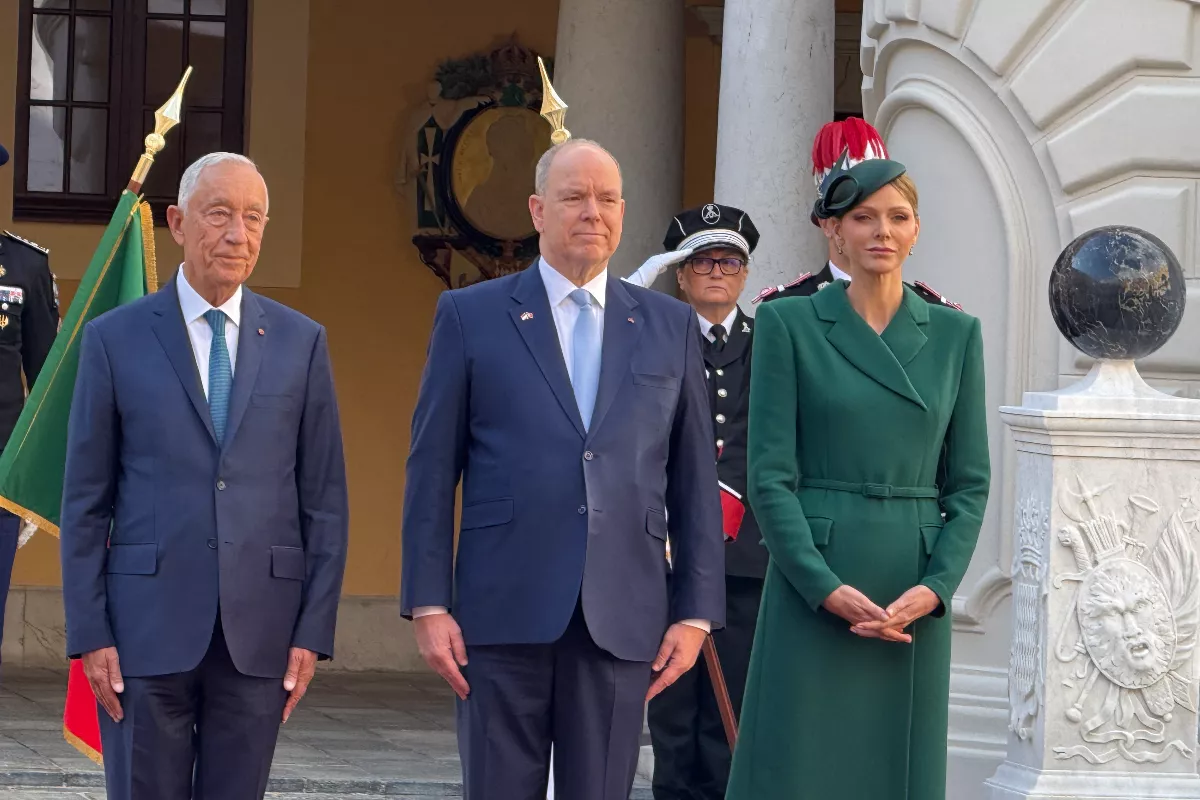
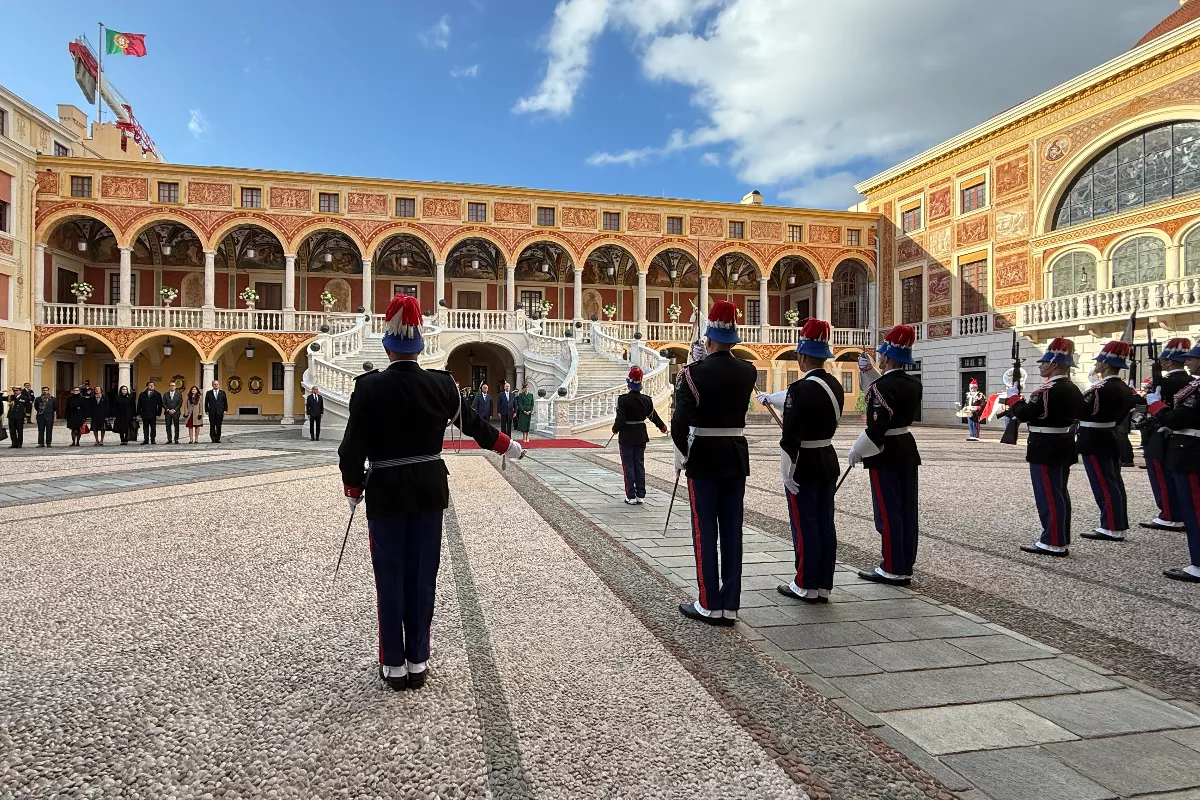
The day began at 10:15am with full military honours in the Palace’s Cour d’Honneur, where Prince Albert II and Princess Charlene welcomed President Marcelo Rebelo de Sousa. After the national anthems of both countries were played, the Prince and President reviewed a military detachment led by Colonel Tony Varo, Commander of the Public Force.

Prince Albert II, Princess Charlène and President Marcelo Rebelo, photo by Monaco Life.

Following a bilateral meeting, the two Heads of State exchanged official gifts and conferred national honours. Prince Albert II bestowed upon President Rebelo de Sousa the Grand Cross of the Order of Saint-Charles, while the Portuguese president presented the Prince with the Grand Collar of the Order of Christ and awarded Princess Charlene the Grand Cross of the same order.

Later, during an official luncheon, both delegations finalised and signed a framework cooperation agreement that had been under negotiation since 2018.

The Palace Courtyard during the reception of the President, photo by Monaco Life.

Exploring the historical ties between Monaco and Portugal

The afternoon programme underscored the historical connection between the two nations through oceanographic research. At the Saint Martin Gardens, the leaders unveiled a bust of Dom Carlos, the Portuguese king who, like Prince Albert I, was a pioneering oceanographer. In a heartfelt moment, students from the Lycée Albert Ier performed a dramatic dialogue between the two royal scientists before wreaths were laid at Prince Albert I’s statue.

Then, the visit concluded at Monaco’s Oceanographic Museum, where Prince Albert and President Rebelo de Sousa toured the ‘Monaco et l’Ocean’ exhibition, viewing exhibits highlighting Portuguese-Monégasque maritime links. The two leaders also witnessed the signing of a protocol agreement between the Academy of the Sea and the Atlantic Center.

Monaco Life was there. See more in our video reel below…

Stay updated with Monaco Life: sign up for our free newsletter, catch our podcast on Spotify, and follow us across Facebook,  InstagramLinkedIn, and Tik Tok.

Main photo by Monaco Life.

How Monaco could become Europe’s smallest – but smartest – investor in Women’s sport

Monaco has long used sport to project excellence on a global stage. From the Grand Prix to the Monte-Carlo Masters and the success of AS Monaco, the Principality has built a reputation as a home for elite performance, organisation and international visibility. Few places are able to combine vision and discipline so seamlessly. Now, a quieter development is beginning to emerge – one that could shape Monaco’s sporting future in a different way: the growth of women’s sport.

The arrival of Monaco United’s women’s football team, renewed backing for AS Monaco Women, and increasing interest from private stakeholders indicate the beginning of a shift. These are early steps, but they ask a broader question: could women’s sport become not just a feature in Monaco, but part of its strategy and identity?

Beyond visibility and sponsorship

Across Europe, women’s sport is moving from symbolic support to serious investment with serious returns. Audience numbers are breaking records, broadcast deals are being signed, and leagues are becoming more professional. The UEFA Women’s Champions League final now draws audiences in the tens of millions. Volleyball and basketball leagues are selling out arenas that only a few years ago struggled to fill a stand. Investors and broadcasters are beginning to recognise that this is not a side show, but growth.

But in many countries, progress still stops at sponsorships or marketing campaigns rather than building long-term, durable systems. Visibility alone cannot sustain athletes or attract the capital needed to build facilities and develop coaching talent.

True development requires investment in infrastructure, coaching, medical support, media coverage, and full-time opportunities for athletes. It means treating women’s sport as an economic ecosystem in its own right – not as an afterthought. Here, Monaco has an advantage. 

A principality that can move faster than nations

Monaco’s size allows it to act more quickly than larger countries. Decisions involve fewer institutions, partnerships can be created more directly, and pilot projects can be launched without being slowed down by bureaucracy. Where others talk about equality in sport, Monaco could test models and implement them within a single season.

A “Monaco model” for women’s sport wouldn’t have to mean creating a full national league. Instead, it could link what already exists: AS Monaco, Monaco United, organisations such as Peace and Sport, local broadcasters, philanthropic foundations and partnerships with European clubs and investors. The city-state’s concentration of talent, capital and communication channels makes coordination easier than anywhere else in Europe.

The Principality has done this before – in environmental diplomacy, motorsport, and culture. Women’s sport could be another example. Just as Monaco has championed sustainability through the Prince Albert II of Monaco Foundation or positioned itself as the capital of motorsport innovation, it could quietly define excellence in the governance and growth of women’s sport.

Why this moment matters

There are three reasons this conversation is timely. Firstly, local momentum. Monaco United and AS Monaco Women are early signs of commitment, even if still modest in scale. They provide visible examples around which a national framework can grow.

Private interest is also growing. Across Europe, women’s leagues are beginning to attract investors who see them as long-term growth assets, not marketing tools. The recent surge in valuations for women’s football clubs in England, Spain and Italy shows how quickly the market is maturing.

Finally, soft power is evolving. Influence today is built through values, innovation and example. For a country known for elegance, precision and discretion, leadership in women’s sport would be a natural extension of its global identity.

What leadership could look like

This wouldn’t require a major initiative or announcement at first. It could begin with a focus on improving training facilities and providing high-performance coaching for women’s teams, while building partnerships with schools to create clear athlete pathways for girls in the Principality. Agreements with local and international broadcasters could ensure regular visibility for women’s matches, helping audiences to grow naturally. 

At the same time, Monaco could host roundtables or workshops during major events such as Sportel, Peace and Sport, the Monte-Carlo Masters or even the Grand Prix weekend, bringing European voices to the Principality and positioning it as a convening hub for the future of women’s sport. Each of these steps would build credibility while maintaining Monaco’s characteristic discretion and precision.

A strategic opportunity for Monaco

Monaco has never been defined by its size, but by its ability to set standards others aspire to – in sport, diplomacy, culture and excellence. Its success has always rested on vision executed quietly, but to perfection. If the Principality backs women’s sport with the same conviction it has shown in these areas, it wouldn’t be following a trend but setting the benchmark for Europe: discreet in scale, unmistakable in influence.

Main photo of Monaco United, credit: Liam Fabre

This article was contributed by Countess Nicole Brachetti Peretti, a European investor and founder of NJF Holdings. She leads NJF Sports & Media, owner of Italy’s professional women’s volleyball league, Lega Volley Femminile. She was an early investor and Vice-Chair of Infront Sports & Media, helping shape one of Europe’s leading sports rights businesses. Beyond investment, she serves as a Visiting Professor in Practice at Lancaster University, focusing on technology, innovation and entrepreneurship.

 

French prosecutors seize nearly €1 million in luxury goods and cash in Beaulieu-sur-Mer fraud probe

French authorities have uncovered what they describe as a wide-reaching fraud and money laundering scheme involving a family in Beaulieu-sur-Mer, with alleged abuse of the national social welfare system at its core.

In a statement issued on 19th November, the Public Prosecutor of Nice, Damien Martinelli, confirmed that three people — two men and one woman — are to face formal judicial investigation following a large-scale operation carried out by military personnel in the Menton region the previous day.

“The extensive investigations conducted appeared to confirm a significant discrepancy between spending, financial flows and the income declared, which primarily came from family allowance benefits,” said Martinelli, pointing to significant disparities between declared income and actual lifestyle.

The preliminary investigation, opened at the end of 2024, was led by a specialist unit of the Nice prosecutor’s office and assigned to the gendarmerie’s research brigade in Menton. It focused on individuals already known to authorities and suspected of drug trafficking and other financial offences. Several were found to be living in apparent luxury, far beyond their officially declared means.

Authorities allege the suspects used social welfare benefits as their primary declared income while simultaneously spending vast sums on luxury goods, gambling, and high-end vehicles. Searches took place in several locations, including Monaco, under a formal request for mutual legal assistance issued to Monegasque authorities.

The operation resulted in the seizure of €76,000 in cash — some of it packaged — along with a €22,000 winning casino ticket, multiple luxury watches including five Rolexes, high-end leather goods such as Vuitton bags, and two cars and two scooters. “The cash and goods seized were valued at around €290,000,” said Martinelli. Additional seizures from bank accounts exceeded €610,000.

Five people, all from the same family, were arrested. Three will be brought before a judge on charges including organised money laundering, tax fraud, fraudulent insolvency, and defrauding a social organisation. The two male suspects, born in 1982 and 1983, have prior convictions for extortion, aggravated violence, weapons offences, and drug crimes, and have previously served prison sentences. The third suspect, their sister, has no criminal record.

The prosecutor confirmed that he is seeking pre-trial detention for the brothers and judicial supervision for the sister.

“As part of an agreement signed with the family benefits agency (CAF) of the Alpes-Maritimes, information may be shared to assist with recovering any unduly received payments,” Martinelli added.

The investigation remains ongoing.

Stay updated with Monaco Life: sign up for our free newsletter, catch our podcast on Spotify, and follow us across Facebook,  InstagramLinkedIn, and Tik Tok.

Photo credit: Txllxt TxllxT, CC BY-SA 4.0 via Wikimedia Commons

Louvre to overhaul security following €88 million crown jewels heist

The Louvre Museum in Paris is set to install around 100 new surveillance cameras and introduce anti-intrusion systems following the audacious theft of crown jewels in October, one of the most significant art heists in recent French history.

Museum director Laurence des Cars announced the measures during a hearing before the National Assembly’s Committee of Cultural Affairs on 19th November. She revealed that the new surveillance network will be in place by the end of 2026, while the anti-intrusion equipment will begin installation within the next two weeks. These systems are designed to protect the museum’s perimeter and prevent unauthorised access to the buildings.

The 19th October robbery saw thieves break into the Louvre’s Apollo Gallery using a freight lift to gain entry through a window. Armed with disc cutters typically used on concrete, they forced open display cases and stole eight pieces from the French crown jewellery collection. The operation lasted less than eight minutes. Des Cars explained that the display cases, redesigned in 2019, had been reinforced to resist internal attacks involving weapons, not external break-ins using construction tools.

Footage from the museum’s existing cameras reportedly shows the cases withstanding the assault longer than expected. However, the breach exposed serious gaps in the museum’s perimeter defences. In response, the Louvre will also appoint a dedicated security coordinator as part of more than 20 emergency actions.

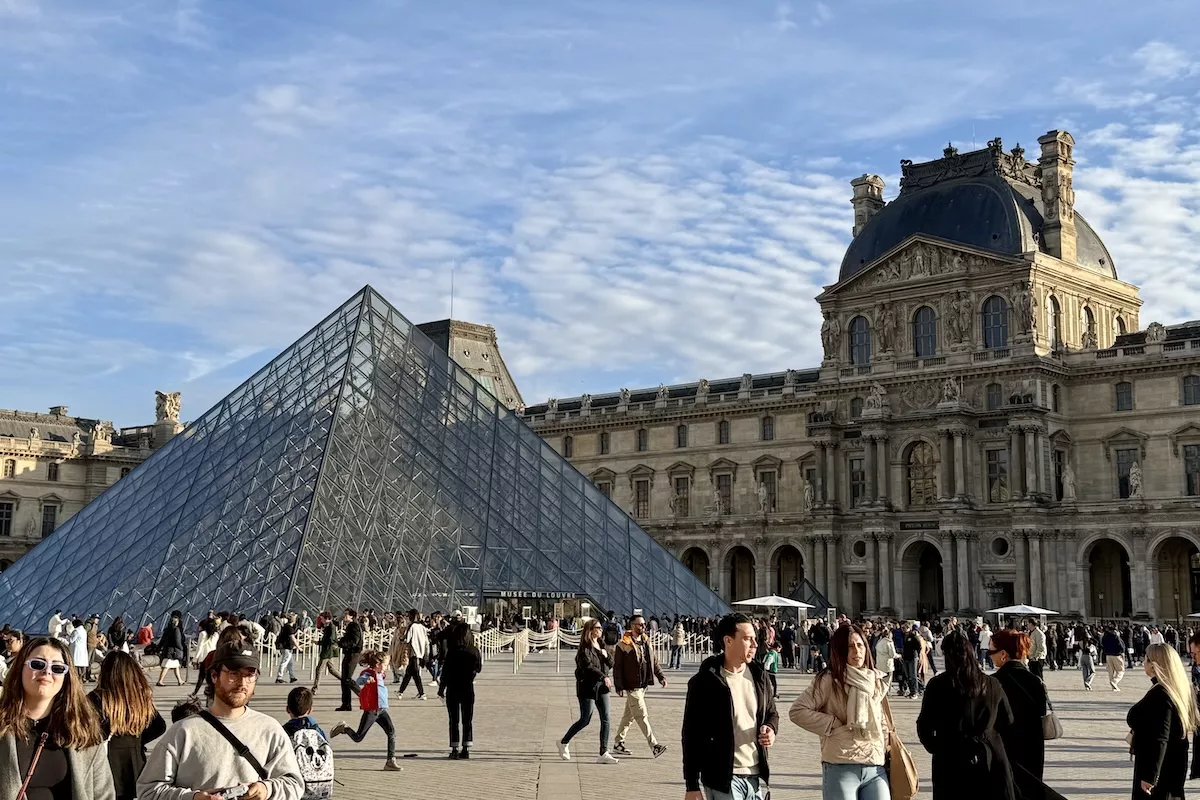
The improvements form a key part of the €800 million ‘Louvre New Renaissance’ plan, which includes infrastructure modernisation and the creation of a dedicated Mona Lisa gallery by 2031. Des Cars also reiterated concerns about overcrowding, reminding the committee that the museum’s pyramid was originally designed to host four million visitors annually, while numbers now regularly exceed eight million.

Stay updated with Monaco Life: sign up for our free newsletter, catch our podcast on Spotify, and follow us across Facebook,  InstagramLinkedIn, and Tik Tok.

Photo credit: Cassandra Tanti 

Paris-Panthéon-Assas joins Monegasque law diploma to expand access to Monaco’s legal system

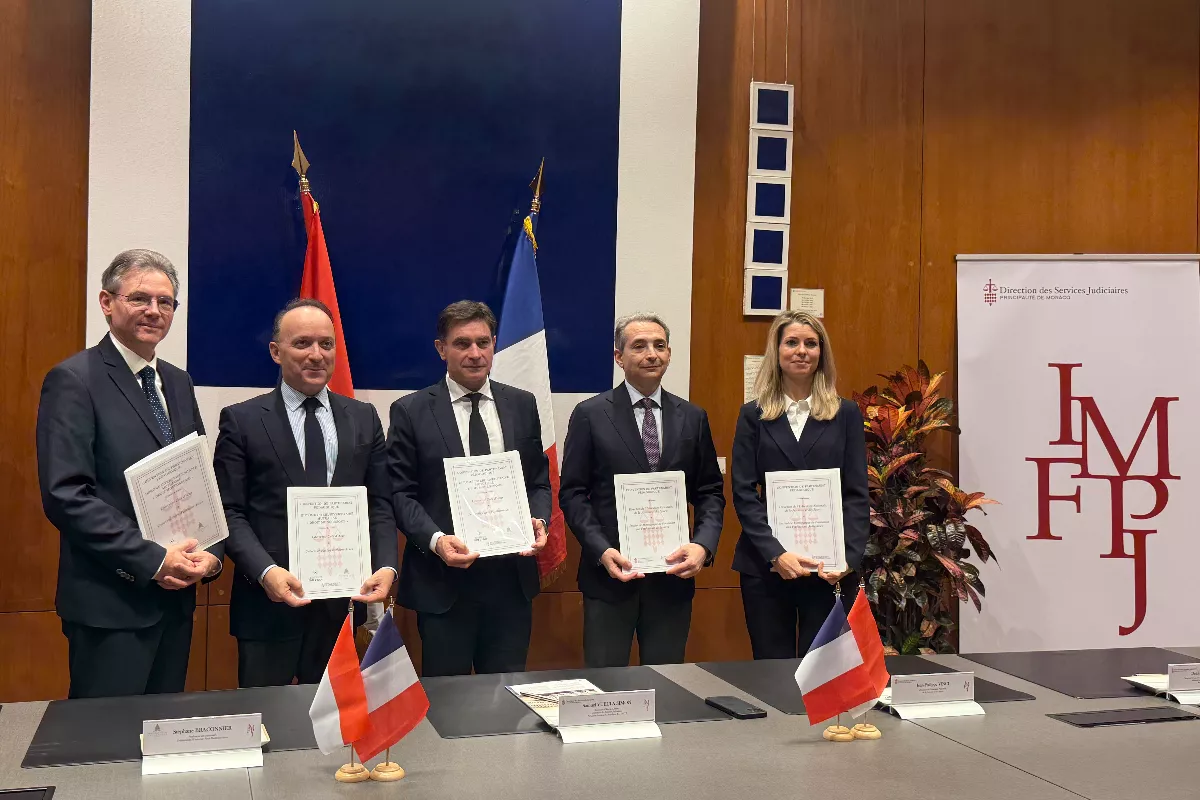
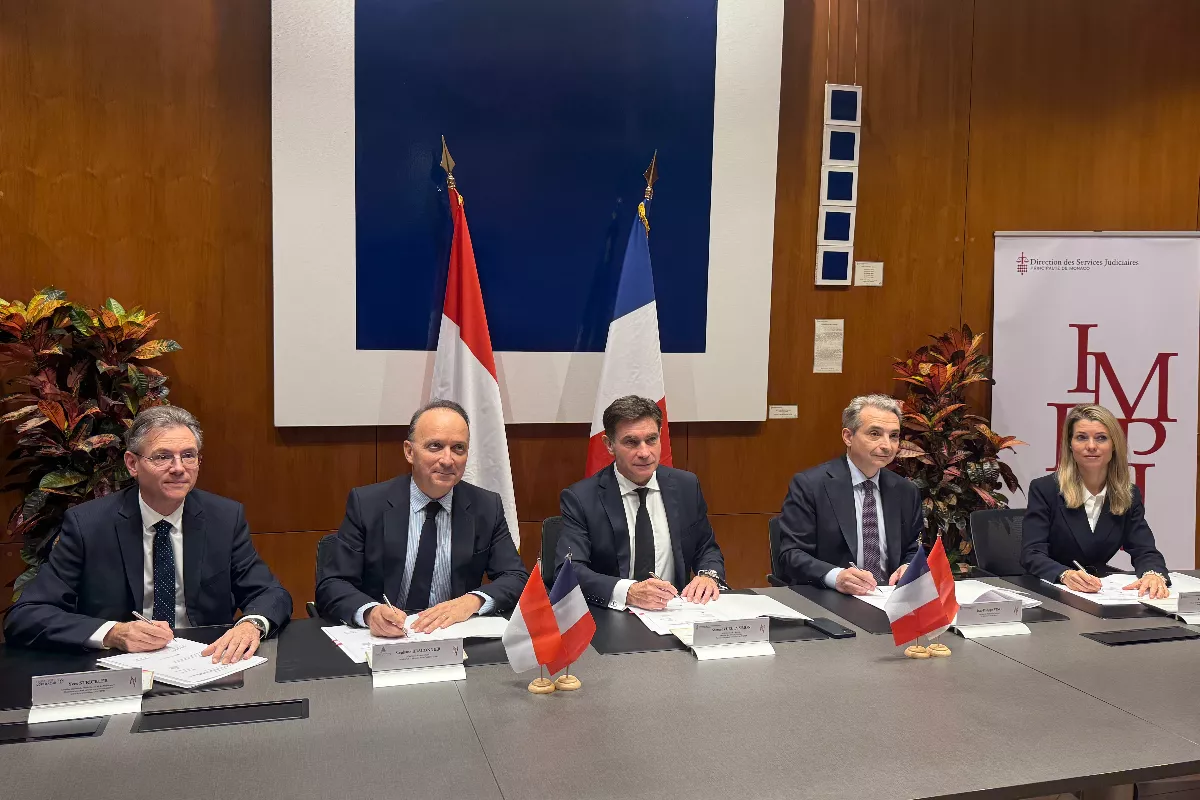
The prestigious Université Paris-Panthéon-Assas has now become the third university to join the Inter-University Diploma (DIU) in Monegasque Law, following a signing ceremony held on November 20th at the Palais de Justice.

The new partnership brings together the Monegasque Institute for Training in Legal Professions (IMFPJ), the Université Nice Côte d’Azur, the Université d’Aix-Marseille, and Paris-Panthéon-Assas, a significant step in making Monaco’s legal system known and accessible beyond its borders. 

Speaking at the ceremony, Samuel Vuelta Simon, Secretary of State for Justice, explained the purpose of the diploma. “We all observe, and I myself noticed upon arriving in the Principality, that Monaco’s justice system was poorly known, poorly understood, poorly identified,” he said. “This diploma seeks to change that by providing students outside Monaco with a solid understanding of our unique legal system.”

However, beyond education, the diploma has another role, which is to inspire young Monegasque students to consider careers in the justice system, including competitive examinations such as the magistracy exam. The latter, Vuelta Simon described as a personal recruitment priority. He also added that Monaco’s justice system is “a quality, fully independent system, delivered in serene conditions, serving the needs of all residents, whether Monegasque or not.”

Historic ties with Paris

Stéphane Braconnier, President of Paris-Panthéon-Assas university, welcomed the partnership, highlighting longstanding connections between the university and the Principality.

“The links between Monaco and Paris-Panthéon-Assas are very old,” he said. “Professors from our university, heir to the Faculty of Law of the University of Paris, have served on Monaco’s Supreme Court and other Monegasque judicial bodies. Many Monegasque students already study here, making this collaboration a natural fit.”

Braconnier also stressed the growing complexity of Monegasque law and the contemporary challenges facing the Principality, noting that the DIU strengthens the capacity of young students to engage with these issues.

Moments before signing, from left to right: Yves Strickler, Stéphane Braconnier, Samuel Vuelta Simon, Jean-Philippe Vinci and Delphine Lanzara. Photo by Monaco Life.

Open to all students and professionals

While the diploma primarily targets Monegasque students studying in Nice, Aix-en-Provence, or Paris, it is also open to French students and those from other universities. Professionals already working in the legal field can also participate through continuing education programs to specialise in Monegasque law or offer enhanced services to clients.

Jean-Philippe Vinci, Monaco’s Director of National Education, was present at the ceremony, also showing the government’s commitment. Vuelta Simon noted, “By informing and preparing our young Monégasques for these pathways, we hope they will be eager to return with experience and knowledge to serve the Principality, whether through the justice system or other public service.”

Yves Strickler, Scientific director of the IMFPJ, also added the broader significance of the diploma. “Training is a necessity,” he said. “It ensures that Monegasque law is known, recognised, and properly understood. By offering this program to French and Monegasque students, as well as to professionals, we promote the particularities of Monegasque law and, in doing so, support one of the pillars of the country’s sovereignty.”

Launched in September 2024, the DIU offers 120 hours of training over three years alongside students’ regular university studies. With Paris-Panthéon-Assas now joining, the program strengthens the international reach of Monaco’s legal education and creates new opportunities for students to engage with the Principality’s justice system.

Stay updated with Monaco Life: sign up for our free newsletter, catch our podcast on Spotify, and follow us across Facebook,  InstagramLinkedIn, and Tik Tok.

From left to right: Yves Strickler, Stéphane Braconnier, Samuel Vuelta Simon, Jean-Philippe Vinci and Delphine Lanzara. Photo by Monaco Life.