
Spoiler alert: This article discusses the outcome of the case featured in the documentary.
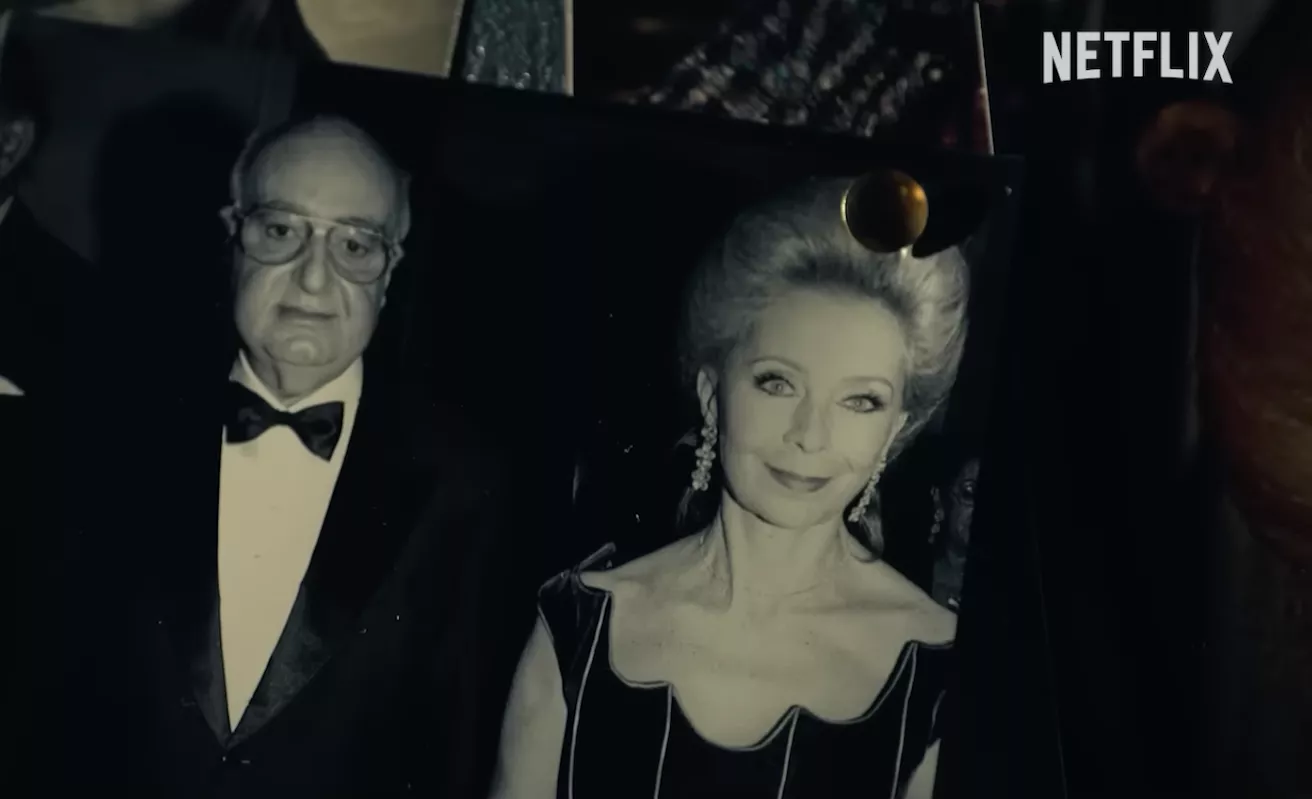
Netflix releases Murder in Monaco on Wednesday 17th December, exploring one of the Principality’s most perplexing tragedies. The documentary revisits the night of 3rd December 1999, when a simple plan to stage a heroic rescue went catastrophically wrong, killing billionaire banker Edmond Safra and nurse Vivian Torrente in his fortified penthouse.
What makes the case particularly strange is that Safra died not from the fire itself, but from a series of fatal misunderstandings. The 67-year-old financier had sold his banking empire to HSBC for $10.3 billion just months earlier and lived in one of Monaco’s most secure buildings. Yet he would die trapped in his own safe room, refusing to open the door to the firefighters who had come to rescue him.
A rescue gone wrong
Ted Maher, a former Green Beret turned nurse, had only recently joined Safra’s care team when he devised what he later described as a plan to secure his job. Fearing dismissal due to tensions with other staff, Maher stabbed himself and set fire to a wastepaper basket, intending to trigger a smoke alarm and then “rescue” his employer.
The fire spread faster than anticipated. When Maher told his colleague Vivian Torrente about supposed intruders, she and Safra locked themselves in a reinforced bathroom. Maher’s lie about armed intruders created a cascade of delays—police searched for non-existent attackers whilst firefighters were held back, fearing a hostage situation.
Safra and Torrente, convinced that intruders were still in the apartment, refused to leave their sanctuary even as firefighters pleaded through the door. By the time emergency services reached them—several hours after the first alarm—both had died from smoke inhalation in what was supposed to be their refuge.
Security paradox
Monaco, known for extensive surveillance and low crime, should have been impervious to such an incident. Safra employed guards reportedly trained by Mossad, yet none of his security team was on duty that night. The very security measures meant to protect him—the reinforced bathroom, the elaborate protocols—became the instruments of his death.
Maher confessed three days later. Monaco’s Criminal Court convicted him of arson causing death in November 2002, sentencing him to 10 years. He served eight before his release in October 2007.
Conspiracies and credibility
Despite the conviction, alternative theories persist. Safra had alerted FBI and Swiss authorities in 1998 about suspicious Russian money movements and co-founded Hermitage Capital Management, later central to the Sergei Magnitsky affair.
Maher maintains his innocence, claiming he was coerced into confessing. His credibility suffered significantly when he was convicted in 2025 of plotting to murder his wife through a paid hitman—another scheme that unravelled.
The Netflix documentary, directed by Hodges Usry, features interviews with journalists, legal experts and Lady Colin Campbell, who wrote a controversial novel allegedly based on Safra’s widow. Murder in Monaco begins streaming on 17th December, examining a case where nearly everything that could go wrong, did.
Stay updated with Monaco Life: sign up for our free newsletter, catch our podcast on Spotify, and follow us across Facebook, Instagram, LinkedIn, and Tik Tok.
Image taken from trailer of Murder in Monaco