
Monaco’s marriage boom: 15% spike as couples choose the Principality for “I do”

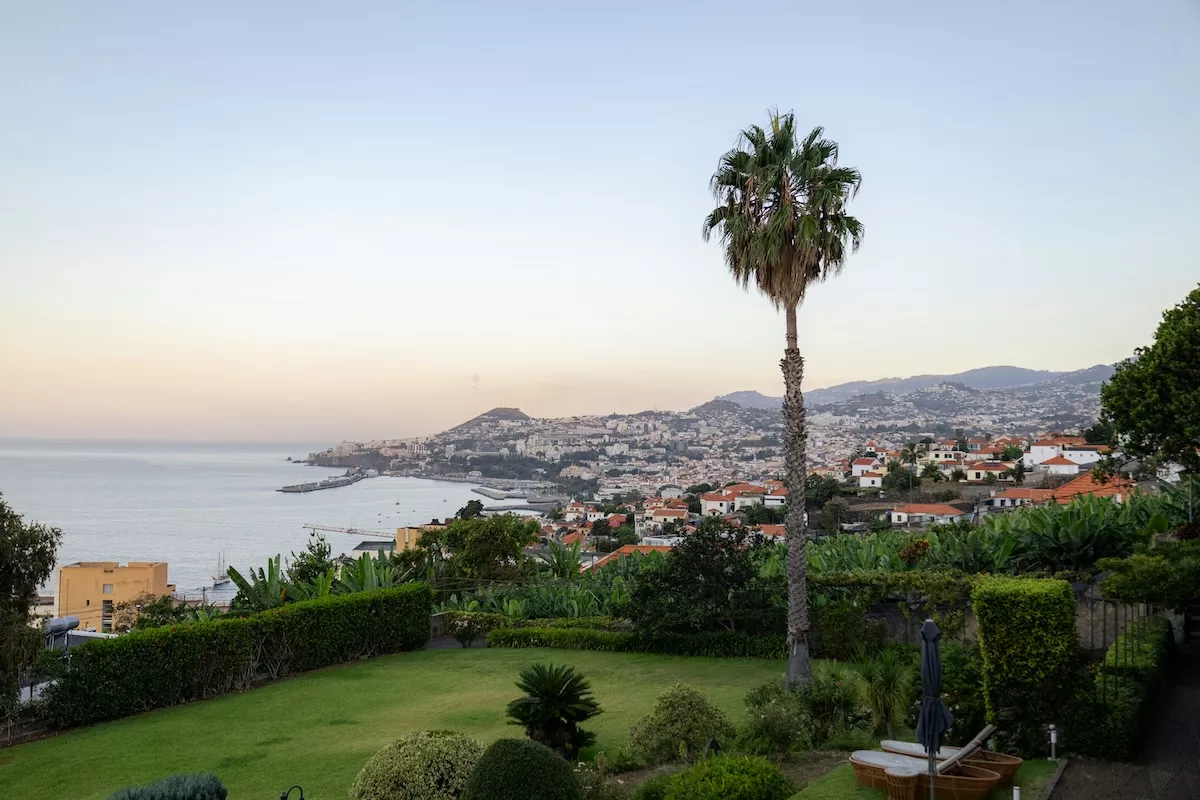
Monaco witnessed a notable uptick in weddings last year, with 202 couples choosing to marry in the Principality compared to 176 in 2024. The 15% increase stands out as the most significant demographic shift in the latest civil registry figures, painting a picture of Monaco as an increasingly popular venue for tying the knot.

The romance, however, is decidedly international. Among Monégasque nationals who married in 2025, cross-border unions dominated overwhelmingly. Fifty-one Monégasque men married foreign women, while 31 Monégasque women wed foreign husbands. Just four ceremonies united two Monégasque nationals, highlighting the Principality’s role as a meeting point for international relationships.

The birth rate holds steady

While marriages surged, births remained relatively stable at 732, up marginally from 721 in 2024. But the data reveals a striking trend: 361 babies were born to unmarried parents, nearly matching the 371 born within formal marriages. It’s a sign that traditional family structures are evolving even in one of Europe’s most historic principalities.

The gender split favored boys, with 404 male births compared to 328 female births. All but one birth occurred at the Centre Hospitalier Princesse Grace maternity ward, with a single intrepid family opting for a home delivery.

CHPG becomes regional maternity hub

Monaco’s hospital has effectively become the birth center for the entire microregion. Only 208 of the 732 births involved families actually living in Monaco. The remaining 524 babies belonged to parents residing across the border, predominantly in Menton (166 births), Roquebrune-Cap-Martin (85), and Beausoleil (78).

Other vital statistics

The registry recorded 543 deaths in 2025, up from 509 the previous year, with women accounting for 296 compared to 247 men. Most deaths occurred in hospital settings (84%), with smaller percentages in clinics (8%), at home (6%), and in retirement facilities (1%).

Divorces also increased to 74 from 66 in 2024, though this uptick appears modest compared to the marriage surge. The civil registry, which maintains records dating back to the 16th century, continues to track every significant life event involving Monégasque nationals or occurring within the Principality’s borders.

Stay updated with Monaco Life: sign up for our free newsletter, catch our podcast on Spotify, and follow us across Facebook,  InstagramLinkedIn, and Tik Tok.

Photo credit: Drew Coffman, Unsplash


What’s behind Monaco’s surprising baby name trends for 2025?

Monaco’s 2025 baby names reveal a fascinating cultural split: parents are choosing decidedly Italian names for boys while opting for British-influenced names for girls. The trend suggests families in the region are drawing inspiration from different cultural spheres depending on their child’s gender.

New civil registry data released by the Mairie on Monday reveals that the girls’ top five reads like a roster from a London nursery: Bianca, Emma, Anna, Charlotte, and Clara. Apart from Bianca, these are quintessentially Anglo names that have dominated British baby name charts for years. Emma and Charlotte, in particular, carry strong associations with British royalty and period dramas.

Italian romance for boys

The boys’ list tells a completely different story. While Louis claims the top spot with its French royal credentials, positions two through four go decidedly Italian: Matteo, Leonardo, and Léo. Gabriel and Arthur tie for fifth, but the Mediterranean influence is unmistakable in the upper rankings.

Leonardo, in particular, represents a shift away from traditional French naming patterns. Parents are choosing the full Italian form rather than the French Léonard, suggesting either Italian heritage or a broader embrace of Italian culture’s romantic appeal.

The Anglo-Italian split

What explains this gendered cultural divide? The pattern likely reflects different associations parents make with masculinity and femininity. Italian names for boys may evoke romance, artistry, and Old World charm, while British names for girls suggest elegance, classic literature, and a certain refined internationalism that transcends borders.

It’s worth noting that all these names work seamlessly in French, Italian, and English, making them practical choices for families navigating the multilingual reality of the Côte d’Azur.

Who’s actually naming these babies

Of the 732 babies born in 2025, only 208 came from families residing in Monaco itself. The remaining 524 births involved parents living in neighboring French communes, predominantly Menton (166), Roquebrune-Cap-Martin (85), and Beausoleil (78). This Franco-Italian border demographic helps explain the cultural mix.

The civil registry, which has tracked births since the 16th century, continues to offer annual glimpses into how international influences shape naming patterns in this unique corner of Europe.

Stay updated with Monaco Life: sign up for our free newsletter, catch our podcast on Spotify, and follow us across Facebook,  InstagramLinkedIn, and Tik Tok.

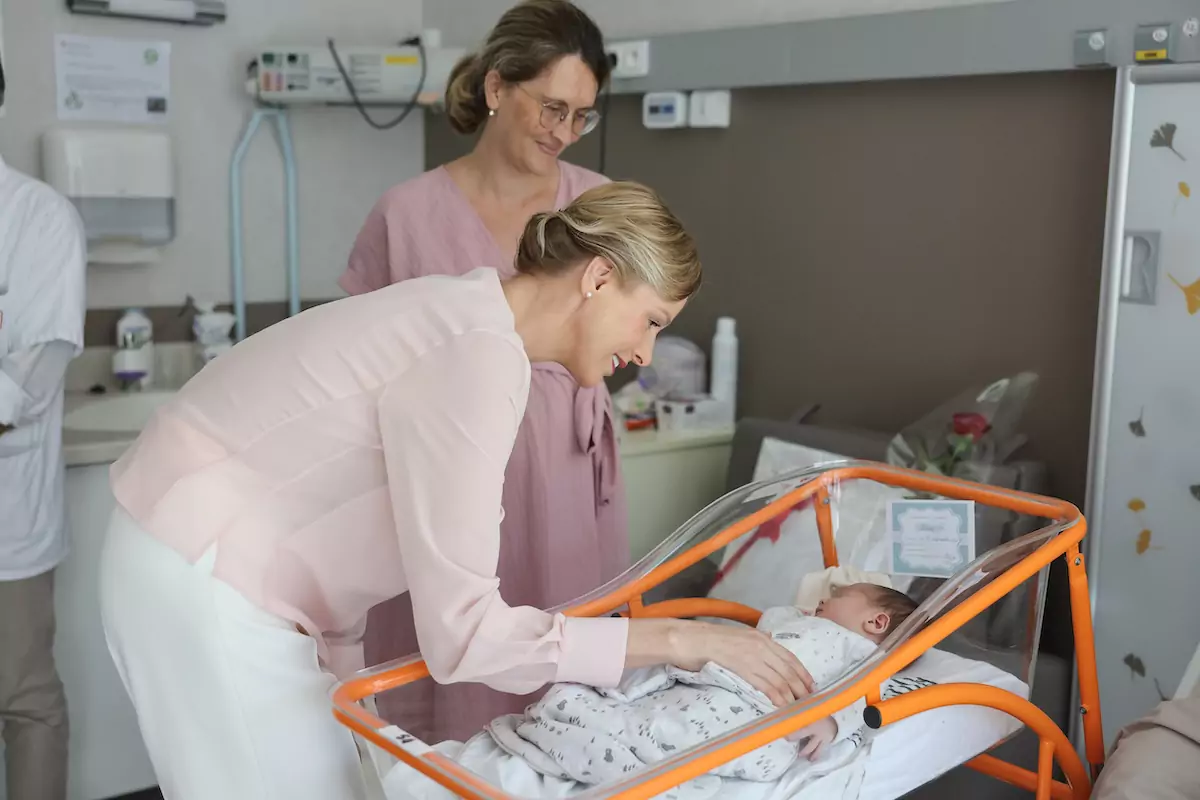
Photo: Princess Charlene visiting the maternity ward of the CHPG in September 2025. Credit: Frédéric Nebinger / Palais princier


Monaco launches ‘Heritage in Danger’ photography contest

Young photographers in Monaco aged 11 to 25 are being invited to capture images of cultural heritage at risk for a competition organised by the Direction of Cultural Affairs. 

The contest, which runs until March 15th, asks participants to explore the theme ‘Heritage in Danger’. Photographers are encourages to think about what Monaco’s cultural legacy means to them and how it can be protected for future generations.

Organisers want young people to consider the various threats facing both tangible heritage such as historic buildings, archaeological sites, gardens and works of art, and intangible traditions including local customs, performing arts, craftsmanship, and culinary practices.

Climate change, natural disasters, urban development, mass tourism and social changes are among the challenges highlighted by the competition, now in its second year.

How the competition works

An expert panel will assess entries based on artistic merit and thoughtful engagement with the theme. The jury includes heritage champion Stéphane Bern and internationally acclaimed photographer and documentary maker Nick Danziger, alongside other figures from Monaco’s cultural sector.

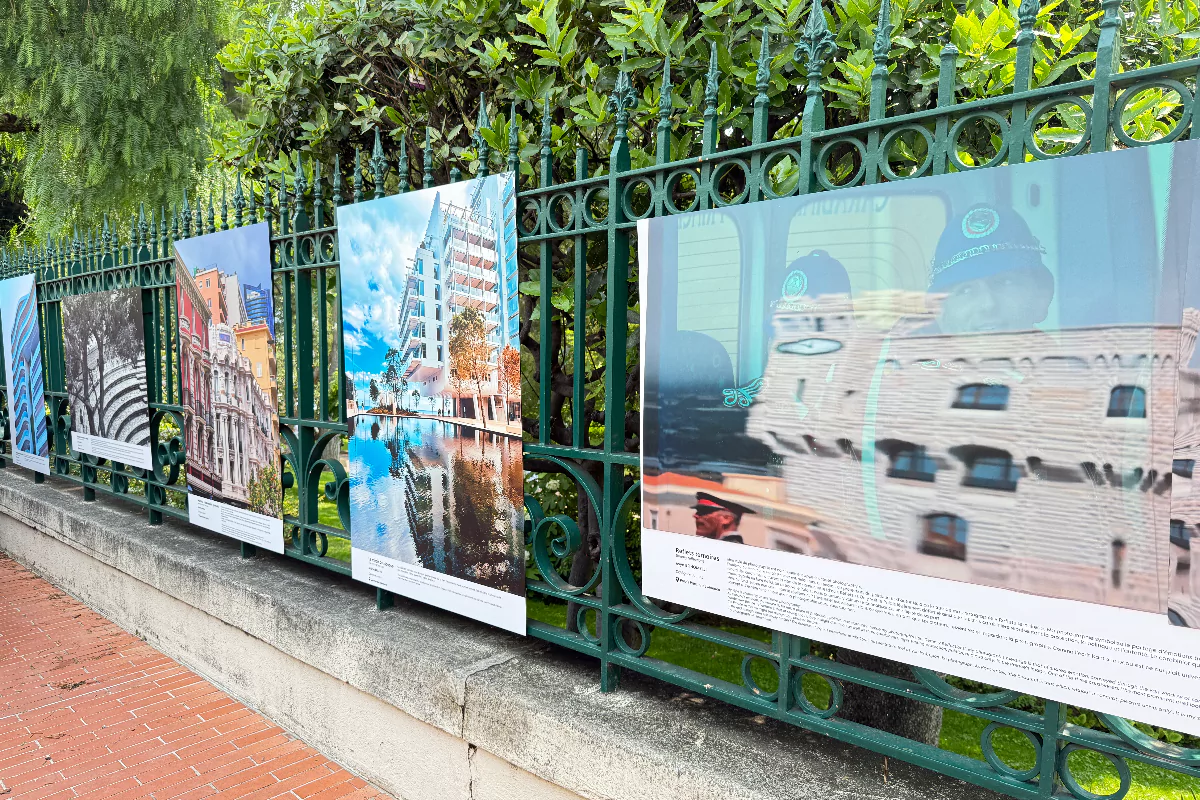
Fifteen photographs will be selected for exhibition on the railings of the Saint-Martin Gardens from April to October. Three winners will be announced across age categories: 11-14, 15-18, and 19-25.

The competition is open to young Monégasques, residents, students and workers in the Principality.

Interested participants must complete the online form at culture.mc by March 15th at 23:59. For enquiries, contact infodac@gouv.mc

Stay updated with Monaco Life: sign up for our free newsletter, catch our podcast on Spotify, and follow us across Facebook,  InstagramLinkedIn, and Tik Tok.

Main photo credit from the competition’s 2025 edition: Monaco Life.

France adds two months paid leave for new parents from July

French parents are gaining access to a major lifestyle upgrade from 1st July 2026, with a new two-month paid birth leave that puts France firmly ahead of Monaco and most European neighbours in family support.

The reform allows each parent to take up to two months of additional paid leave after having or adopting a child, compensated at 70% of net salary for the first month and 60% for the second. Both parents get this entitlement individually, meaning couples could collectively take up to four additional months beyond their existing maternity, paternity and adoption leave.

For families planning a baby in 2026, it’s a substantial financial cushion during those precious —and expensive — early months. But it also significantly widens the parental leave gap between France and Monaco, despite the Principality’s recent efforts to modernise its own provisions.

What French parents now get

The new policy stacks on top of France’s already generous baseline. New mothers receive four months of paid maternity leave (rising to six months for a third child) at 90% salary, while fathers get one month of paternity leave.

With the additional birth leave, a French father can now take one month of standard paternity leave plus two months of additional birth leave — a total of nearly three and a half months of paid leave.

French mothers can take their four months of maternity leave plus the additional two months, giving them over six months of paid time with their newborn.

The flexibility is impressive too. Parents can take the additional leave as one two-month block, a single month, or split it into two separate one-month periods. A father might take his one month of paternity leave immediately after birth, then save the two months of additional birth leave for when his partner returns to work, providing continuous parental care.

How Monaco now compares

Monaco made significant progress with reforms passed in December 2023, expanding paternity leave from just seven days to 21 days (three weeks) for a single birth, or 28 days (four weeks) for multiple births or families with two or more dependent children.

That reform put Monaco roughly on par with France’s standard one-month paternity leave. Combined with Monaco’s full salary replacement during the four-month maternity leave — better than France’s 90% rate — the Principality could claim competitive family policies.

But France’s new additional birth leave changes the equation entirely.

Monaco fathers now get three weeks of paid leave. French fathers get nearly three and a half months. That’s more than quadruple the time off.

Monaco’s paternity leave also lacks flexibility — it must be taken within four months of birth and cannot be split into separate periods. France’s new leave can be divided and taken at different times during the first year, allowing families to adapt arrangements to their specific needs.

For mothers, the gap is less dramatic but still significant. Mothers under the Monaco regime receive four months at full salary but no additional birth leave provision, while those in France get four months plus two additional months, totaling over six months of paid leave.

Why France pulled ahead

The additional birth leave addresses France’s declining birth rates while promoting gender equality. By giving both parents substantial paid time off — not just mothers — the reform encourages fathers to take on more caregiving responsibilities, which research shows benefits child development and women’s career progression.

Stay updated with Monaco Life: sign up for our free newsletter, catch our podcast on Spotify, and follow us across Facebook,  InstagramLinkedIn, and Tik Tok.

Photo credit: Taylor Gray, Unsplash