Saint-Charles municipal swimming pool to reopen after major six-month renovation

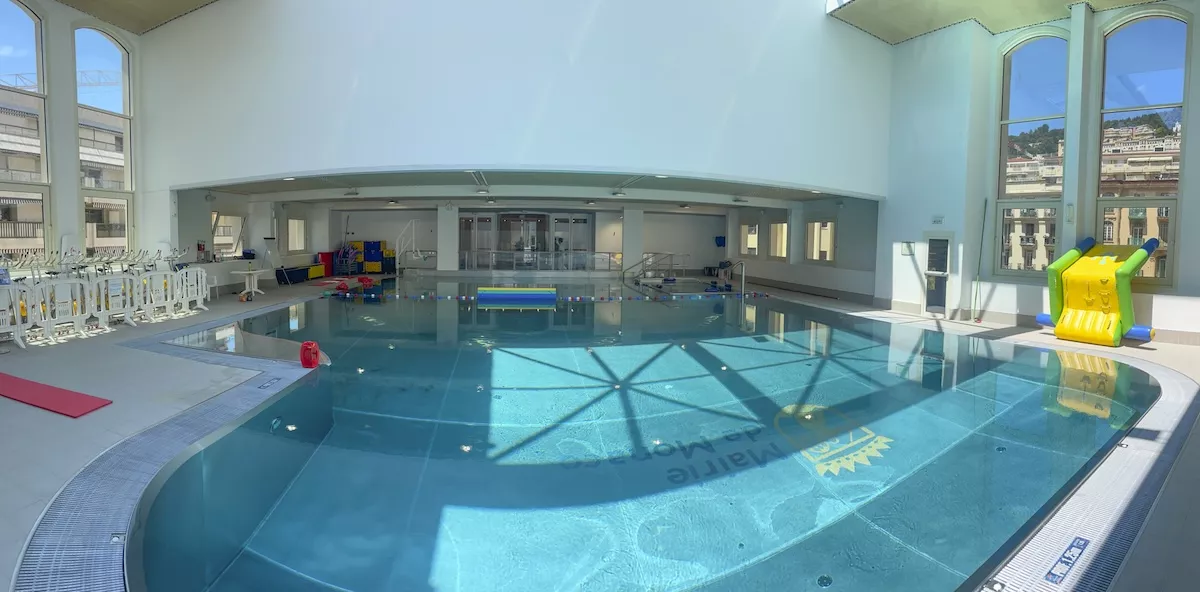
Monaco’s municipal swimming pool, Piscine Saint-Charles, will reopen its doors to the public on Monday 19th January following six months of extensive renovation works aimed at modernising its infrastructure and improving long-term user comfort.

The renovation centred on a full renewal of the water and air treatment and heating systems, bringing the facility in line with modern standards for hygiene, safety and energy efficiency. The newly installed equipment features cutting-edge technologies designed to better manage consumption and resources responsibly, underlining Monaco’s broader commitment to sustainable public infrastructure.

Unlike the last refurbishment, which focused on aesthetic improvements to interior spaces and changing rooms, this latest intervention may not alter the visible layout of the pool but delivers a significant and lasting upgrade in thermal comfort. The freshwater pool will now be heated between 28°C and 32°C, and the atmosphere throughout the building has been enhanced to offer a more comfortable experience for swimmers and staff alike.

Activities resume for residents of all ages

The reopening also signals the full return of the pool’s popular activity schedule, with aquagym, aquabike and aquatrampo fitness (ATF) classes once again available to the public. Younger swimmers can rejoin the baby swimming sessions and swim school, while the imaginative and widely enjoyed ‘Mermaids’ classes, which involve swimming with a mermaid tail, will also resume.

Updated fitness room access and new classes introduced

One of the notable changes accompanying the reopening concerns the gym space adjacent to the pool. From now on, the facility will only be accessible as part of supervised sessions led by qualified coaches. This measure aims to ensure both safety and appropriate use of equipment. New additions to the class schedule include bodysculpt and spinning sessions, which will complement existing gentle exercise offerings such as oxygen and stretching.

Bookings for all sessions are already open, allowing regular users to plan ahead as the pool prepares to welcome swimmers back into its upgraded and modernised environment.

Stay updated with Monaco Life: sign up for our free newsletter, catch our podcast on Spotify, and follow us across Facebook,  InstagramLinkedIn, and Tik Tok.

Photo source: Mairie de Monaco

Strong turnout for ISM’s international education summit on AI and wellbeing

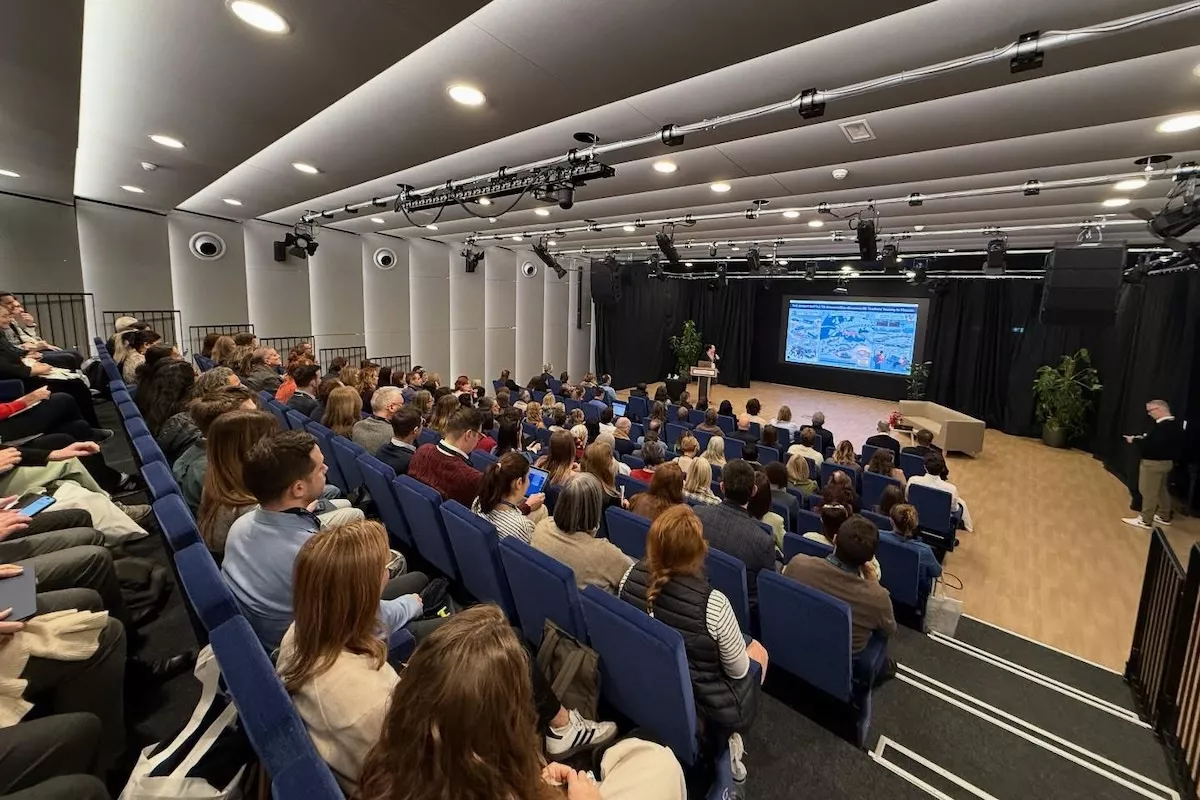
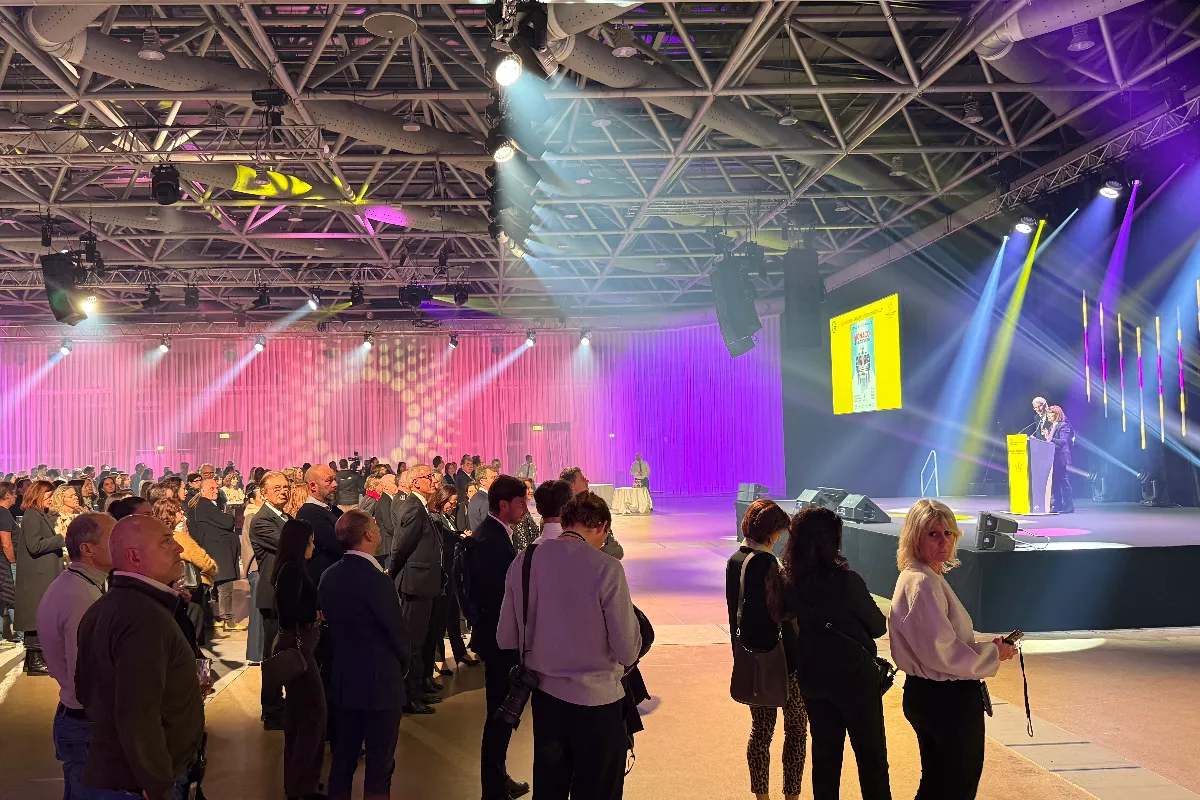
The International School of Monaco has concluded its first major education conference, drawing hundreds of teachers and school leaders from around the world to discuss how schools should adapt to rapidly changing technology and growing concerns about student wellbeing.

The two-day ‘Innovate • Share • Empower’ summit, held on 9th and 10th January, featured workshops on 11 themes including artificial intelligence, inclusion, multilingual education and outdoor learning, reflecting the breadth of issues facing international schools today.

“We wanted to create a space where educators could share what’s actually working in their classrooms, not just theory,” said Abigail Furey, ISM’s Deputy Director Academic, who organised the event.

The conference comes as schools worldwide grapple with how to integrate artificial intelligence into teaching while maintaining focus on fundamental skills, and as mental health concerns among young people continue to rise post-pandemic.

Mental health takes centre stage

Kimberley Wilson, a chartered psychologist and author who regularly appears on BBC and Channel 4, delivered a keynote arguing for a more holistic approach to student mental health that considers nutrition and lifestyle alongside traditional psychological support.

“We can’t separate mental health from physical health,” Wilson told attendees. “What students eat, how much they sleep, whether they move their bodies—it all affects their ability to learn.”

Dr Eowyn Crisfield, founder of the Oxford Collaborative for Multilingualism in Education, addressed the specific challenges facing international schools where students may be learning in their second or third language. She emphasised the importance of “translanguaging”—allowing students to draw on all their languages as resources for learning.

The Learning Pit returns

James Nottingham, whose “Learning Pit” concept has become one of the most widely adopted teaching frameworks in recent years, spoke about productive struggle in education. The model, which visualizes learning as a process of getting “stuck” before achieving breakthroughs, has gained traction among teachers looking for ways to build resilience in students.

Nottingham, who has collaborated with education researchers Carol Dweck and John Hattie, released his latest book ‘Teach Brilliantly’ last year.

Kate Jones, from Evidence Based Education, focused her session on translating academic research into practical classroom strategies, particularly around retrieval practice and feedback—areas where she argues many schools still rely on intuition rather than evidence.

As schools worldwide continue to navigate post-pandemic recovery, technological disruption and evolving expectations around student wellbeing, events like ISM’s conference suggest a growing recognition that educators need structured opportunities to learn from one another across borders.

Stay updated with Monaco Life: sign up for our free newsletter, catch our podcast on Spotify, and follow us across Facebook,  InstagramLinkedIn, and Tik Tok.

Photos courtesy of ISM

White Lotus Season 4 to film at 19th-century château in Saint-Tropez

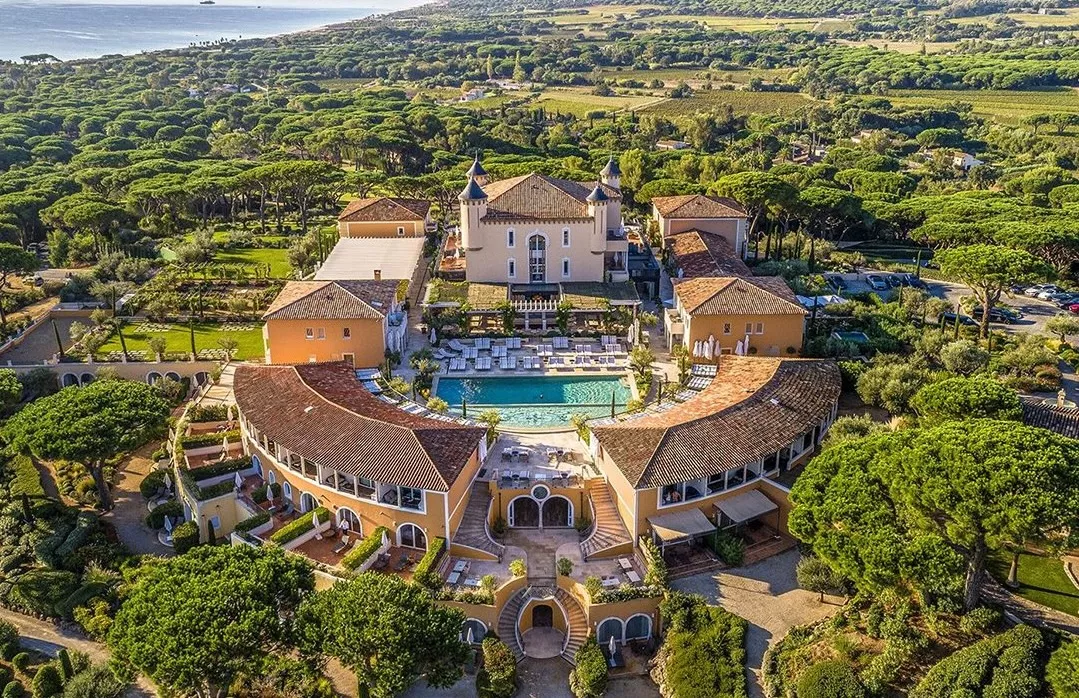
The fourth season of HBO’s ‘The White Lotus’ will film at a 19th-century palace-turned-luxury hotel in Saint-Tropez as creator Mike White continues writing the highly anticipated installment, according to Variety.

The Château de la Messardière, set within 32 acres of parasol pines, cypress trees and jasmine on the Côte d’Azur, will serve as one of several filming locations for the anthology series, which follows hotel guests and employees over the course of a week.

The château is part of Airelles Collection, a group of five-star hotels owned by Stéphane Courbit, founder and chairman of Banijay Group, the production company behind Survivor and Peaky Blinders.

HBO declined to comment to Variety.

French Riviera setting

Filming will begin at the end of April and continue through October, Variety has learned. True to White’s meticulous approach to crafting unique backdrops, Season 4 will not shoot entirely at a single property but will combine different venues along the French Riviera, with some scenes also filmed at a Paris hotel.

Room rates at Château de la Messardière typically start at around €1,100 per night in low season and can exceed €25,000 per night for top suites during peak summer in Saint-Tropez.

Cannes connection

While the plot remains tightly under wraps beyond HBO’s confirmation that it will follow a group of hotel guests and employees, sources told Variety the Cannes Film Festival could be part of the storyline.

Given that filming will take place on the Riviera during the festival, which runs 13to to 26th May, the timing appears plausible.

Casting is underway for Season 4, with a large number of French actors having auditioned for roles, according to Variety. The outlet reported last month that Alexander Ludwig (Earth Abides, Vikings) and AJ Michalka (The Goldbergs, Super 8) are the first new cast members announced.

Emmy-winning franchise

So far, only three cast members have appeared in more than one season of the anthology: Jennifer Coolidge, who played Tanya McQuoid in Seasons 1 and 2; Natasha Rothwell, who played Belinda Lindsey in Seasons 1 and 3; and Jon Gries, who has played Greg Hunt in all three seasons.

Stay updated with Monaco Life: sign up for our free newsletter, catch our podcast on Spotify, and follow us across Facebook,  InstagramLinkedIn, and Tik Tok.

Main photo courtesy of Airelles Château de la Messardière


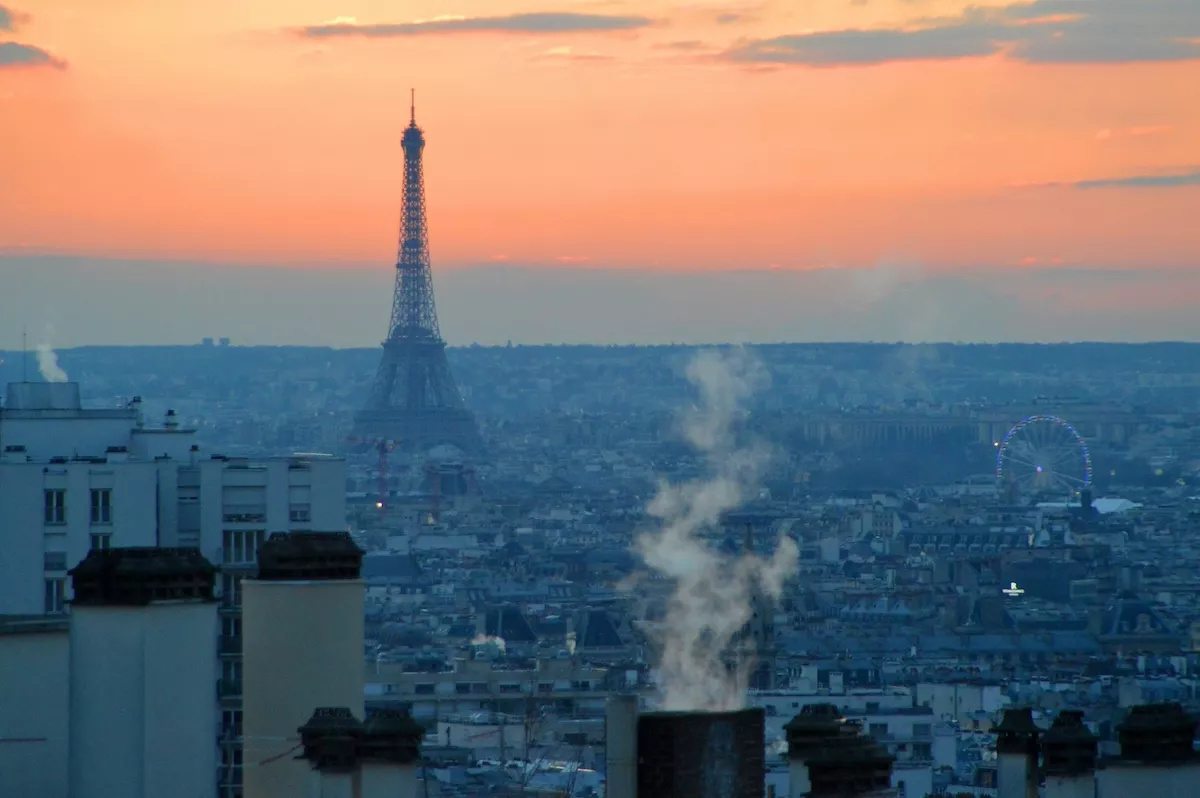
French emissions fall just 1.6% in 2025, three times slower than needed

France is decelerating on the road to carbon neutrality, with greenhouse gas emissions declining at a significantly slower rate than required to meet national climate objectives.

Emissions fell by an estimated 1.6% in 2025, nearly three times less than the pace necessary to achieve France’s targets, according to Citepa, the organization mandated to track the country’s carbon footprint.

The sluggish decline marks a continued slowdown from 2024’s 1.8% reduction and stands in stark contrast to the more substantial decreases recorded in 2022 and 2023, when emissions fell 3.9% and 6.8% respectively.

Missing the 2030 target

This “weak reduction in emissions” falls well short of the pace needed to reach 2030 objectives set by the government, Citepa emphasised. France’s updated National Low Carbon Strategy (SNBC-3), the roadmap for achieving carbon neutrality by 2050, requires an average annual reduction of 4.6% through 2030.

At the current rate, France risks missing its climate commitments by a significant margin.

Mixed results across sectors

Results varied considerably across different sectors of the economy. The limited overall reduction was driven primarily by a marked decrease in industrial emissions, down 3.4%, though this occurred against a backdrop of “continuous decline in industrial activity”, particularly in chemicals, cement production and metallurgy.

Agriculture followed with emission reductions linked mainly to a smaller cattle herd, while transport saw decreased fuel consumption in road vehicles.

Building sector emissions declined slightly, related to variations in heating oil and natural gas consumption, but remain far from the level of effort required. Energy sector emissions stayed nearly stable after significant reductions in recent years.

Citepa noted a slight decrease in emissions from electricity generation, already heavily decarbonised through nuclear power and expanding renewables. However, this was offset by an expected increase in hydrocarbon refining linked to a “resumption of activity” in 2025.

Difficult decarbonisation ahead

After encouraging energy conservation following the start of the war in Ukraine, France, like other developed countries, is struggling to tackle sectors that are more difficult or expensive to decarbonise, including cars and buildings.

The French slowdown mirrors figures recently published in Germany, which reduced its own emissions by only 1.5% last year, according to estimates from expert group Agora Energiewende.

The European Union, which aims for a 90% reduction by 2040 compared to 1990 levels, had achieved 37% by 2023.

Climate advocates sound alarm

Responding to the disappointing figures, Anne Bringault, program director at Climate Action Network (Réseau Action Climat), warned: “It is more than time to take seriously the climate risk, but also the geopolitical risk that our dependence on fossil fuels, which are very largely imported, causes us, and for the political class to agree on concrete measures to act.”

Stay updated with Monaco Life: sign up for our free newsletter, catch our podcast on Spotify, and follow us across Facebook,  InstagramLinkedIn, and Tik Tok.

Photo credit: Kizoa Team, Unsplash