Mayor Georges Marsan presents La Mairie’s vision for 2026

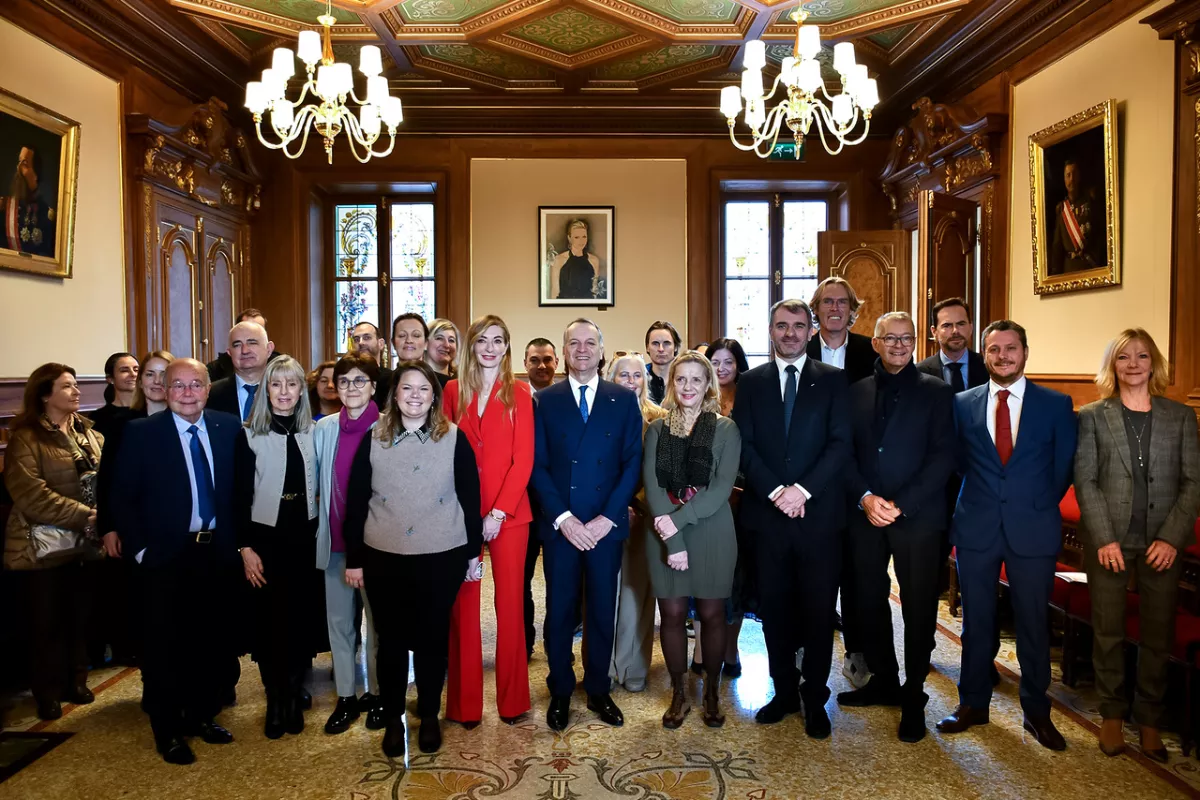
Mayor Georges Marsan, accompanied by several members of the Town Council, presented ambitious plans for the principality during his annual New Year address to the press Monday morning. 

Speaking at La Mairie’s Salle des Mariages, Marsan described 2026 as “a strategic year, a pivotal year, a turning point for us,” as several long-planned initiatives near completion.

2025 achievements

Among this year’s achievements, the mayor highlighted the delivery of the Marc-César Scotto Auditorium and lower level of the Académie de Musique Rainier III, completing the academy’s full renovation.

Of equal pride to the town hall was the opening of the new Médiathèque Caroline in the Pasteur district, a project initiated over 15 years ago. The 2,500-square-metre centre houses over 200,000 documents and recorded 544 membership requests just in its first three weeks.

“It was important for elected officials to bring all these entities together in a single point of cultural convergence,” Marsan said of the free facility combining the library, video and music collections, and games library.

Notably, the mayor also mentioned this year’s record attendance at Monaco’s Christmas village, with over 668,000 entries – 20,000 more than the previous year. Additionally, the return of the ice rink drew more than 27,200 visits since opening in December, including over 1,400 entires on December 31st alone.

Lastly, Mayor Marsan also pointed out that during 2025, Monaco managed to strengthen ties with twin towns Dolceacqua, Lucciana and Ostende, with new cultural exchanges including musical collaboration between the Académie de Musique Rainier III and Belgium’s Conservatoire Aan Zee.

Major 2026 projects

The Jardin Exotique will reopen at the end of March following extensive safety works including consolidation and pathway renovation. A new entrance designed by Monegasque architect Frédéric Genin will bring “momentum and modernity to this tourist site”, with additions including a children’s play area and public bar.

Work on the Condamine food market also began this year, with completion expected within 13 months. “It’s a flagship element of our mandate,” Marsan said, noting that the renovation aims to strengthen “the attractiveness, conviviality and quality of welcome of this popular place.”

Moreover, the Espace Lamartine will reopen in July after water damage repairs, while the new ‘Live by Léo Ferré’ concert venue will launch in the final quarter. The modular 1,900 capacity hall will feature state-of-the-art sound, lighting and video technology.

The Saint-Charles swimming pool reopens Monday afternoon following upgrades to its heating and air purification systems.

Family and senior services

A new nursery called ‘Ida’ will reopen in September in the Héméra residence, adding 30 places to bring total childcare capacity to nearly 430 children. The 700-square-metre facility will employ 13 qualified staff.

This year also marks 40 years of the telecare alarm service for seniors, with all equipment modernised in 2024-2025.

Meanwhile, environmental initiatives continue, including la Petite Boîte reusable takeaway container programme, which has been selected for presentation at the European Parliament without even entering a competition.

Marsan concluded the presentation by thanking municipal staff and reaffirming La Mairie’s role as “an institution of proximity to provide citizens with services and facilities that concretely participate in the attractiveness policy led by the Government.”

See also: 

Monaco’s new Médiathèque Caroline opens with dedicated study space

Stay updated with Monaco Life: sign up for our free newsletter, catch our podcast on Spotify, and follow us across Facebook,  InstagramLinkedIn, and Tik Tok.

Main photo provided by Mairie de Monaco
What is the EU trade ‘bazooka’ that could hit back at Trump?

The European Union is facing calls to deploy a powerful but untested trade tool following US President Donald Trump’s threat to impose tariffs of up to 25% on multiple European nations over Greenland.

French President Emmanuel Macron raised the prospect of activating the EU’s anti-coercion instrument on Sunday, a measure adopted in 2023 but never used, after Trump stunned Europe with demands that Denmark cede its Arctic territory to the United States.

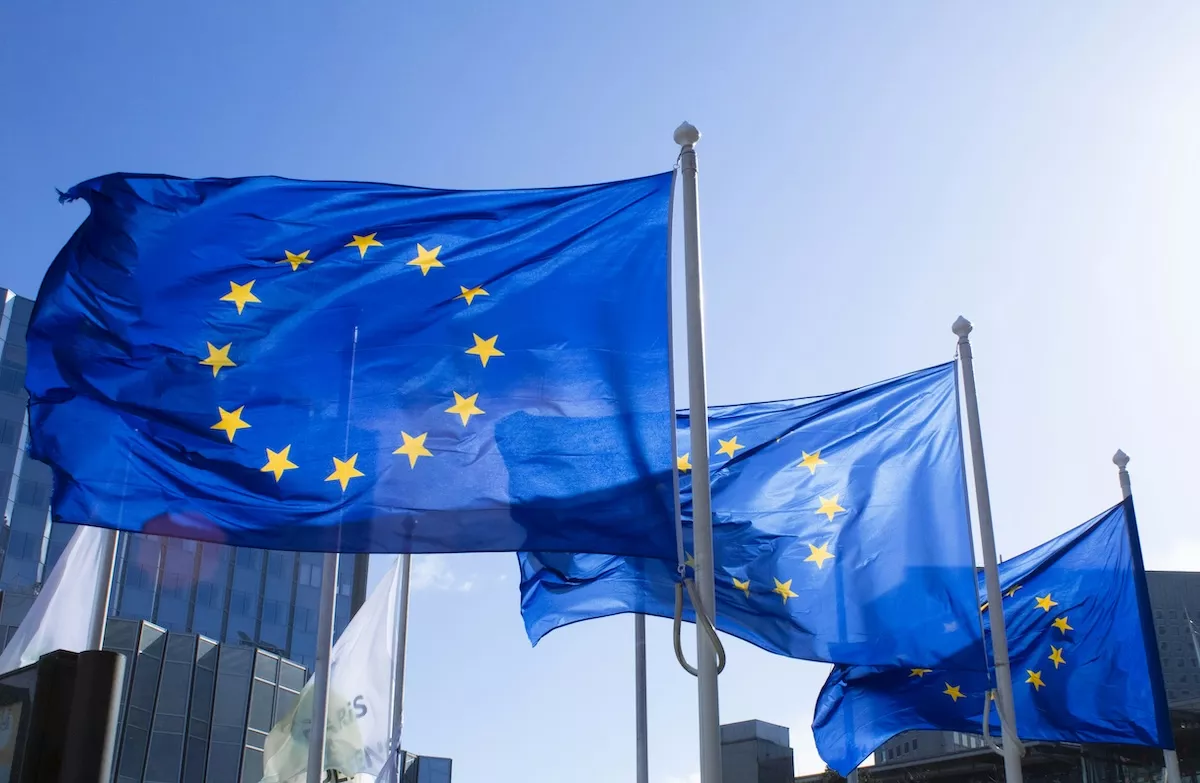
The instrument, described by some as a “bazooka” or “nuclear option”, is designed to respond when countries use trade weapons to pressure EU member states.

Trump’s unprecedented threats

Trump announced on Saturday he would impose levies on EU members Denmark, Finland, France, Germany, the Netherlands and Sweden, as well as non-members Britain and Norway, unless Greenland is handed over to the US.

The threat has prompted unprecedented calls for the EU to activate its most aggressive trade defence mechanism.

Valerie Hayer, leader of the liberal Renew group in the European Parliament, also called for the weapon to be deployed, describing it as “our economic nuclear weapon”.

What is the anti-coercion instrument?

The tool is intended to deter economic coercion against any of the EU’s 27 member states.

The EU defines coercion as a third country “applying or threatening to apply measures affecting trade or investment”, thereby interfering “with the legitimate sovereign choices” of the EU and member states.

The instrument allows Brussels to impose import and export restrictions on goods and services in its single market of 450 million people, and to limit access to public procurement contracts in Europe.

A major target could be American tech giants, since the US has a services surplus with the EU. Brussels previously drew up a list of US services to potentially target.

The instrument was created after Lithuania accused China of banning its exports because Vilnius allowed a Taiwanese diplomatic representation to open on its soil in 2021.

How does it work?

Both the European Commission and member states can seek activation, but it requires approval from at least 55% of member countries representing 65% of the bloc’s population.

However, even if activated, the process could take months before any measures take effect.

The commission would have four months to investigate the accused country’s trade policies, followed by eight to 10 weeks for member states to back any proposed action.

Only then would the commission have a green light to prepare measures, to take effect within six months, though the EU says this timeframe is indicative.

A powerful signal

Despite the lengthy timeline, triggering an investigation would send a strong message that Brussels is willing to confront its important ally.

“The United States is making a miscalculation that is not only dangerous but could be painful,” Hayer said in a statement.

The EU last year threatened to use the weapon during difficult trade negotiations with Trump to avoid steep levies, but the two sides ultimately struck a deal.

EU leaders will meet Thursday evening for an emergency summit.

Stay updated with Monaco Life: sign up for our free newsletter, catch our podcast on Spotify, and follow us across Facebook,  InstagramLinkedIn, and Tik Tok.

Photo credit: Alexandre Lallemande, Unsplash


Prince Albert sends condolences to Spain after deadly train crash

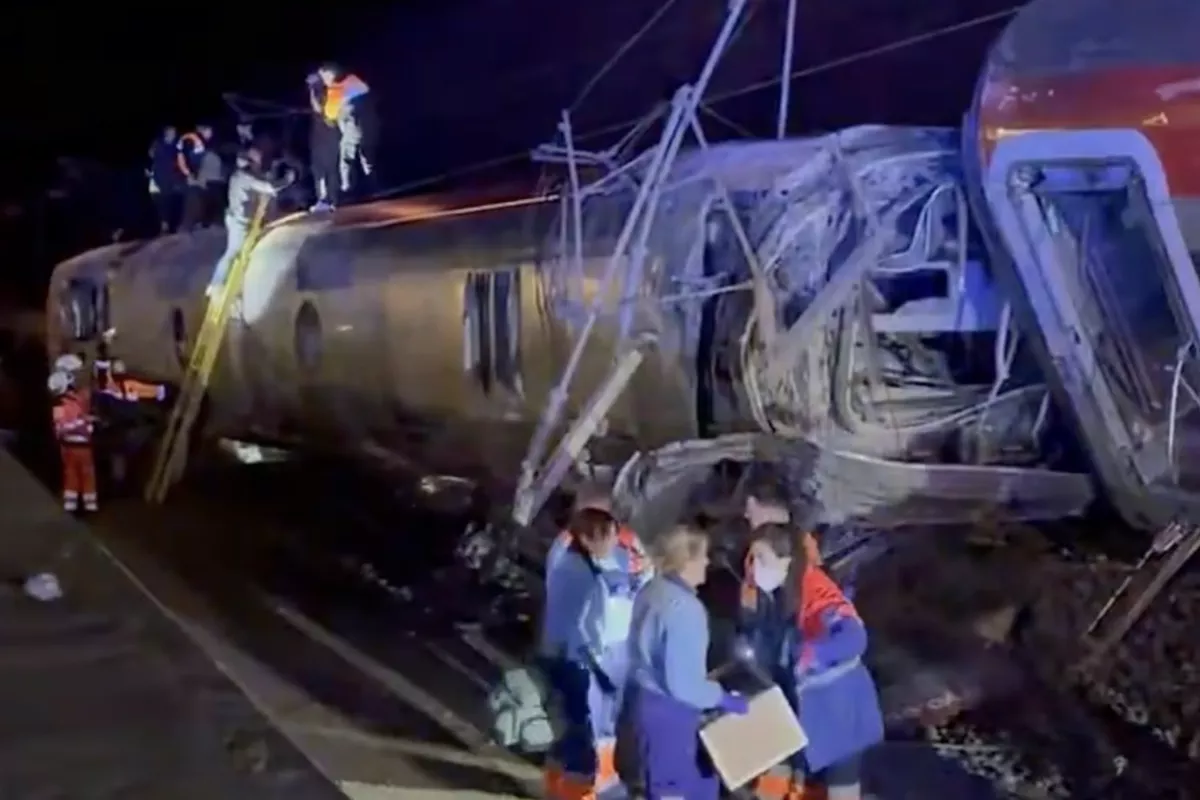
Prince Albert II has expressed his shock and sadness following the train crash in southern Spain that killed at least 39 people on Sunday.

In an official message to King Felipe VI, Prince Albert and Princess Charlene on Monday offered their condolences to the families of victims and those injured in the collision near Córdoba.

“My family and the people of Monaco join me in expressing our great sorrow following this tragedy,” the Prince wrote. “Our thoughts are with the bereaved families and the injured.”

What happened

A Madrid-bound train derailed and crossed onto opposite tracks, colliding with an oncoming train near Adamuz on Sunday evening.

The collision occurred at 7:45pm local time, about an hour after the train departed Málaga for Madrid.

Most of those killed and injured were in the front carriages of the second train, which was travelling south from Madrid to Huelva.

‘Extremely strange’ circumstances

Spanish Transport Minister Óscar Puente described the crash as “extremely strange” and “very difficult to explain.”

He told reporters the accident occurred on a straight section of track that had been completely renovated in May following major investment, and that the derailed train was “practically new.”

The president of state rail operator Renfe, which operated one of the trains, said he had “discarded” the possibility of excessive speed or human error.

Álvaro Fernández Heredia told Spanish national radio that both trains were travelling below the 250km/h maximum speed limit for that stretch of track, and that safety systems would have corrected any driver error.

He pointed to either a mechanical fault or infrastructure issue as more probable causes, but said it was “very complicated” to reach conclusions so soon after the incident.

Rail company Iryo said the Madrid-bound train, built in 2022, had been inspected four days before the crash.

Investigation underway

Spanish Prime Minister Pedro Sánchez cancelled his Monday schedule and planned trip to the World Economic Forum in Davos to visit the crash site.

His office said the visit aimed “to get first-hand information” on the collision.

Transport Minister Puente said it would take at least a month for investigation results to be released, adding that rail experts were “very surprised by this accident.”

Stay updated with Monaco Life: sign up for our free newsletter, catch our podcast on Spotify, and follow us across Facebook,  InstagramLinkedIn, and Tik Tok.

Photo credit: @eleanorinthesky via X

Italy edges out Denmark in thrilling Monaco Optimist Team Race finale

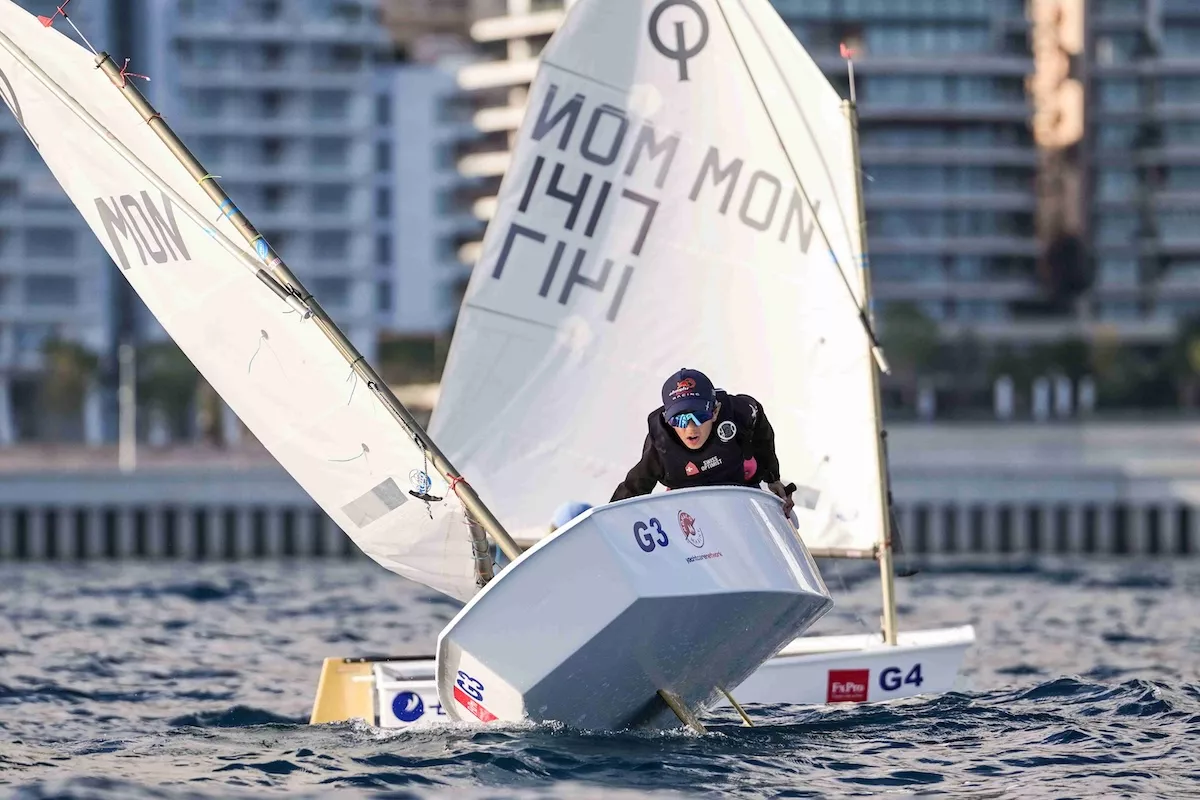
Young sailors from Yacht Club Italiano clinched victory in the 14th Monaco Optimist Team Race after an intense final-day battle with Danish rivals.

The team racing event, which concluded on Sunday after five days of competition, saw 15 teams from 12 nations compete in challenging conditions off Monaco’s coast.

The Italians, sailing together for the first time, overturned Denmark’s lead in the final races to claim the title by the narrowest of margins.

Down-to-the-wire finish

Danish Dynamite had dominated the provisional rankings throughout the competition, demonstrating superior tactical understanding of team racing dynamics where individual performance takes a back seat to collective success.

However, the Italian quartet remained in contention throughout, applying relentless pressure as the Round Robin qualifier progressed.

Their consistency and precision at crucial moments proved decisive in the final races, allowing them to overtake the Danes at the last minute.

“We really wanted to win and fought to the end to achieve this victory,” said Italian team member Gabriele Burlando. “The competition was tough but we did our best to prevail. I must say it was a fantastic regatta,” added teammate Vittorio Cavalleroni.

Both finalists won all their match races, showcasing collective mastery, tactical intelligence and total commitment at the highest level of youth team racing.

Switzerland’s Gstaad Yacht Club secured third place after a hard-fought campaign, while the home team from Yacht Club de Monaco, featuring Océane Schroeder, Joséphine Dobbelaere, Pietro Carlevaris and Louis Faivre, finished eighth.

Learning before winning

The regatta opened with a three-day International Clinic designed to go beyond conventional training.

British team racing expert Chris Atkins, who led the preparation with over 45 years of experience, explained the philosophy: “The goal is for them to try things, make mistakes and learn from them, so they don’t repeat them during the competition.”

The team race format places unique responsibility on young sailors, who must apply racing rules themselves under the watch of international umpires.

“The sailors must apply the rules themselves, which requires honesty and true sportsmanship,” Atkins said.

Lilia from Corsica described the experience as transformative. “Sailing is a way to understand the sea, the wind and the environment. It’s not just about being on a boat,” she said.

“The hardest part is listening to each other and managing situations together. But it creates bonds.”

Training for life

Bernard d’Alessandri, Yacht Club de Monaco’s Director and General Secretary, emphasised that the event’s value extends beyond the rankings.

“Young people learn that they must look beyond individual results to get results for the team. They learn to coordinate and interact with young people of their own age. It’s a wonderful training ground for life,” he said.

The competition received a special visit from Monegasque Formula 1 driver Charles Leclerc, adding to the occasion’s prestige.

Since 2010, the Monaco Optimist Team Race has supported generations of young sailors, with participants developing valuable life skills including teamwork, respect for competition rules, and group decision-making abilities.

The 15th edition is scheduled for 13-17 January 2027.

The event was organised by Yacht Club de Monaco with support from Monaco Marine, FxPro, North Sails, Erplast and Peace and Sport.

YCM continues its events programme with the 18th Business Symposium – La Belle Classe Superyachts on 5 February 2026, bringing together international yachting stakeholders.

Stay updated with Monaco Life: sign up for our free newsletter, catch our podcast on Spotify, and follow us across Facebook,  InstagramLinkedIn, and Tik Tok.

Photo credit: Gianmattia Dalberto, YCM


Palace reassures public after Prince Albert undergoes minor facial procedure

The Palace has moved to reassure the public after Prince Albert II underwent a brief medical procedure to remove a benign growth from his scalp and face.

The planned intervention, carried out as part of routine dermatological monitoring, required several stitches but was described by officials as straightforward and of short duration.

Palace officials on Friday emphasised the condition was benign and that the Prince Sovereign’s schedule continues as normal.

Routine dermatological care

The procedure was carried out to treat what the Palace described as a “benign pathology” affecting the scalp and facial area.

Officials said the intervention was scheduled in advance and formed part of Prince Albert’s regular dermatological monitoring, rather than an emergency or unexpected development.

No further medical details were disclosed, in line with standard practice for routine health matters.

No disruption to duties

The Palace stressed that Prince Albert’s official activities have not been affected by the procedure.

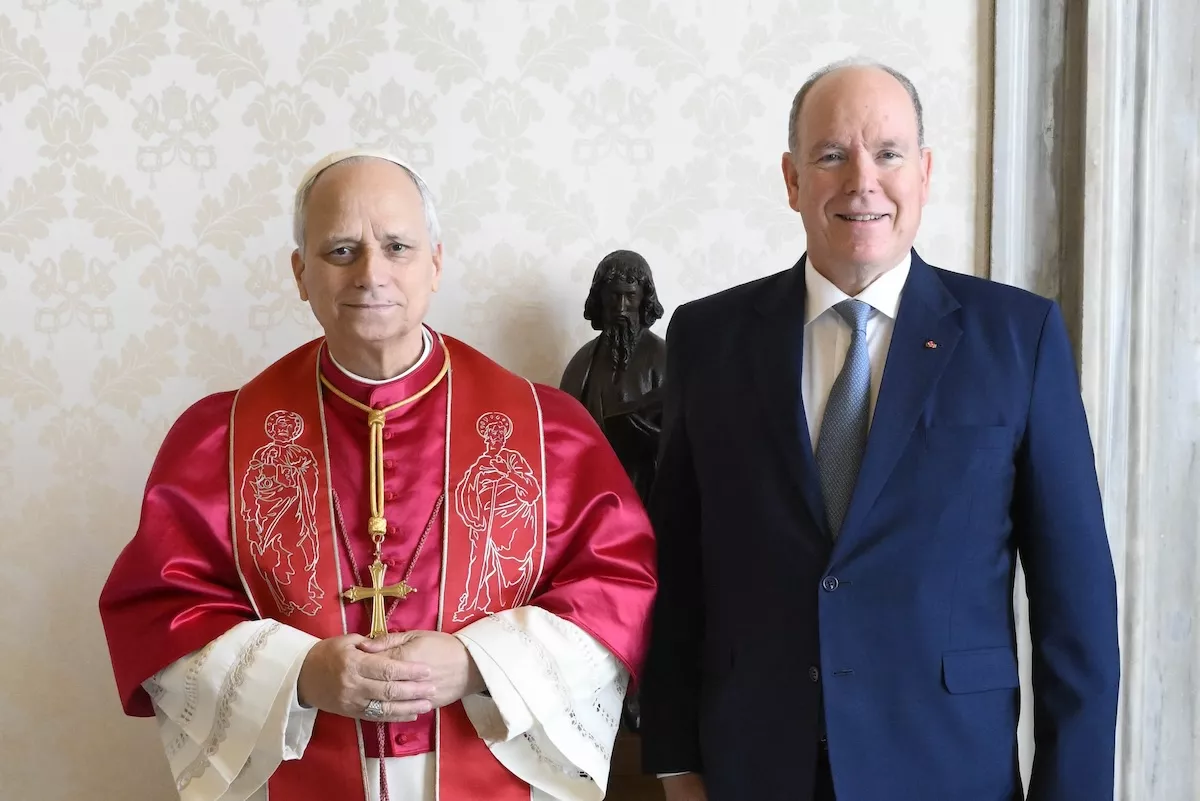
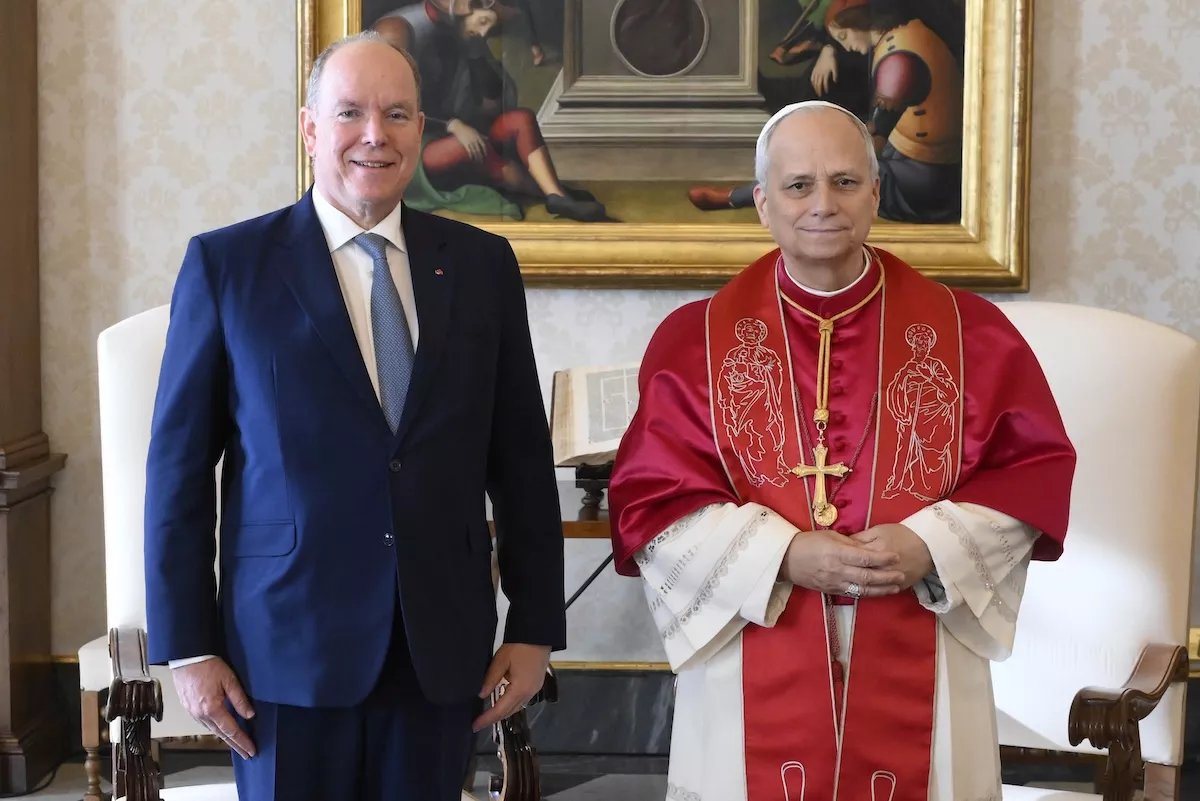
The Prince went on to fulfil his scheduled engagement at the Vatican on Saturday, where he was received in audience by Pope Leo XIV.

Media attention

International media were quick to report on the visible scar on Prince Albert’s cheek during his papal audience on Saturday.

Stay updated with Monaco Life: sign up for our free newsletter, catch our podcast on Spotify, and follow us across Facebook,  InstagramLinkedIn, and Tik Tok.

Photo credit: Vatican Media


Prince Albert II meets Pope Leo XIV at the Vatican, extends invitation to Monaco

Pope Leo XIV held talks with Prince Albert II at the Vatican on Saturday, where the two leaders found common ground on environmental protection and human rights.

The Prince was received in the private library of the Apostolic Palace for discussions that ranged from international affairs to the shared challenges facing both institutions.

During the meeting, Prince Albert extended an official invitation for the Pope to visit Monaco.

Alignment on key issues

According to the palace, the hour-long audience covered respect for life, family values and human dignity, alongside what both sides identified as priority concerns: peace and environmental protection.

Vatican officials said afterwards that the discussions revealed “a convergence of views” between the Holy See and Monaco on these issues.

The meeting comes as both Monaco and the Vatican have positioned themselves as vocal advocates for climate action, with Prince Albert II having long championed ocean conservation and the Pope having made environmental stewardship a cornerstone of his papacy.

Photo credit: Vatican Média

Rare books and sacred art exchanged

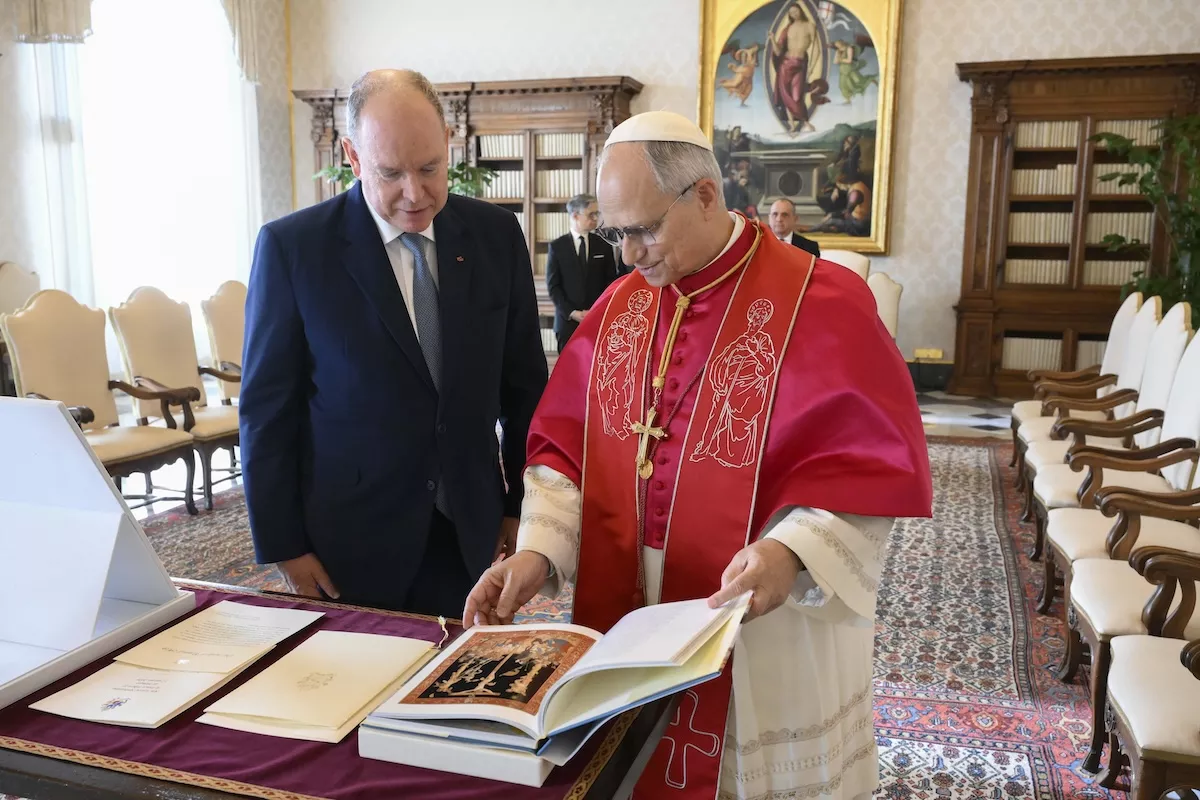
Prince Albert presented Pope Leo XIV with a copy of Saint Augustine’s Confessions that once belonged to 19th-century French poet Alfred de Vigny, complete with Vigny’s handwritten notes in the margins.

The Pope gave Prince Albert a bas-relief of Our Lady of Perpetual Help, based on an icon attributed to Saint Luke.

Such exchanges are customary in papal audiences but the choice of gifts often carries symbolic weight, with both items reflecting themes of faith and reflection.

Bilateral talks continue

After his papal audience, Prince Albert met with Cardinal Pietro Parolin, the Vatican’s Secretary of State, for working-level discussions at the Secretariat of State.

Archbishop Paul Richard Gallagher, who handles the Vatican’s relations with nations and international bodies, joined the talks focused on bilateral cooperation between the two states.

Both sides described the Monaco-Vatican relationship as “excellent” during the meetings.

Monaco delegation

Prince Albert was accompanied by Lionel Beffre, Monaco’s Minister of the Interior, and Philippe Orengo, the principality’s Ambassador to the Holy See.

The Vatican side included Monsignor Simon Kassas, responsible for relations with French-speaking nations.

Saturday’s visit continues a long-standing diplomatic relationship between Monaco and the Vatican, with regular high-level exchanges between the two states.

Stay updated with Monaco Life: sign up for our free newsletter, catch our podcast on Spotify, and follow us across Facebook,  InstagramLinkedIn, and Tik Tok.

Photo credi: Vatican Média