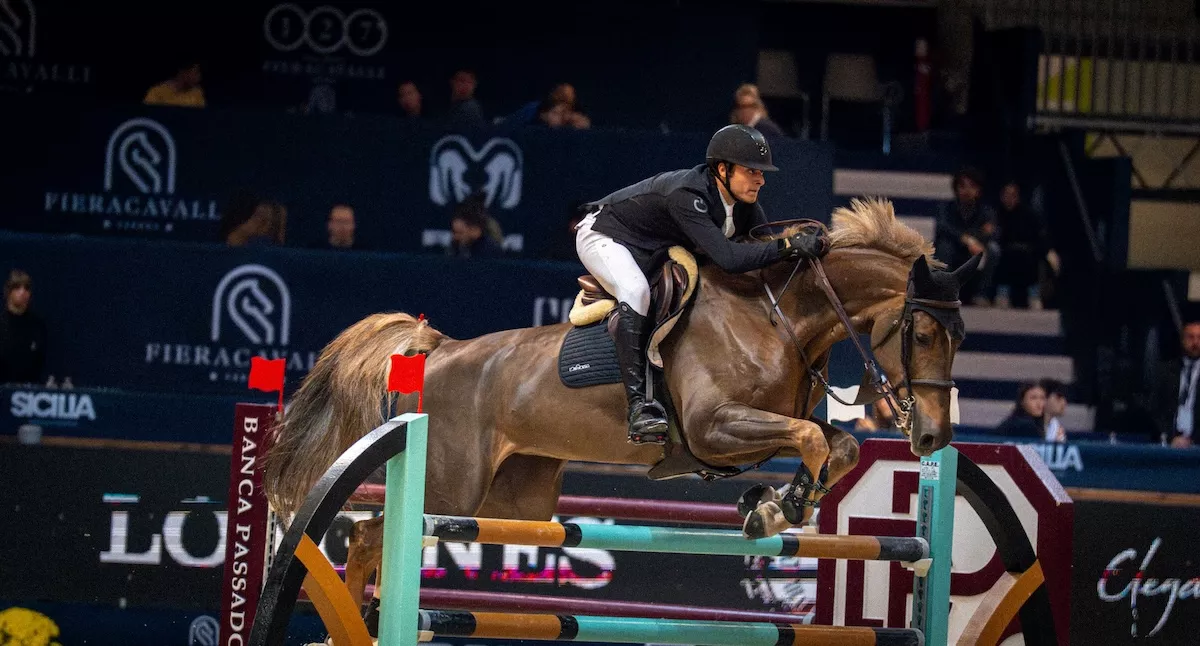
Íñigo López de la Osa Franco has been confirmed as the Monaco Aces’ Under 25 rider for the 2026 Longines Global Champions League season, marking a step forward in the Monegasque rider’s development within the sport’s highest-level team competition.
The 2026 season will see López de la Osa Franco officially join the Principality’s team after gaining experience on the circuit in 2025 with the Stockholm Hearts. During that debut year, he competed at several GCL venues including Doha, Mexico City, Madrid, Cannes, Monaco, Valkenswaard, Vienna and Rome.
International career and training
Born in Monaco to an Italian mother and Spanish father, López de la Osa Franco has represented Monaco in international competitions since the age of 17. He currently trains under Simon Delestre, the former world number one, as he prepares for what is expected to be a significant year in his career.
The 2026 season holds particular importance for the rider, who is set to become the first Monegasque competitor at a World Show Jumping Championship when he takes part in the Aachen edition in Germany. The World Championship represents his primary objective for the year.
Rider’s statement
“Being part of the Monaco Aces in the 2026 Longines Global Champions League is something very special for me,” said López de la Osa Franco. “I was born and raised in Monaco, and being able to represent the Principality within a Monegasque team, in a circuit like the GCL, gives even greater value to this journey. It is a great motivation to keep working and improving, in a season that will also be important in view of the World Championship in Aachen.”
Looking ahead
The rider’s participation in the Longines Global Champions League with the Monaco Aces forms part of a wider competitive programme that includes both immediate team goals and preparation for the World Championship later in the year.
Olena Chernovolova left a successful legal career behind when Russia’s invasion transformed Ukraine in 2022. Today, from Monaco, she runs the Dopomogator Foundation, a charity that has already delivered 26 advanced bionic prosthetics to Ukrainian veterans and civilians.
Born in Ukraine’s Donetsk region, Olena studied law in Kyiv, built a decade long career as a private notary and spent years quietly supporting other charities. Then in 2017 she decided to establish her own, and named it ‘Dopomogator’: Ukrainian for ‘someone who helps’.
The foundation’s early work focused on low-income families, elderly people, and children in residential homes. Then, February 2022 arrived, and everything changed.
“Everything changes, for everyone,” Olena tells Monaco Life. She closed her notary office, left Ukraine with her children, and devoted herself entirely to the foundations work.
The meeting that changed everything
In 2023, Olena met a man with an idea to manufacture bionic hands in Ukraine, for Ukrainians, at a fraction of the international price. The meeting was, in her words, entirely by chance. The result was ‘Regenerate Ukrainians’, a joint initiative between Dopomogator and Ukrainian company Allbionics, which uses cutting-edge 3D CAD design and 3D printing to produce prosthetics domestically.
While a bionic hand on the international market costs around $15,000 and can take more than two months to produce, Allbionics manufactures prosthetics for as little as $8,500, with components produced in as little as three days. The full fitting process, involving multiple sessions with the recipient, is completed within two to three months.
Twenty six hands, twenty six stories
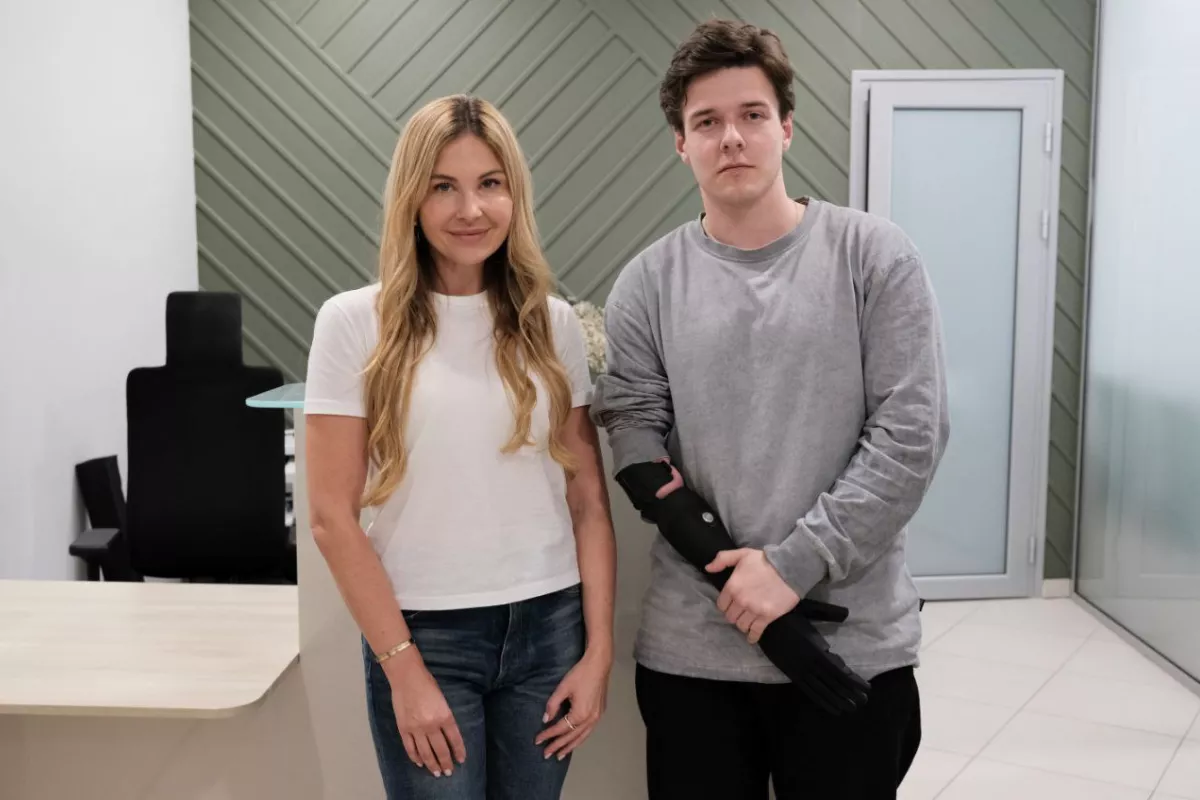
To date, Dopomogator has delivered 26 bionic upper-limb prosthetics. Behind each number is a real person. There is Arsen, who now rides horses using his bionic hand. There is Andrii, a father of three children and a war veteran, who sustained a severe injury and lost his arm during military service, who now cooks traditional Ukrainian borscht with ease, washes the car, and plays board games with his family. There is also Daria, a doctor and young mother from Kherson, who wears her prosthetics to work at a medical centre and is now able to push her child’s stroller.
But the story that moves Chernovolova most is that of a recipient with a high amputation above the elbow, one of the most technically demanding fits. “He wrote a letter with his bionic hands,” she said, her voice cracking. “It was his dream to do it, and he did. We said: we need this result for every person with a high amputation. It shows that impossible things are possible.”
Olena Chernovolova with one of the recipients, photo provided.
A new ally in Monaco
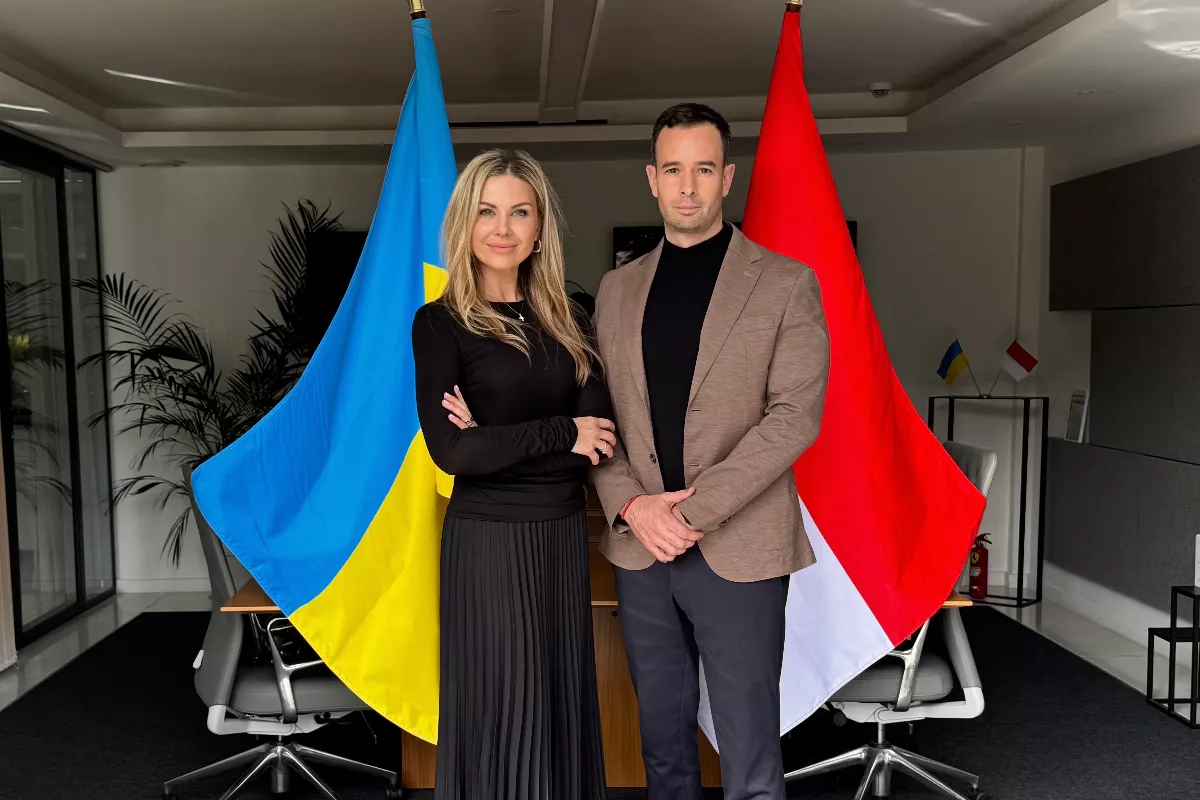
It was in Monaco that Chernovolova met Alexandre Caracchini — the Principality’s newly appointed Honorary Consul of Ukraine.
Alexandre, also present in the interview, adds: “She is genuine and authentic. She’s always trying to help and happy to do whatever is needed. She deserves more recognition in Monaco.”
For Caracchini, whose own work is focused on reconstruction and ensuring Monaco does not forget the realities unfolding in Ukraine, Dopomogator’s mission resonates deeply.
Unbroken women, unbroken Ukraine
When asked what keeps her going after eight years of charity work, Chernovolova gives an unexpected answer. It’s not the recipients, not the results, but her team.
She tells us the story of Olga, her most trusted collegue, whose apartment building was struck by a missile last summer, with half the building left in ruins. “Thank God she’s alive,” Chernovolova says. “And do you know what she did the next day? She started collecting electric kettles for the elderly people in her neighbourhood who had no gas, no way to cook.” She pauses. “These people are unbroken. With volunteers like this, I think Ukraine is okay.”
Her next ambition is even broader: to make the project, and the culture of inclusivity it carries, known beyond Ukraine.
How to help
Dopomogator is currently seeking donations. Each bionic prosthetic costs from $8,500, with the average around $10,000 per limb. Those wishing to contribute or learn more can contact the foundation at info@dopomogator.org or visit dopomogator.org.
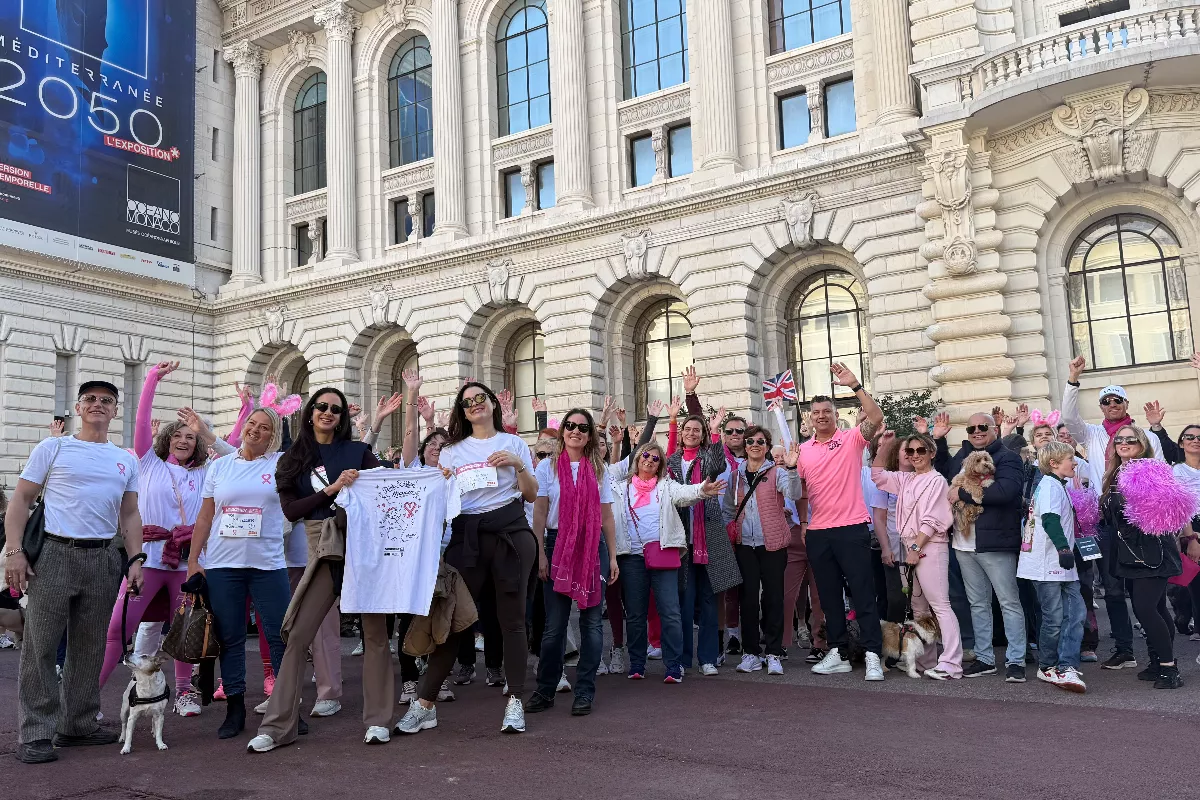
Hundreds of people took to the streets of Monaco on Sunday for the 15th edition of the Pink Ribbon Monaco Walk, joining the annual 5km route through Monaco in support of women’s cancer awareness and early detection.
Participants set off from Port Hercule and made their way up to the Rock, passing the Oceanographic Museum and pausing at the Prince’s Palace for the traditional picture, before circling back to the port.
The walk formed part of the broader Monaco Run event. However, unlike traditional timed races, participants did not carry numbered bibs for timing purposes. Instead, they used their race numbers to write personal messages including tributes to loved ones, words of encouragement, or the names of those they are walking for. Additionally, many taking part were themselves cancer patients or survivors, while others walked in memory of someone they have lost.
Speaking minutes before the start to Monaco Life, Natasha Frost-Savio, President and Founder of Pink Ribbon Monaco, described the motivations she sees year after year. “People come here, first of all, to support people they know with cancer. It’s also to show that they are supporting people to get checked earlier, because that saves lives. Early detection is a lifesaver in every sense.”
She also spoke about the emotional weight the event carries, even after 15 years. “Sometimes it gets really hard and you king of wonder, why am I doing this? Because it’s so much work. It’s emotional. You have people coming to tell you their stories about their breast cancer or their mother passing away.” But, she added, handing over funds raised to the hospital researchers makes it worthwhile. “It gives you energy to keep on going, because it has to be done.”
All proceeds from the walk go towards screening studies for lobular breast cancer at the Princess Grace Hospital Centre, supporting research led by Dr Florent Hugonnet.
Frost-Savio said the work is at a critical point. “He is doing groundbreaking research on the detection of lobular breast cancer using nuclear science, and we need to get to the next step of this study. So we need money right now. It’s really important because it can save thousands and thousands of lives around the world.”
When asked what the association needs most at this point, she was direct: “We need more money. We have medical research that desperately needs to be funded.”
Pink Ribbon Monaco was founded in 2011 by Natasha Frost-Savio, and operates under the Honorary Presidency of Princess Charlene of Monaco.
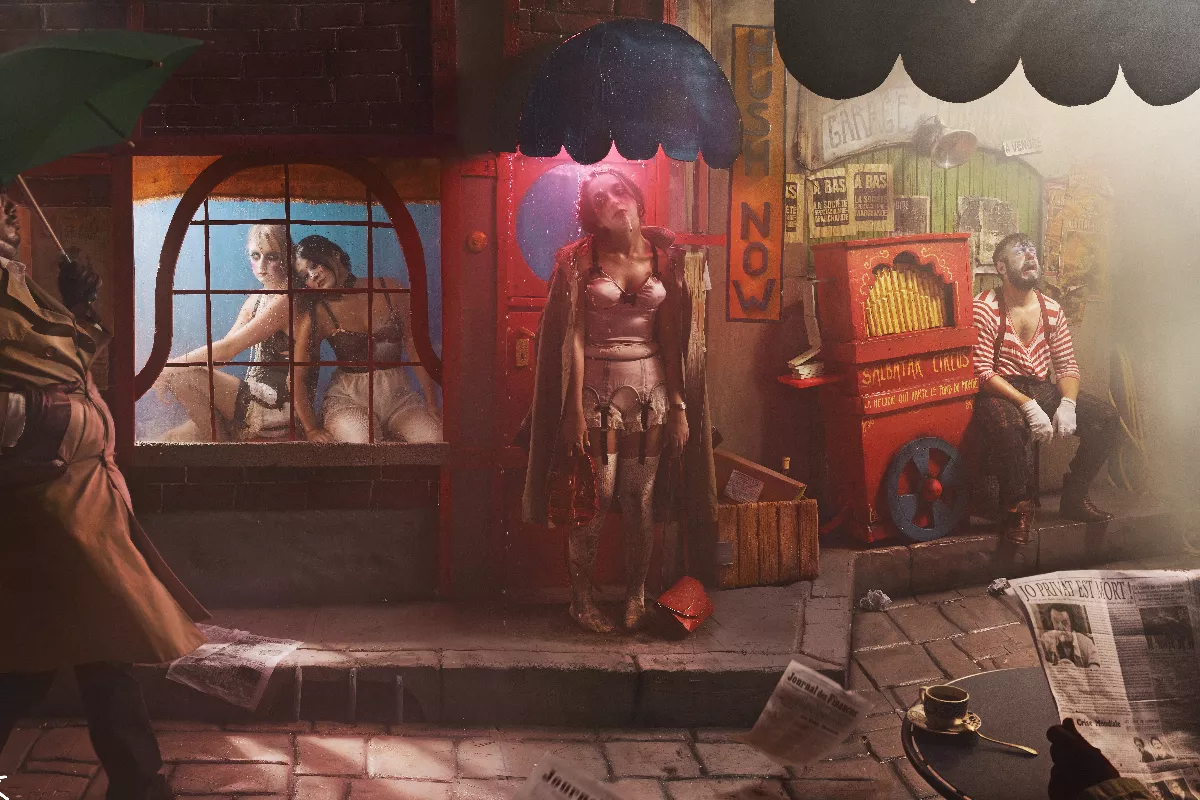
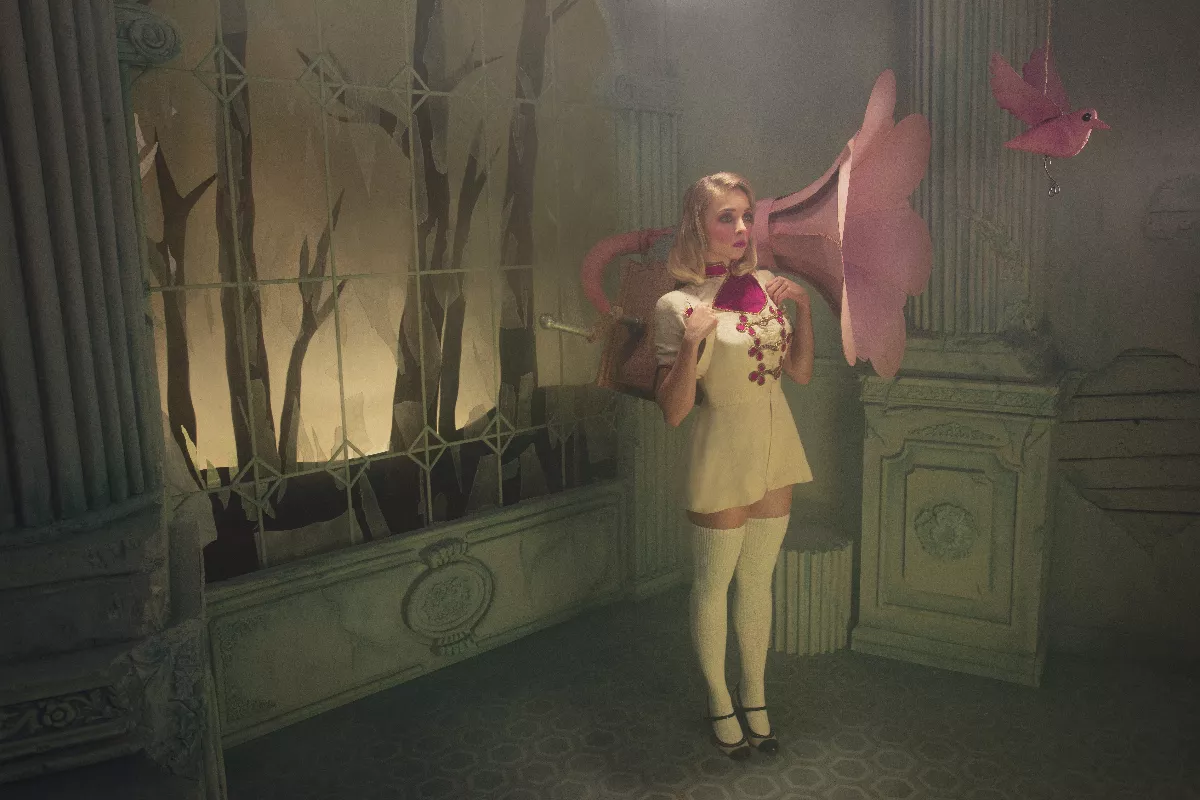
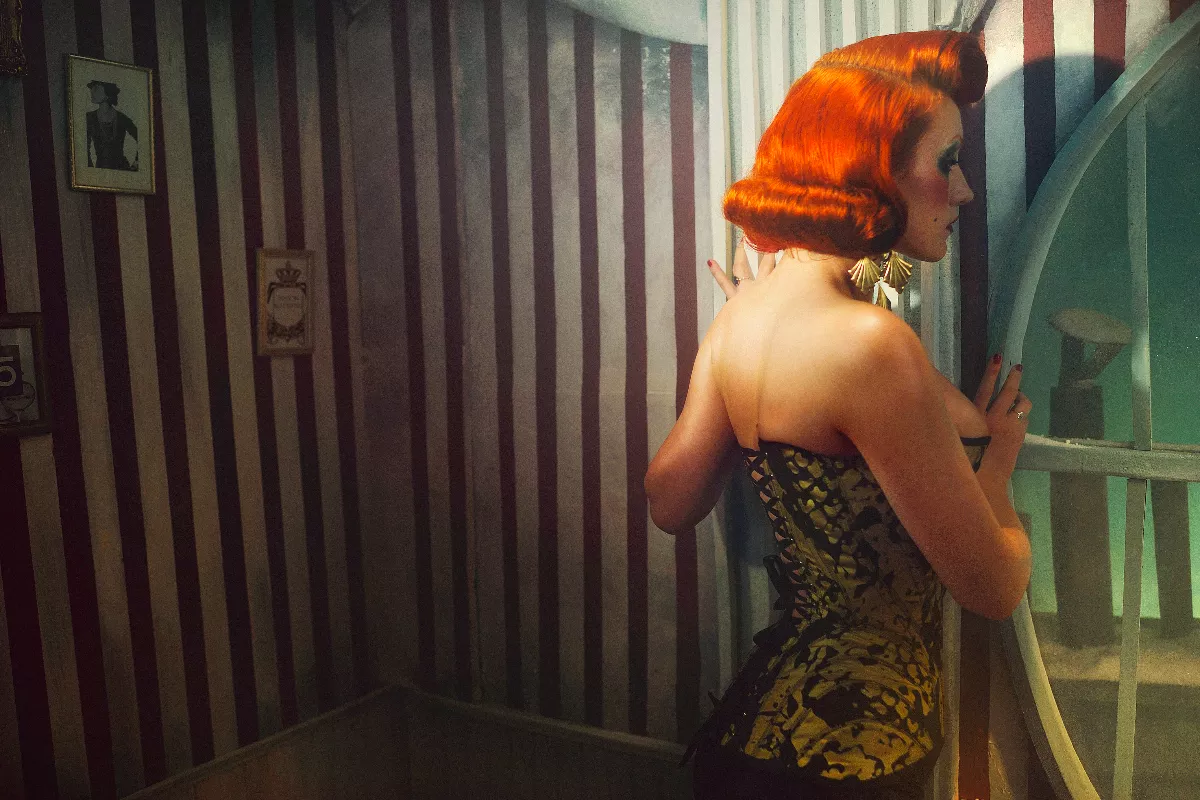
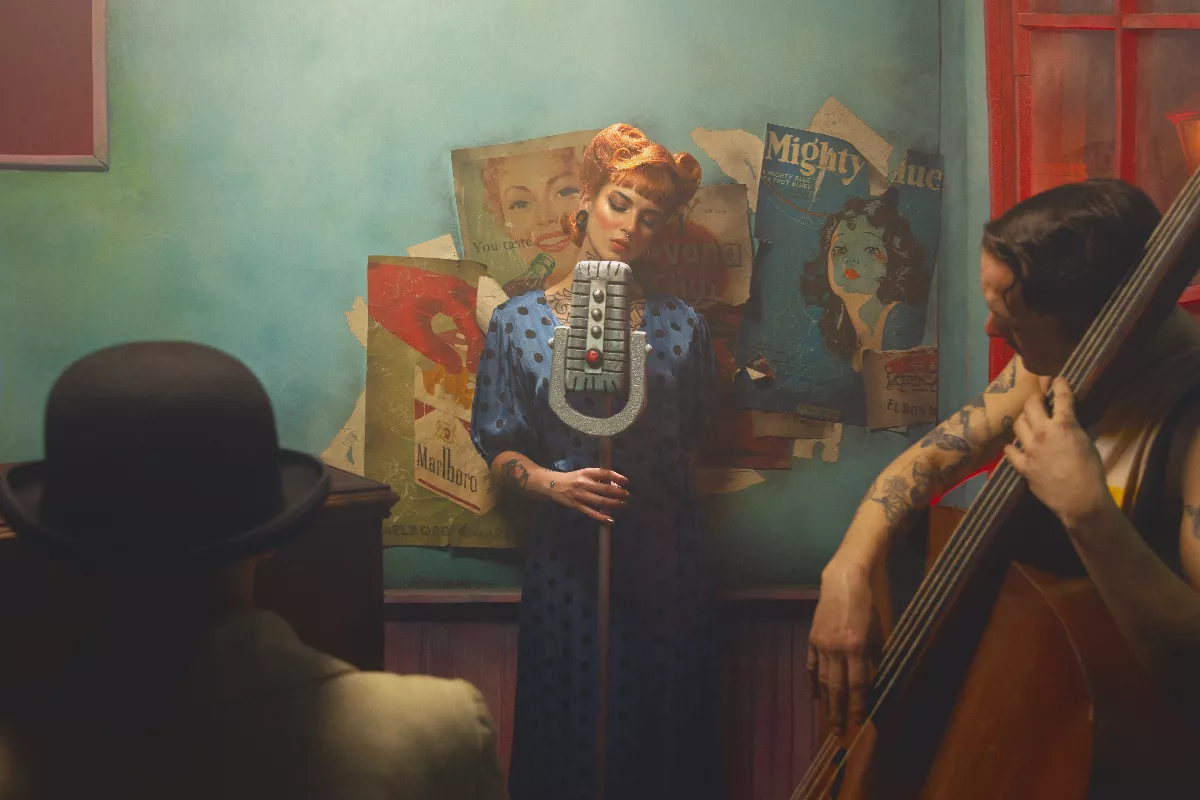
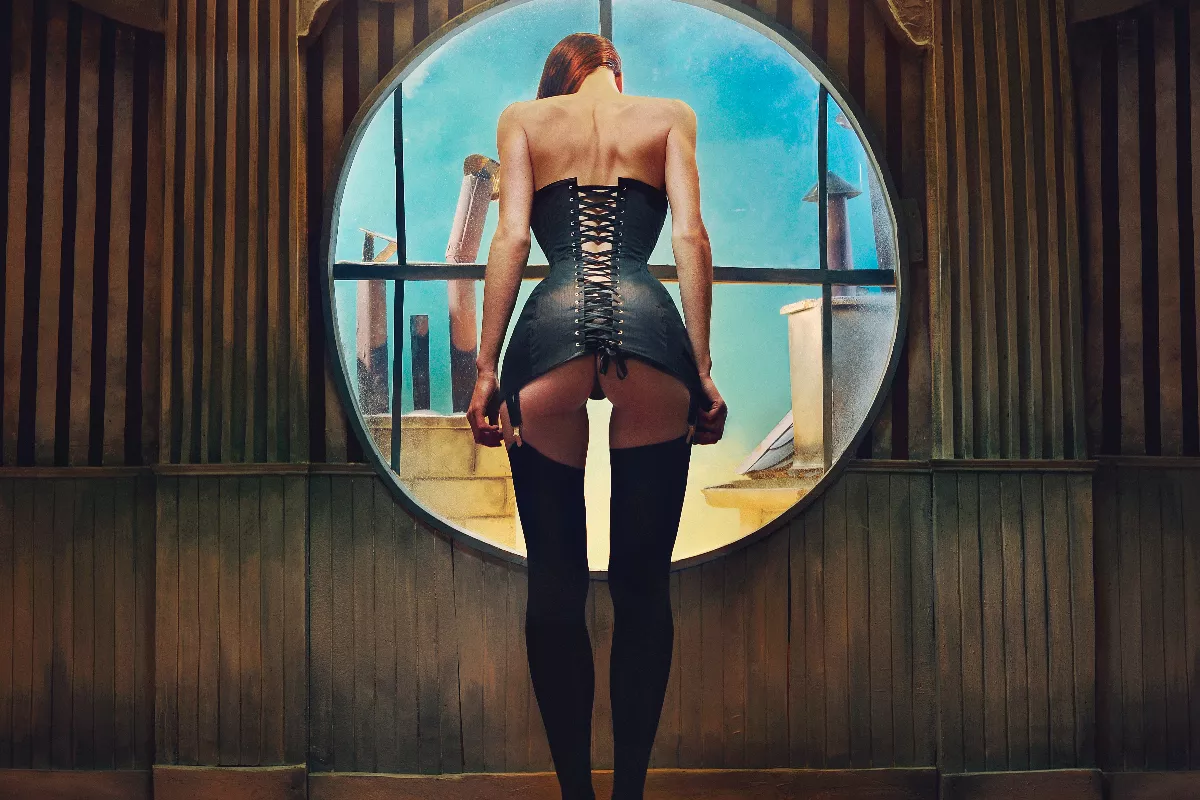
Sébastien Salamand, known as Le Turk, is showing his photography exhibition Burlesque at the Quai des Artistes in Monaco until April 11th.
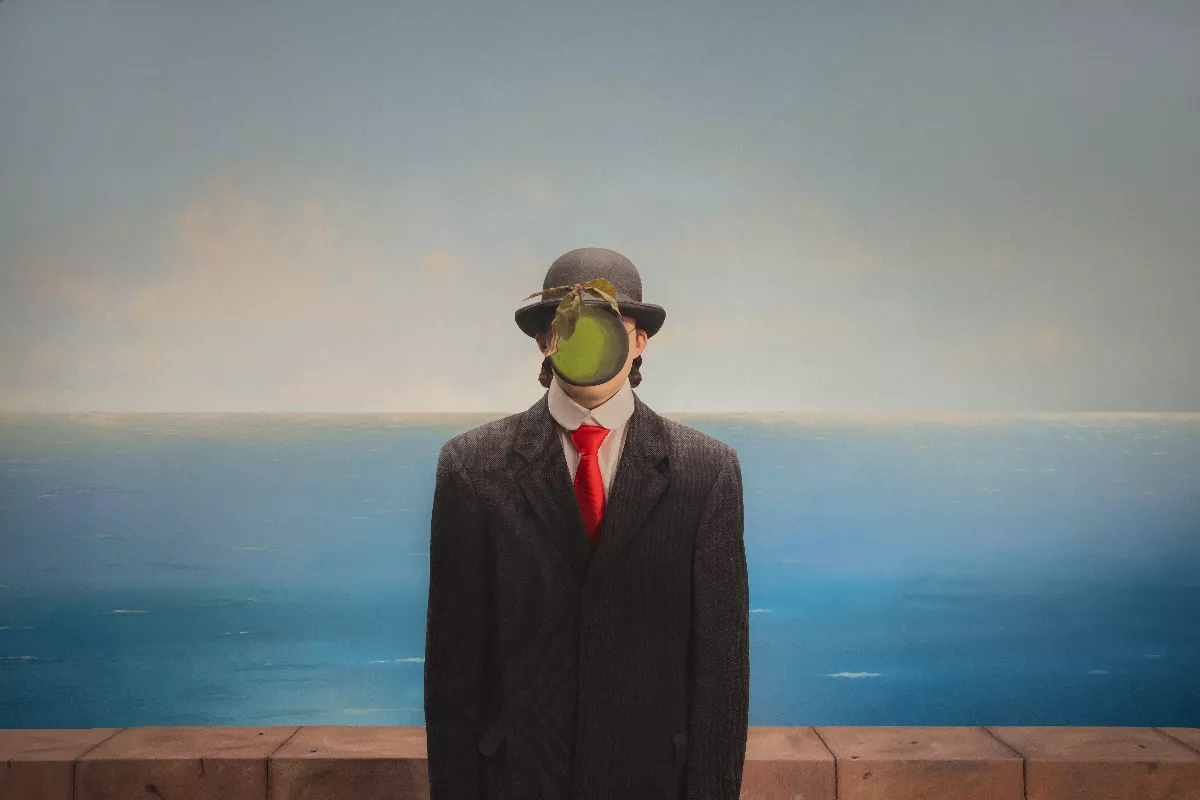
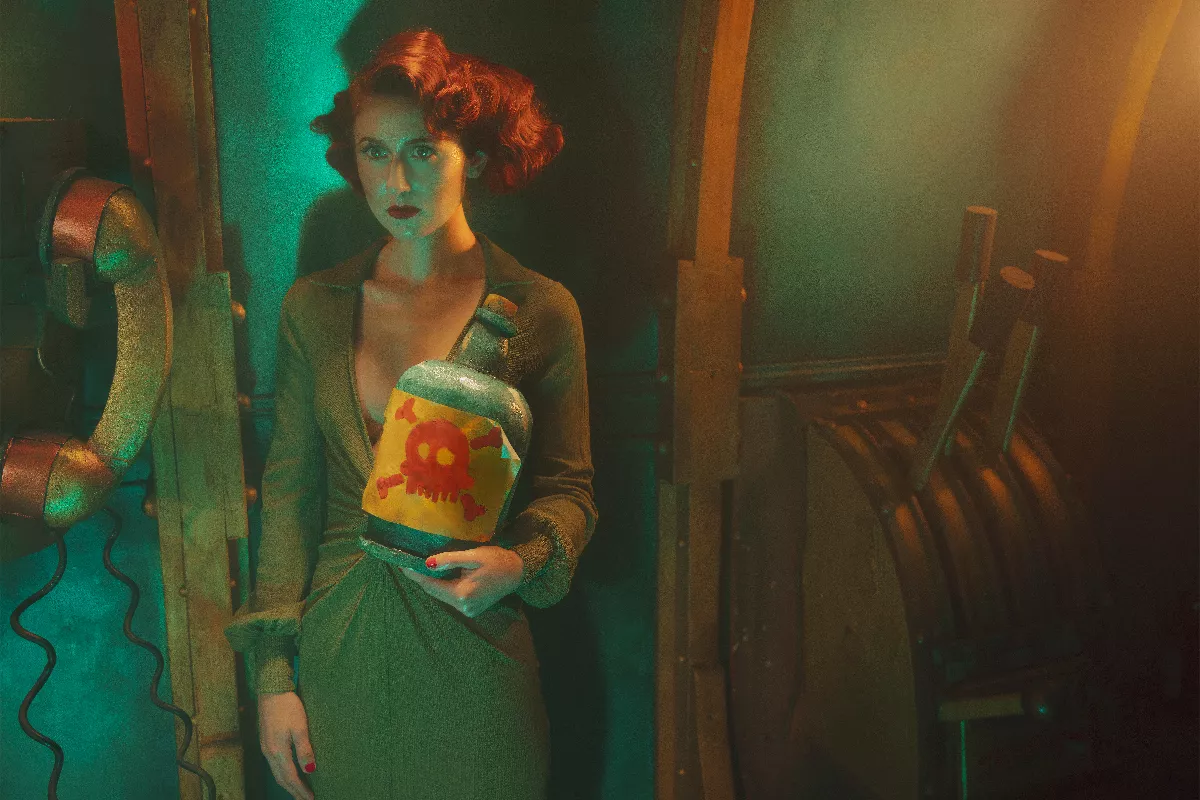
Le Turk is a photographer, but the title barely covers it. He designs and builds every set himself, sometimes over several weeks, using wood, polystyrene, cardboard and a mix of natural and artificial lighting. His models are worked on by make-up artists for hours before a single frame is shot. The results are images rich in colour and are highly theatrical, with a slight melancholy to them, placed somewhere between a 19th century painting and a scene from a film.
“A photograph, for me, is an extract from a one-hour film of which you only see half a second,” he told Monaco Life. “I want people to feel like they’ve walked into a cinema, seen an image, and closed the door, and then have to imagine what came before and after. You play more with what’s hidden and unsaid than with actual clues. The whole story is the one that the viewer constructs in their own head.”
Ten days to build a submarine
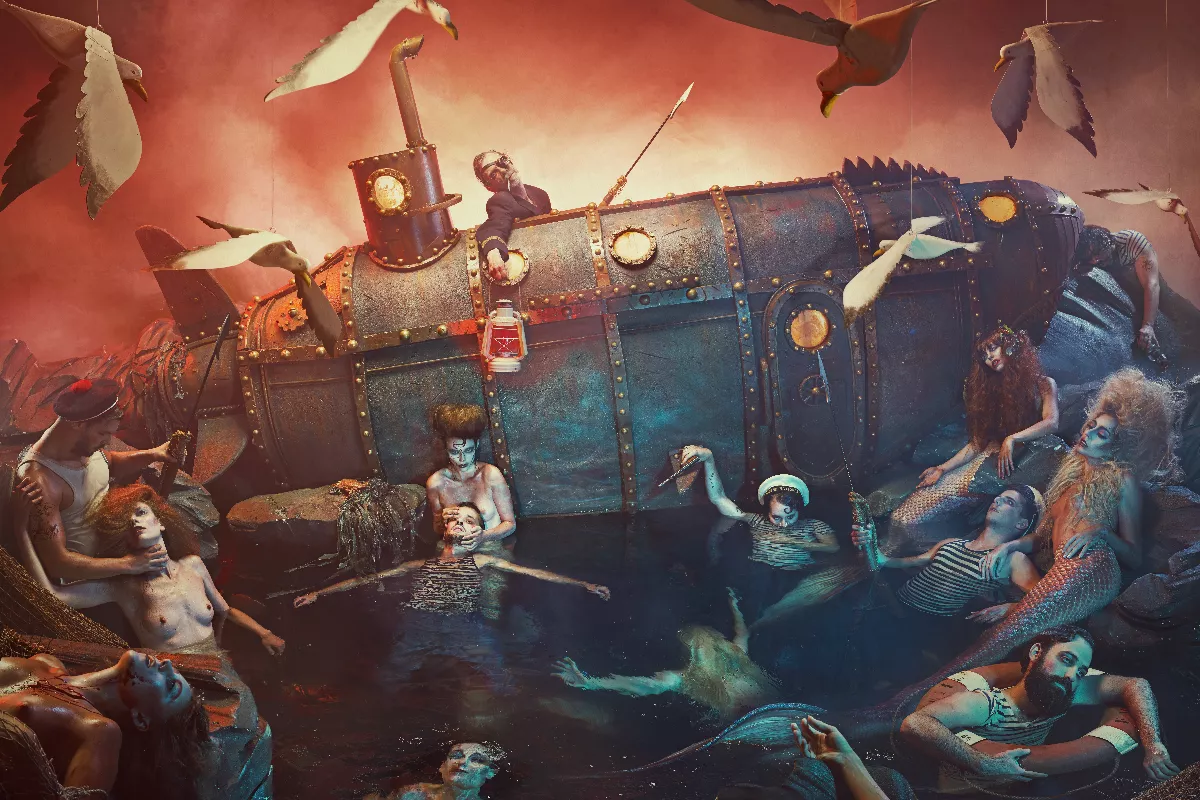
One of the key works in the show is ‘Le Tombeau des Sirènes – The Tomb of the Sirens’, part of a series called ‘La Chute des Empires – The Fall of Empires’. Each image in the series is set in the period between 1870 and 1914, a world in the midst of change and beginning to fracture. This piece depicts a stranded submarine entangled in a reinterpretation of ancient sailor and siren mythology.
Le Tombeau des Sirènes, photo provided
It took ten days to build the submarine out of polystyrene at a friend’s studio in Paris, Zazou Studio, in the 20th arrondissement, where it still hangs today.
The shoot itself lasted a single day. Friends, non-models and Le Turk himself all ended up in the frame. In fact, one of his make-up artists played the sailor with the rubber ring because, as Le Turk puts it, “he had a real period sailor’s face.” Le Turk can be spotted at the top of the submarine, apparently sleeping off a whisky.
Up close, one can still see the wires holding up the cardboard seagulls, which is entirely intentional. “I like this image because it looks grand and romantic, but when you get close, you see the artifice. For me it sits right between the real and the fake, the comic and the tragic.”
Throughout his work, women feature heavily with varied identities and no interest in social media ideals of beauty. Meanwhile, male figures tend to appear as sad clowns or lost sailors, their vulnerability on full display.
Burlesque is on show now at the Quai des Artistes in Monaco and until April 11th.
The countdown is on to the Michelin Guide France & Monaco ceremony in Monaco on 16th March, and last week Michelin whetted appetites by revealing its 2026 Bib Gourmand selection. Two restaurants on the French Riviera have earned the coveted distinction, which recognises quality dining at accessible prices.
The Bib Gourmand rewards establishments that maintain high-quality cooking with genuine attention to products and execution while keeping prices reasonable. This year’s French selection includes 75 new addresses, bringing the total to 430 accessible restaurants across the country.
Café des Musiciens, Nice
Australian chef Christopher Edwards, who came from Paris, runs Café des Musiciens in Nice’s Musiciens quarter. The restaurant offers a short menu dictated by market availability, featuring dishes such as autumn terrine with figs, Niçoise tripes, and Périgord sausages with fregola sarda.
Edwards’ partner Charlotte manages the dining room and oversees a well-curated natural wine selection. Served in a simple setting, writes the Michelin Guide, lunch offers exceptional value while dinner provides more ambitious fare at still-reasonable prices.
L’Orangerie, Menton
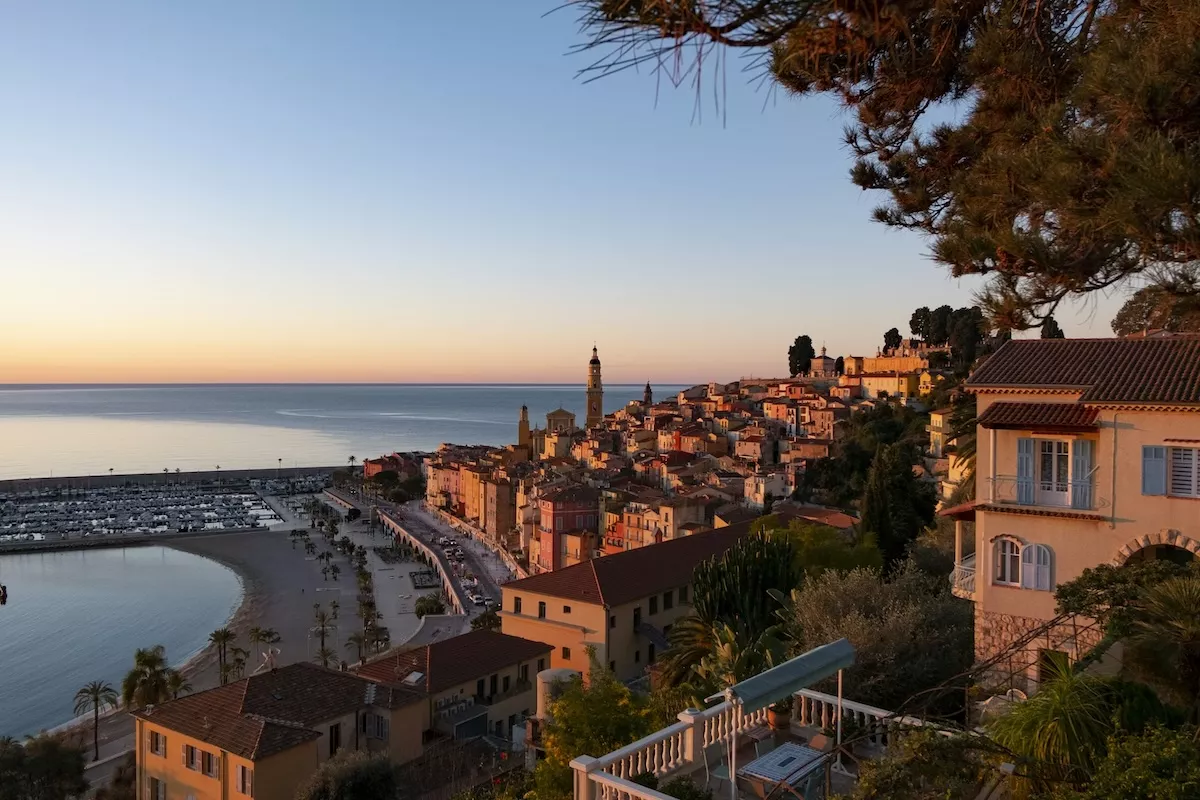
This discreet restaurant in central Menton delivers what Michelin calls “a culinary gem”. Run by a Japanese chef who previously worked as right-hand to Bruno Cirino at Café de la Fontaine, L’Orangerie presents addictive Mediterranean cuisine combining local short-circuit produce with well-judged Japanese touches.
Ultra-fresh products, precise cooking and balanced seasoning define the menu, which includes artichoke hearts à la barigoule with cured ham chips, salmon tataki with marinated vegetables, and sirloin with yuzu kosho. The veranda terrace overlooks a pedestrian street.
National trends
The 2026 Bib Gourmand selection highlights accessible gastronomy’s vitality across France. Four regions show particular dynamism: Auvergne-Rhône-Alpes, Occitanie, Nouvelle-Aquitaine and Île-de-France, with Paris and surrounding areas adding 12 new addresses.
Diverse culinary styles feature throughout, from bistros serving French classics to Japanese, Korean and Indian flavours. In smaller towns, inns and bistros are being revived as gathering places, energising local economies and rebuilding social connections.
The complete Michelin Guide France & Monaco, including star awards, will be revealed at the ceremony in Monaco on 16th March.
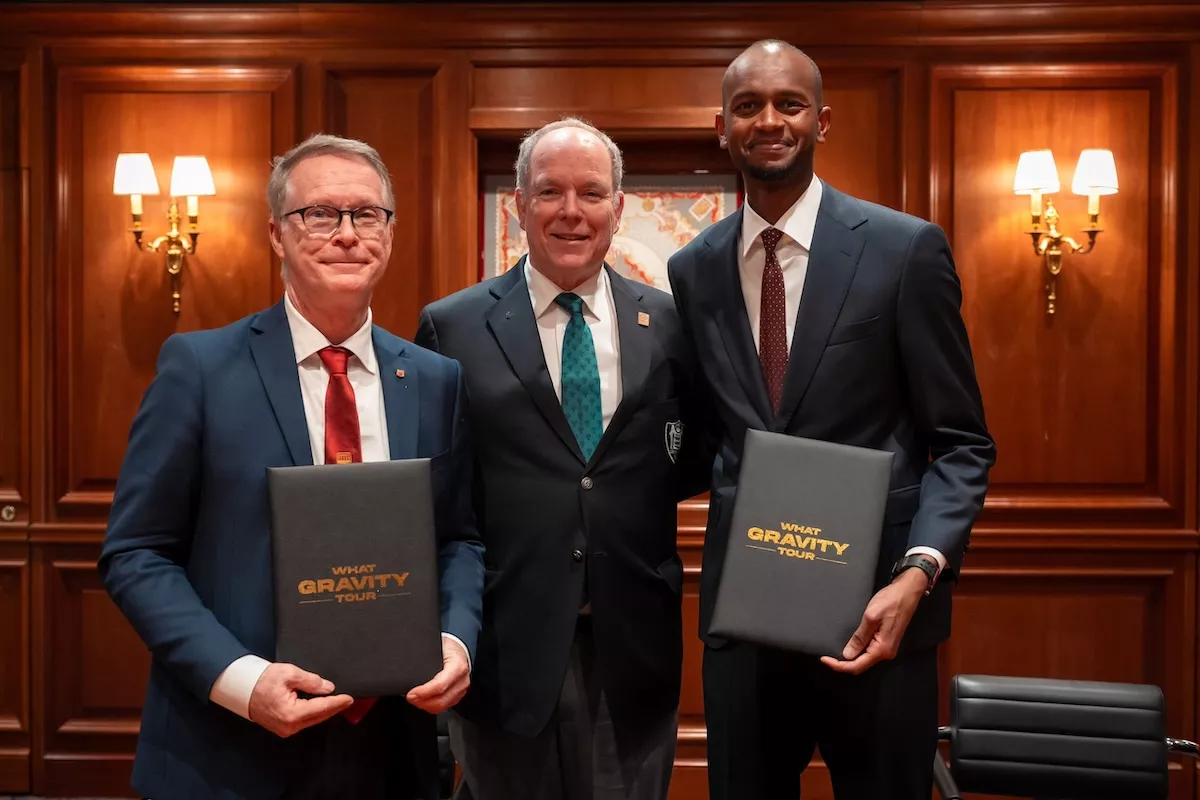
Prince Albert II and Olympic champion Mutaz Barshim have announced the creation of the Monaco Athletics Festival, a new athletics event that will bring elite high jump competition to the waterfront on 5th August.
The festival will serve as the Monaco leg of the What Gravity Tour, an international series founded by the three-time world champion and Olympic gold medallist to showcase the high jump discipline in iconic locations around the world.
From Doha to global tour
Barshim launched the What Gravity Challenge in Doha in 2024, named after his distinctive jumping technique that creates an impression of weightlessness. The event aimed to give greater visibility to high jump while bringing athletes closer to the public.
The Qatari athlete expanded the concept in 2025, transforming it into the What Gravity Tour, a league-format competition that connects historic high jump meetings across multiple international destinations. Athletes accumulate points throughout the season across various stops on the circuit.
Urban athletics returns to Monaco
The creation of the Monaco Athletics Festival follows discussions between Barshim and the Monegasque Athletics Federation during the tour’s European stage. The event will take place at 6:00 pm on Quai Albert Ier, drawing on the Federation’s experience in organising out-of-stadium competitions.
“Monaco represents excellence, heritage, and global sporting prestige. The launch of the Monaco Athletics Festival and its integration into the What Gravity Tour mark an important step in our vision to build a truly international platform for high jump,” Mutaz Barshim said. “Our goal is to elevate the discipline, bring it closer to the public, and give athletes the opportunity to compete in some of the world’s most iconic settings.”
The Federation previously exported disciplines from the Herculis EBS Meeting to Port Hercule in 2018 and 2019, and aims to further develop urban athletics events that offer settings for both athletes and spectators.
“We are delighted to partner with Mutaz, a great champion with a particularly clear and forward-looking vision for his sport and its development,” Rodolphe Berlin, Vice President of the Monegasque Athletics Federation, said. “His project fully aligns with the ambitions of our Federation and with our desire to build new connections between the public and elite-level athletics. We hope to establish this event as a lasting fixture on the Monegasque sporting calendar and, as high jump is a particularly spectacular discipline, to make the Monaco Athletics Festival a major popular celebration of our sport.”
The first edition has the support of the Prince’s Government and Monaco Mairie.