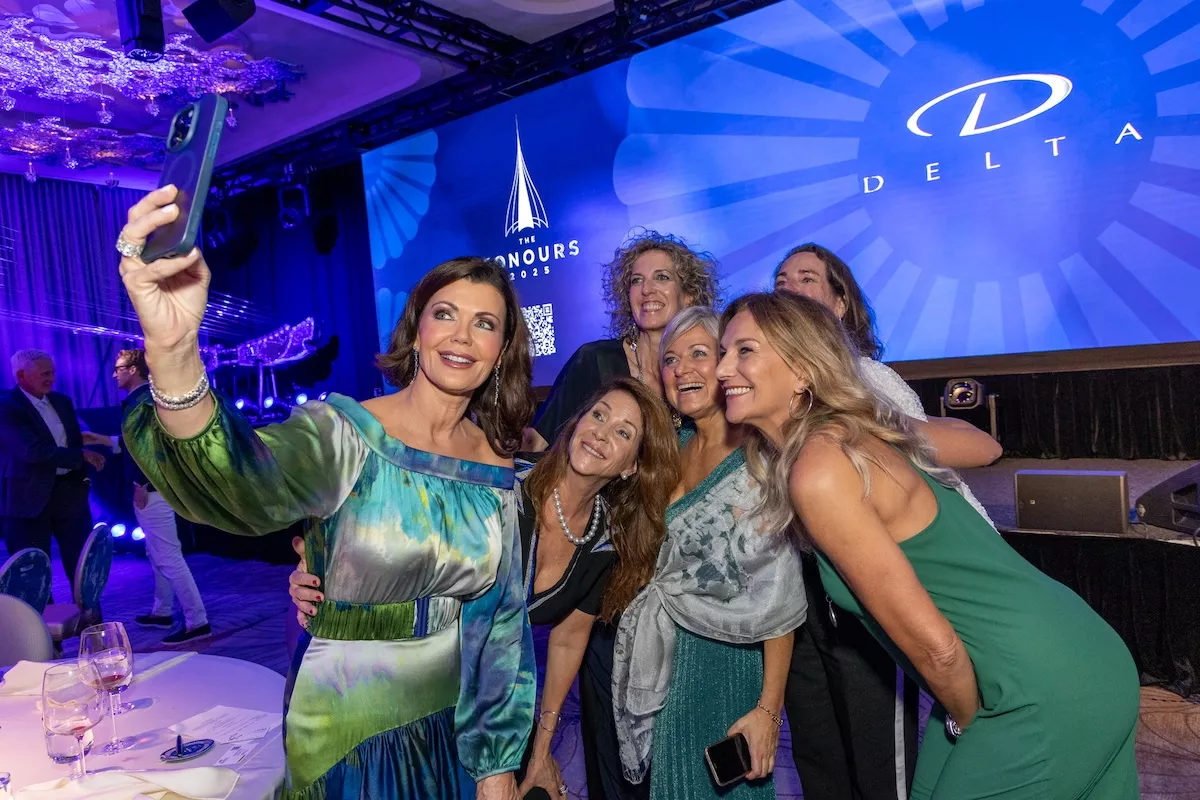

The Superyacht Life Foundation has opened nominations for the 2026 edition of The Honours, its annual programme recognising individuals making a meaningful impact within and beyond the superyachting world.
Now in its fourth year, The Honours has built a reputation for shining a light on the people whose work often goes unrecognised — from ocean conservation advocates and philanthropic founders to mentors, researchers and champions of diversity within the industry. Previous editions have celebrated an intentionally broad cross-section of the community, reflecting the Foundation’s ambition to change the way superyachting is perceived by the wider world.
Nominations are open to anyone connected to the industry — crew, captains, designers, engineers, scientists and beyond — with recognition available for charitable work, environmental leadership, education, mentorship or any initiative with a demonstrable positive impact.
“The Honours is about giving these exceptional people a voice and showing the world the incredible impact they are making,” said Dilan Saraç, Executive Director of the Superyacht Life Foundation. “We encourage the entire community to come forward and nominate the people who inspire them.”
All submissions will be reviewed by an independent panel drawn from both inside and outside the industry, with three honourees selected and announced at a later date.
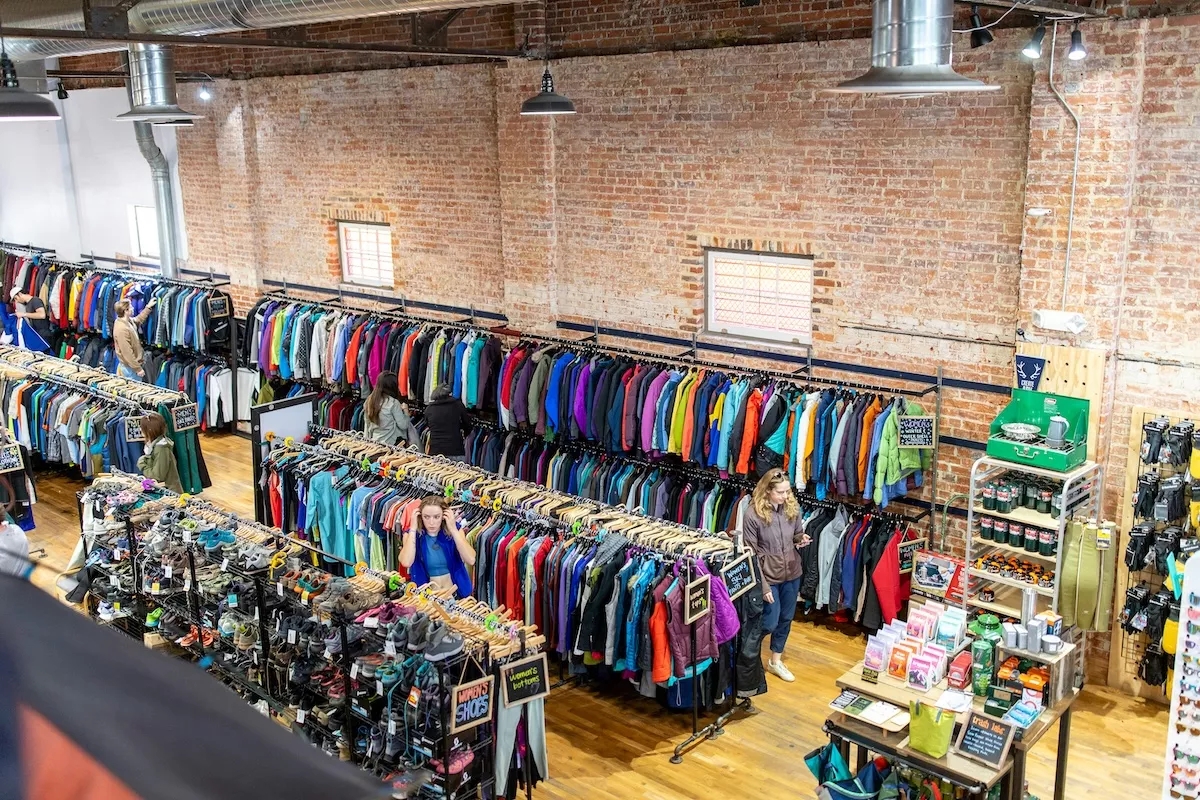
From this July, large fashion brands will no longer be able to destroy unsold clothing and footwear in the European Union. The practice — long an open secret in the industry — will become illegal for large companies from 19th July 2026, under rules adopted by the European Commission earlier this month.
The numbers behind the ban are striking. Somewhere between four and nine percent of all clothing placed on the EU market is destroyed before anyone ever wears it. That translates to around 5.6 million tons of CO2 emissions every year — produced not by making clothes, but by getting rid of them.
The new rules are simple in principle: instead of burning or binning excess stock and customer returns, companies must find another use for them. Resale, donation, reuse, remanufacturing or recycling are all acceptable. Destruction is not.
Who has to comply and when
Large companies face the ban first, from 19th July this year. Medium-sized businesses have until 2030. The rules apply to any brand selling into the EU market, regardless of where the company or its products are based — meaning global giants cannot sidestep the legislation simply by manufacturing or operating outside Europe.
From February 2027, large companies will also be required to report annually on how much unsold stock they destroyed, why, and what steps they are taking to prevent it in future. Micro and small enterprises are exempt.
The bigger picture
The ban is part of the EU’s broader Ecodesign for Sustainable Products Regulation, which came into force in 2024 and is gradually extending sustainability requirements across almost every category of physical goods sold in Europe. One of its central features is a Digital Product Passport — a structured record of a product’s materials, origins, recyclability and environmental footprint that will eventually accompany goods throughout their lifecycle.
For fashion brands, the practical implications go well beyond what happens to unsold stock. Inventory forecasting, returns management and sustainability reporting will all need to adapt. The era of treating destruction as a convenient solution to overproduction is, at least within the EU, coming to an end.
The United States ambassador to France and Monaco has been barred from direct access to French government ministers after failing to attend a summons to the foreign ministry — the second time he has stood up French officials since taking the post.
Charles Kushner, a billionaire real-estate developer appointed to the Paris embassy by President Donald Trump, was called in by foreign minister Jean-Noël Barrot after the US embassy reposted State Department comments linking the death of a French far-right activist to what it called a rise in “violent radical leftism”. Kushner cited personal commitments and sent a senior embassy official in his place.
“In light of this apparent failure to grasp the basic requirements of the ambassadorial mission, the minister has requested that he no longer be allowed direct access to members of the French government,” the French foreign ministry responded in a statement. The ministry added that Kushner could continue to have exchanges with foreign ministry officials to manage what it described as the “irritants that can inevitably arise in a friendship spanning 250 years.”
A pattern of absences
It was not the first time Kushner had declined a ministry meeting. He also failed to appear in August after publishing an open letter to President Emmanuel Macron criticising what he described as insufficient government action on antisemitism in France.
Kushner, 71, is the father of Jared Kushner, who is married to Ivanka Trump – the oldest daughter of President Donald Trump. He was appointed ambassador despite a criminal record that includes a 2005 guilty plea to 16 counts of tax evasion, making false statements and witness tampering. He served 14 months in prison before being pardoned by Trump in 2020, and subsequently donated $1 million to Trump’s Make America Great Again Super PAC.
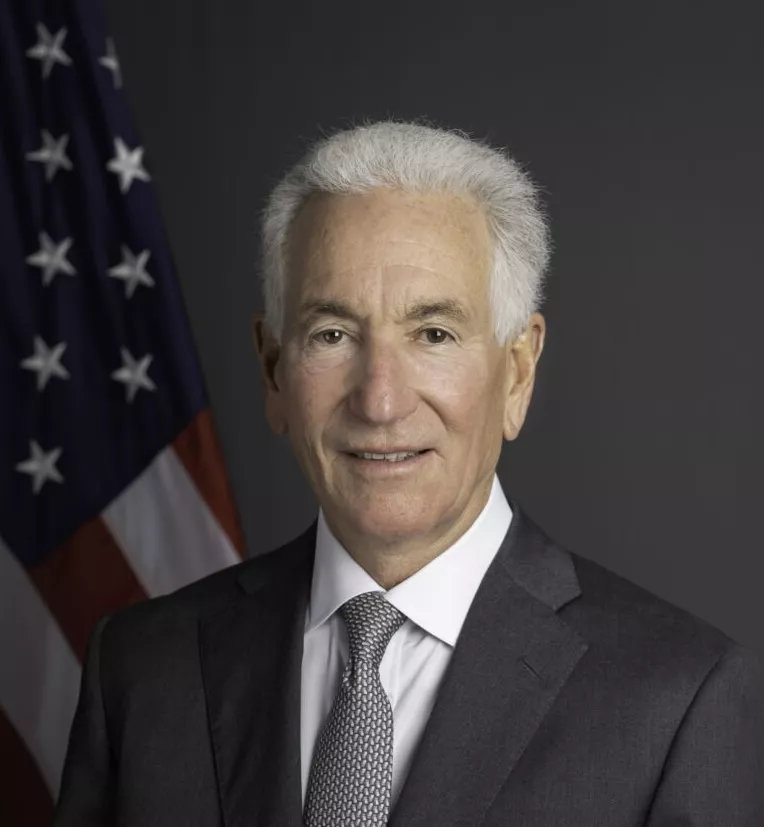
Official US Government photo of America’s Ambassador to France and Monaco Charles Kushner
The case at the centre of the row
The diplomatic friction centres on the death of Quentin Deranque, a 23-year-old far-right activist who died from head injuries sustained during clashes between far-right and radical left supporters on the sidelines of a protest in Lyon on 12th February. Six men have been charged in connection with his death, and a parliamentary assistant to a France Unbowed MP has been charged with complicity.
The US State Department’s Bureau of Counterterrorism said it was monitoring the case and called for perpetrators to be brought to justice, framing the incident within what it described as a broader threat from violent radical leftism. The embassy’s decision to post a French translation of those comments prompted the French summons.
Barrot on Sunday rejected any attempt to exploit the killing for political purposes. “We reject any instrumentalisation of this tragedy for political ends,” he said, adding that France had “no lessons to learn, particularly on the issue of violence, from the international reactionary movement.”
The case has also caused friction between France and Italy, after Prime Minister Giorgia Meloni described Deranque’s death as “a wound for all of Europe” — a comment Macron criticised as interference in French domestic affairs.