Monaco accredits five new ambassadors at second HĂ´tel Hermitage lunch in a week

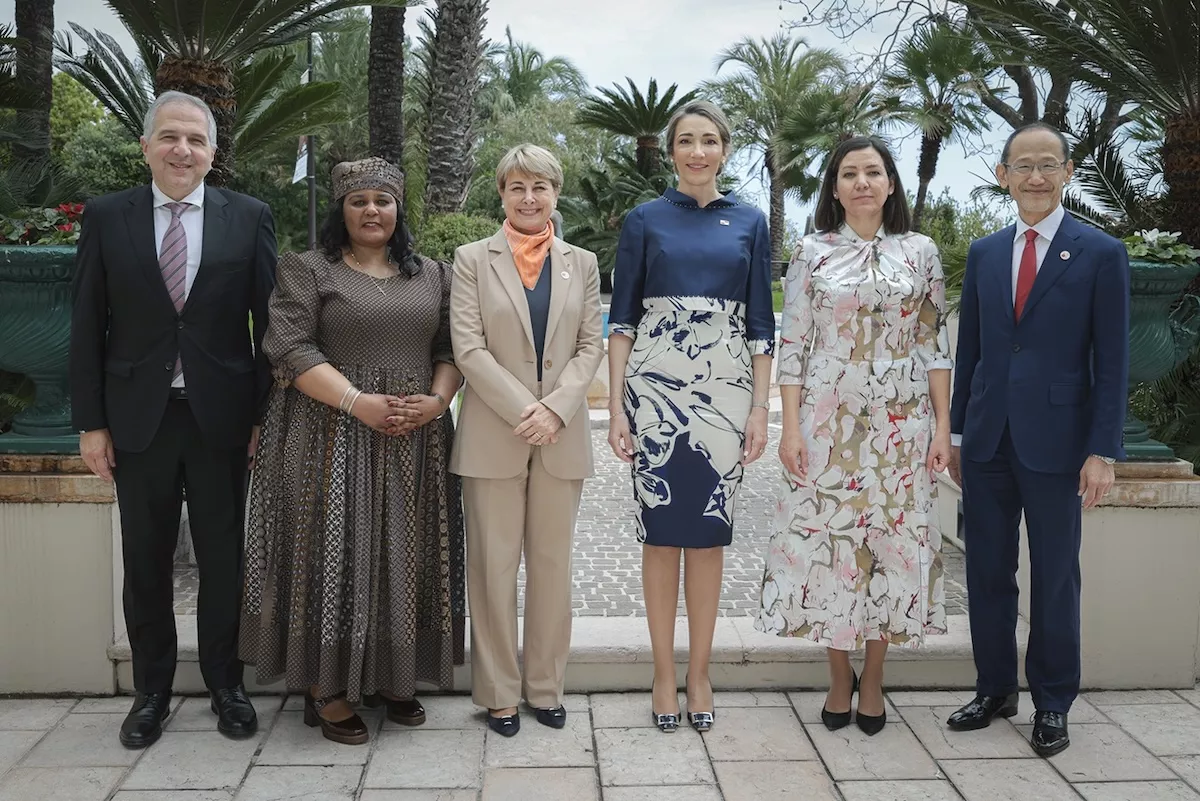
Monaco’s Minister of External Relations and Cooperation, Isabelle Berro-AmadeĂŻ, received five newly accredited ambassadors on Tuesday 7 April at a lunch held at the HĂ´tel Hermitage Monte-Carlo — the second such ceremony in less than a week, following a similar gathering on 2 April.

The five diplomats represented Japan, Lesotho, Georgia, Montenegro and Panama: Suzuki Hideo, Ambassador of Japan; Mafelile Christina Molala, Ambassador of Lesotho; Irakli Kurashvili, Ambassador of Georgia; Dubravka Lalović, Ambassador of Montenegro; and Joanna Villarreal Rodriguez, Ambassador of Panama.

The meeting was also attended by the Honorary Consul General of Japan, the Honorary Consuls of Georgia and Montenegro, and representatives from the Cellule Attractivité and the Monaco Economic Board.

Discussions covered the various aspects of the friendship and cooperation ties Monaco maintains with each of the five countries.

Stay updated with Monaco Life: sign up for our free newsletter, catch our podcast on Spotify, and follow us across Facebook,  Instagram, LinkedIn, and Tik Tok.

Photo credit: Stephane Danna, Government Communications Department 


Monaco’s most pampered residents finally get their own social club

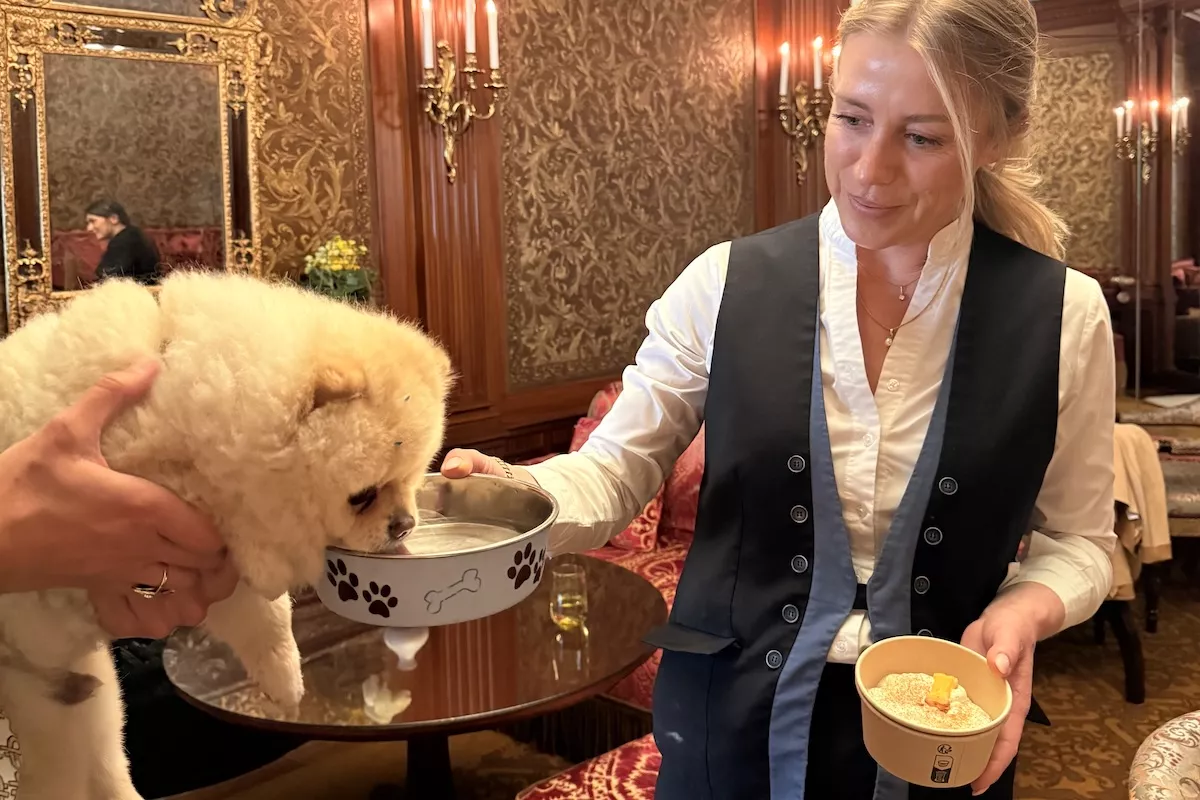
Dogs have long been a fixture of Monaco life — spotted in the arms of residents along the port, dining alfresco at terraces, riding the lift in immaculate apartment buildings — but until now, nobody has thought to give them their own club. Onelifestyle, the Monaco-based bespoke lifestyle agency, is changing that with the launch of The Dog Social Club, a new concept dedicated to dogs and their owners in the Principality.

The idea, as co-founder Ornella Petrosino puts it, was fairly straightforward. “We have a lot of demands for our clients’ dogs, so we felt that they too should enjoy some dedicated experiences.” Monaco has no shortage of clubs, social events and curated experiences for its human residents — The Dog Social Club simply extends that logic to the four-legged members of the household.

The launch

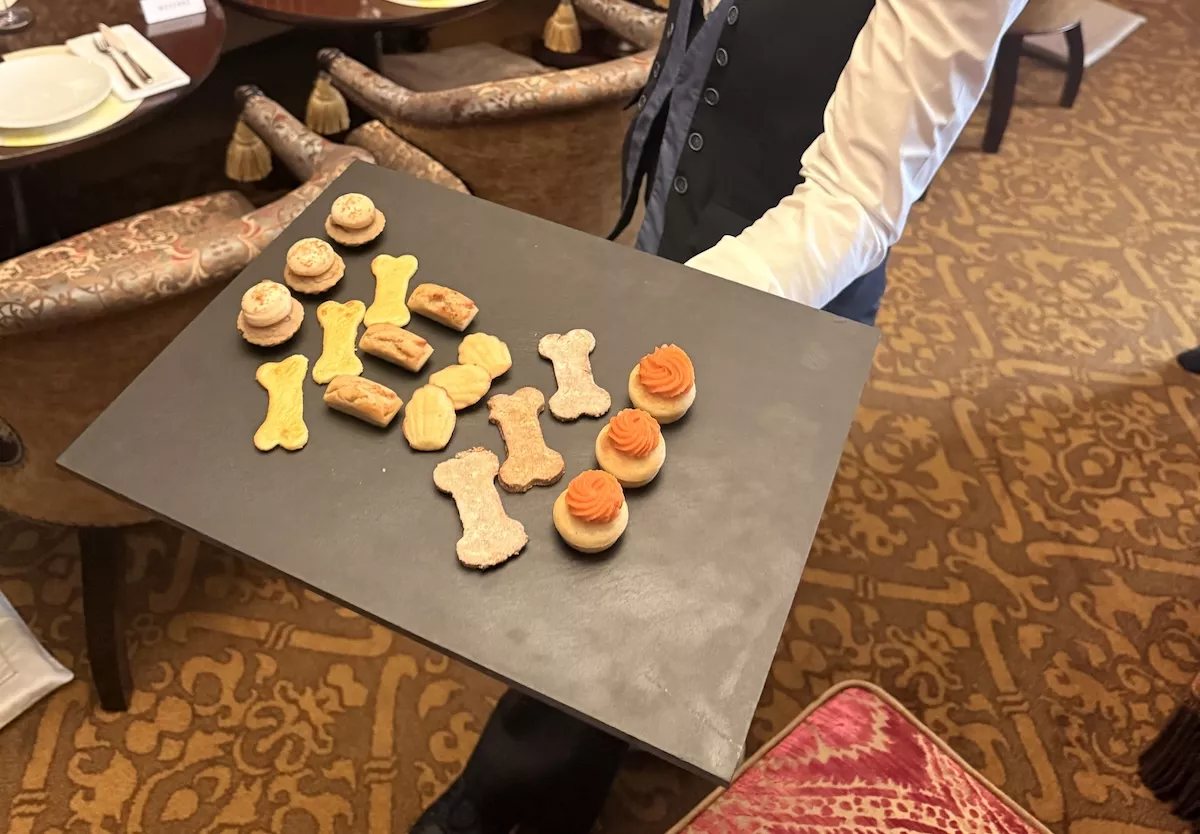
The inaugural gathering took place on 7th April at the Hôtel Métropole Monte-Carlo, a venue chosen in part because it is simultaneously unveiling MetroPaw — a new healthy menu designed specifically for dogs. The timing is not a coincidence.

For its first edition, The Dog Social Club offered guests the presence of a Reiki specialist alongside the MetroPaw launch, blending wellness, lifestyle and socialising for both pets and their owners in one sitting.

Future events and membership details are available through Onelifestyle directly.

Stay updated with Monaco Life: sign up for our free newsletter, catch our podcast on Spotify, and follow us across Facebook,  Instagram, LinkedIn, and Tik Tok.

All photos provided by Onelifestyle


Monaco’s building boom explained: total floor space now larger than the country itself

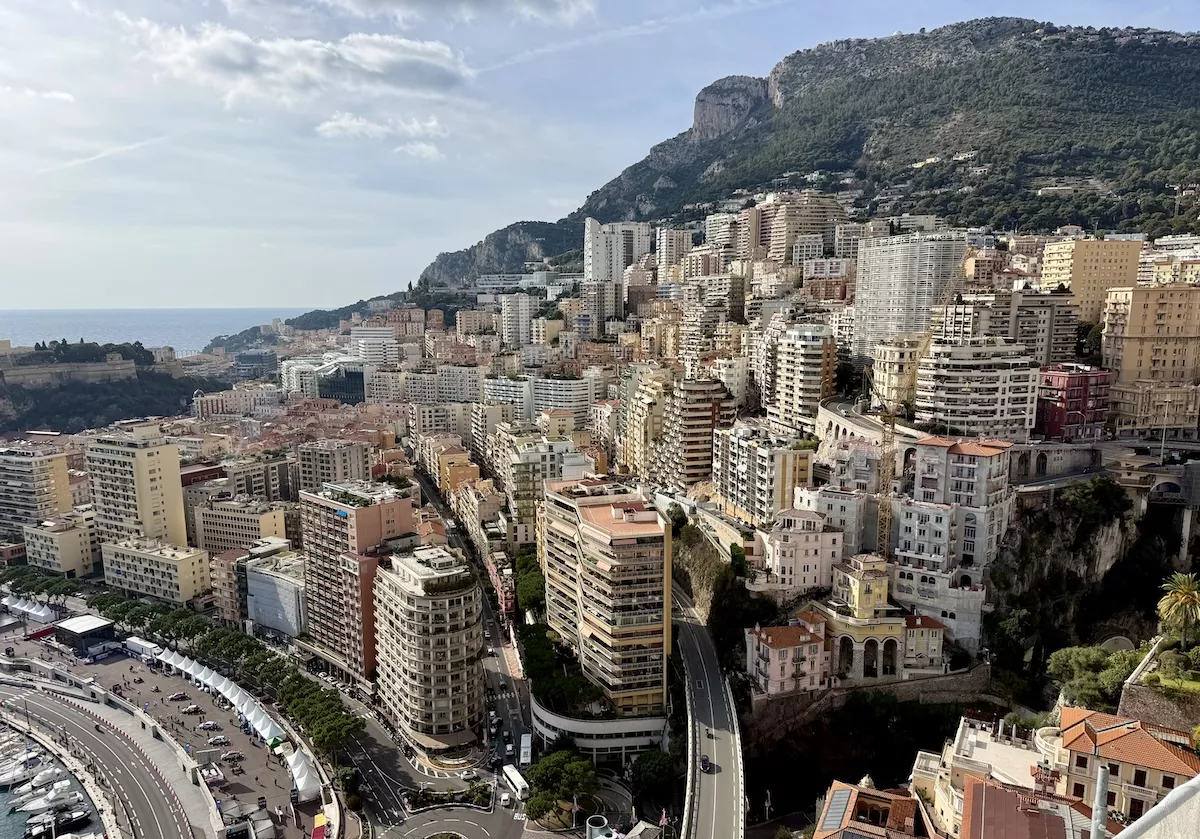
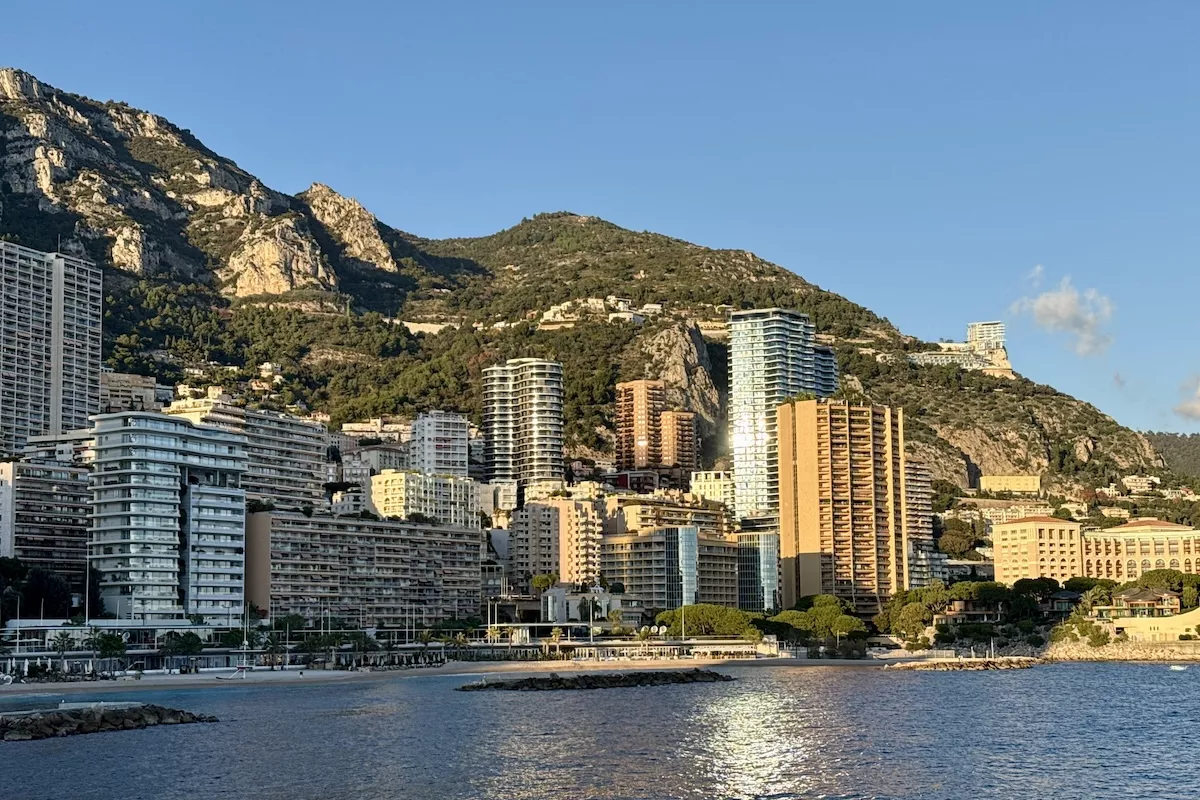
Monaco is, by almost any measure, an exercise in the extreme. At 2.08 square kilometres, it is the second smallest sovereign state in the world, after Vatican City, and the most densely populated. Yet within that sliver of Mediterranean coastline, the Principality has managed to construct a built environment of remarkable density — and the latest data from Monaco’s statistics office IMSEE puts precise numbers on just how much space has been carved out of so little land.

As of 31st December 2025, Monaco’s 1,473 buildings — including those under construction or authorised — contain a combined usable floor area of 3.4 million square metres. To put that in perspective: the total land area of the Principality is 2.08 million square metres. The built floor space already exceeds the entire surface of the country by more than 60%, a figure that speaks to Monaco’s extraordinary vertical density and its relentless upward ambition.

Of that 3.4 million square metres, housing accounts for 2.03 million — or just over 60% — the remainder occupied by commercial, office and other uses. More than 40% of the residential floor area is concentrated in just two districts: Monte-Carlo, with 453,500 m² of housing, and La Rousse, with 389,300 m².

Where people actually live

The district breakdown reveals the stark contrasts within Monaco’s eight neighbourhoods. Monte-Carlo dominates with 314 buildings and the largest housing footprint. Fontvieille, primarily an industrial and commercial district, has the greatest cumulative floor area of any district at 605,000 m² — but a comparatively modest residential share of 228,700 m², reflecting its mixed-use character.

At the other end of the scale, Monaco-Ville — the historic Rock, home to the Prince’s Palace — accounts for just 56,700 m² of residential space across 220 buildings, the smallest housing footprint in the Principality by some distance. Larvotto, despite its seafront cachet and some of the highest per-square-metre prices recorded anywhere in Monaco, has only 57 buildings and 197,900 m² of housing — though that is set to shift as recently completed developments including Jardins d’Eau and Le Renzo begin to register fully in IMSEE’s data.

The price of scarcity

The physical constraints of the Principality have a direct and well-documented effect on prices. The 2025 Real Estate Observatory, published by IMSEE in February 2026, records an overall price per square metre of €57,569 — historically elevated even by Monaco’s own standards, though marginally below the 2024 peak of €58,402. In the Larvotto district, prices have crossed €70,000 per square metre for the first time, driven by the arrival of new luxury developments on the resale market.

For properties built since 2020 — the decade that includes Mareterra, L’Exotique and Bay House (Testimonio 2) — the average price per square metre reaches €65,602, the highest of any construction era in the dataset. Even the oldest stock, buildings dating from before 1940, commands more than €42,000 per square metre. In Monaco, age is not much of a discount.

See also: 

Monaco real estate 2025: high-value flips, limited new supply and a revamped price index

Stay updated with Monaco Life: sign up for our free newsletter, catch our podcast on Spotify, and follow us across Facebook,  Instagram, LinkedIn, and Tik Tok.

Main photo credit: Cassandra Tanti 

 

Monaco’s population tops 38,000 as British residents cement fourth place in nationality rankings

Monaco’s population reached 38,857 residents in 2025, according to the latest census data published by IMSEE in March 2026 — an increase of 1.1% on the previous year, equivalent to 434 additional residents.

The Principality now draws residents from 144 different nationalities, with Monegasques remaining the largest single group at 24% of the population — 9,333 nationals in total. French residents follow at 21.3%, with Italians close behind at 19.5%.

British residents rank fourth, accounting for 7.9% of Monaco’s population — a significant share that underscores the Principality’s growing appeal as a destination for UK nationals seeking fiscal stability and security in an increasingly uncertain world. That figure places the British community well ahead of the Swiss (3.2%), Russians (3.1%), Belgians (2.7%) and Germans (2.5%).

Who is moving to Monaco

Among adults who established residency in Monaco between 2023 and 2025 and remained as of 31st December 2025, France accounts for the largest share of new arrivals at 30.6%, followed by the United Kingdom at 18.9% and Italy at 9.4%. The strong showing from British newcomers in particular reflects a pattern Monaco Life has tracked over recent years: post-Brexit tax and residency planning has made Monaco an increasingly attractive base for high-net-worth individuals from the UK.

The average age of new adult residents is 44.7 years — 46.1 for men and 43.3 for women — suggesting a population arriving in its prime earning and wealth-accumulation years.

A population getting slightly older

Monaco’s overall average age stands at 47.2 years, with men averaging 46.5 and women 47.7. The largest age cohort is the 50 to 64 bracket, accounting for 23.4% of residents, followed by the 65 to 79 group at 17.9%. Just over half of residents aged 18 and above — 50.6% — are married.

Women make up a slim majority of the population at 50.8%, or 19,730 residents, compared to 19,127 men.

Stay updated with Monaco Life: sign up for our free newsletter, catch our podcast on Spotify, and follow us across Facebook,  Instagram, LinkedIn, and Tik Tok.

Photo credit: Cassandra Tanti