

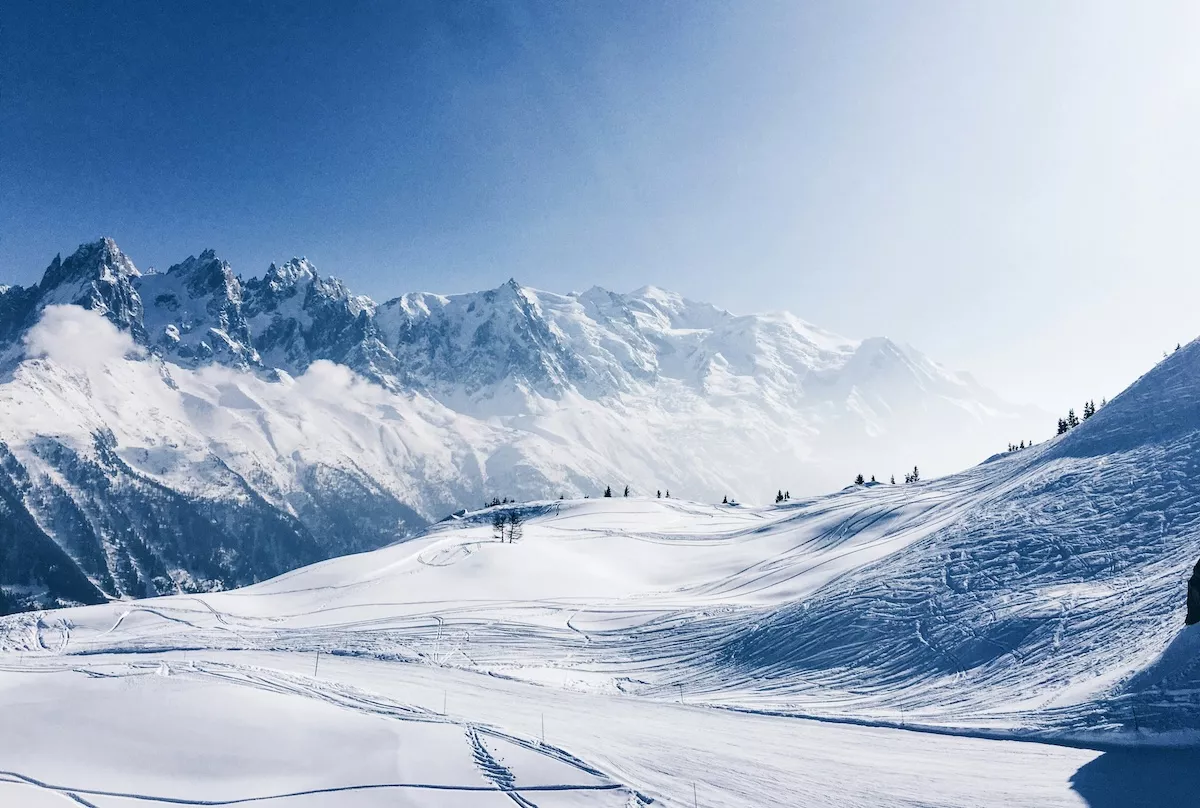
On Tuesday, a size D3 avalanche released above the Floria T-bar at the Flégère ski area in Chamonix, sweeping from steep off-piste terrain across multiple groomed runs below. Three skiers were caught and injured. It could easily have been worse — and across the Alps this winter, it frequently has been.
At least 115 people have died in avalanches across Europe since October 2025, the vast majority in the Alps — and the season is not over. According to the European Avalanche Warning Services, the toll is running well above historical averages in several countries. In the French Alps alone, 30 people have been killed since the first fatal accident of the winter on 26th December — more than three times the average of eight deaths typically recorded at this point in the season, according to France’s National Association for the Study of Snow and Avalanches. Italy and Switzerland are also recording death tolls significantly higher than normal.
So what is going on?
The conditions behind the carnage
The snowpack this winter has created near-perfect conditions for avalanche formation. After a prolonged dry spell in November, a persistent weak layer formed across large areas of the Alps. When two major storms moved through the region in recent weeks, depositing heavy new snowfall combined with strong winds, that weak layer became critically unstable. Old, weak snow buried beneath a heavy new load is one of the most dangerous avalanche scenarios that exists — and this winter has produced it repeatedly across the entire Alpine arc.
Whether the elevated death toll is purely a product of this year’s unusual snowpack, or whether a rise in backcountry and off-piste skiing during dangerous conditions is also a contributing factor, is difficult to say with certainty. What is clear is that several of this season’s most deadly incidents have involved skiers in terrain outside marked pistes.
View this post on Instagram
The incidents
On 13th February, four skiers were caught in an avalanche in the Manchet Valley near Val d’Isère. Three were killed. Two of the victims were skiing off-piste with a group led by an instructor when another skier triggered the slide from above. A storm the previous day had deposited 60 to 100 centimetres of fresh snow on the area, prompting France’s national weather service to issue a red alert for avalanche risk. All victims were reportedly equipped with avalanche safety gear.
Two days later, on 15th February, a massive slide swept through the Couloir Vesses in the upper Val Veny area near Courmayeur, Italy, close to the French and Swiss borders. Three skiers were caught. Two died at the scene and a third was taken to hospital but later succumbed to injuries.
On 16th February in Valais, Switzerland, an avalanche derailed a passenger train near the village of Goppenstein, injuring five people. An avalanche warning had been issued in the area that morning. The slide struck the tracks at the exit of the Lötschberg tunnel moments before the train passed. Passengers were stranded for around two hours before being evacuated.
View this post on Instagram
A reminder for anyone heading into the mountains
For people heading to nearby resorts in the French and Italian Alps, the message from avalanche specialists this season is unambiguous: check the avalanche bulletin before you ski, stay within marked pistes when risk levels are elevated, and ensure you are carrying — and know how to use — an avalanche transceiver, probe and shovel if venturing off-piste.
Stay updated with Monaco Life: sign up for our free newsletter, catch our podcast on Spotify, and follow us across Facebook, Instagram, LinkedIn, and Tik Tok.
Photo credit: Chris Biron, Unsplash