

You can look younger than your age and still age faster than you think. From VO₂ max and muscle strength to wrinkles, memory, sleep and libido, here is what modern health assessments can really tell us.
When did you last notice that a sleepless night takes longer to recover from? That name you once remembered instantly now escapes you? Or that your skin looks different after a long-haul flight?
These changes may seem unrelated. Some are perfectly normal; others deserve attention. But together, they raise a fascinating question: how well is your body ageing beneath the surface?
For years, a health check-up was mainly about finding out whether something was wrong. Today, a new generation of high-end health assessments are shifting the focus towards prevention, performance and longevity. Ambition is no longer simply to detect disease, but to understand how the body changes over time — and what we can do about it.
The most interesting clues are not always the ones you might expect.
Your body’s hidden fitness score
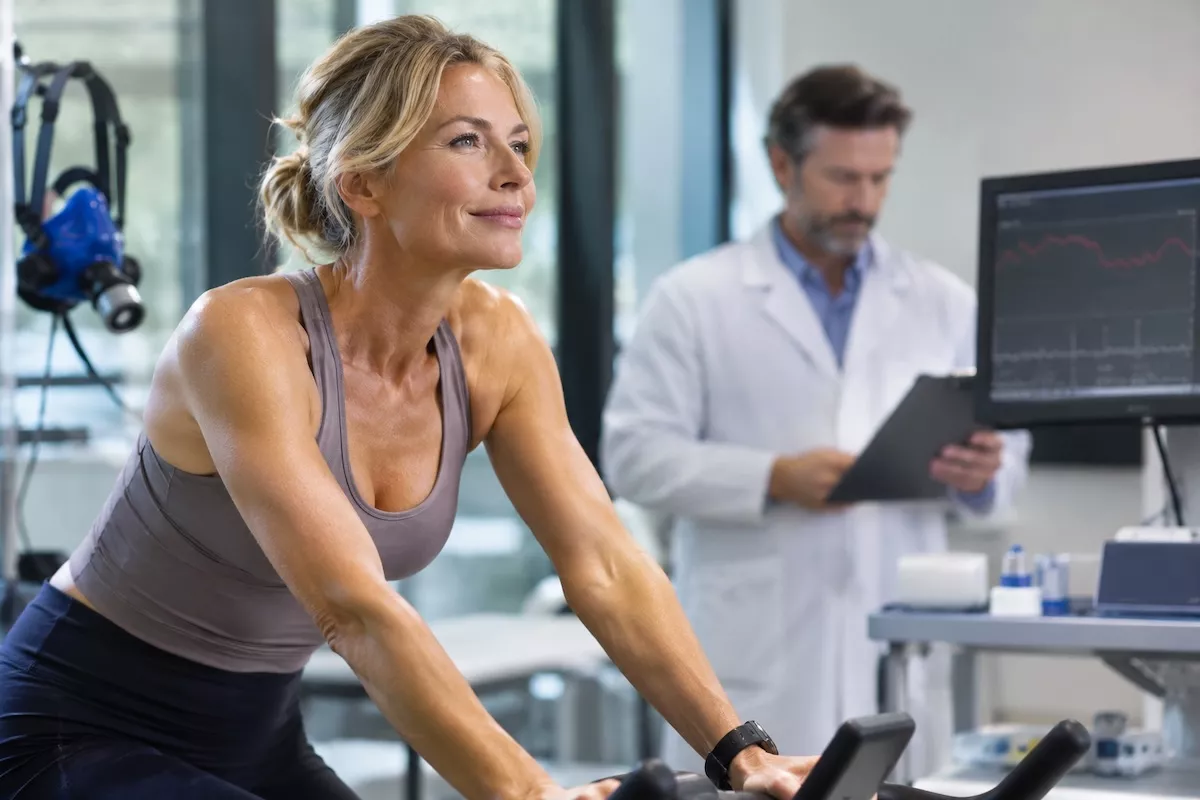
If there is one number worth knowing beyond your cholesterol level, it may be your VO₂ max.
Put simply, it measures how efficiently your body uses oxygen during intense exercise. Think of it as your aerobic engine: the better it works, the more effectively your heart, lungs, blood vessels and muscles deliver oxygen where it is needed.
VO₂ max generally declines with age, but lifestyle makes a considerable difference. Two people in their 50s can have dramatically different levels of fitness. One may struggle with a flight of stairs; the other may run up a hill without thinking twice.
Why does this matter? Cardiorespiratory fitness is strongly associated with cardiovascular health and the risk of premature death. It is also something you can work to improve.
A laboratory exercise test can measure VO₂ max, while some wearable devices estimate it. Neither number tells the whole story, but tracking changes over time can reveal whether your fitness is moving in the right direction.
What your face can — and cannot — tell you
Wrinkles, thinning skin and pigmentation are among the most visible signs of ageing. Over time, the skin loses collagen and elasticity, while years of sun exposure can accelerate these changes.
But your face is not a biological clock. Genetics, sun exposure, smoking and skincare all influence how you look. Someone with pronounced wrinkles may be physically fit, while someone with exceptionally smooth skin may have high blood pressure or an increased risk of diabetes.
Grey hair is equally misleading. It is strongly influenced by genetics and does not reliably reveal how quickly the rest of your body is ageing.
Still, changes in appearance matter. They can tell us something about the skin itself and, in some cases, cumulative environmental exposure. The trick is knowing what a particular sign can tell us — and what it cannot.
Memory, attention and the fear of losing your edge
For many people, the prospect of ageing is less about wrinkles than about the mind.
Forgetting an acquaintance’s name is one thing. Finding it increasingly difficult to concentrate, follow a conversation or remember new information is another.
Some changes in processing speed are common with age, but significant or persistent cognitive difficulties should not automatically be dismissed as part of getting older. Sleep problems, stress, mood, medication and medical conditions can all affect memory and attention.
Cognitive assessments can provide a baseline, testing areas such as memory, concentration and processing speed. If concerns arise, a clinician can determine whether further investigation is needed.
The goal is not to chase a perfect brain score. It is to recognise meaningful changes early and protect the habits that support brain health, including physical activity, good sleep and social engagement.
Libido: the conversation we should be having
Sexual health is another part of ageing that is often overlooked — despite being closely linked to quality of life.
Libido can change with age, but there is no universal timetable. Hormonal changes may play a role, as can stress, relationship dynamics, sleep, medications and general health.
A decline in sexual desire does not automatically mean that hormones are out of balance. Equally, persistent changes in libido, erectile function or sexual comfort may sometimes be the first reason someone seeks help for an underlying problem.
Depending on the symptoms, a medical assessment may include a review of medications, relevant hormone tests and checks for conditions such as diabetes or cardiovascular disease.
In other words, sexual wellbeing is not separate from health. It belongs in the conversation.
The everyday clues: muscles, sleep and recovery
How easily do you get out of a chair? Can you carry your luggage without feeling exhausted? How quickly do you recover after exercise?
These ordinary moments can reveal changes in strength and physical function. Grip strength, walking speed and simple movement tests give clinicians useful information about muscle function and mobility.
Sleep offers another clue. Frequent waking, persistent fatigue and feeling unrefreshed may affect concentration, mood and physical performance. Wearables can track patterns in sleep, resting heart rate and heart-rate variability, or HRV, which measures variations in the time between heartbeats.
But these devices are not crystal balls. HRV fluctuates with stress, exercise, illness and sleep, while consumer sleep trackers cannot reliably diagnose every sleep disorder. The information becomes more useful when interpreted alongside symptoms and longer-term patterns.
Changes in eyesight and hearing deserve similar attention. They can affect independence and quality of life, and some causes are treatable. Dental health also matters, although gum disease and tooth loss reflect many factors beyond age alone.
The numbers inside your blood
Some of the most important changes are invisible. Blood pressure, cholesterol, bone resorption markers, glucose and HbA1c — a measure of average blood sugar over approximately two to three months — can reveal risks long before symptoms appear. Depending on individual circumstances, a doctor may recommend additional tests.
Preventive health assessments can also help identify certain cancer risks before disease manifestation. Some cancers develop over many years, and evidence-based advanced screening can detect some cancers or precancerous changes early, when treatment may be more effective.
Then there are epigenetic clocks, which analyse patterns of DNA methylation associated with ageing. They are among the most intriguing tools in longevity research because they attempt to measure biological changes beyond chronological age.
Surprisingly, such assessments often overlook telomeres — the protective caps at the ends of our chromosomes that naturally shorten as we age. Measuring telomere length provides crucial insights into cellular health and biological reserves, making it another essential piece of the longevity puzzle.
Yet there is a catch. Different clocks measure different things, and no single test can reliably predict how long an individual will live. A younger biological-age result does not automatically mean better health, either.
The same principle applies to expensive, comprehensive health audits: more tests do not necessarily mean better answers.
The real luxury is knowing what matters
Imagine having a detailed picture of your cardiovascular fitness, muscle strength, metabolic health, sleep and other relevant markers — then repeat selected measurements a year later.
What matters is not whether every number looks perfect. It is whether meaningful changes are emerging, whether risks are being addressed and whether your health strategy is making a difference.
For Monaco’s health-conscious community, this is where personalised longevity medicine becomes genuinely interesting. A thorough assessment should lead to a meaningful conversation with a qualified physician — not a competition among plastic surgeons, a Botox marathon, a shopping list of dozens of supplements, or a race to achieve the youngest biological age.
Science cannot yet tell us exactly how fast every individual is ageing. But it can help us understand important aspects of health, identify risks and make better-informed decisions.
Ultimately, the most valuable measure of ageing may be less glamorous than a laboratory score: whether you can think clearly, move freely, sleep well, maintain meaningful relationships and enjoy the life you have built.
You cannot stop the clock. But understanding what is happening beneath the surface may help you make the years ahead healthier — and more rewarding.
About the author
Dr Aleks Letnikovs is a physician working in preventive medicine, healthy ageing and longevity. He has participated as a speaker at international medical conferences, including the Aesthetic & Anti-Aging Medicine World Congress in Monaco, where he has presented on preventive medicine and age-related health issues.
Monaco Life is written by qualified journalists, writing original content. Sign up for our free newsletter, listen to our podcasts on Spotify, and follow us across Facebook, Instagram, LinkedIn, and Tik Tok.
Image is AI generated by Monaco Life