

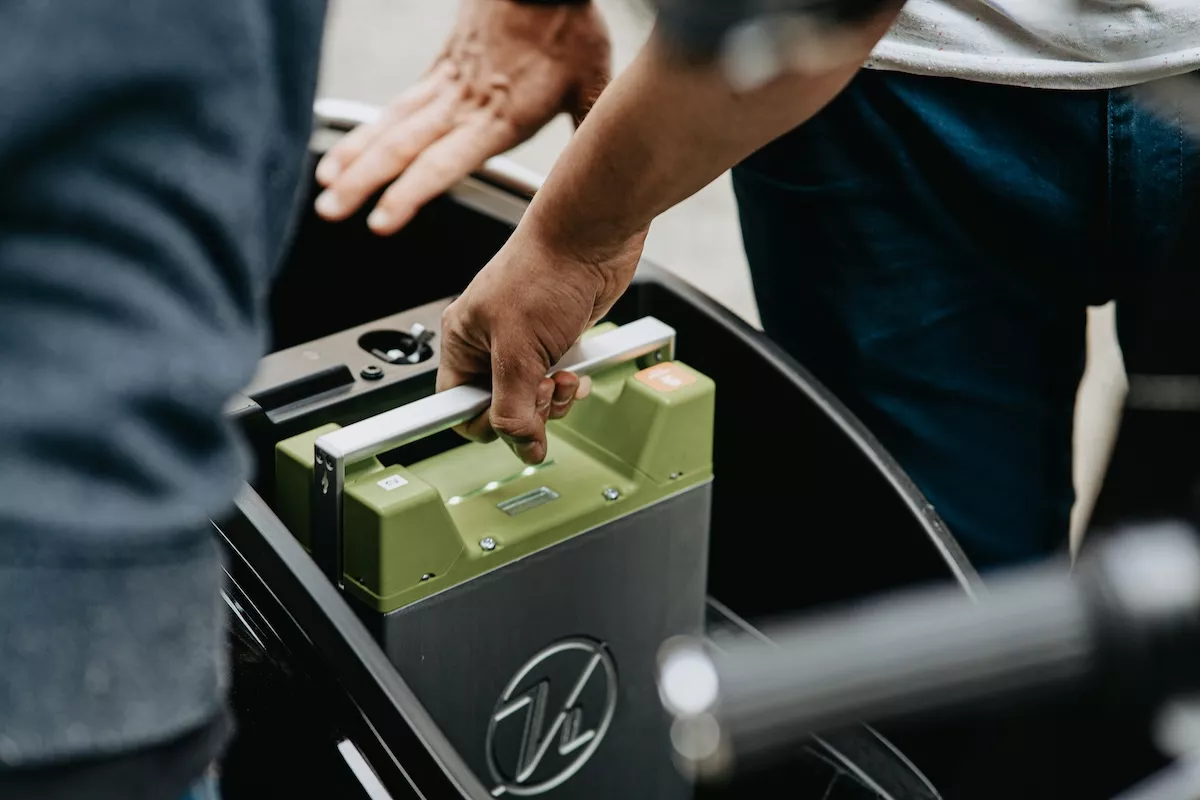
Monaco has introduced a new check on the cooling systems of electric and hybrid vehicles as part of an update to its roadworthiness testing regime, with the measure having come into force on 21st March 2026.
The change requires inspectors to verify the coolant level in the traction batteries of electric and hybrid vehicles — whether plug-in or not — during the standard technical inspection. Until now, checks in this area were limited to detecting visible leaks. The new requirement goes further, identifying low coolant levels even where no leak is apparent.
Why it matters beyond safety
Low coolant in a traction battery can accelerate battery degradation and, in more serious cases, contribute to thermal runaway — the condition in which battery cells overheat uncontrollably. The Princely Government has framed the measure partly in safety terms and partly as a way of protecting battery performance and vehicle longevity, which has direct implications for resale value.
The check itself is visual. Where a shortfall is found, the top-up must be carried out by a qualified automotive professional, as the reservoir is sealed for safety reasons. Any follow-up re-inspection required as a result is free of charge.
Broader package of changes
The battery cooling check is part of a wider set of technical adjustments to Monaco’s roadworthiness testing framework. These include updates relating to the eCall emergency call system fitted to newer vehicles, checks on certain structural components, and document verification requirements for specific categories of specialist transport.
The Princely Government has confirmed that none of the changes result in an increase to the cost of the technical inspection.
Stay updated with Monaco Life: sign up for our free newsletter, catch our podcast on Spotify, and follow us across Facebook, Instagram, LinkedIn, and Tik Tok.
Photo credit: Kumpan Electric, Unsplash