

At the current pace of change, it would take 50 years for the European Union to reach full gender equality. That figure, cited by the European Commission ahead of International Women’s Day on 8th March, underlines the scale of the challenge facing policymakers — and the urgency behind the bloc’s newly published gender equality strategy for 2026-2030.
The strategy builds on the Roadmap for Women’s Rights endorsed by all EU member states in 2025, translating its broad objectives into specific policy actions. Its scope is deliberately wide, covering economic participation, healthcare, political representation, online safety and the role of men and boys in driving cultural change.
Tackling violence and abuse online
One of the strategy’s most prominent concerns is cyberviolence, which the Commission identifies as disproportionately affecting women and girls. Measures are planned to combat sexually explicit deepfakes and so-called deepnudes, alongside broader efforts to strengthen protections for women in digital spaces.
Closing the pay and pension gaps
On economic equality, the strategy focuses on full implementation of the Pay Transparency Directive across member states and commits to working with the European Investment Bank to improve access to finance for women entrepreneurs. It also aims to draw more women into research, innovation and STEM careers, while encouraging men into sectors such as health, education and care work, where they remain significantly underrepresented.
Healthcare and global commitments
A joint initiative with the World Health Organization is planned to improve the quality and accessibility of women’s healthcare across the bloc. Internationally, the Commission intends to launch a new gender action plan for 2028-2034 and a flagship initiative called Shield, focused on sexual and reproductive health and support for survivors of gender-based violence.
The role of men and boys
Perhaps the most notable shift in emphasis from previous strategies is the explicit focus on engaging men and boys as agents of change. The Commission flags growing polarisation between young women and men — accelerated in part by disinformation — as a specific risk, and plans targeted measures to counter it.
The strategy also commits to defending existing rights against any rollback, a pointed signal given the political direction of several EU member states in recent years.
Stay updated with Monaco Life: sign up for our free newsletter, catch our podcast on Spotify, and follow us across Facebook, Instagram, LinkedIn, and Tik Tok.
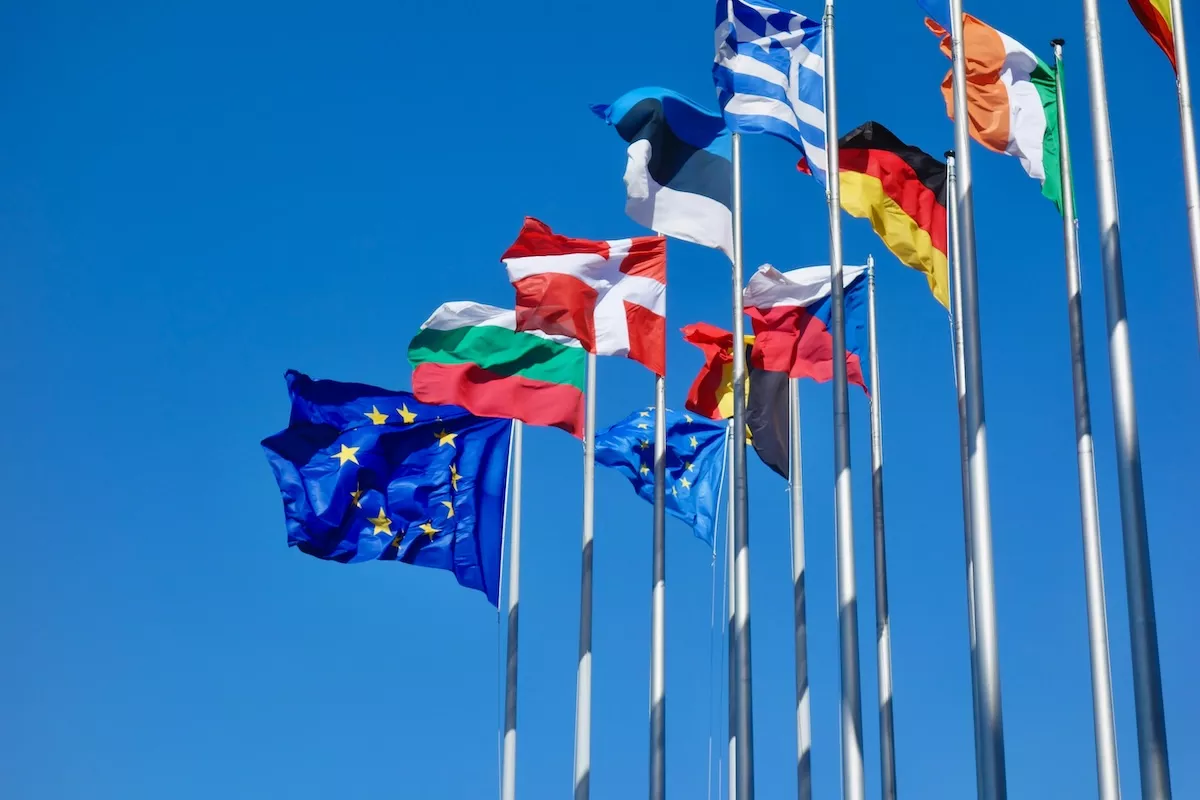
Photo credit: Antoine Schibler, Unsplash