

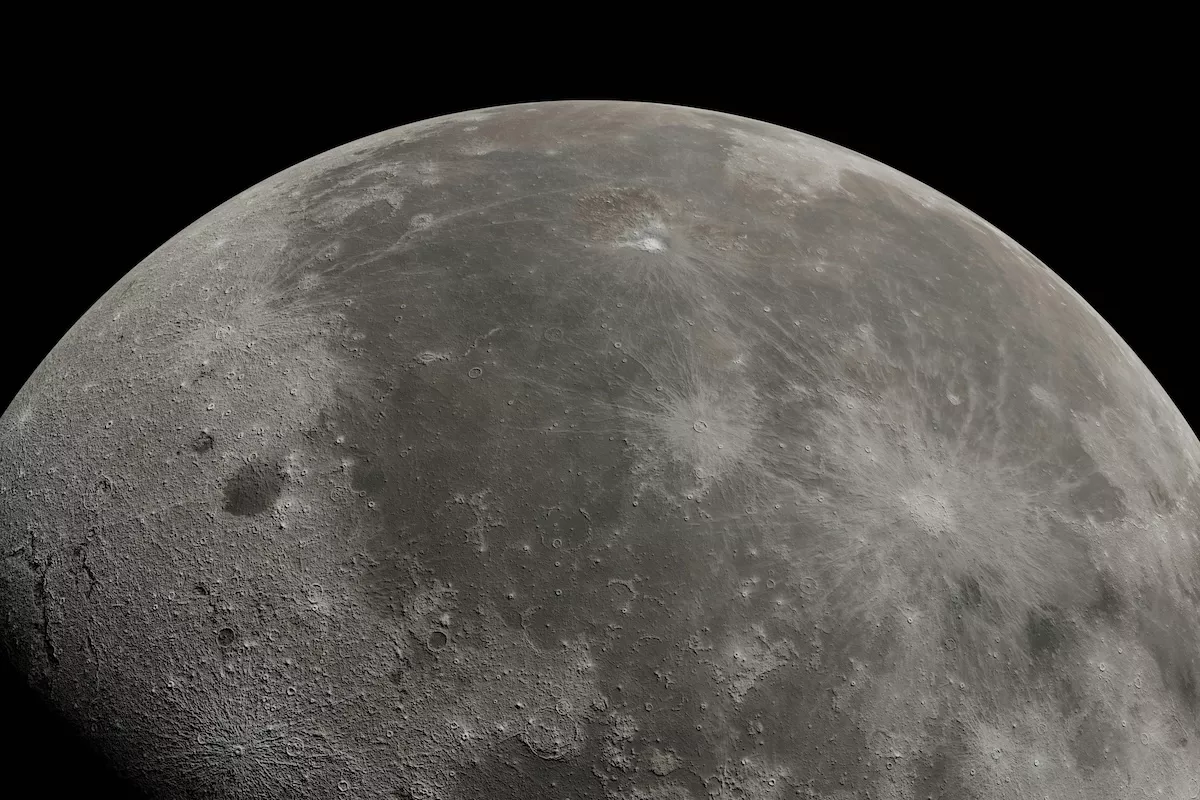
NASA is preparing to send astronauts beyond Earth orbit for the first time since 1972, with the Artemis II mission potentially launching in the first week of February.
NASA will simulate a test launch of its Artemis II mega moon rocket as early as Saturday 31st January, with the space agency announcing its engineers are on track or ahead of schedule. It marks a major milestone toward returning humans to the Moon.
The 10-day mission will take four astronauts further into space than anyone has travelled before, testing critical systems needed for an eventual lunar landing planned for later this decade.
Launch windows and preparations
The “wet dress rehearsal” is a pre-launch test to fuel the rocket. Any issues could force the rocket back to the assembly building for additional work.
If all systems perform as expected, the earliest possible launch date is Friday 6th February.
Due to orbital mechanics requiring the Moon to be correctly positioned, launch windows occur only one week per month. Potential launch dates include 6, 7, 8, 10 and 11 February; 6, 7, 8, 9 and 11 March; and 1, 3, 4, 5 and 6 April.
Historic crew
The Artemis II crew comprises NASA commander Reid Wiseman, pilot Victor Glover, mission specialist Christina Koch, and Space Agency mission specialist Jeremy Hansen.
Once in orbit, the North American astronauts will manually fly the Orion capsule to practice steering and alignment procedures for future Moon landings.
They will then travel thousands of kilometres beyond the Moon to test Orion’s life-support, propulsion, power and navigation systems in deep space.
The crew will serve as medical test subjects, sending back data and imagery from beyond low Earth orbit where radiation levels exceed those on the International Space Station, though remain within safe limits.
After their journey, the astronauts will experience a fiery re-entry through Earth’s atmosphere before splashing down in the Pacific Ocean off the US west coast.
No Moon landing yet
Artemis II will not land on the Moon. That milestone is reserved for Artemis III, officially scheduled for “no earlier than” 2027, though experts believe 2028 is more realistic.
Critical hardware remains unfinished, including the final selection between SpaceX’s Starship lander and a craft designed by Jeff Bezos’s Blue Origin for the lunar descent vehicle.
New spacesuits manufactured by Axiom are also not yet ready.
When Artemis III finally launches, astronauts will target the Moon’s south pole rather than the equatorial regions visited during Apollo missions.
Building a lunar presence
Following Artemis III, NASA aims to establish sustained human presence on the Moon.
Artemis IV and V will begin constructing Gateway, a small space station orbiting the Moon. Subsequent missions will add modules to Gateway while robotic rovers operate on the surface.
The Lunar Terrain Vehicle that will transport astronauts across the Moon’s surface during Artemis V and beyond is being developed by three companies, including Monaco’s Venturi Astrolab, alongside Intuitive Machines and Lunar Outpost.
More countries will participate in keeping people living and working on and around the Moon for extended periods.
50 years since Apollo
The last crewed Moon mission was Apollo 17, which landed in December 1972. In total, 24 astronauts travelled to the Moon during the Apollo programme, with 12 walking on its surface. Only five of those 24 remain alive today.
The original Moon race was driven by Cold War competition with the Soviet Union. Once America achieved that goal, political enthusiasm and funding evaporated.
The Artemis programme represents a return with different objectives: long-term presence built around new technology and commercial partnerships rather than geopolitical one-upmanship.
International Moon race
Several nations have announced lunar ambitions for the 2030s.
European astronauts will join later Artemis missions, and Japan has secured seats on future flights.
China is developing its own crewed lunar capability, targeting a landing near the south pole by 2030.
Russia continues discussing cosmonaut missions and a small lunar base between 2030 and 2035, though sanctions, funding pressures and technical setbacks make this timeline highly optimistic.
India, following its successful Chandrayaan 3 landing near the lunar south pole in August 2023, has set a goal of sending astronauts to the Moon by approximately 2040.
The race is on—but this time, the finish line is permanent human presence rather than planting a flag and leaving.
Stay updated with Monaco Life: sign up for our free newsletter, catch our podcast on Spotify, and follow us across Facebook, Instagram, LinkedIn, and Tik Tok.
Photo credit: Arya Winarto, Unsplash