

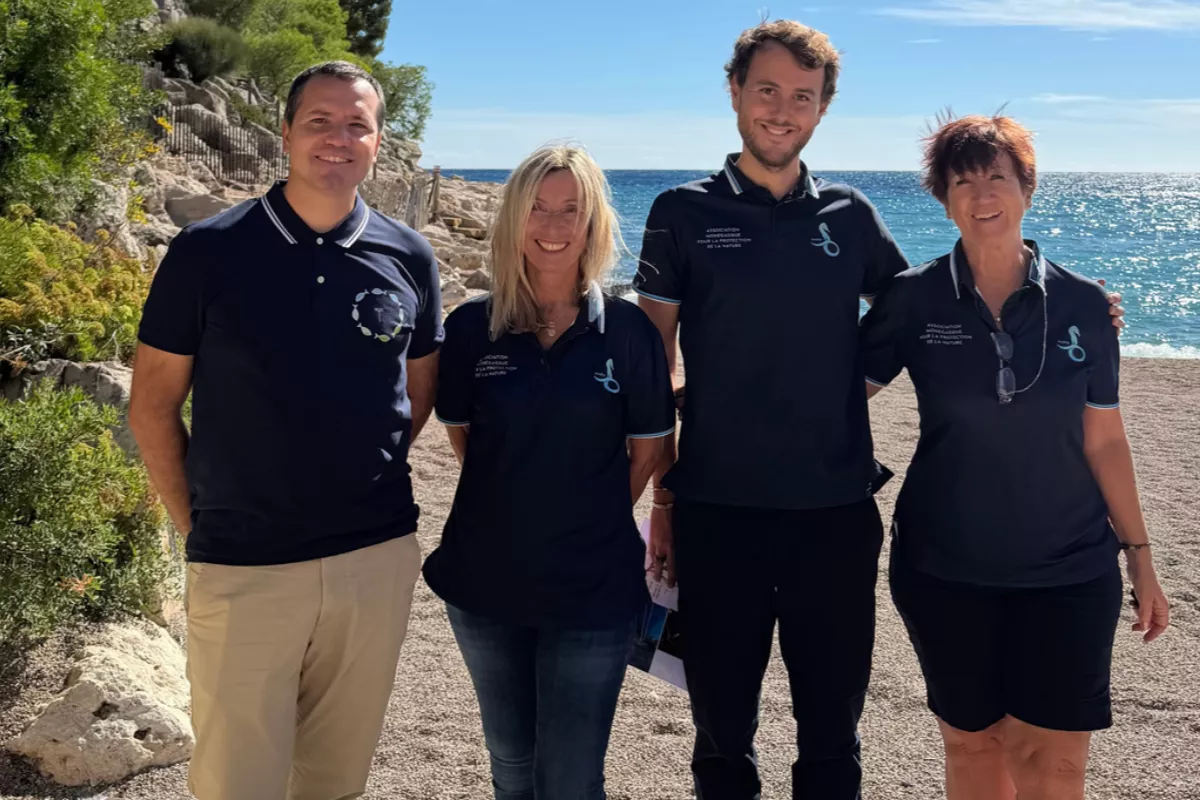
The Association Monégasque pour la Protection de la Nature (AMPN) gathered at Le Méridien Beach Plaza hotel on Thursday 8th October to present scientific evidence demonstrating that Monaco’s protected marine reserves are delivering major ecological recoveries.
Marking 50 years of conservation since Prince Rainier III established the Principality’s coastal protection efforts, the conference unveiled long-term monitoring data showing a dramatic rise in fish populations across the Larvotto and Spélugues marine reserves.
Founded in 1975, the AMPN manages 35 hectares of protected littoral zone under strict enforcement where fishing and anchoring are banned. The 33-hectare Larvotto reserve, created in 1976, holds the distinction of being the first urban marine protected area in the world.
Fish biomass and nursery growth
According to a study published in the ICES Journal of Marine Science and presented by marine ecologist Dr Alexis Pey, Larvotto exhibits a striking ‘reserve effect’, boasting 2.5 times higher fish biomass than neighbouring unprotected waters. This strict level of protection has fostered continuous population growth for key species, including the brown meagre and dusky grouper.
Complementing adult fish tracking, Dr Eugenio Di Franco detailed nursery monitoring that recorded roughly 24,000 juvenile fish across 15 species in 2025, dominated by damselfish, saddled seabream, salema, and grey mullet.
The initiative seeks to identify essential nursery habitats to adapt management practices and improve juvenile survival rates.
Seagrass health and world-first 3D reefs
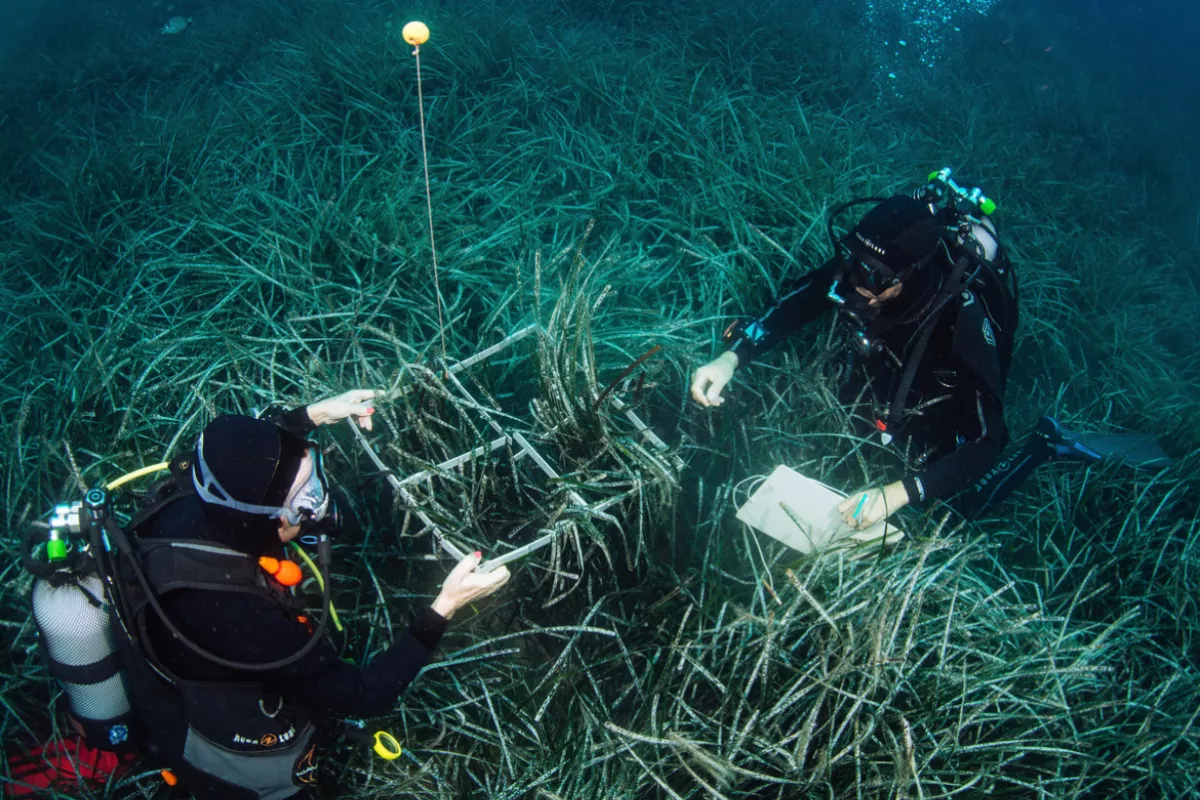
The conference also addressed the long-term monitoring of Larvotto’s Posidonia oceanica seagrass meadow. Presented by Dr Heike Molenaar as the longest continuous tracking study of this habitat in the Mediterranean, recent assessments rated the meadow’s density as good, showing a stable to expanding trajectory since 2016.
Innovation remains central to the AMPN’s work. In 2017, in collaboration with the Prince Albert II of Monaco Foundation, the organisation deployed 3D-printed artificial reefs made from natural dolomite sand—a world first in scale. The AMPN now oversees more than 40 artificial reefs, including six 3D-printed units, which today host over 40 fish species and roughly 100 encrusting organisms.
Under the direction of Jacqueline Gautier-Debernardi, the AMPN continues to combine strict enforcement with scientific research and educational outreach, including the management of an Educational Marine Area designed to engage local schoolchildren in marine conservation.
Stay updated with Monaco Life: sign up for our free newsletter, listen to our podcasts on Spotify, and follow us across Facebook, Instagram, LinkedIn, and Tik Tok.
Main photo credit: AMPN