

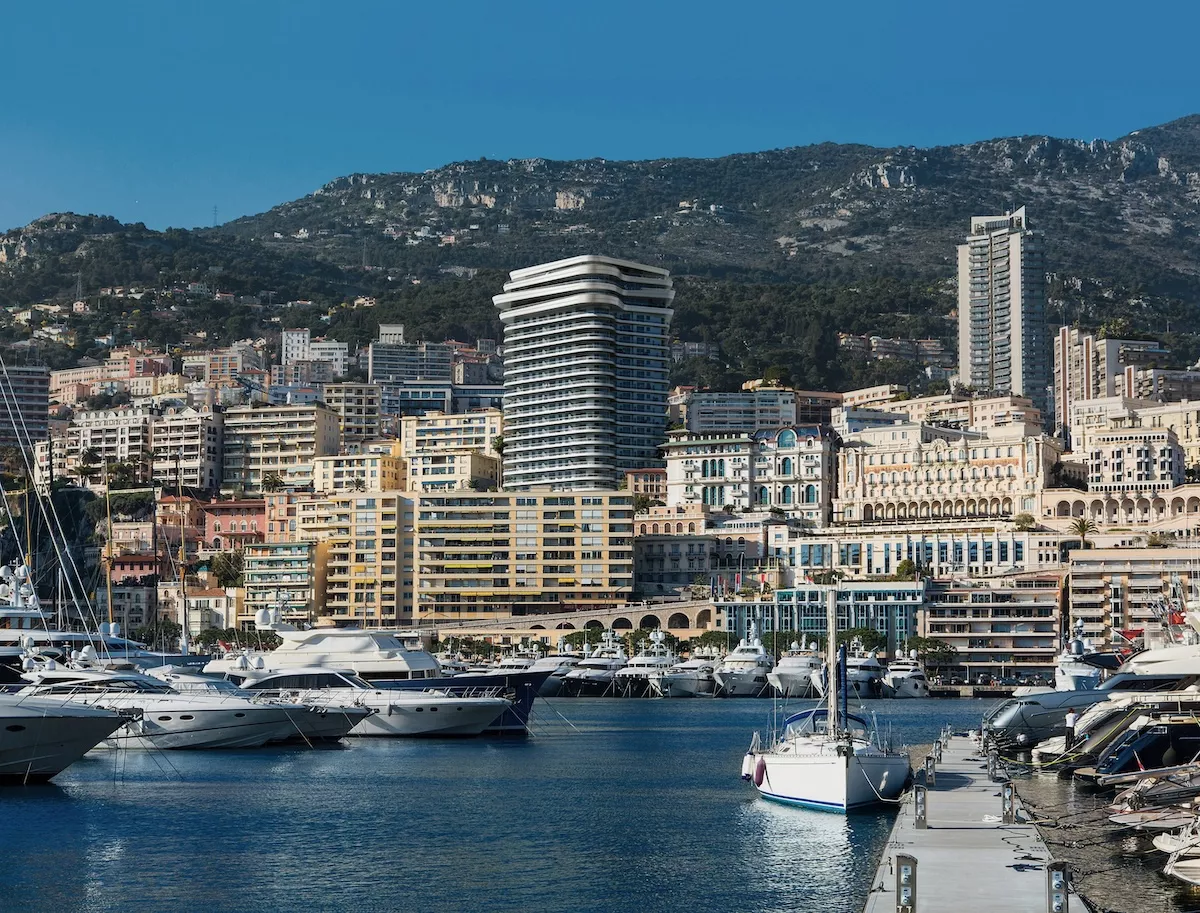
Suicide prevention. Addiction care. Children who refuse to go to school out of anxiety. Therapeutic housing designed to rebuild independence. These are not abstract policy ambitions — they are the concrete realities that Monaco’s Mental Health Council sat down to address on Tuesday 28th April, when the Principality’s third such council convened at the Ministry of State.
The meeting offered the clearest picture yet of how far Monaco has come since launching its ‘Psychological Wellbeing and Balance’ mental health plan in 2022. Overseen by the Health Action Directorate and built around 53 individual measures, the plan draws together institutions, health professionals and associations under three broad goals: promoting mental wellbeing, preventing psychological disorders and addictions, and catching problems early before they escalate.
A new addiction centre, and what it’s finding
One of the session’s most significant updates concerned Monaco’s Centre for Addiction Care, Support and Prevention — which opened its doors in September 2024. The council examined its first activity data, giving policymakers an early read on the scale and nature of addiction-related need across the Principality. The centre sits at the intersection of treatment, prevention and support, offering a more cohesive response than the fragmented services that existed before.
When children won’t go to school
The Centre Plati team brought a less widely discussed issue into the room: anxious school refusal. Increasingly recognised by mental health professionals across Europe as a complex and often misunderstood condition, it sits at the crossroads of anxiety, family dynamics and educational pressure. The project presented at the council signals Monaco’s intention to address it with dedicated, structured support rather than leaving families to navigate it alone.
Suicide prevention and independent living
The council also reviewed the measures already in place to detect and prevent suicidal behaviour — among the plan’s most sensitive and most urgent priorities. Alongside this, members discussed the creation of autonomous therapeutic housing units: small-scale, supported living environments designed to help people with mental health needs rebuild independence and re-engage with everyday life, rather than cycling between clinical settings and isolation.
A new information leaflet for families of children with particular needs, developed in response to direct requests from the Monaco Parents’ Association, was also presented — a small but practical illustration of how the plan responds to real-world demand from Monaco’s community.
Stay updated with Monaco Life: sign up for our free newsletter, catch our podcast on Spotify, and follow us across Facebook, Instagram, LinkedIn, and Tik Tok.
Photo credit: Cassandra Tanti