

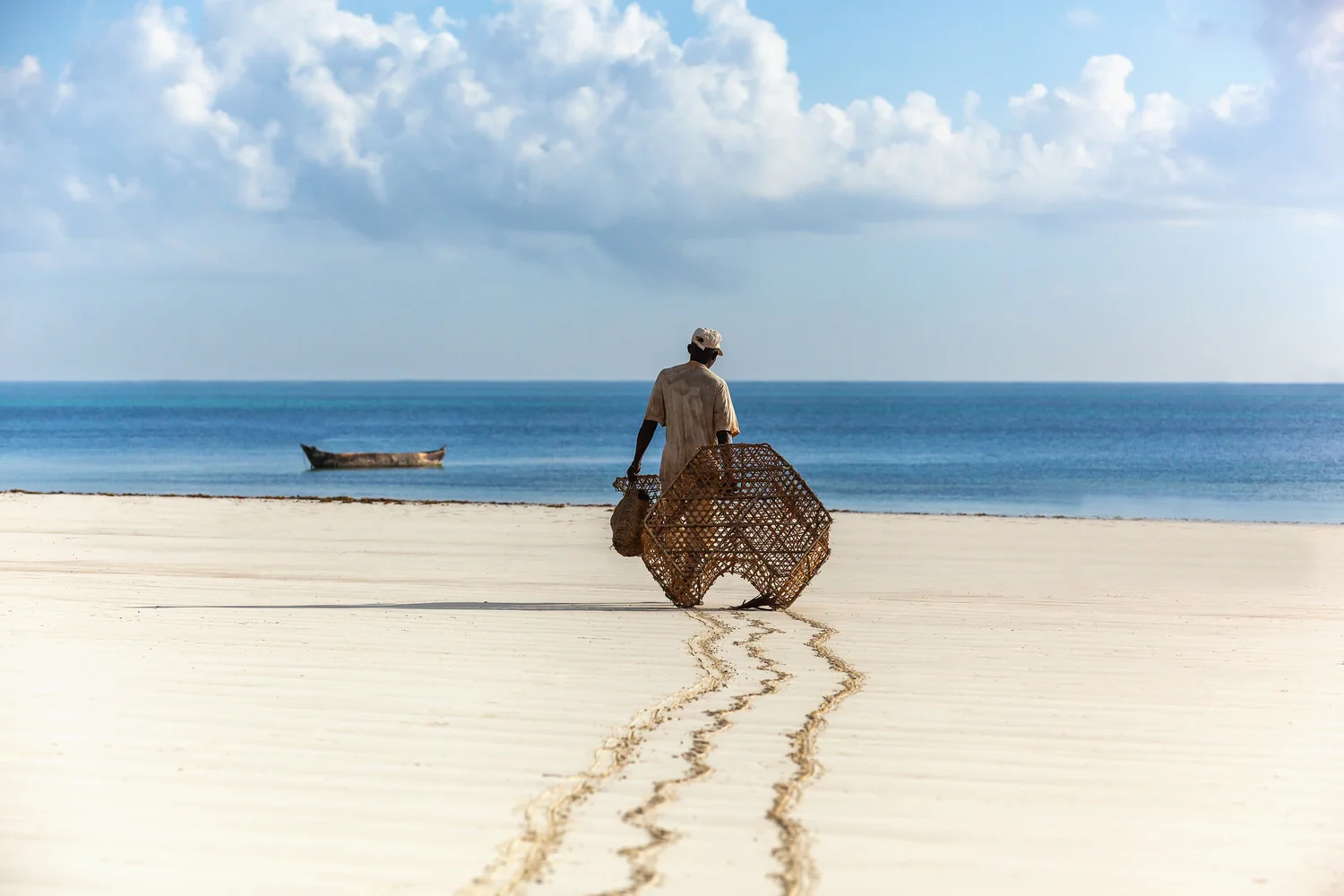
The 11th Our Ocean Conference opened in Mombasa Tuesday, bringing together governments, scientists, investors, civil society organisations and youth leaders for three days of talks on the future of ocean governance — the first time the annual event has been held on the African continent.
Running until 18th June across Mombasa and Kilifi counties, the conference is being hosted by the Government of Kenya under the theme ‘Our Ocean, Our Heritage, Our Future’. It focuses on six priority areas: marine protected areas, sustainable blue economy, the ocean-climate nexus, sustainable fisheries, marine pollution and maritime security.
A conference built on accountability
Since its inception in 2014, the Our Ocean Conference has recorded more than 2,900 commitments valued at over US$169 billion, spanning marine conservation, sustainable fisheries, climate adaptation, maritime security and pollution reduction. This year’s edition arrives with pressure to accelerate delivery rather than accumulate further pledges. The world has committed to protecting at least 30 per cent of the ocean by 2030 — but progress is not keeping pace with what is needed, with too much protection still existing only on paper and too many marine protected areas lacking the funding, enforcement and local leadership required to deliver real outcomes.
The High Seas Treaty entered into force in January 2026, with its first Conference of Parties scheduled for January 2027, adding urgency to discussions around translating international agreements into action on the water.
Africa’s role in ocean governance
Kenya’s hosting of OOC11 reflects a broader shift in where ocean leadership is being exercised. Kenya is recognised for its blue carbon leadership, including the protection of mangroves and seagrass ecosystems, and has a solid record on tackling plastic pollution and advancing circular economy policy. It also sits alongside the Western Indian Ocean, one of the world’s most biodiverse marine regions.
Throughout the conference, Kenya is spotlighting opportunities to mobilise private-sector investment across fisheries, aquaculture, shipping, marine biotechnology, renewable energy and digital ocean technologies, alongside co-management models that position coastal communities as active partners in governance and restoration rather than simply beneficiaries.
“By hosting OOC11, Kenya seeks to leave a lasting imprint on global ocean governance, one that ensures future generations inherit a resilient, productive, and just ocean,” said Hassan Ali Joho, Kenya’s Cabinet Secretary for Mining and Blue Economy.
Monaco’s stake
The Prince Albert II of Monaco Foundation has been a long-standing partner of the Our Ocean Conference process. Monaco has used previous editions to advance commitments on marine protected areas and plastic pollution, and the Principality’s ocean protection agenda aligns closely with the conference’s core focus areas. The Ocean Space Forum, which Monaco will host on 2nd July, addresses many of the same priorities — specifically the role of satellite technology in monitoring and protecting marine ecosystems.
The 11th Our Ocean Conference runs until 18th June in Mombasa and Kilifi, Kenya. Further information is available at ouroceankenya.com.
Stay updated with Monaco Life: sign up for our free newsletter, listen to our podcasts on Spotify, and follow us across Facebook, Instagram, LinkedIn, and Tik Tok