

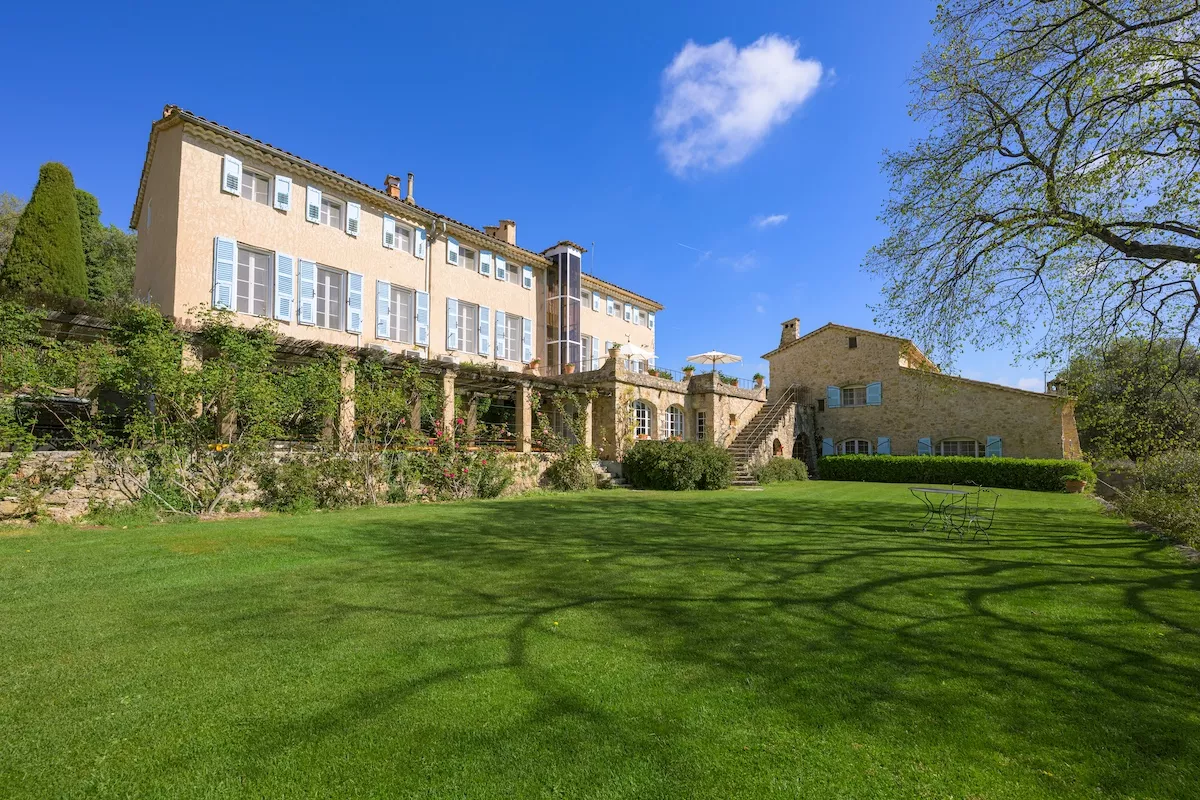
A short walk from the medieval village of Valbonne, behind stone walls and a screen of century-old olive trees, sits an estate that has watched over the Provençal hills since the age of the monasteries. Domaine de la Sylviane, a gated property of roughly ten hectares built around a former monastery, has been offered for sale for the first time in half a century by Carlton International. There is nothing quite like it on the market today, and few properties anywhere carry a story so remarkable.
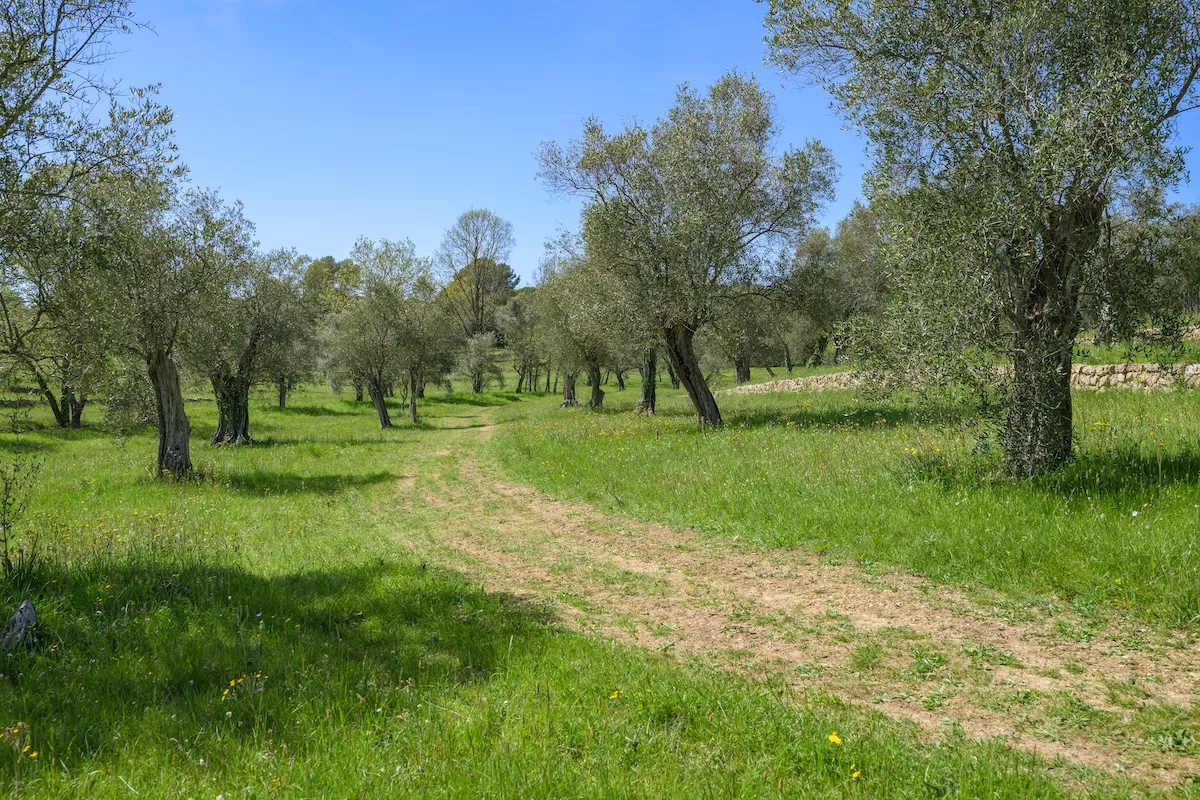
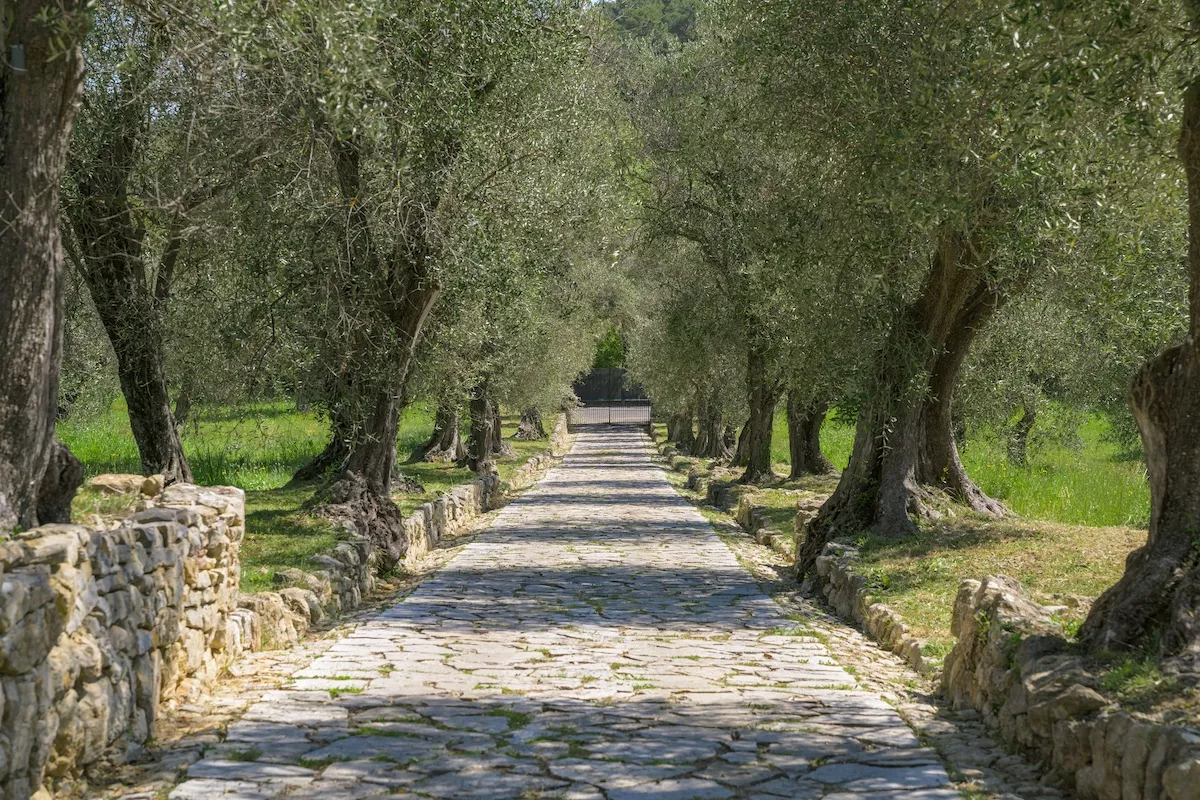
For all the history behind it, Domaine de La Sylviane’s appeal begins with the property itself. “What makes it so rare is exactly that – there is only one,” Philip Weiser, Founder and CEO of Carlton International, tells Monaco Life. “Where else can you walk to a renowned Provençal village in less than ten minutes and then return to a 17th-century monastery surrounded by 10 hectares of land and around 600 olive trees producing award winning olive oil? There really isn’t another property like it.”
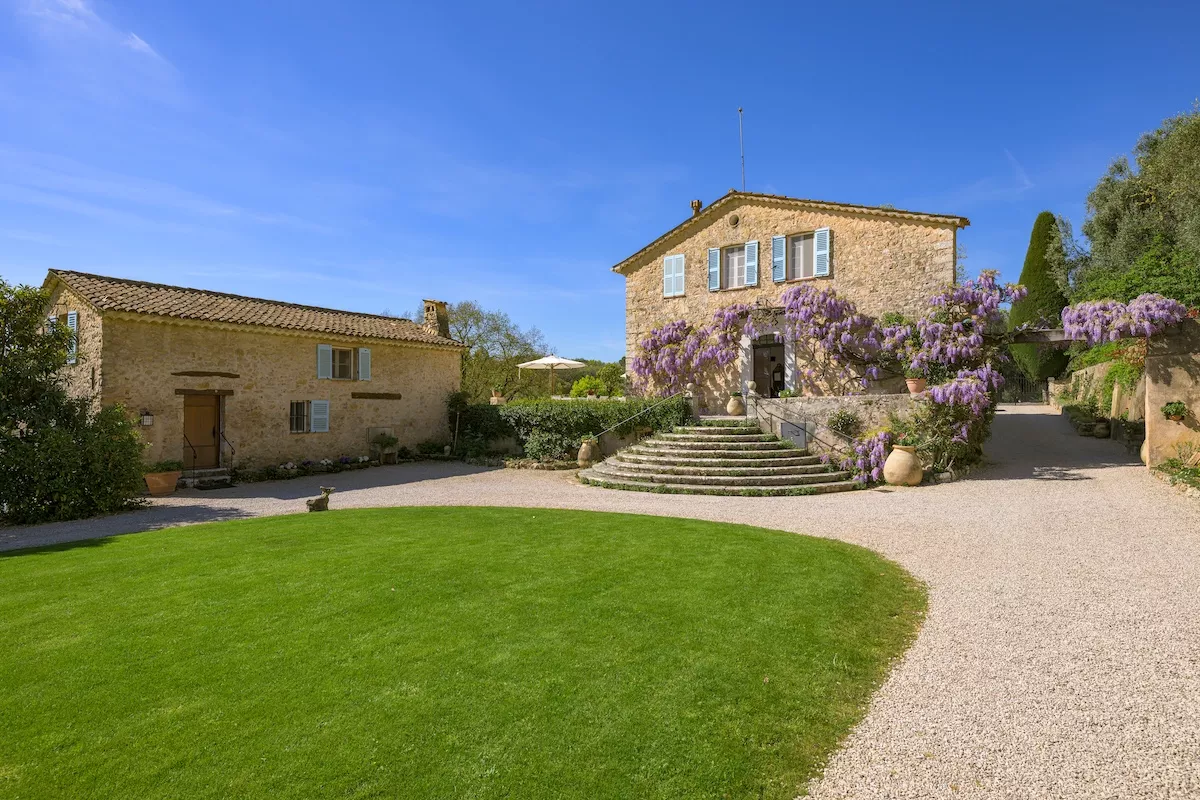
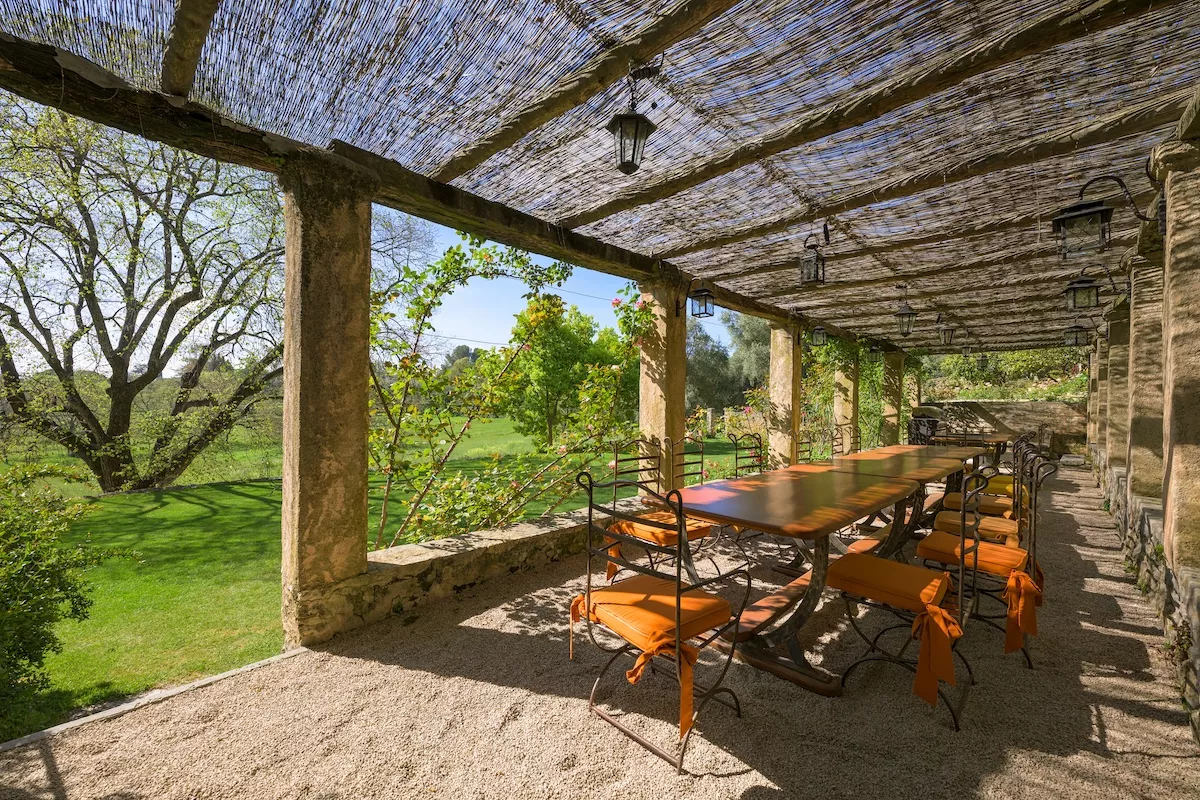
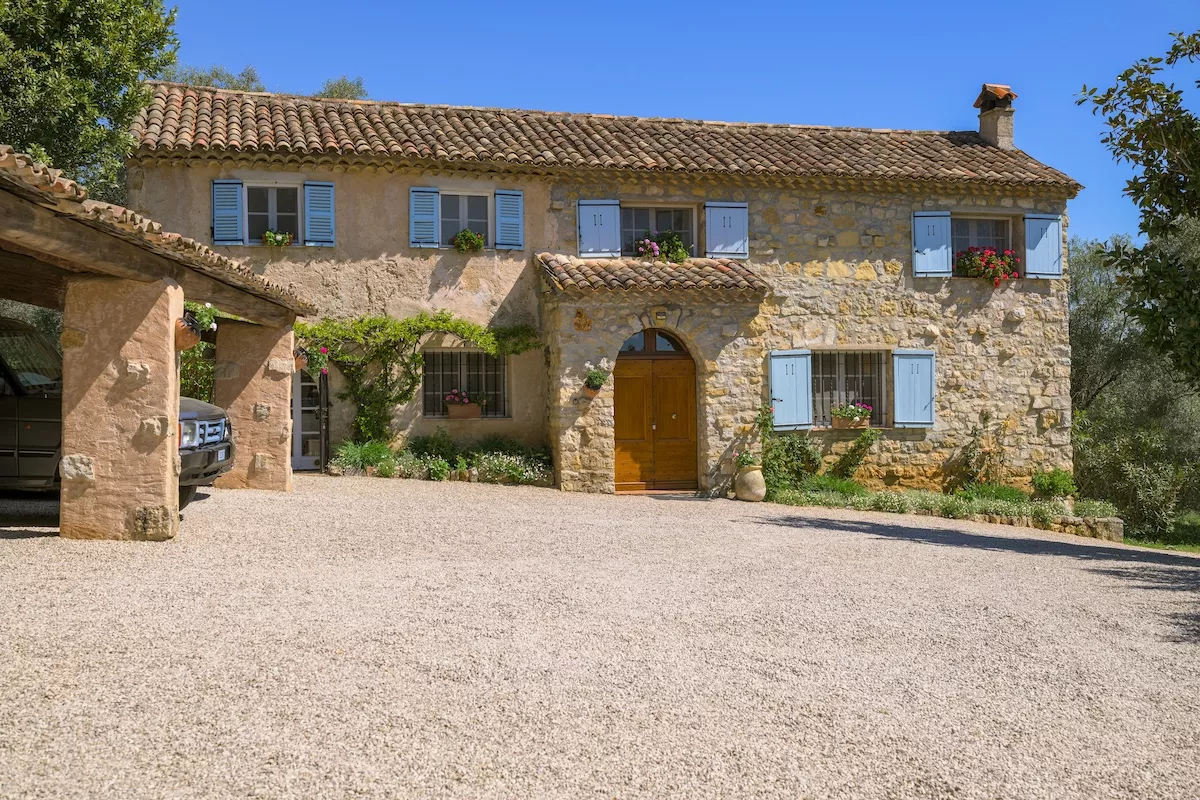
Rather than a single grand house, the estate is closer to a private hamlet. A collection of stone buildings, grown up around the original monastery over the centuries, hold 13 bedrooms and around 1,000 square metres of living space across roughly ten hectares (25 acres) of gated, walled grounds. “It isn’t one enormous mansion. It’s a little village,” says Weiser. Walkable to Valbonne yet screened entirely from view, it comes with its own olive grove, a heated pool and a synthetic tennis court — a working home that trades grandeur for privacy and authenticity.
Eight centuries of history at Domaine de la Sylviane
The estate’s roots reach back to the founding of Valbonne itself. In 1199, monks of the Chalaisian order established the abbey of Sainte-Marie-de-Valbonne on land in the valley, a community later handed to the powerful abbey of Lérins, on the Île Saint-Honorat off Cannes, in 1346. It was the Lérins monks who, in the early 16th century, laid out the village of Valbonne in the grid pattern that still defines it today.
Domaine de La Sylviane belongs to that monastic chapter. According to the estate’s history, the monastery building that still stands here was completed in 1679 and served as the agricultural arm of the community, supplying milk, meat, wine and olive oil and working land that once extended across more than a hundred hectares. An underground passage is said to have linked it to the village, its course still traceable today. Eight centuries on, the olive trees remain in production, yielding up to 1,200 litres a year.
A general, a wartime secret and a Grimaldi cousin
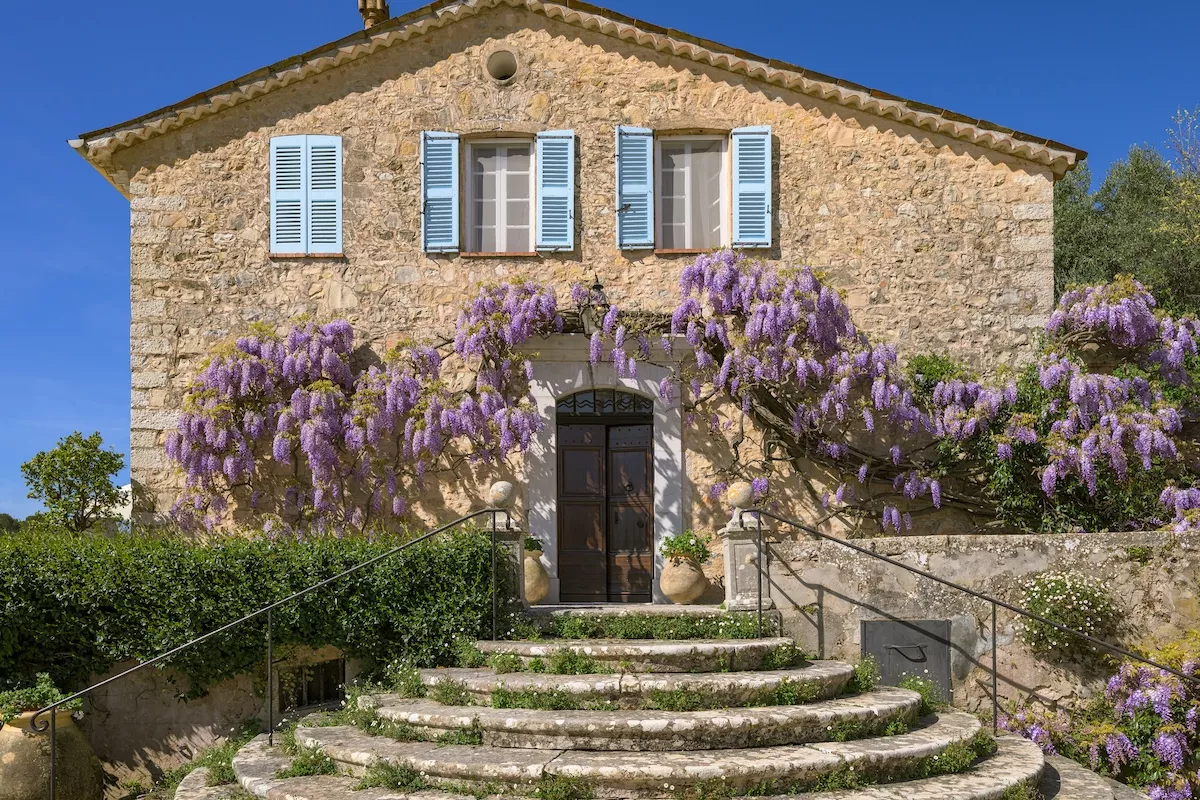
The centuries that followed left their marks. In the early 19th century, the estate is said to have been granted to one of Napoleon’s generals in reward for his service, and it took its present name from that later owner’s daughter, Sylvie. Her sister Louise gave hers to the neighbouring estate, La Louisianne.
Its most striking chapters are more recent. During the Second World War, Domaine de La Sylviane sheltered prisoners of war escaping the German occupation, a clandestine episode passed to the present family by Camille Rayon, the Antibes-born resistance figure known as ‘Archiduc’ who ran the Allied parachute-drop network across the south of France.
After the war, the estate passed to Count Guy de Jacquelot du Boisrouvray, a first cousin of Prince Rainier III of Monaco. His mother, Countess Joséphine de Polignac — the elder sister of Rainier’s father, Prince Pierre, Duke of Valentinois — lived on the estate, tying this quiet corner of Provence directly to the Grimaldi line.
In 1973, the property was acquired by the current owners, who have retained it ever since and are now bringing it to the open market for the first time.
Inside Domaine de la Sylviane’s Le Manoir
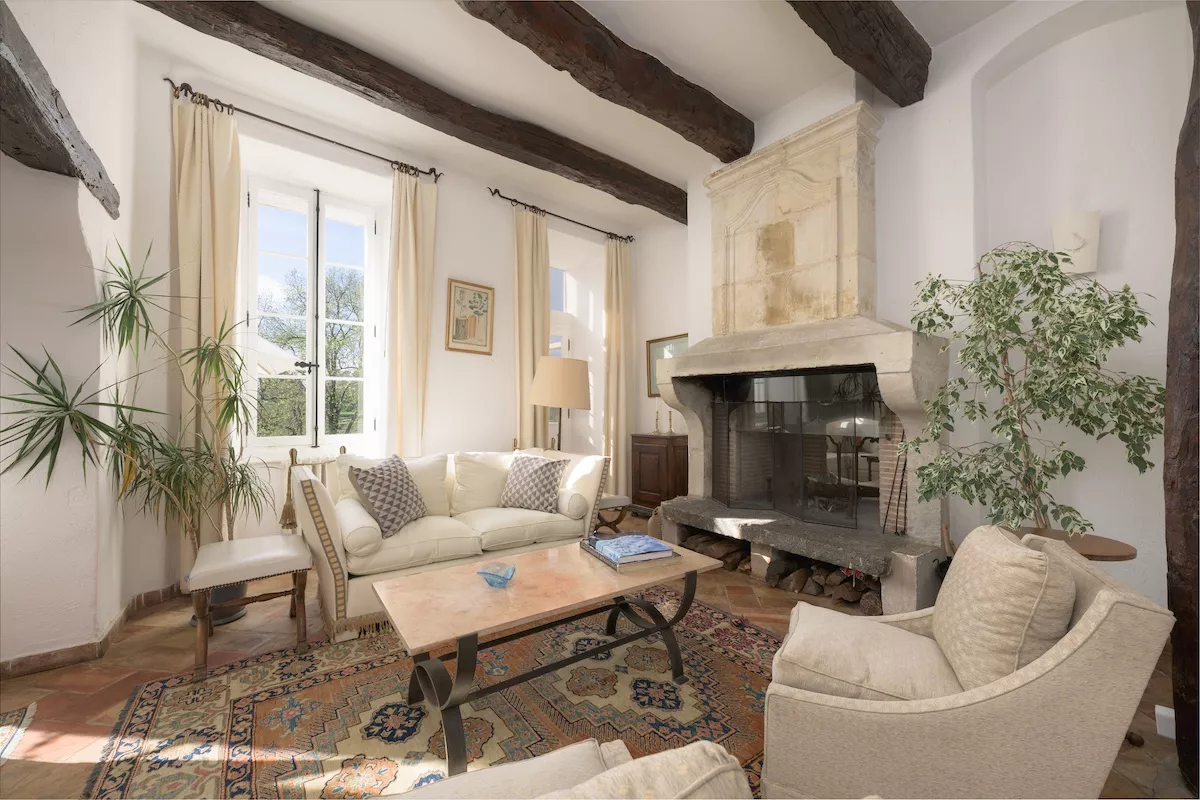
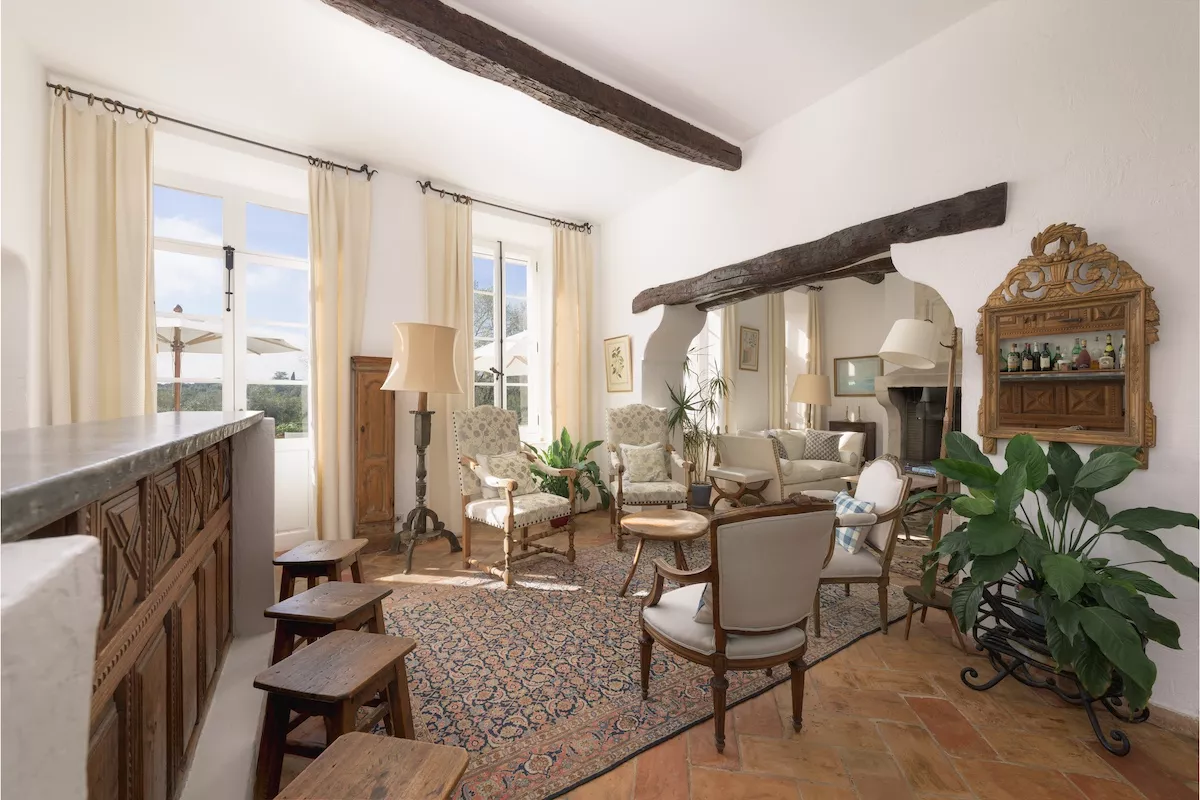
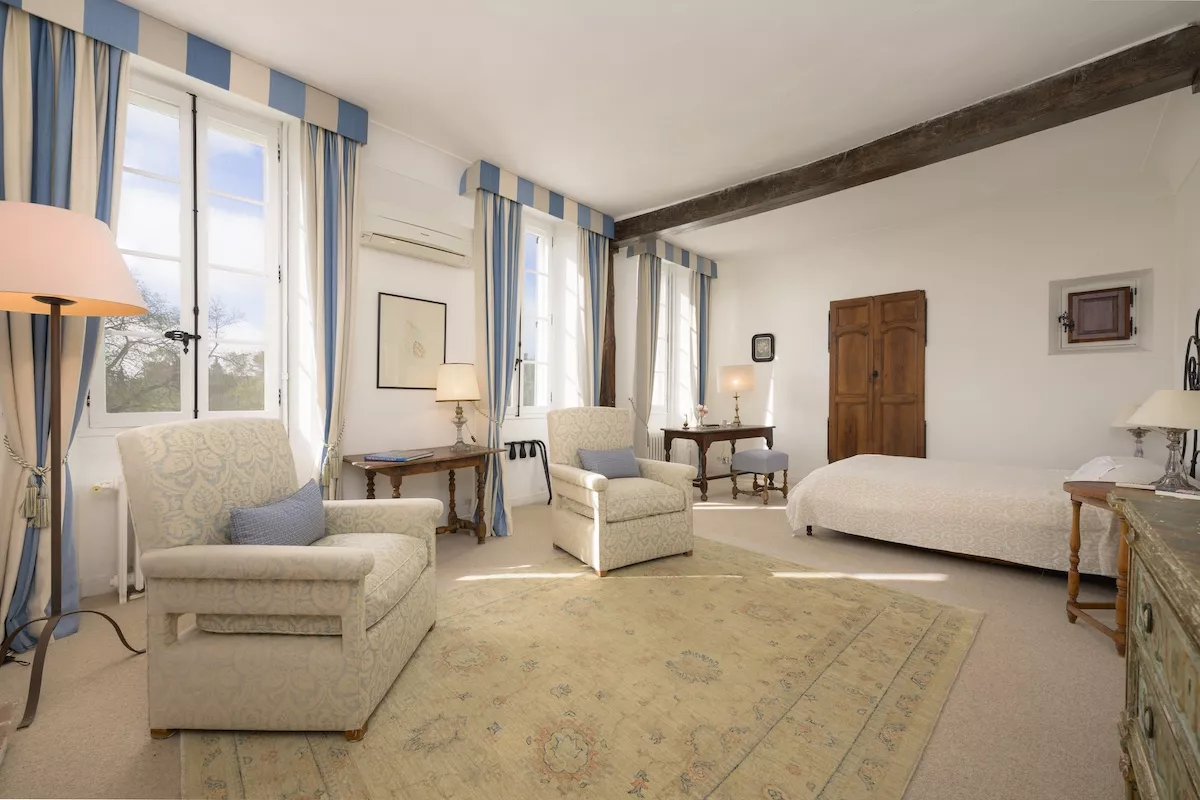
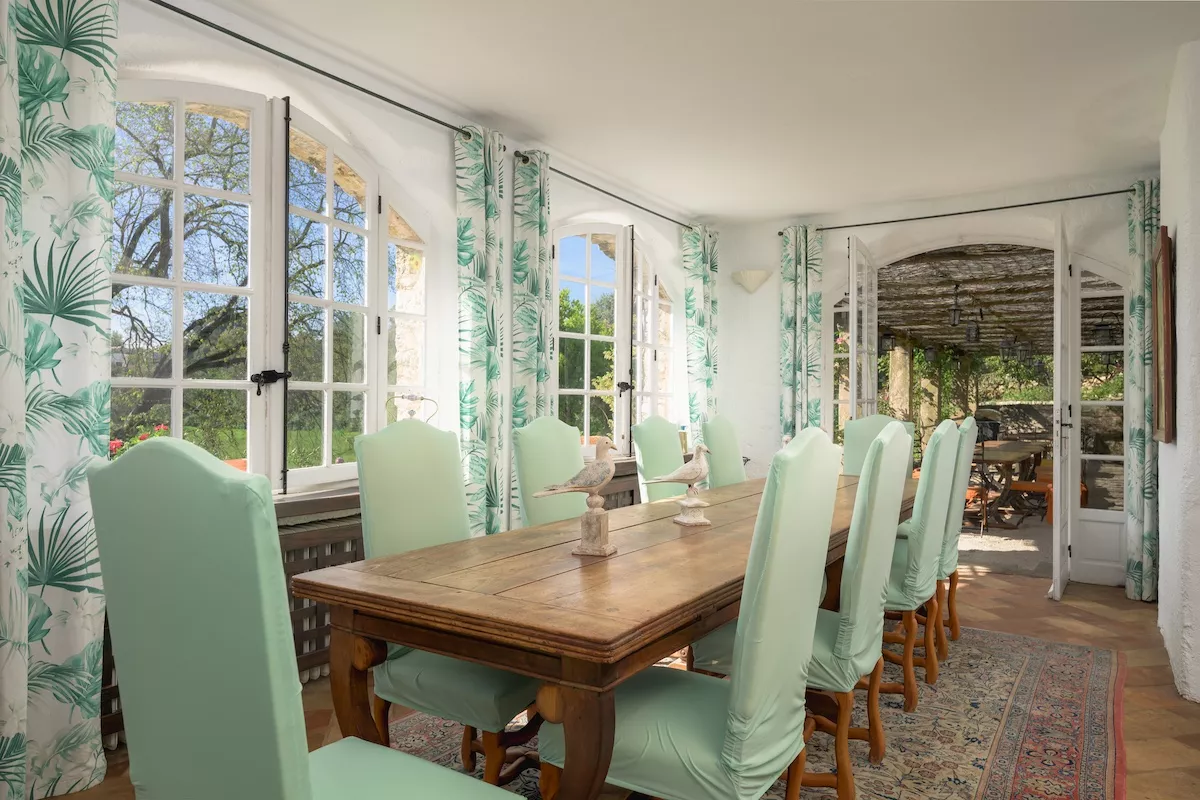
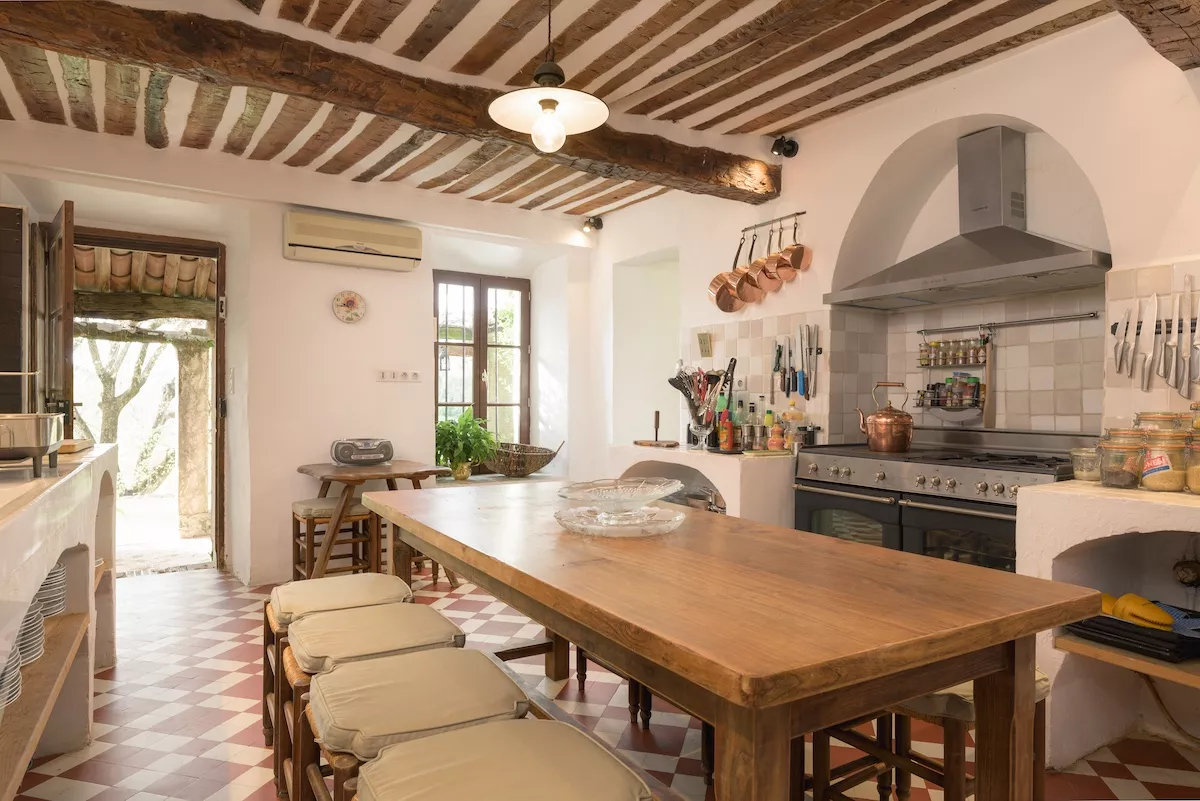
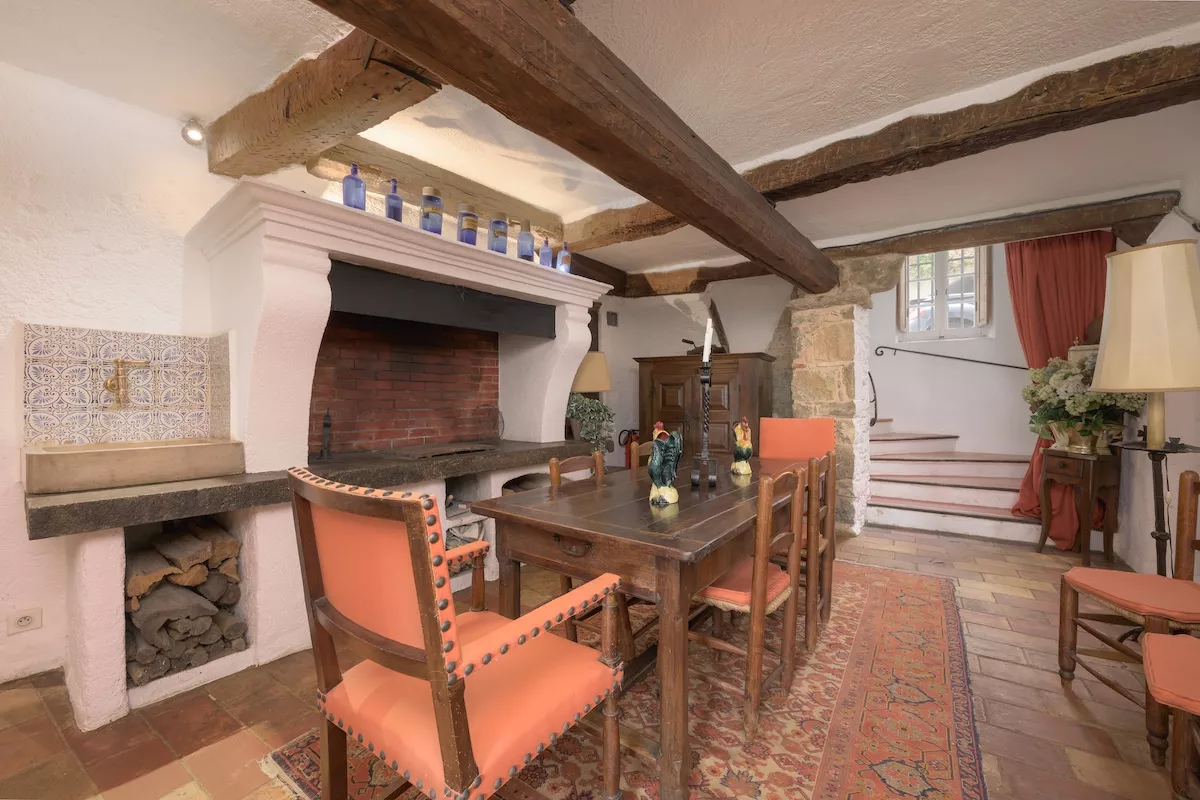
For all its age, Domaine de La Sylviane is a working home rather than a museum piece. The principal residence, ‘Le Manoir’, is arranged around an inner courtyard, its reception rooms set beneath exposed beams.
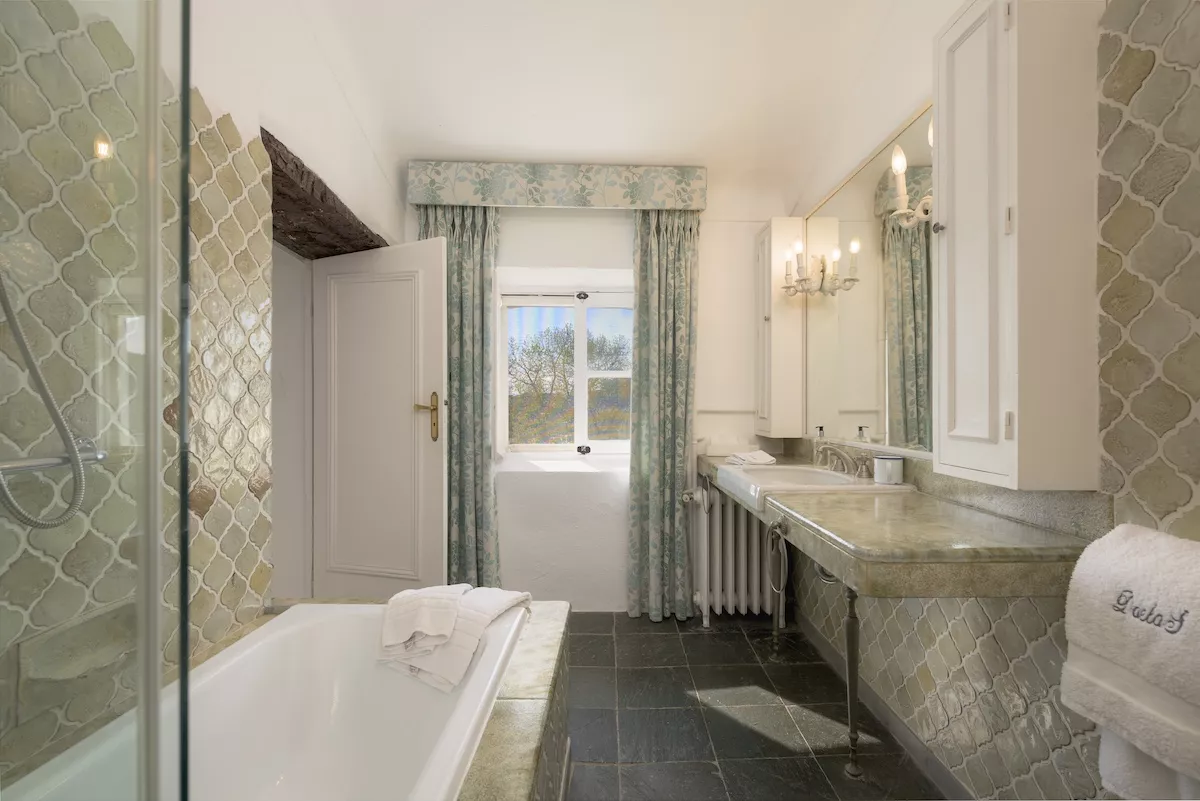
A private lift now serves the upper floors — one of several modern additions, alongside air conditioning throughout, that have been worked into the old walls without stripping them of character. The rooms are charming rather than palatial, a legacy of the building’s first life.
Room to live, room to host
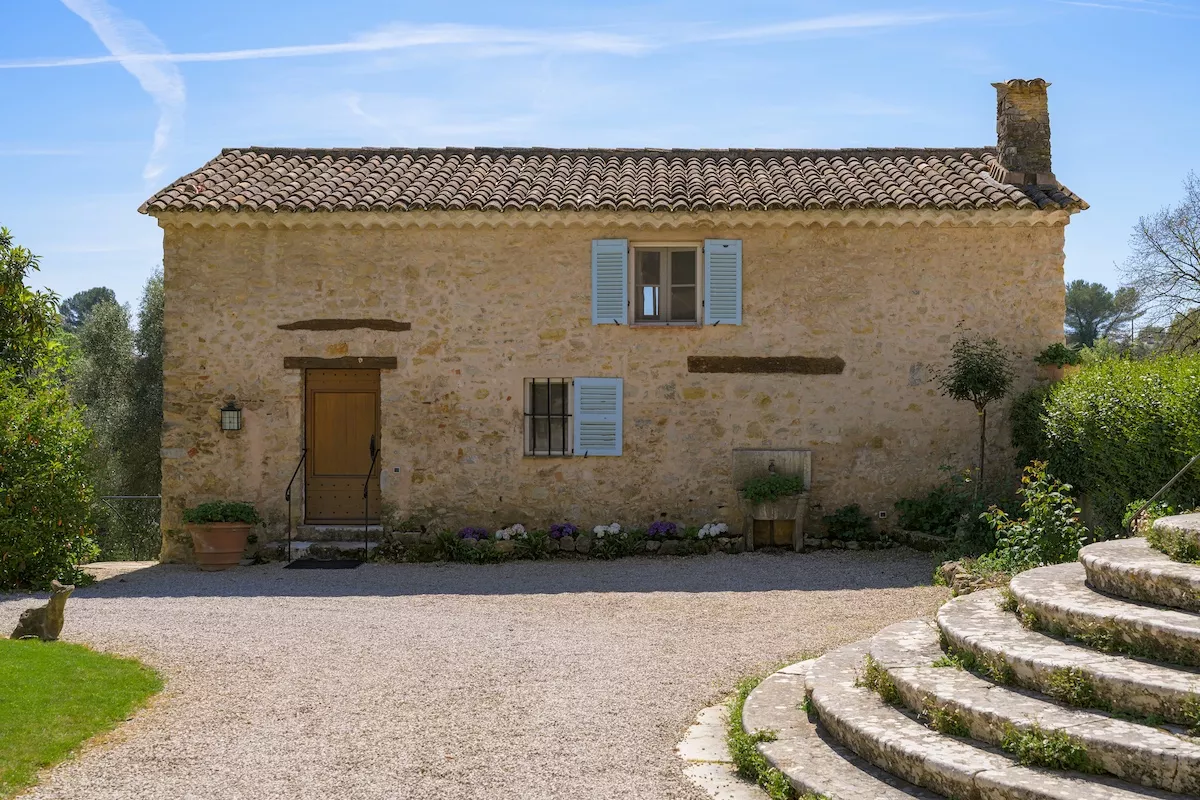
Beyond the manor, the estate offers the flexibility that comes with several independent buildings. ‘La Ferme’ adjoins the main house and is divided into two self-contained apartments opening onto the olive groves. ‘La Bergerie’, thought to be the oldest building on the estate, has been reworked into a characterful cottage with a beamed sitting room and fireplace, while ‘Le Pigeonnier’, a former home to the silent order’s carrier pigeons, now stands as a single-level guest house among the terraces.
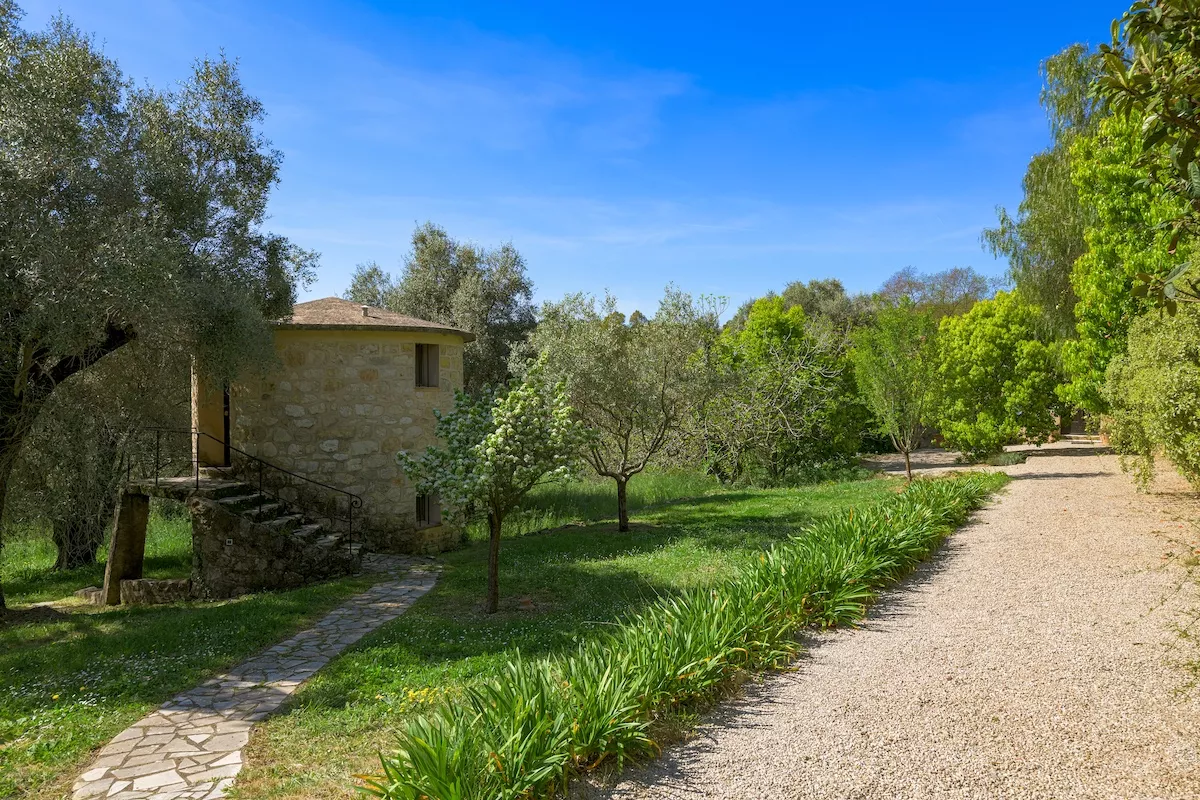
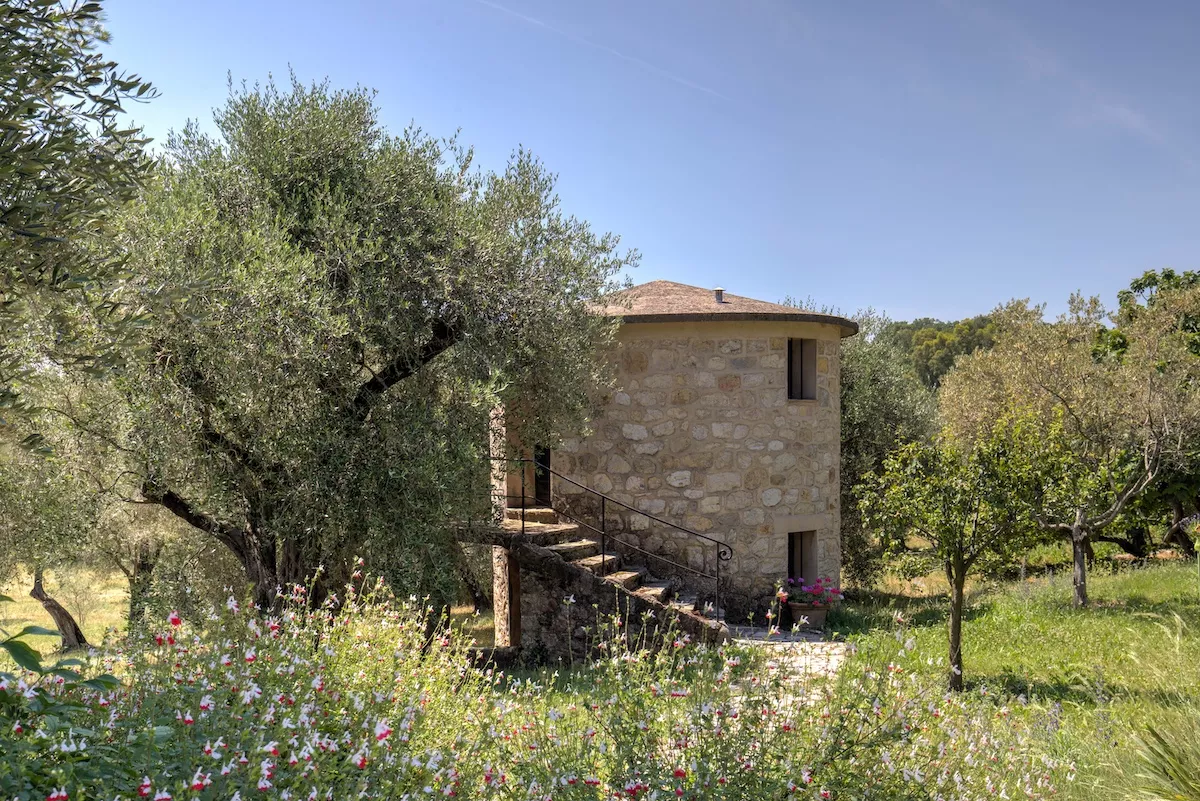
Staff accommodation is kept discreetly apart: a converted grain house, ‘La Tour’, rises among the olive trees, and a caretaker’s house sits just outside the gates, keeping the steady presence a domain of this size depends on. Because each building stands on its own, the estate lends itself as easily to multi-generational family life as to entertaining on a grand scale.
The grounds of Domaine de la Sylviane
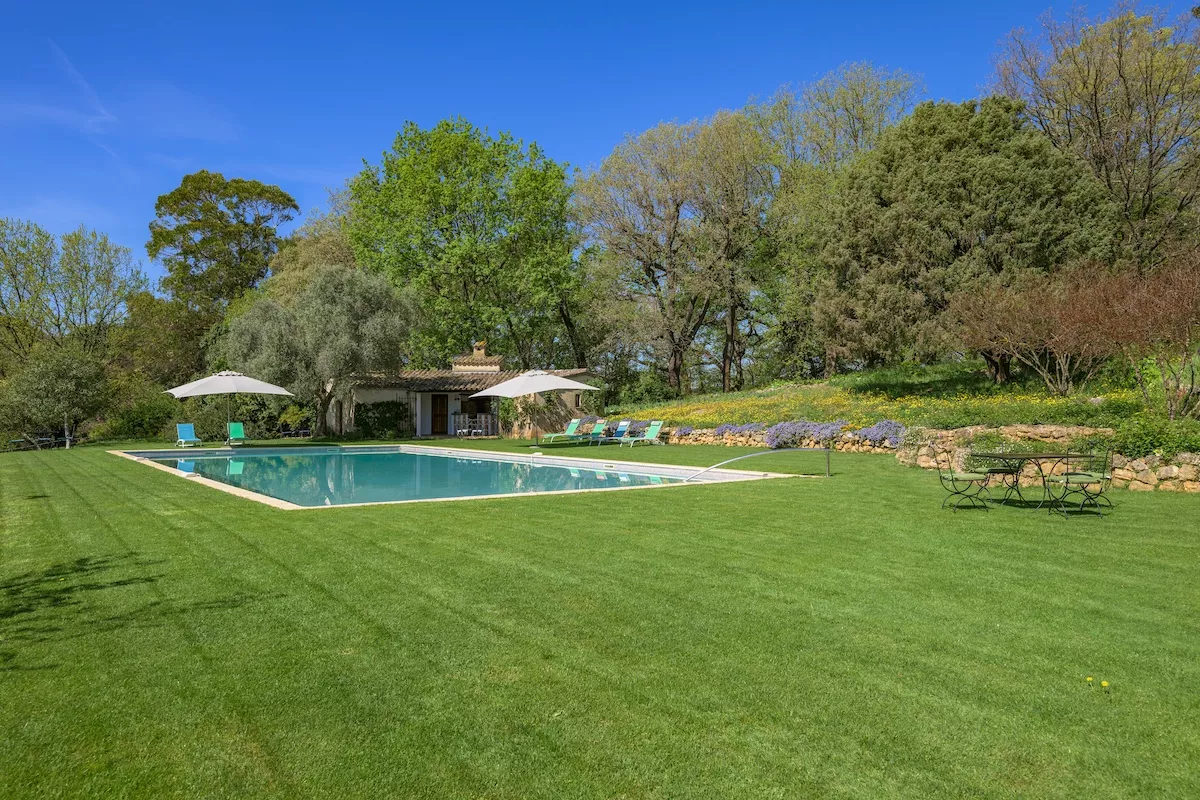
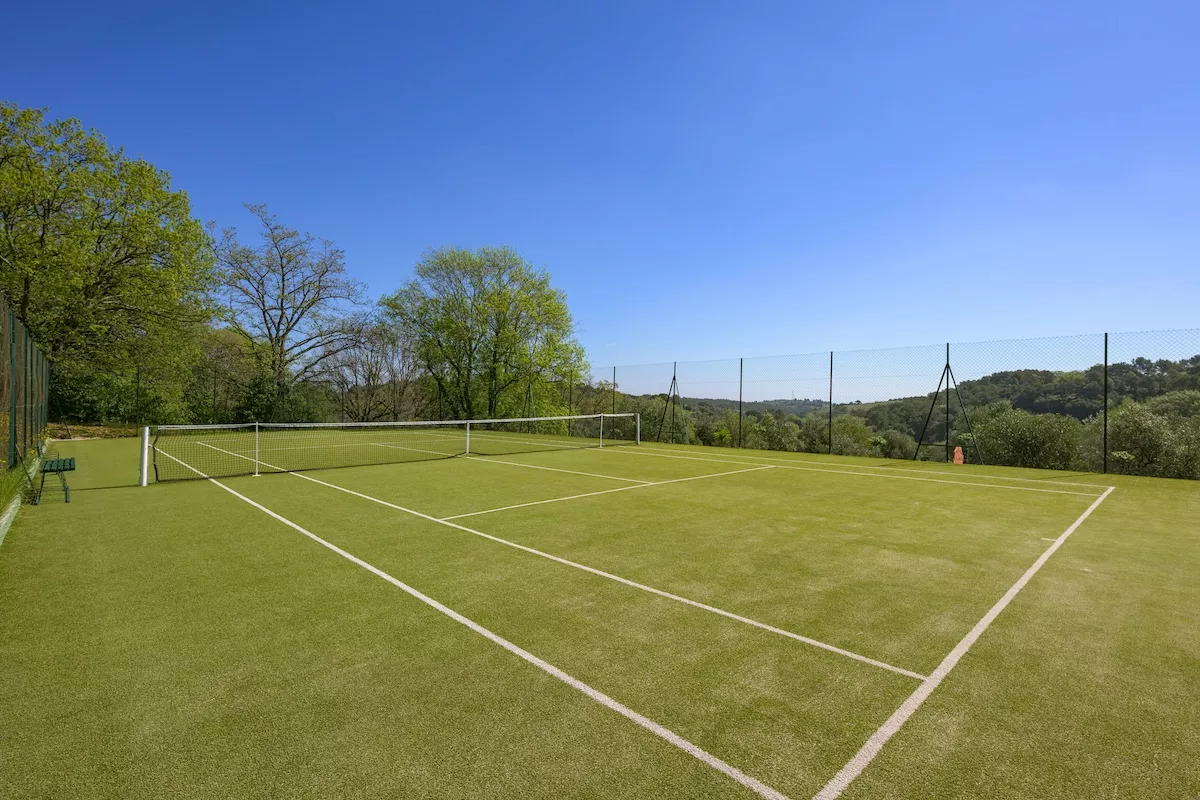
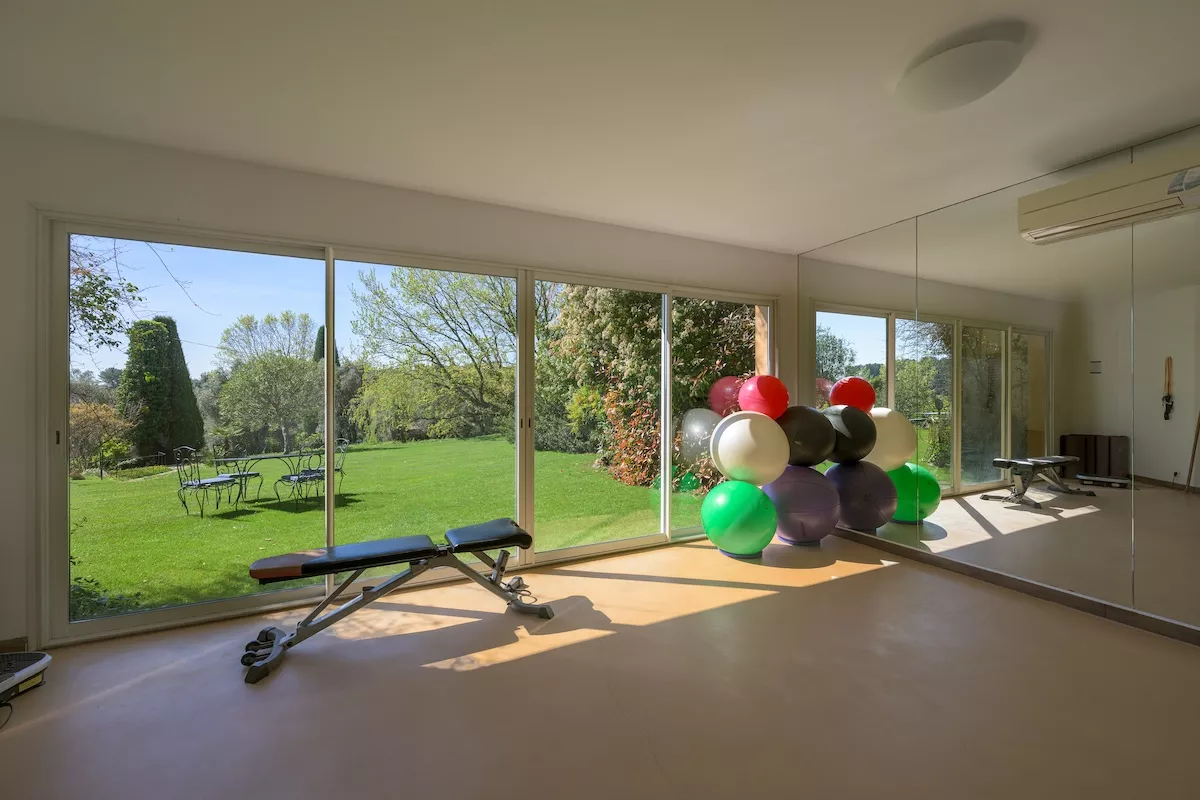
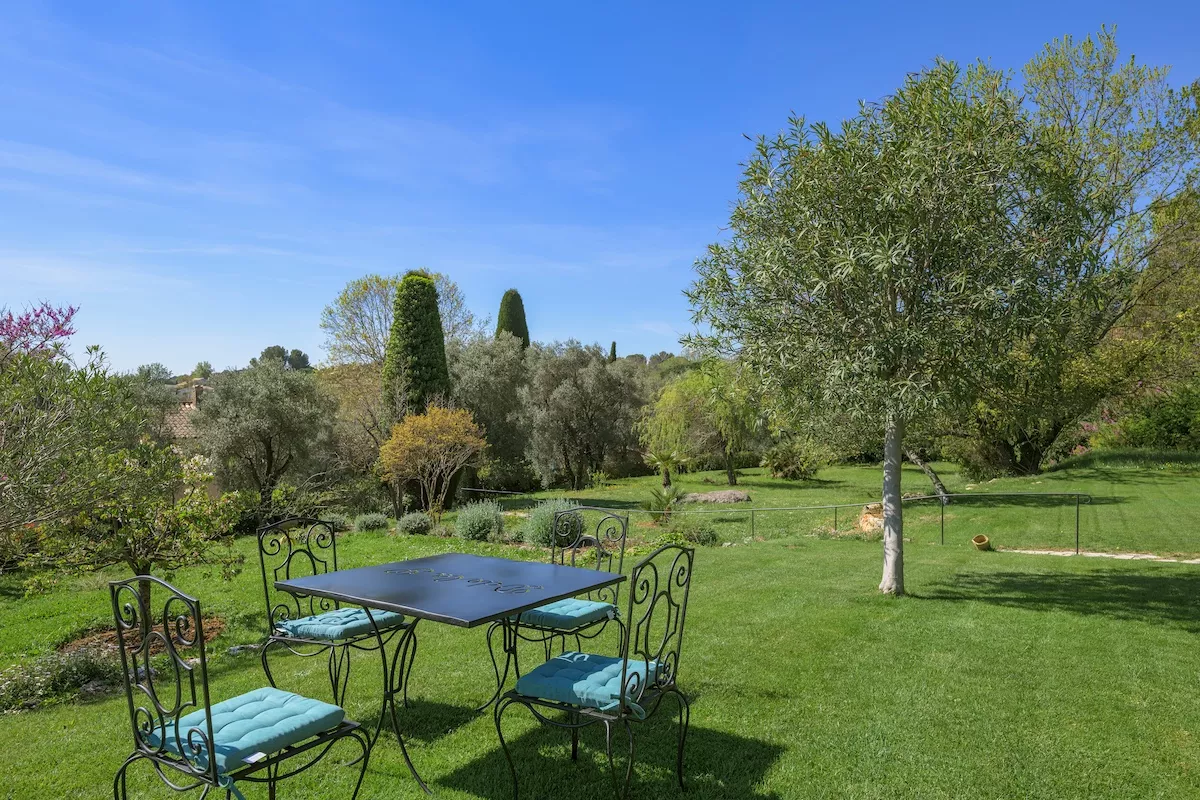
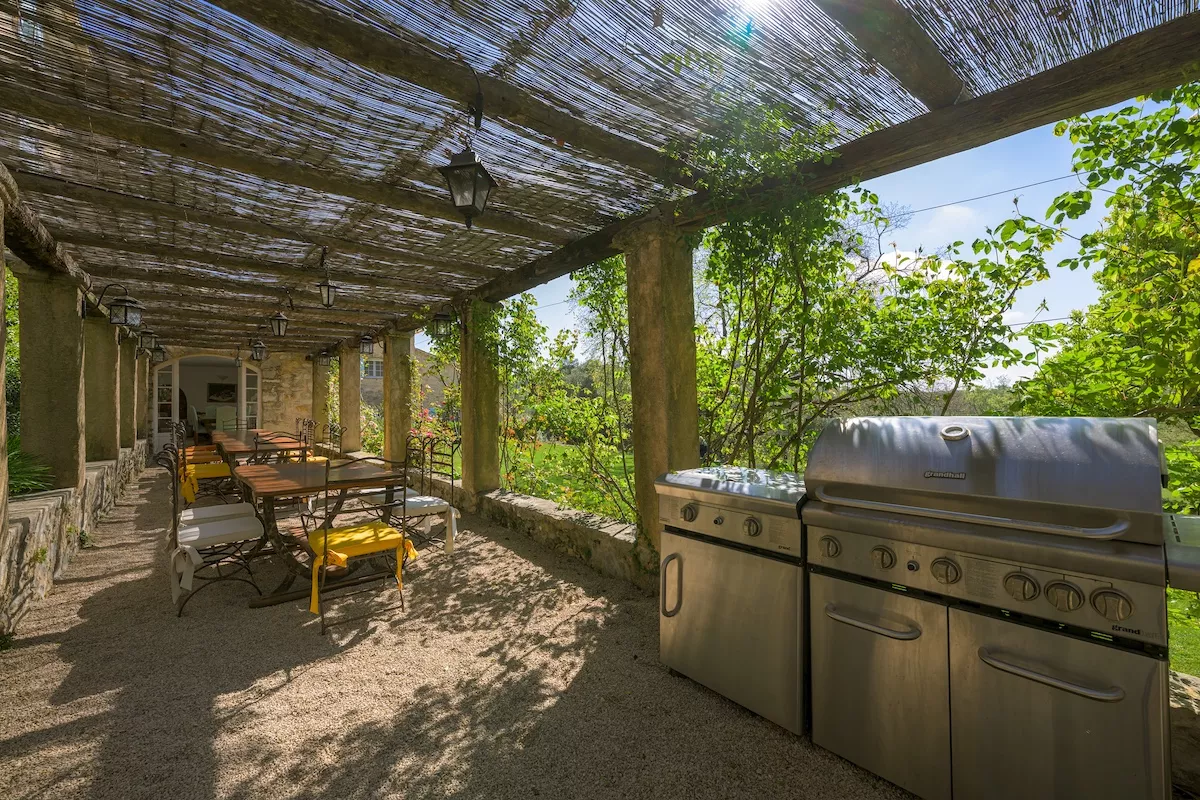
Much of the appeal lies beyond the walls. A vast heated swimming pool sits apart from the residences against a sweep of lawn, framed by olive trees, with a stone-and-timber pool house and a gym alongside. A synthetic tennis court looks down on the olive groves and the sea, while a pétanque court a few steps from the main house carries the ritual of the village square into the grounds. The olive grove anchors it all, a landscape little changed for generations and still tended much as it always has been.
The seclusion is near-total and the whole property is enclosed. “It offers security without feeling like a fortress,” says Weiser.
Why Domaine de la Sylviane is so rare
Estates of this scale, provenance and privacy are rare anywhere, and rarer still here. Valbonne lies in the green hills of the Alpes-Maritimes behind Cannes and Antibes, a tranquil, long-prized pocket of the Riviera that has drawn an international set in search of space, discretion and the Provençal way of life without surrendering the coast.
For Philip Weiser, the draw is human in scale rather than showy. “The land itself is invaluable simply because you cannot find land like this anymore,” he says. The buyers he has in mind are not chasing a trophy, “looking for glamour, wild parties or ostentation”. They are from northern Europe, perhaps, or a cultivated American, or Australians and New Zealanders who have built successful businesses around the world and want an authentic home in the South of France.
What such a buyer would be acquiring has no obvious equal on the Riviera: a former monastery turned private hamlet, eight centuries of history worked into its stone, an olive grove that still presses its own oil, and ten hectares of near-total seclusion, all a ten-minute walk from one of the loveliest old villages in Provence. Land like this is no longer made, and estates like this seldom, if ever, come to market.
The Domaine de la Sylviane is marketed by Carlton International, the French Riviera specialist founded in 1995 and now operating with six offices from Saint-Tropez to Monaco. The property is listed under reference 15114, with the price available on request through the agency’s Valbonne office: Tel: +33 (0)4 92 94 09 94 or mobile: +33(0)6 60 96 95 01 – info@carlton-group.com
See more photos of Domaine de la Sylvaine in the gallery below…
Monaco Life is produced by qualified, multi-media journalists writing original content. See more in our free newsletter, follow our Podcasts on Spotify, and check us out on Facebook, Instagram, LinkedIn and Tik Tok.
Photos courtesy of Carlton International