


For many high-functioning professionals, managing a demanding lifestyle is a daily exercise in precision. As interest in ‘performance medicine’ grows, a trend is emerging among some successful professionals: travel to clinics in the Swiss Alps for a procedure known as Inuspheresis.
We live in an era where life expectancy has increased, yet many report persistent, non-specific health issues—such as chronic fatigue, brain fog, and systemic inflammation—that often defy a clear diagnosis.
Clinical observers have begun to look beyond simple lifestyle adjustments to investigate how biological factors contribute to these conditions. “Environmental toxins, immune overload, and the relentless pressures of modern life are placing a cumulative strain on the body that it can no longer manage on its own,” explains Felix Strobl, Business Development Manager at Ayus, a centre specialising in environmental medicine and Inuspheresis, in an interview with Monaco Life. “What we have lacked is a structured medical response—a way to move past treating individual symptoms and instead confront the broader, holistic nature of the problem.”
The clinical experience
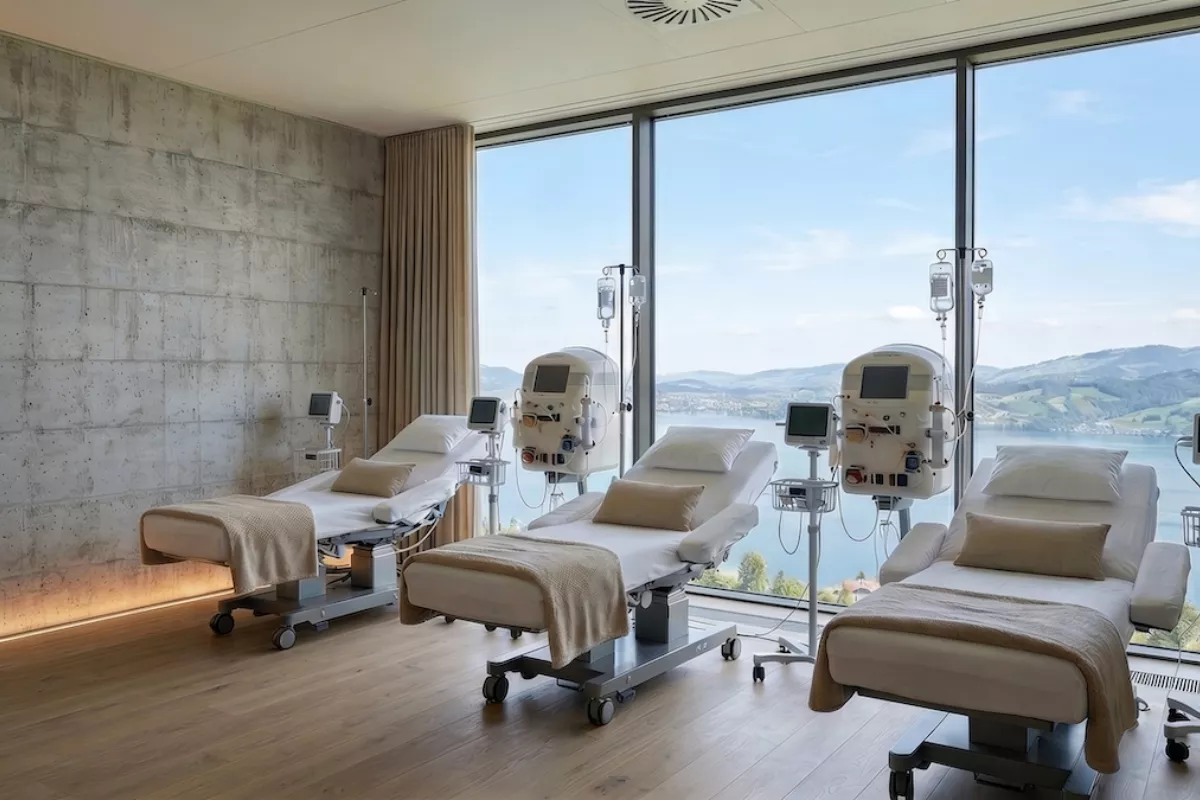
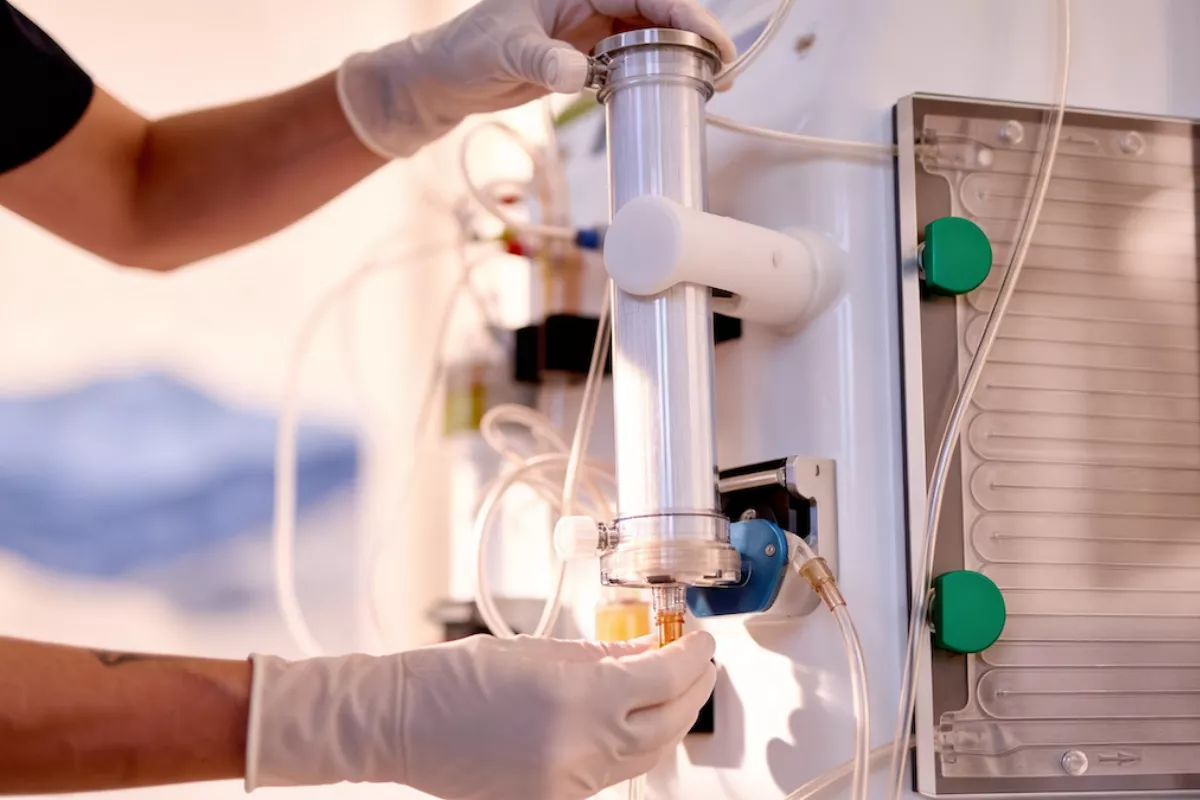
At its core, Inuspheresis—a high-tech procedure known as double-filtration plasmapheresis (DFPP)—is designed to cleanse the blood plasma. During a session of approximately two hours, blood is gently drawn from the patient and passed through a sophisticated filtration system that separates the plasma from the blood cells.
This plasma then travels through a secondary filter, tailored to the patient’s specific profile to capture a broad spectrum of environmental toxins, inflammatory markers, and accumulated waste products. Once this filtration is complete, the purified plasma is rejoined with the blood cells and safely returned to the patient.
While double-filtration plasmapheresis is an established medical procedure used in hospitals to treat severe autoimmune conditions and specific lipid disorders, its application as a ‘biological tune-up’ for otherwise healthy individuals is considered an elective, non-standard practice.
Scientific scrutiny: Is detoxification real?
While proponents highlight the procedure’s ability to remove targeted markers, the scientific rationale behind elective ‘detoxification’ remains a subject of debate. Dr. Robin Mesnage, Scientific Director at Buchinger Wilhelmi Clinic, urges caution.
“I have heard about this approach, but I remain cautious about the ‘detoxification’ rationale,” says Dr. Mesnage. “They advocate that they can remove harmful substances, but how can they differentiate between harmful and healthy elements in blood?”
He points out that biology rarely draws a clear line between ‘good’ and ‘bad’ molecules. “Antibodies, inflammatory mediators, lipoproteins, and many other circulating factors have different physiological functions. It really depends on context, even when they are associated with disease.”
A significant challenge, according to Dr. Mesnage, is that “disease-associated molecules do not carry a specific tag identifying them as harmful.” Because blood filtration techniques generally remove classes of molecules based on their physical properties rather than their specific role in a disease, he warns that “potentially beneficial and potentially harmful molecules may be removed together.”
Perspectives on efficacy
Practitioners at centres specialising in Inuspheresis maintain that the procedure offers a data-driven approach to wellness, suggesting that analysing the ‘eluate’—the material captured by the filters—provides insights into a patient’s toxic load that can guide long-term health planning. Strobl says that the procedure is CE-marked and operates under strictly regulated Swissmedic-approved protocols.
He describes the patient experience as a lifting of ‘background noise’, adding: “It’s not just about blood tests; it’s about how you feel when you wake up. Patients often report that their energy returns and that chronic ‘brain fog’ finally lifts, allowing them to think clearly again.”
The human touch in a high-tech world
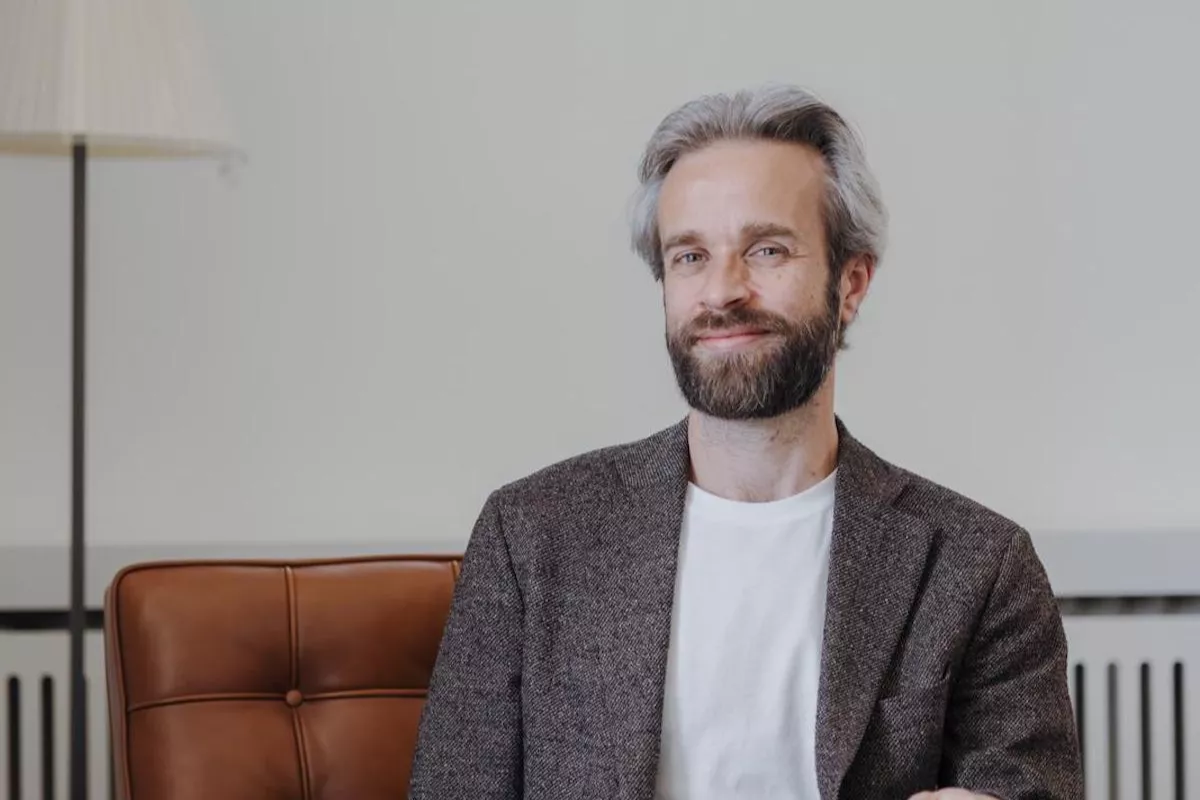
The value of the procedure, according to its practitioners, extends beyond the technology itself. Strobl—who is also a tenor—argues that performance medicine must remain human-centric. His approach integrates vocal techniques and breathing exercises designed to stimulate the vagus nerve and regulate the nervous system.
“Technology is a fantastic tool,” he says, “but it works best when it is combined with the regulatory mechanisms we all carry within us.” By calming the body through these techniques before the filtration procedure, he believes the restorative benefits are amplified.
Insights from the WAIB Summit
The concept recently took centre stage at the WAIB Summit 2026, where Felix Strobl presented alongside Dr. Irene Ching, focusing on the idea of “age resilience”. Their message was: true health is not about vanity, but about unburdening the body’s natural systems so they can function as they were designed to.
Monaco Life is produced by qualified, multi-media journalists writing original content. See more in our free newsletter, follow our Podcasts on Spotify, and check us out on Facebook, Instagram, LinkedIn and Tik Tok.
Main photo: Félix Strobl, Neuroscientist, Tenor, and Business Development Manager at Ayus, at the Big Bang Ki Festival / Photo credit: Offenblende-Andrej