

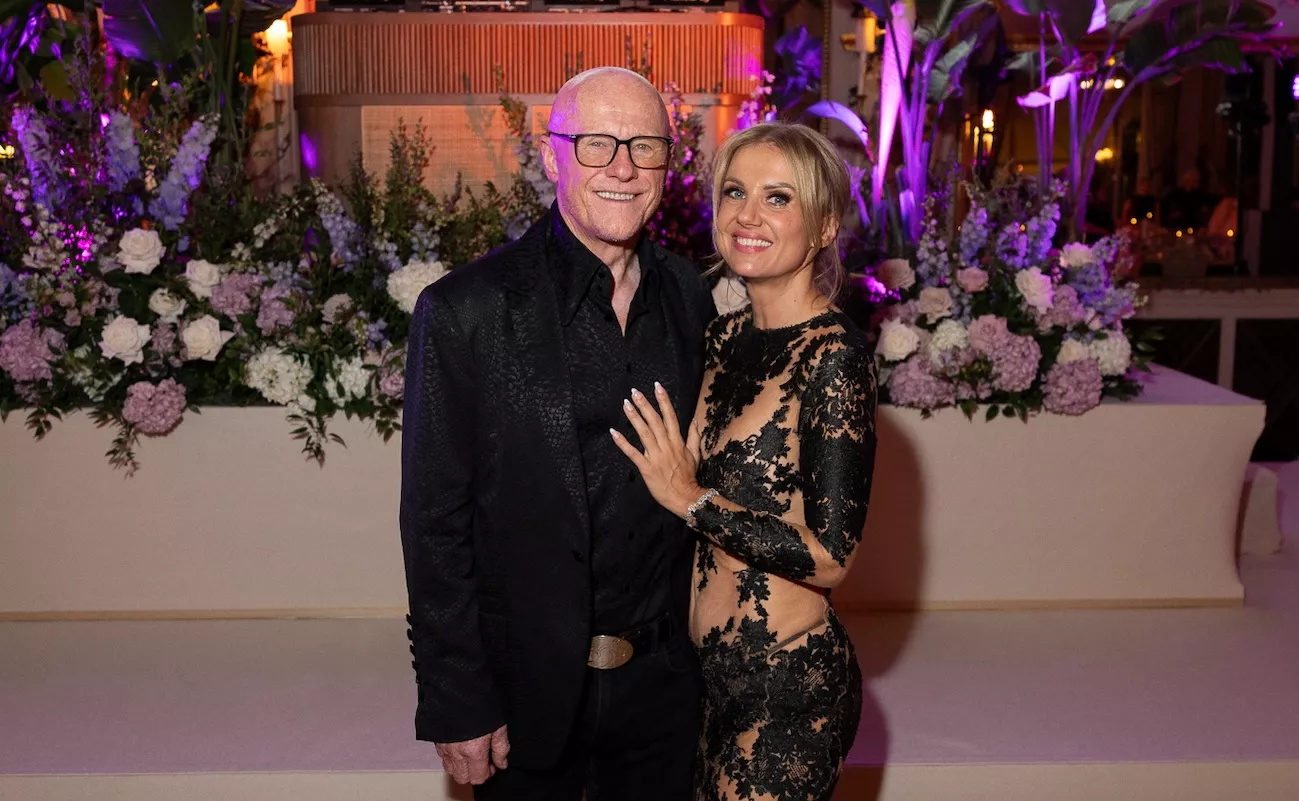
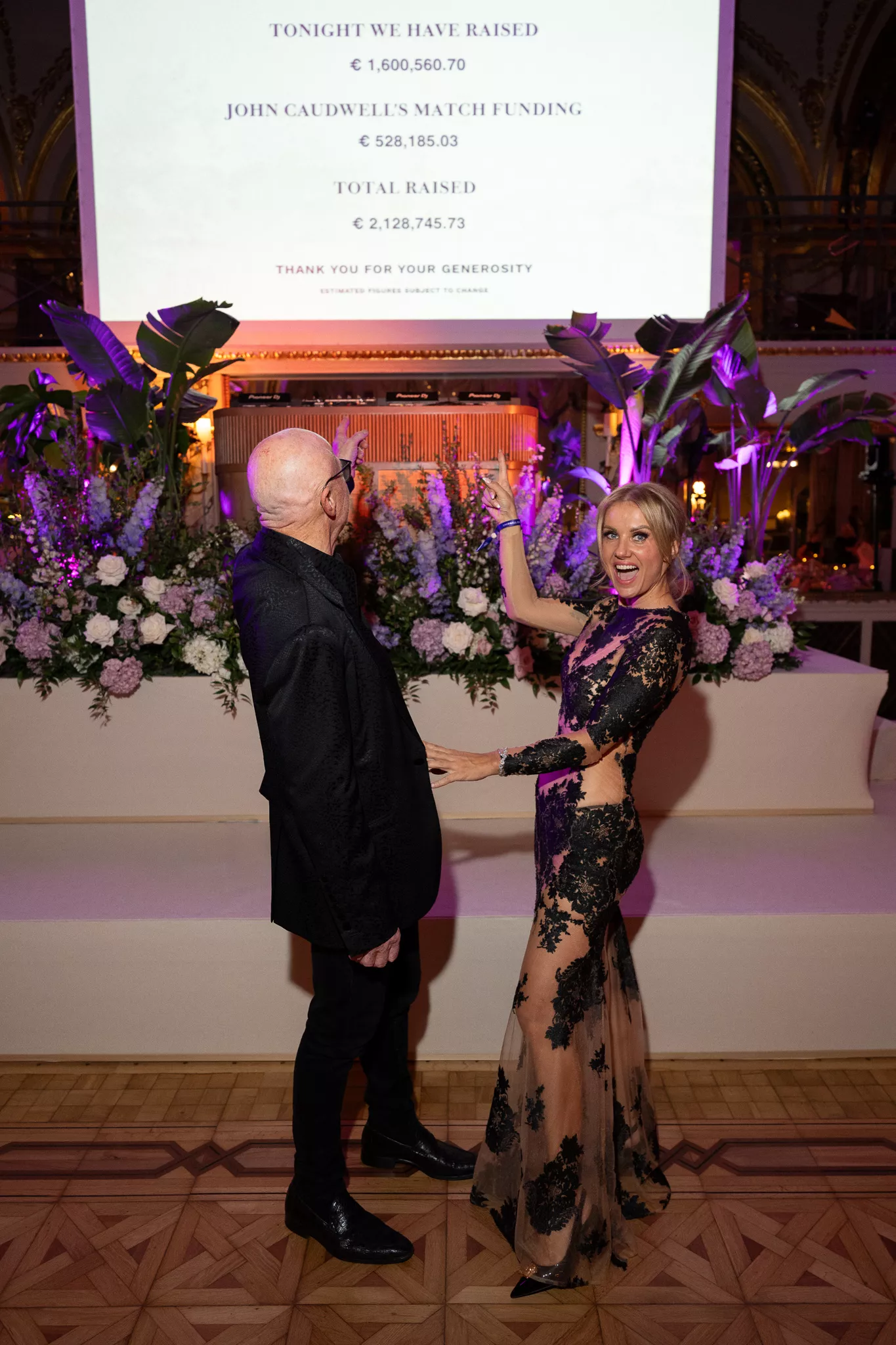
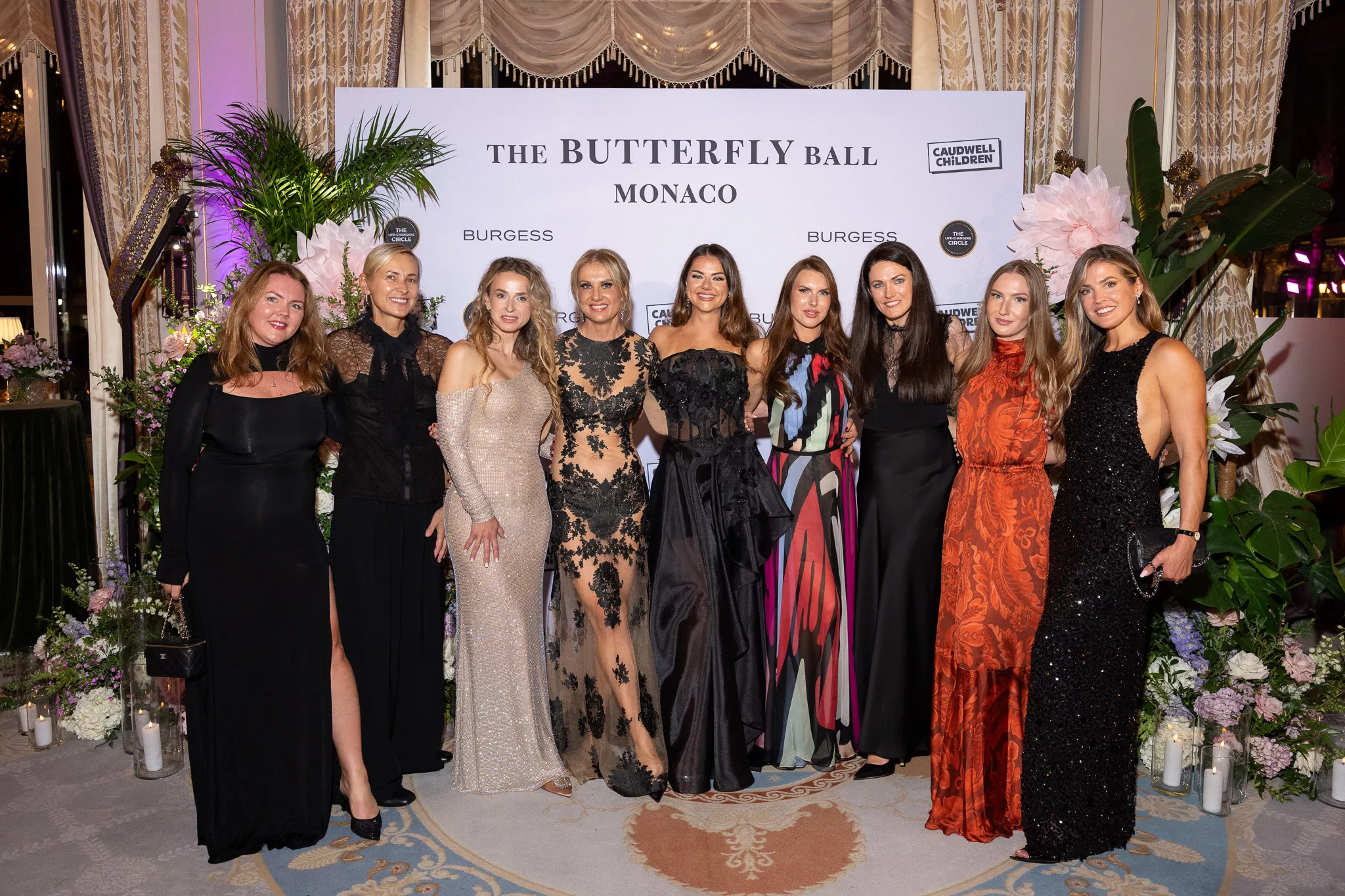
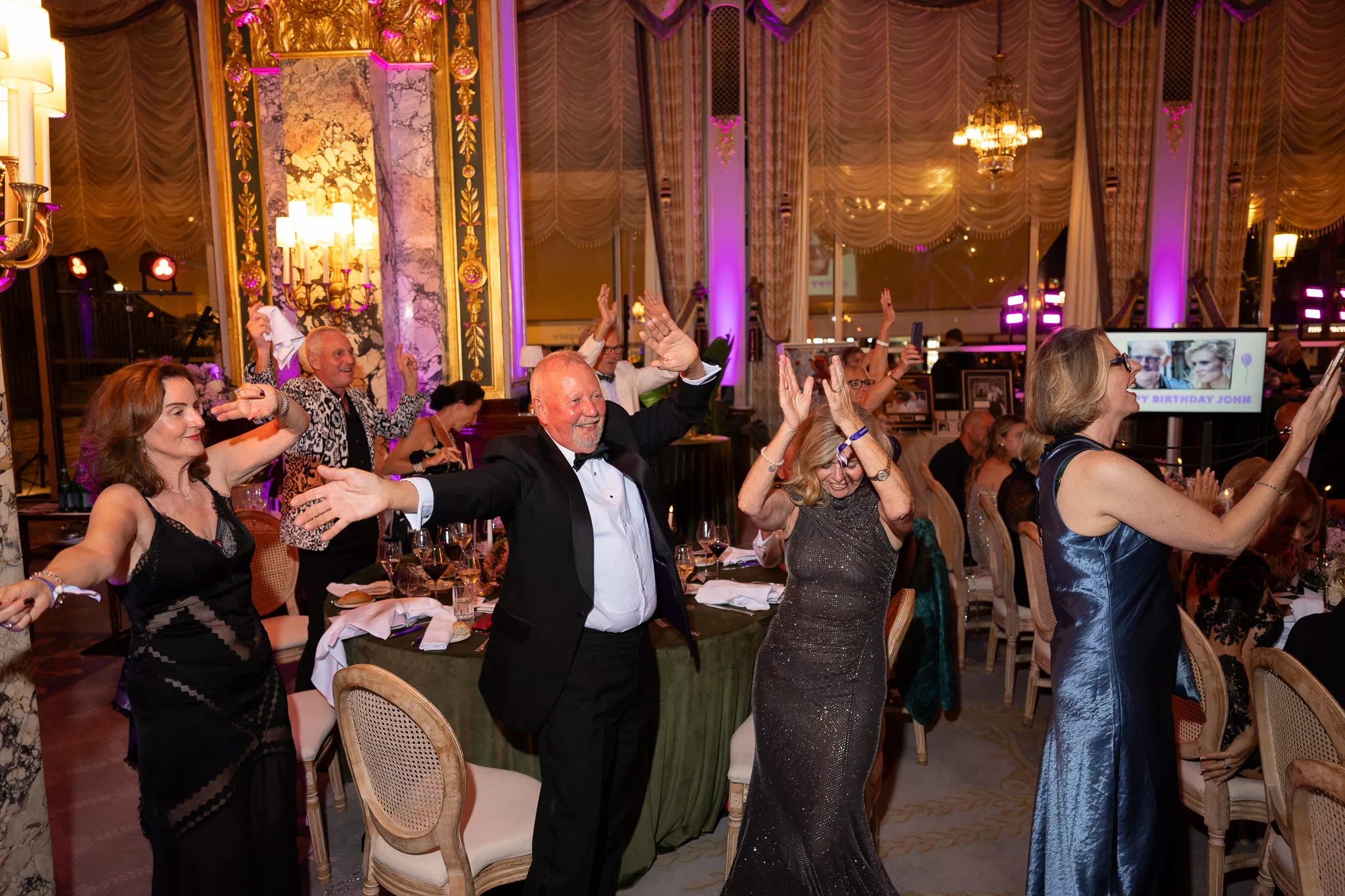
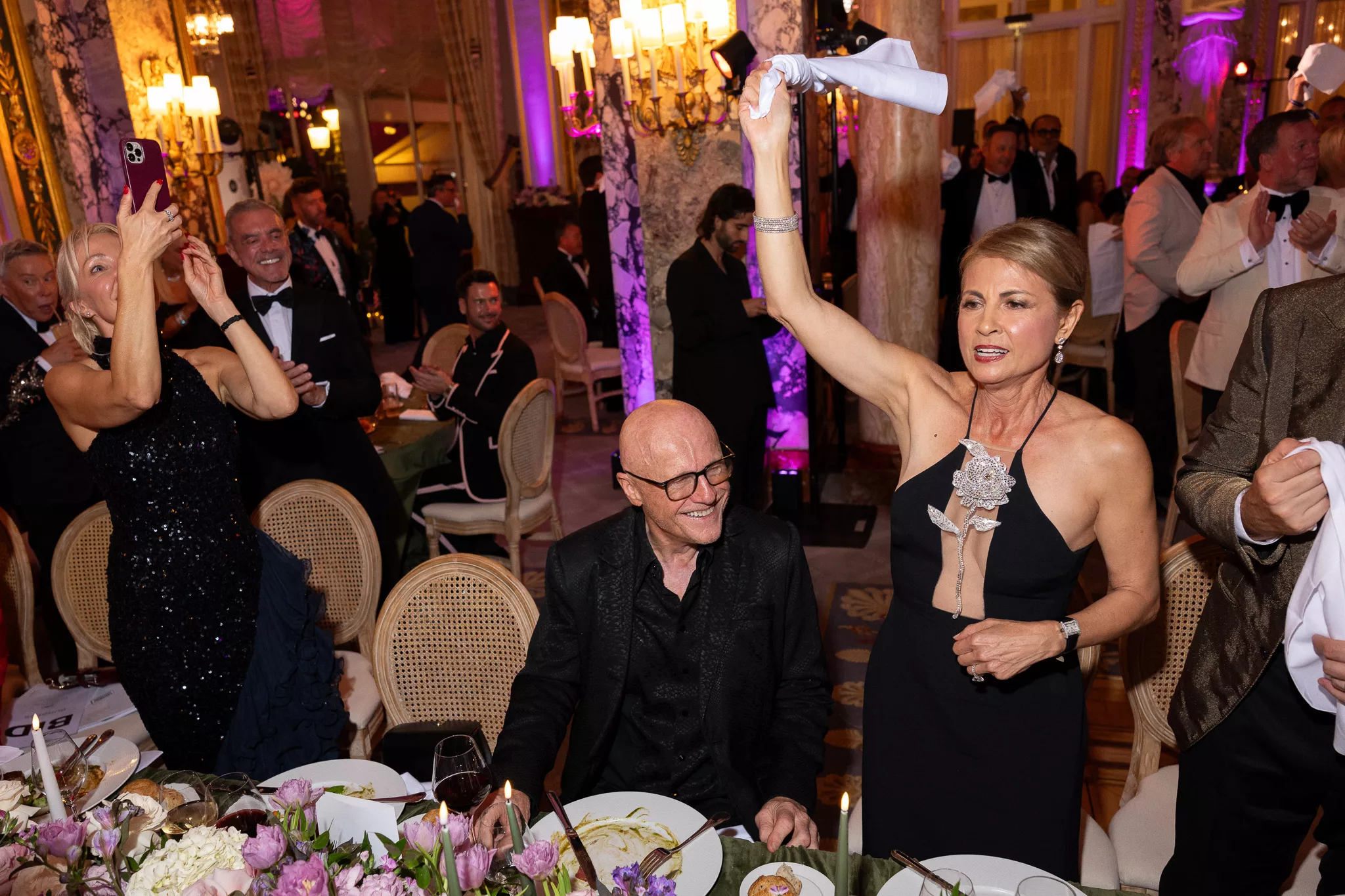
The Butterfly Ball returned to the Hôtel de Paris Monte-Carlo on Wednesday 7th October, raising €2.13 million for Caudwell Children, more than double last year’s total. Ahead of the gala, Monaco Life’s Cassandra Tanti spoke exclusively with billionaire philanthropist John Caudwell in his Monaco penthouse about the work behind the fundraising, his commitment to giving away 70% of his fortune, and why he believes the world’s wealthiest people could do considerably more.
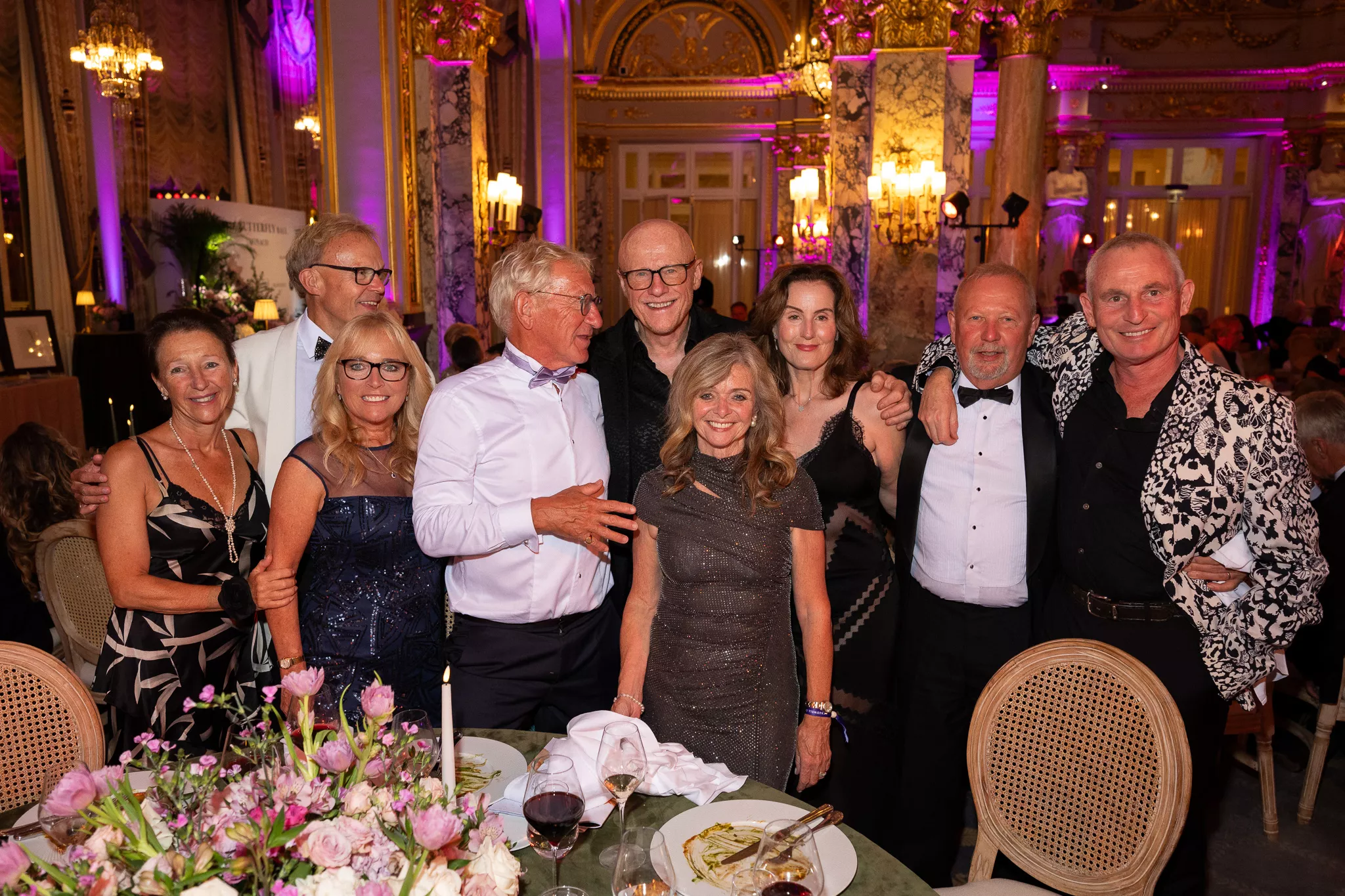
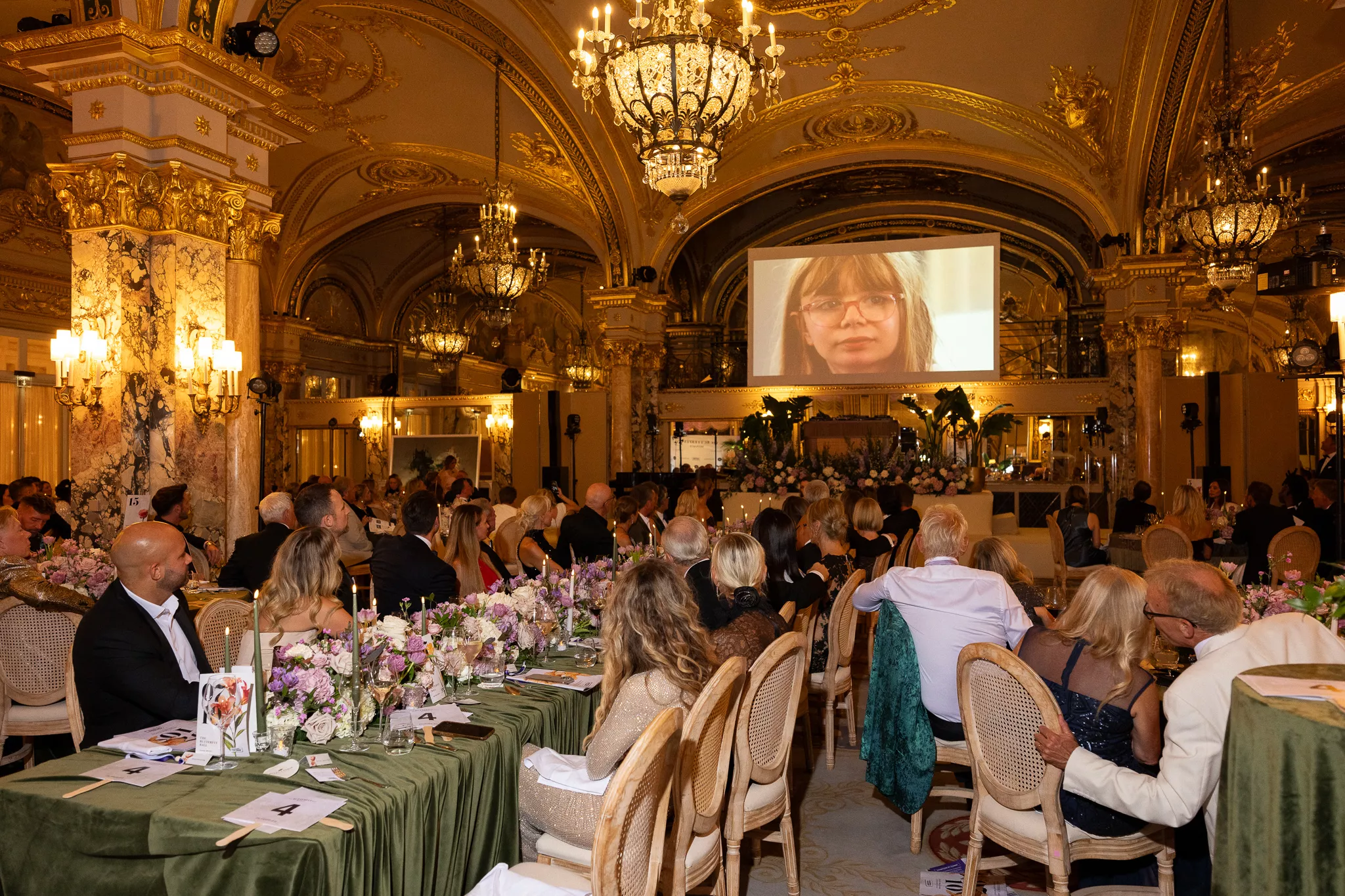
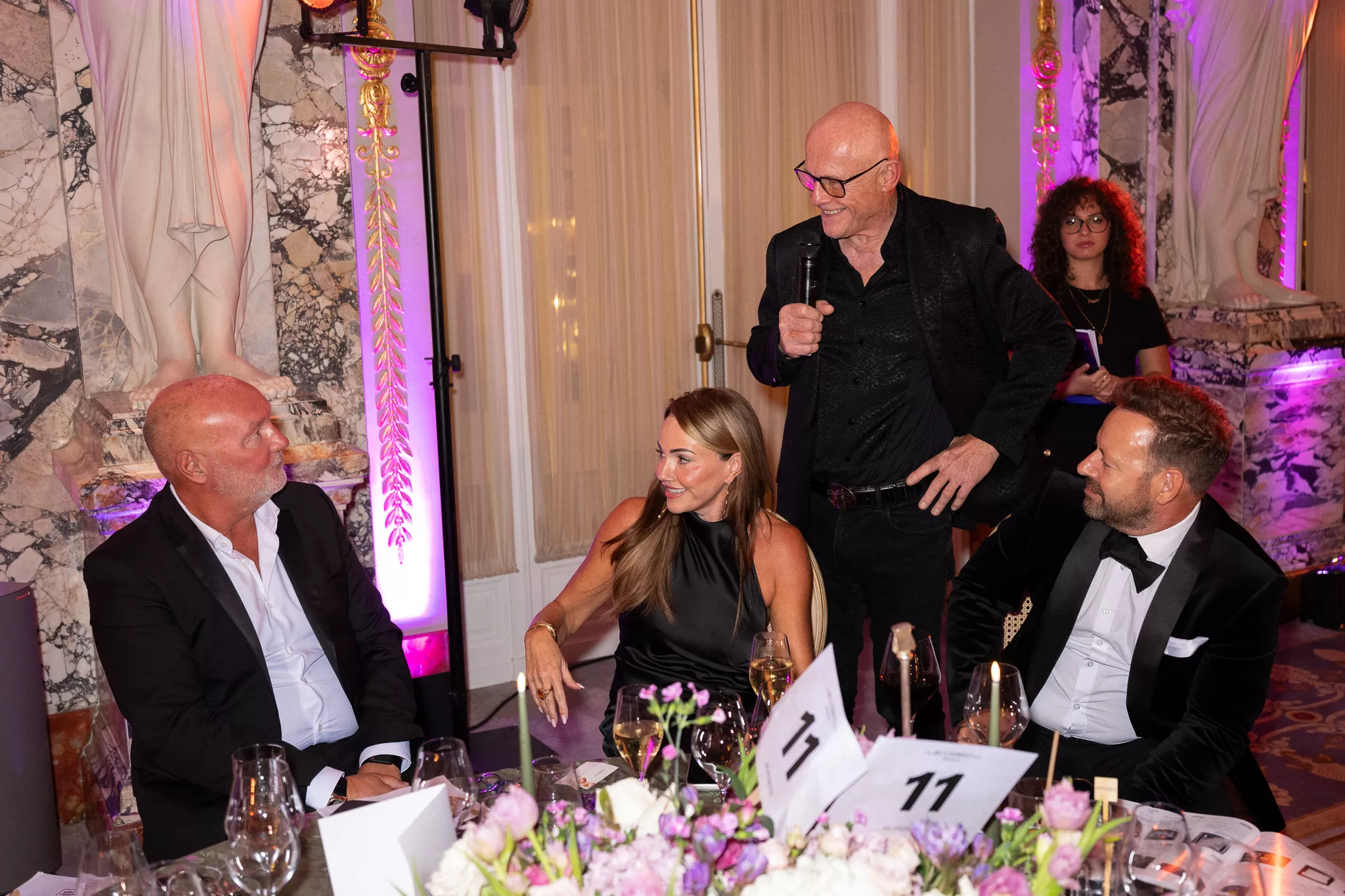
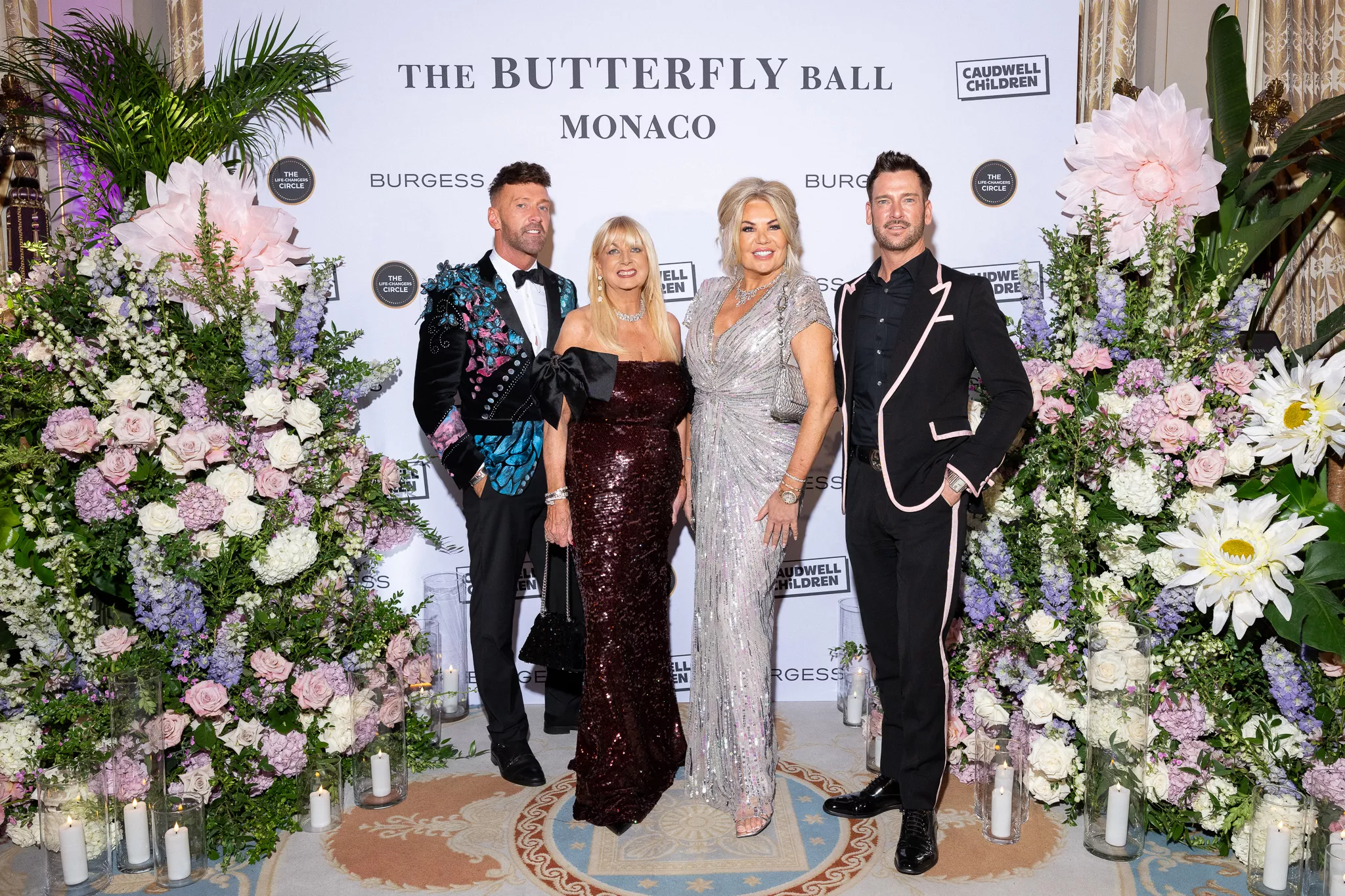
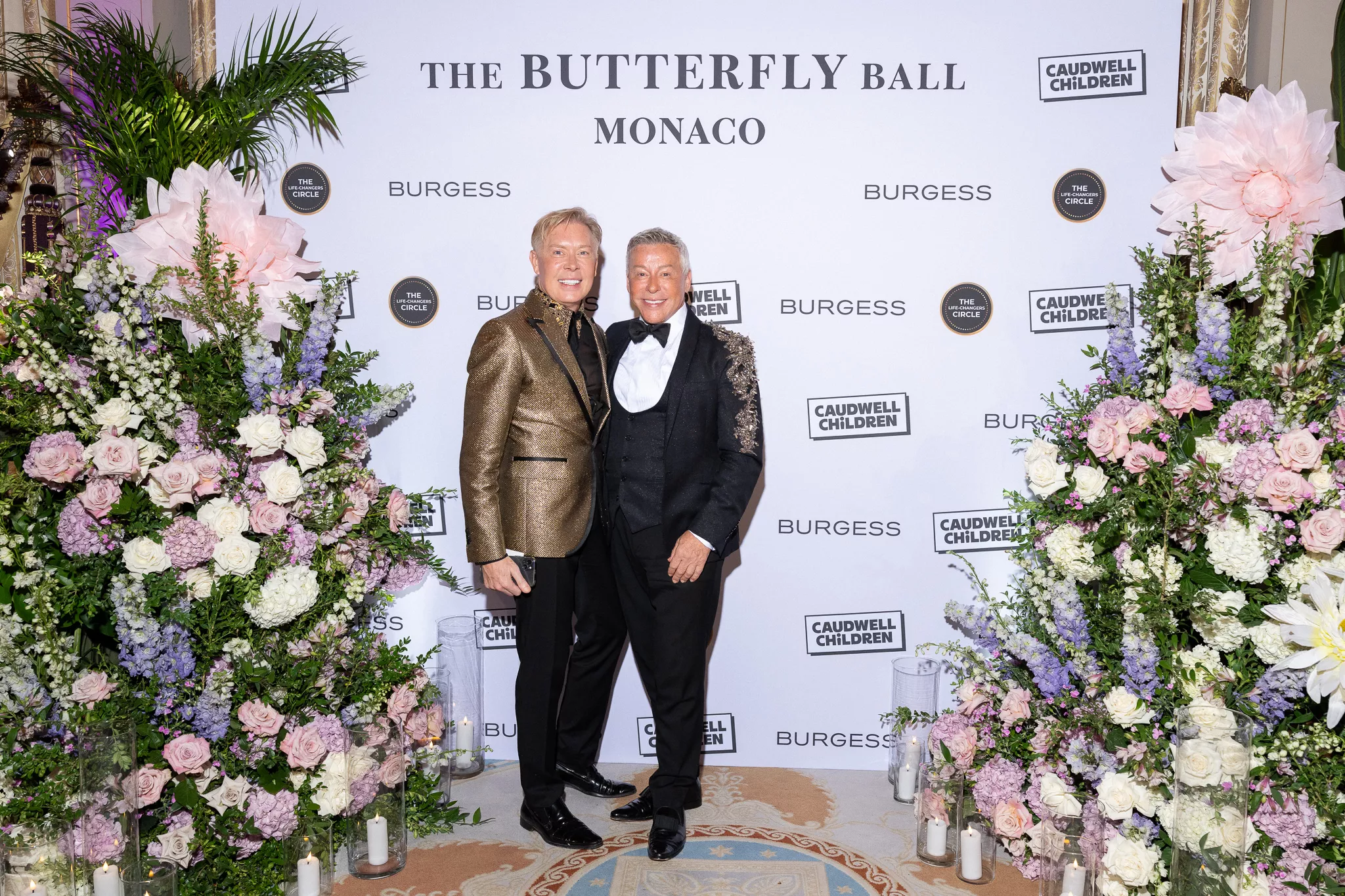
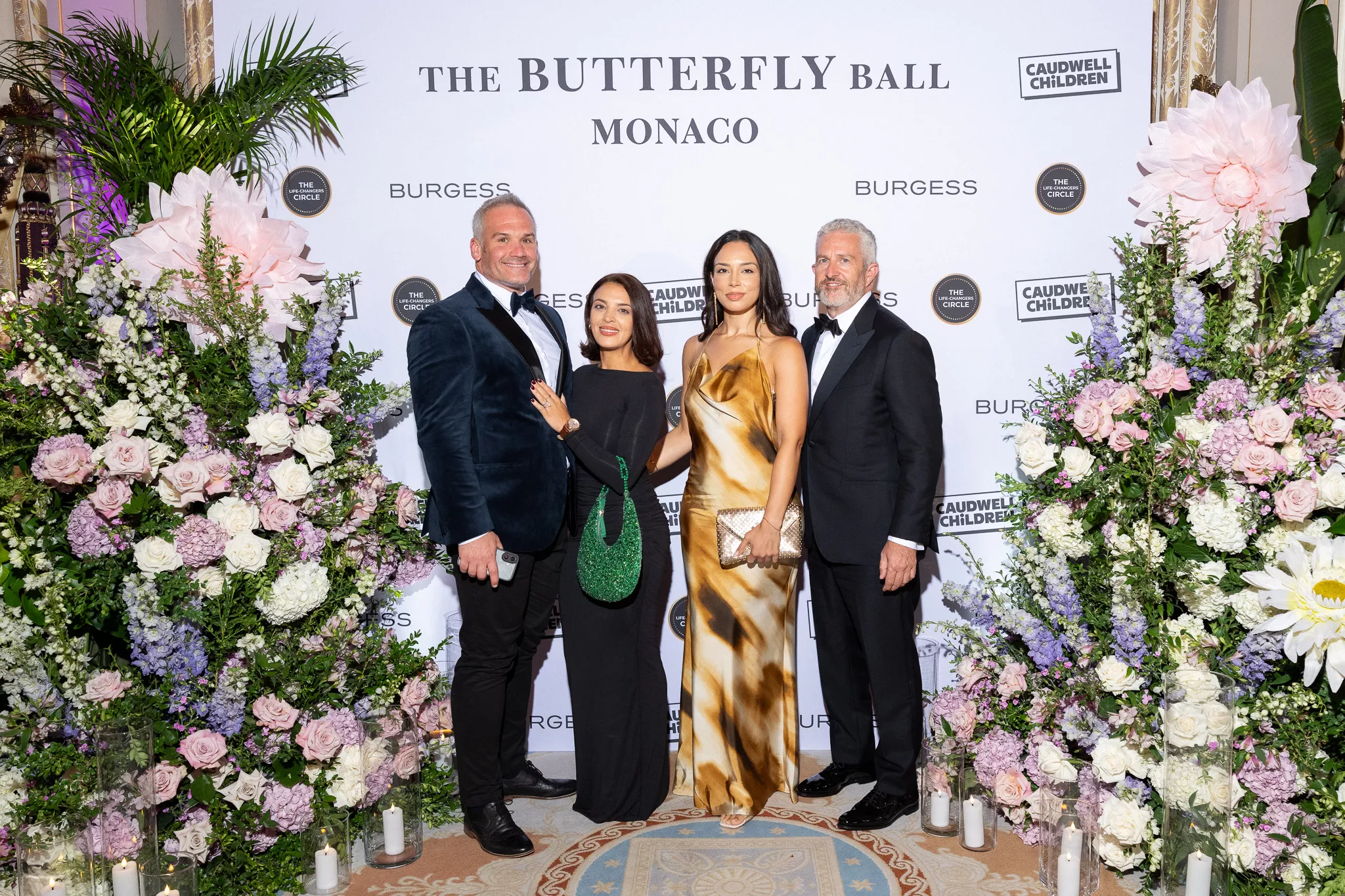
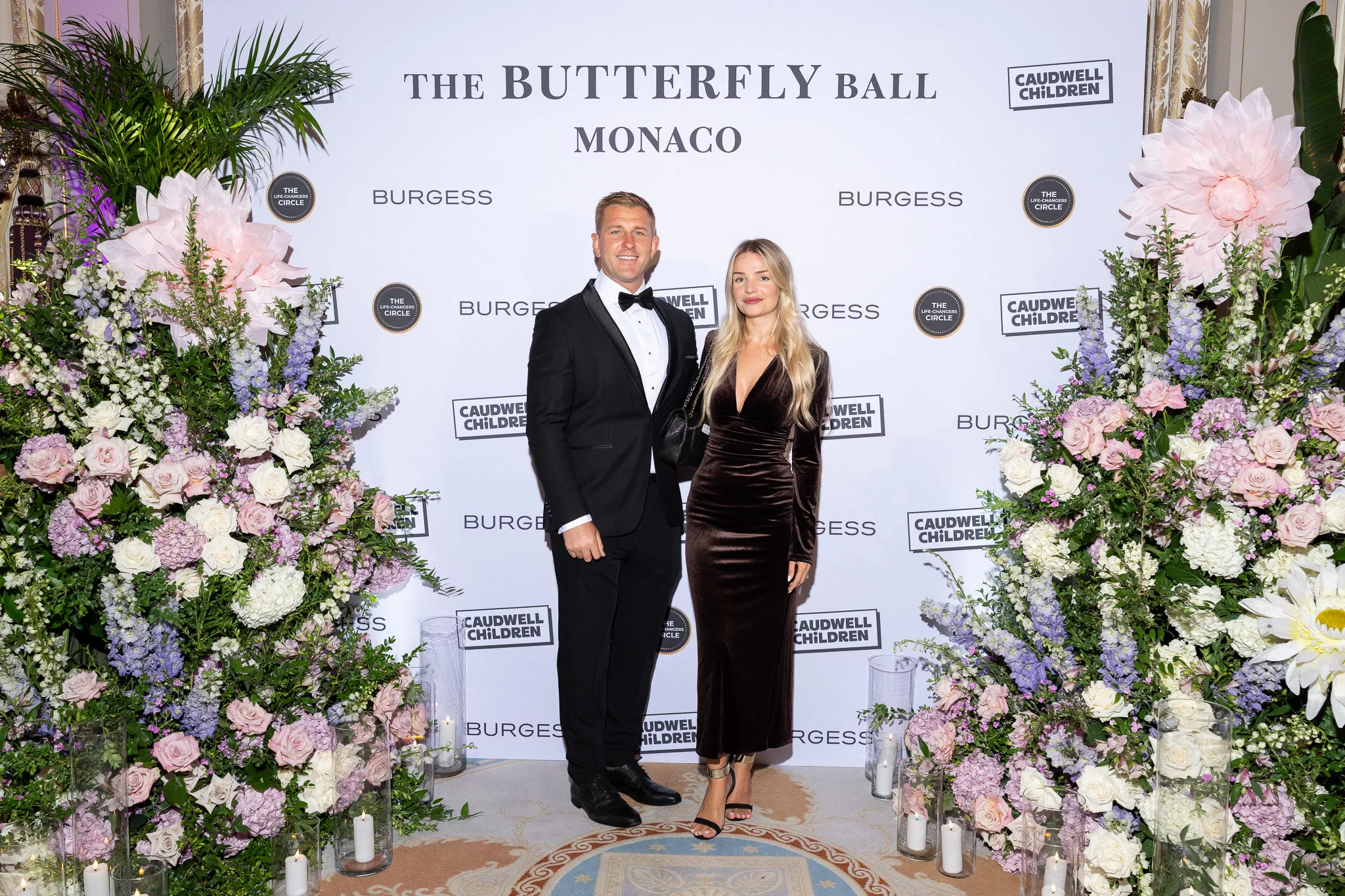
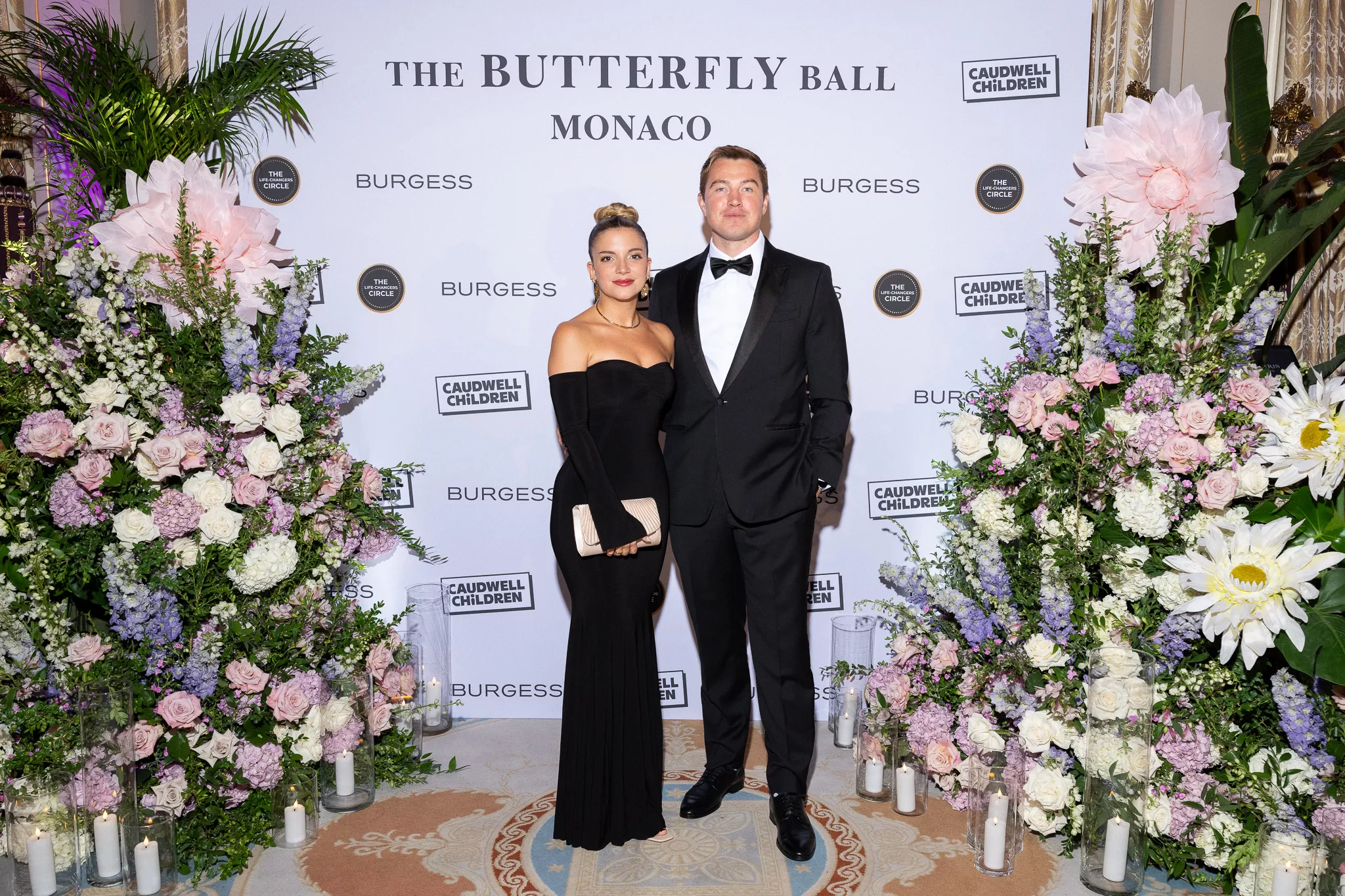
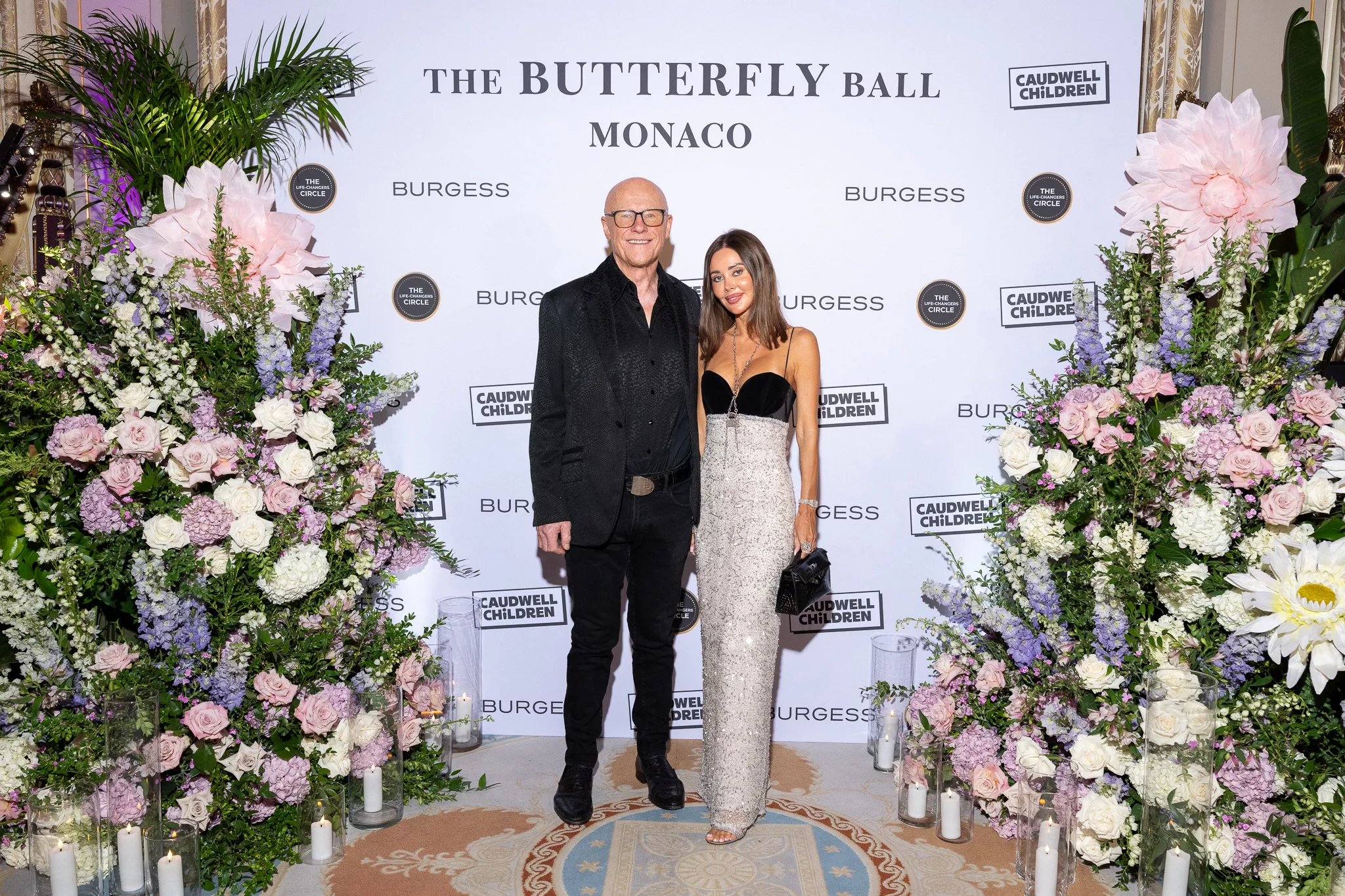
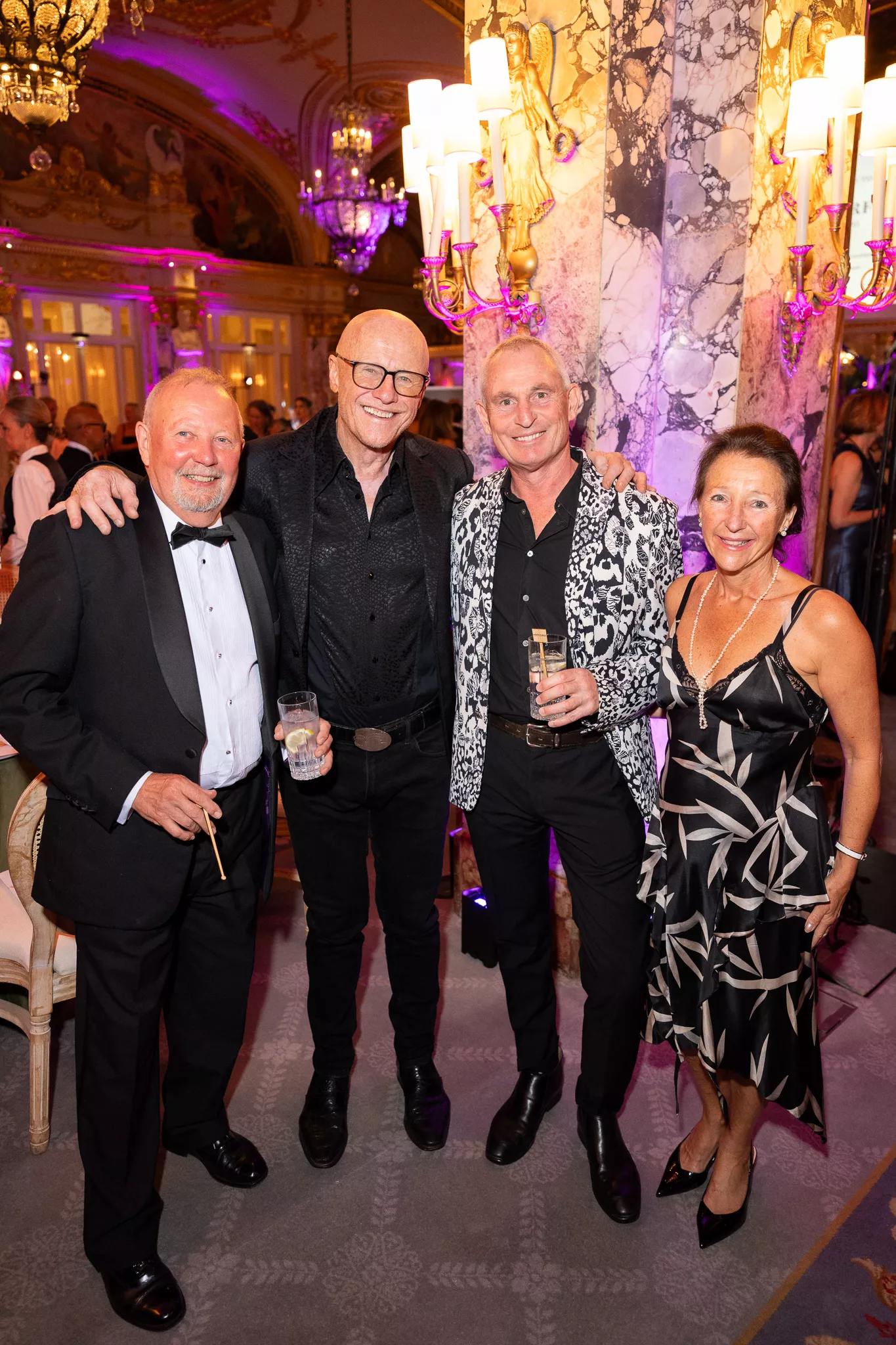
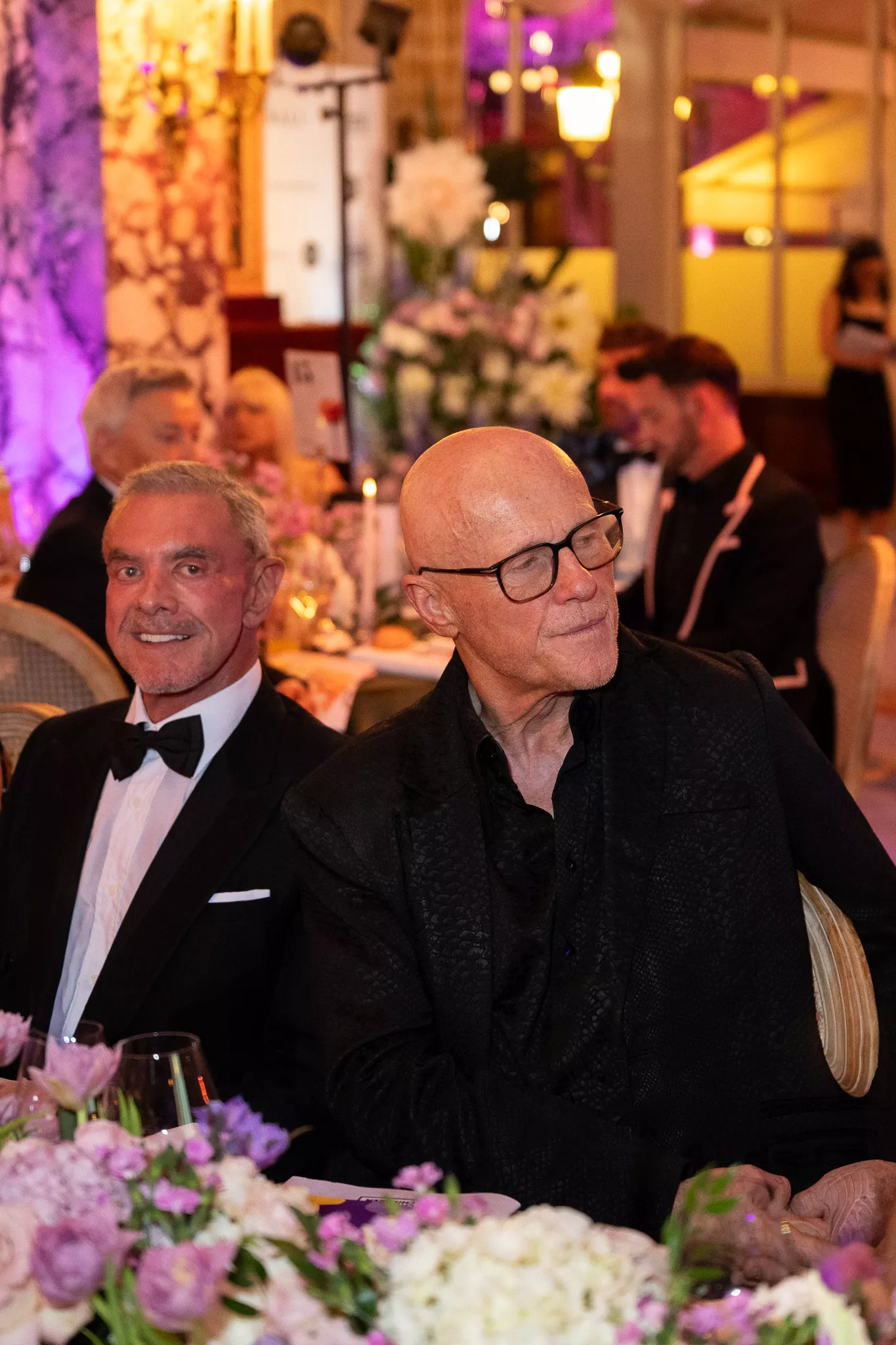
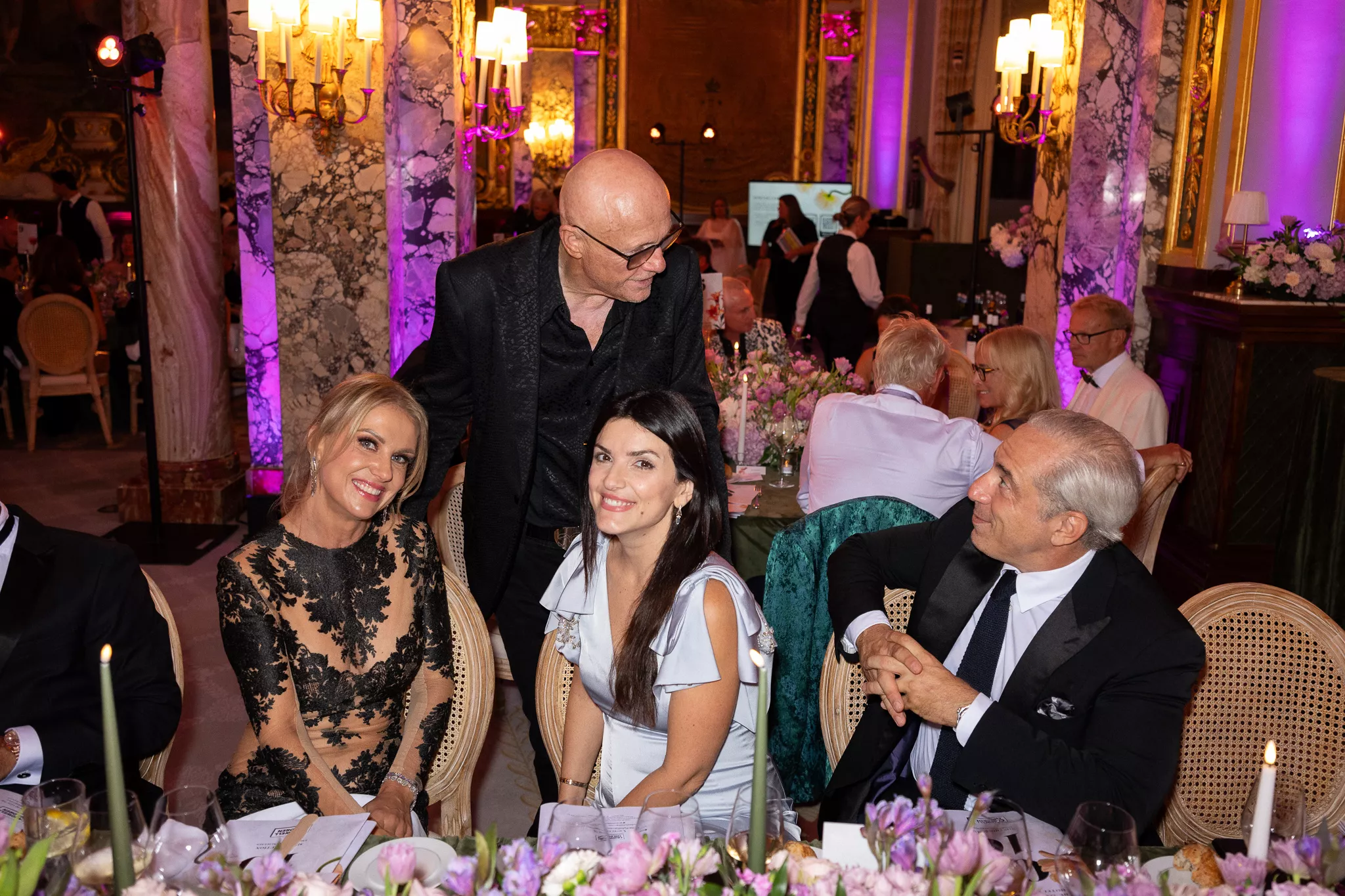
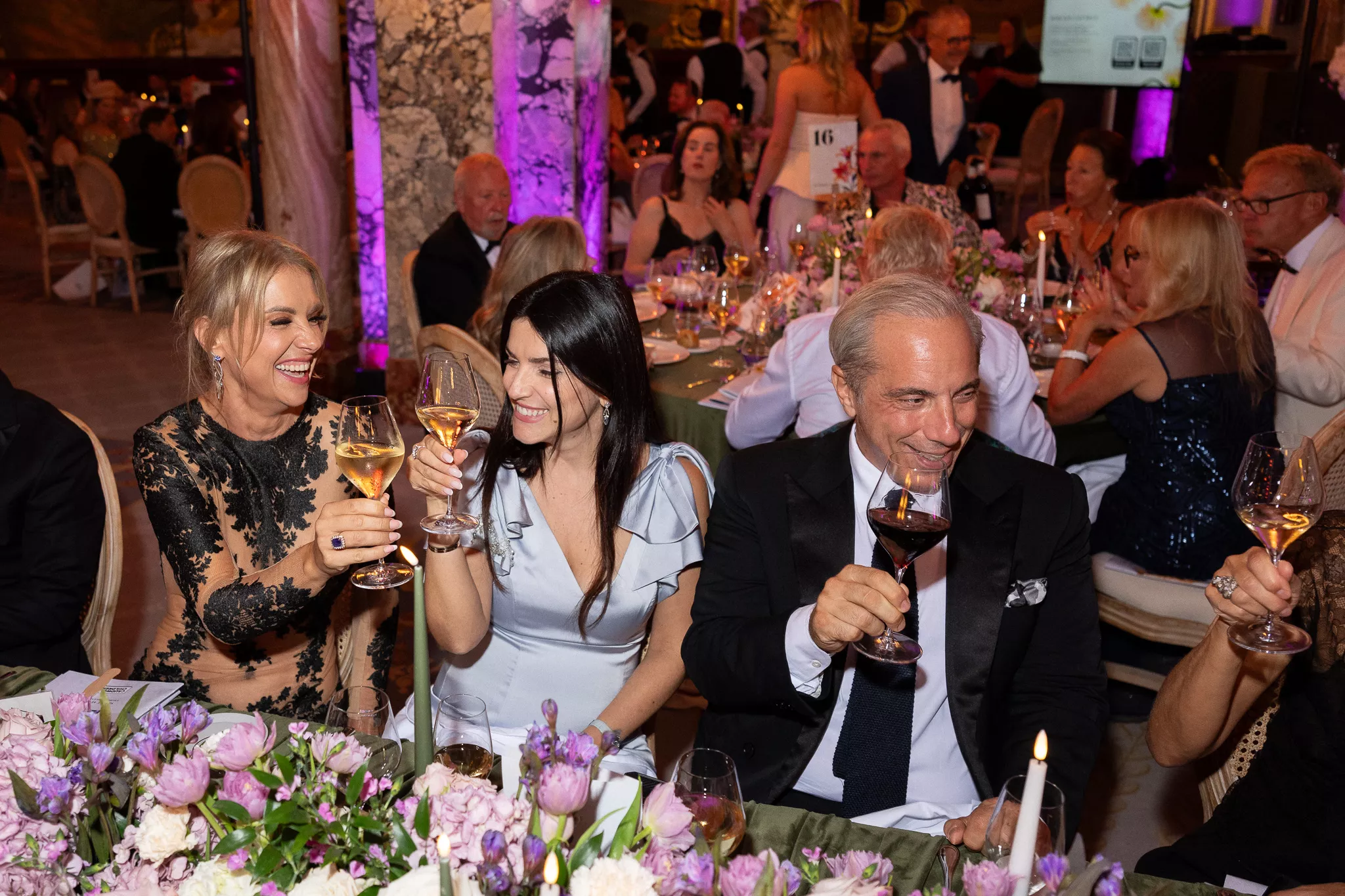
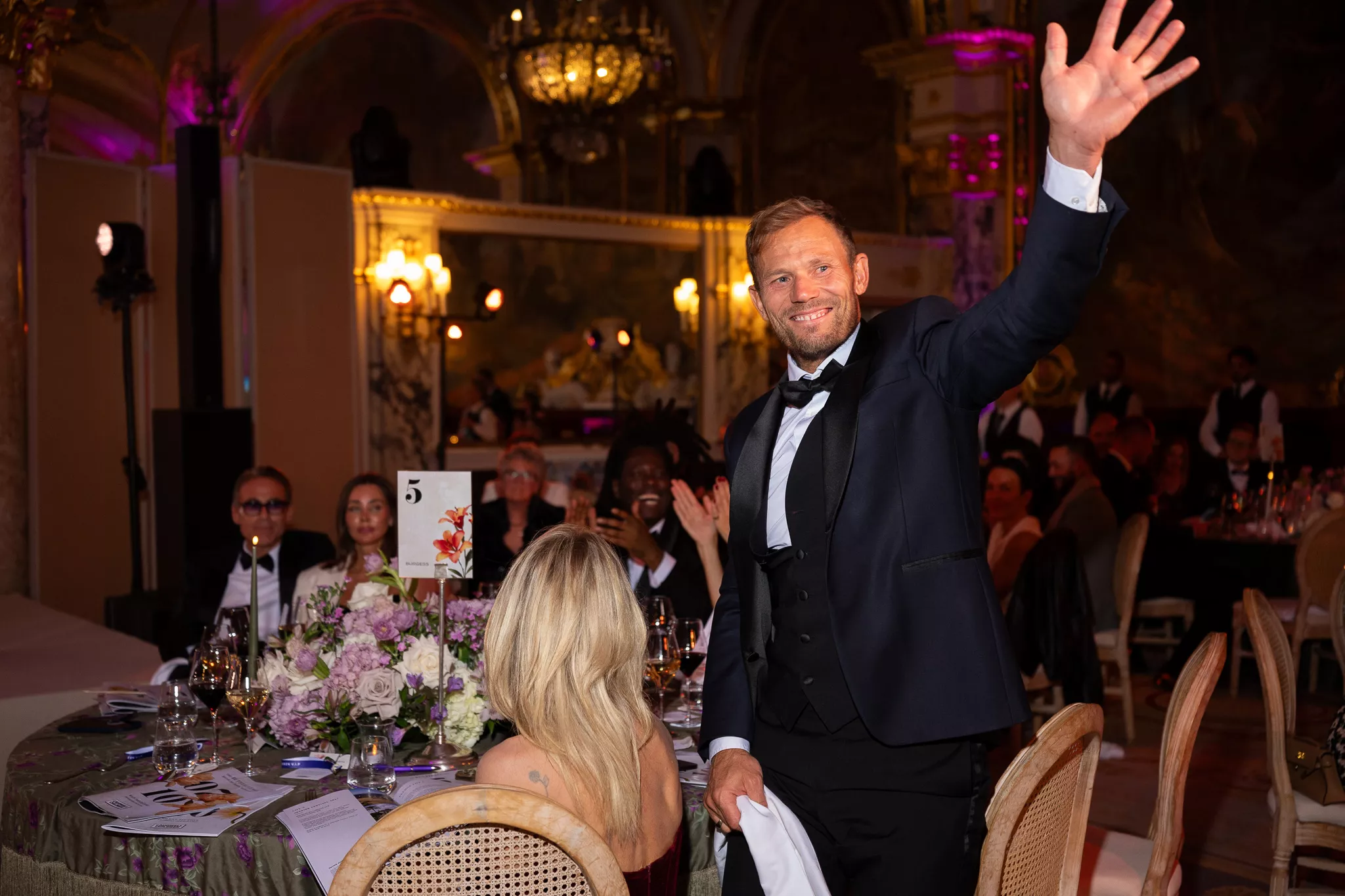
The Salle Empire provided the setting for the annual gala, as some of Monaco’s most prominent residents and international philanthropists gathered to help disabled and autistic children find the freedom to thrive. The evening raised €2,128,745 through the generosity of guests and an auction of exclusive experiences, a total that includes match funding from Caudwell, who typically adds a further third of the funds raised. Last year’s 10th anniversary edition raised €1,015,600.
A birthday to remember
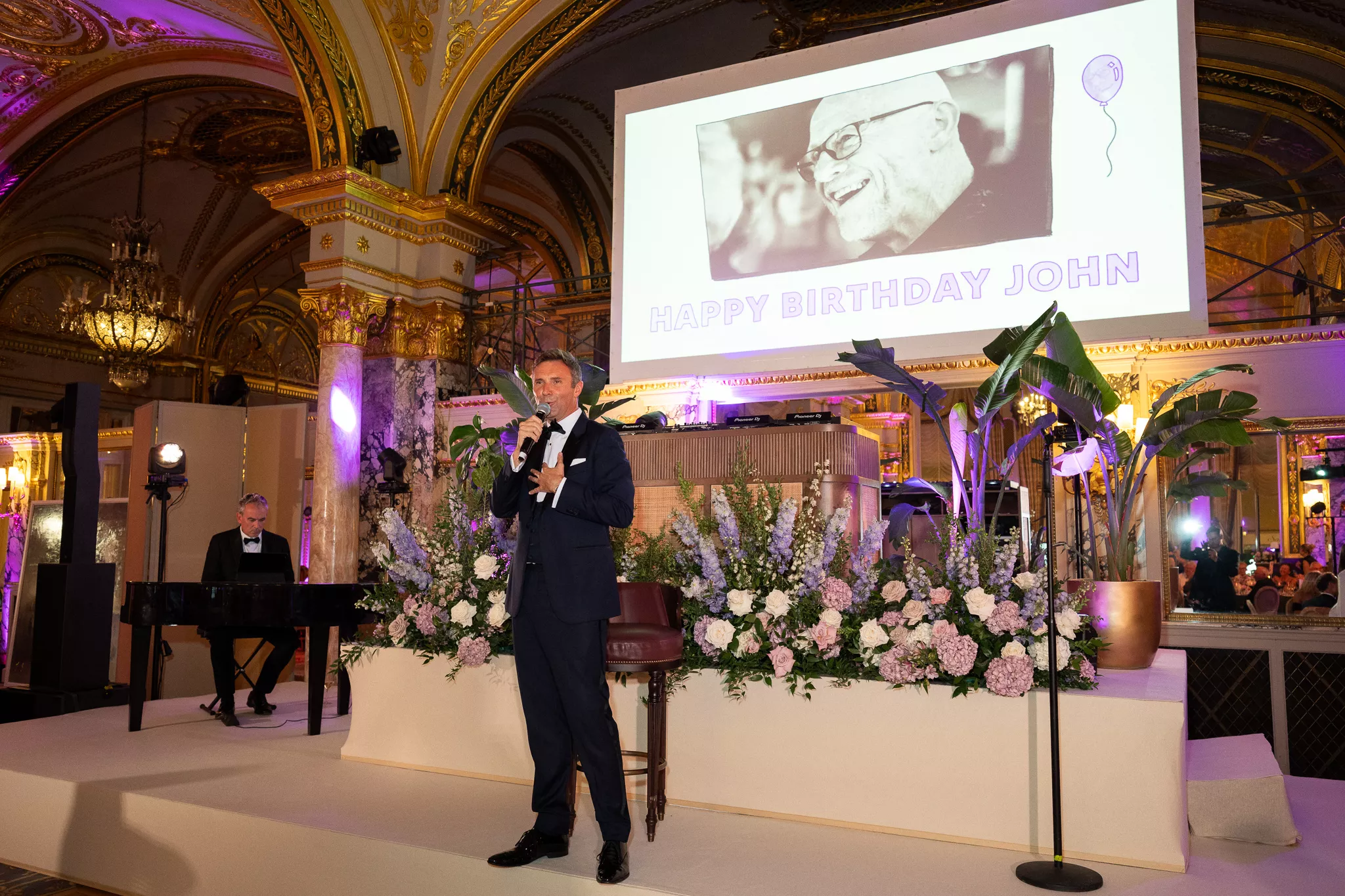
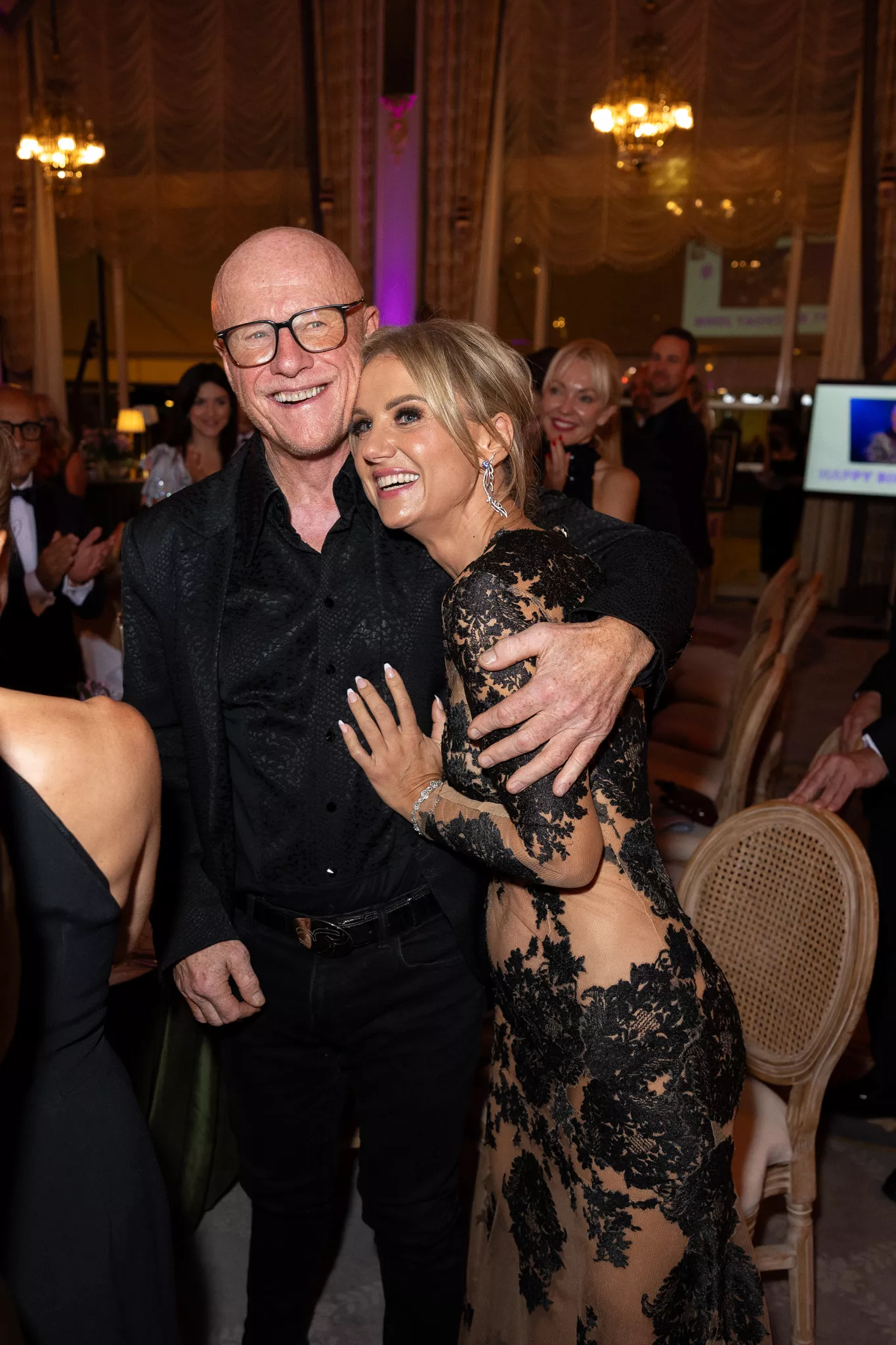
The ball also fell on Caudwell’s 74th birthday, though he insists the timing was more coincidence than strategy.
Going into the evening, his expectations were modest. “I hope we could get very close to €1 million. It would be lovely if it were more, but we have to be realistic,” he said, adding that fundraising was becoming harder “because of the instability in the world”. The final total made for a considerable birthday present.
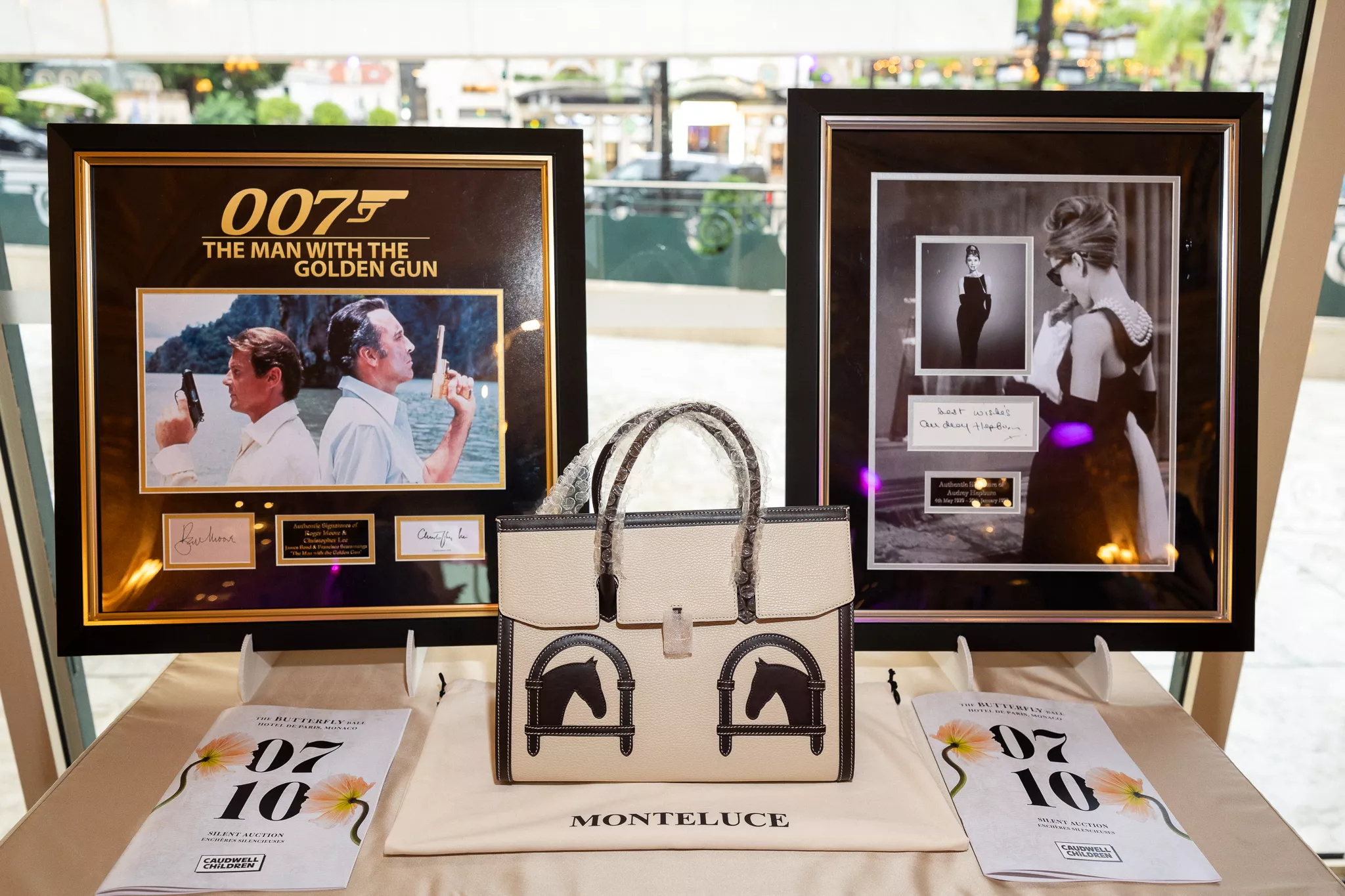
Among the lots on offer was a stay at The Dorchester in London with a day’s cooking lesson alongside its chef. A silent auction also drew bidders to a framed display from the James Bond film The Man with the Golden Gun, bearing the signatures of Roger Moore and Christopher Lee, a signed photograph of Audrey Hepburn, and a leather handbag by Monteluce decorated with horse-head motifs.
‘A business with a heart’
Caudwell, who made his fortune as co-founder of UK mobile phone retailer Phones4u, has never been shy about saying that charities should be run with commercial discipline, a view he admits does not win him friends everywhere.
“We know that some charities are quite poorly run. There’s nepotism, and there’s waste of money. Those charities wouldn’t have much empathy for my thinking at all. But we’re very responsible with all our donors’ money,” he said.
“I’m the biggest donor of all and so I also want my money to make the biggest difference to disabled children, but I have that sense of responsibility towards everybody else who donates. We run the charity as lean as possible – like a business – but it’s a business with a heart.”
Filling the gap in autism care
That approach is most visible in Caudwell Children’s autism assessments. The charity says it has now carried out more than 700 assessments for children aged four to 11, bringing every specialist into one place so that families receive a diagnosis in a single day rather than waiting months, or years, between referrals.
Asked whether his charity was doing work that should fall to governments, Caudwell described mixed feelings.
“One is disappointment that health services, not just in the UK but all around the world, are failing these neurodivergent children. But there’s also a sense of pride that we’re doing something that all the expertise of the health services hasn’t managed to put together,” he said.
“By the time parents have finished, they might be two or three years down the road, navigating a really traumatic experience because there’s something wrong with their child, but they don’t know what. The stress on the family is enormous. When they come to our centre, we can remove a lot of that stress because we do everything in one go.”
‘He ran onto the stage and jumped into my arms’
After more than 25 years of fundraising, Caudwell says the reminders of why he does it often come unexpectedly.
“Perhaps two or three times a year I’ll be walking down the street and a parent will come up to me and say, ‘You’re John Caudwell, aren’t you?’ And they’ll say, ‘You don’t know me, but my child came to your centre ten years ago, and it transformed our lives.’ That wells me up,” he said.
One story stands above the rest. A young boy left paralysed by polio had been dragging himself around on his knees, his mother sewing leather patches onto his trousers to stop them wearing through. Caudwell Children paid for an operation in the United States that was not available in the UK, followed by two years of physiotherapy.
“He attended the ball one year. We announced that he was coming on stage, but then he ran onto the stage and jumped into my arms. I stood there holding him. That was magical,” Caudwell said. “Without the charity, without his parents, without the operation in America, he would still have been dragging his knees around the floor ten years later.”
“For me, that’s a source of spiritual satisfaction that no material possession in the world can ever match. I try to tell wealthy people who haven’t yet discovered philanthropy that this kind of spiritual satisfaction goes far beyond buying a new superyacht or a new Ferrari.”
‘Talking like this won’t make me popular’
Caudwell has been increasingly outspoken about what he sees as the failure of the world’s wealthiest people to give enough, and he admits the message is not always welcome.
“I don’t think it necessarily makes me very popular when I say people ought to pay their taxes, especially perhaps in Monaco,” he said. “But I don’t really mind. I stick my head above the parapet because I know that all those billionaires could join the Giving Pledge and it wouldn’t make a scrap of difference to their lives. None. If they leave it until after they’ve passed away, they haven’t even given anything away during their lifetime. They’ve simply made a pledge. Some of the money goes to charity, some goes to their family, and instead of the family being really filthy rich, they’re just very, very rich.”
At the very top of the rich list, he believes, the case becomes impossible to argue with.
“There are probably four or five thousand billionaires, and there’s now one trillionaire – he could donate 99.9% of his money, be a complete hero to society and still die richer than I am. I don’t know why they wouldn’t do it,” he continued. “We’ll still be super-rich. We’ll still have private jets and superyachts. We’ll still have everything we want in life, but we’ll put more effort into changing the lives of less fortunate people.”
Why 70%, and not 90%?
John Caudwell signed the Giving Pledge in 2013. Founded by Bill Gates, Melinda French Gates and Warren Buffett, the initiative asks the world’s wealthiest people to commit the majority of their fortunes to charitable causes, either during their lifetime or in their will. He initially pledged half, then asked himself why he should stop there, and raised his commitment to 70%.
Asked why he had not gone further still, to 90%, he described it as a work in progress.
“It’s an evolution. When I ask people to join the Giving Pledge, they say, ‘Well, I’m not quite ready for that yet’. So when you ask why not 90%, perhaps I’m just not quite ready for that yet. But I do see myself, especially if I’m successful with the businesses I’m involved in, potentially evolving towards that sort of number.”
An invitation to Monaco
Founded in Stoke-on-Trent in 2000, Caudwell Children now runs an £18 million (€21 million) International Children’s Centre in Staffordshire, and in 2024 alone it delivered more than £7.5 million (€8.7 million) worth of services to disabled and autistic children and their families. The charity works in the UK, but Caudwell hopes its autism model could be adopted elsewhere, and he extended an open invitation to philanthropists closer to home.
“There might be a wealthy entrepreneur in France or Monaco who would like to help their population. We would be very happy to help them establish something similar, either under their own brand name, associated with us, or whatever arrangement works. It would mean we could help a lot more children around the world, which would be wonderful,” he said.
His second charity, Caudwell Youth, was set up four years ago to pair vulnerable young people, many of whom have been through the care system, with a trained volunteer mentor for two years. Caudwell says the programme has so far reduced criminality among participants by 93%, while improving mental health and dramatically reducing drug abuse.
“If we can grow this to the 100,000 mentors I think we need, maybe we could start to empty the prisons of the future,” he explained.
A third, a third and a third
For all the talk of pledges and percentages, Caudwell’s approach to giving comes down to a simple rule about how he spends his time.
“Charity is very much at the forefront of my whole philosophy of life. I always say I’ve got 18 hours a day, and I divide them into thirds: a third for charity, a third for commerce and a third for family,” he said.
The balance is not always perfect. “The thirds might get a bit disjointed at times. Today is my birthday, and it’s nearly all about charity,” he admitted. “But generally in life, that’s my rule: a third, a third and a third.”
It is a simple formula, and one that more people in his financial position might do well to borrow. If they did, the spiritual satisfaction Caudwell speaks of might not be quite so rare.
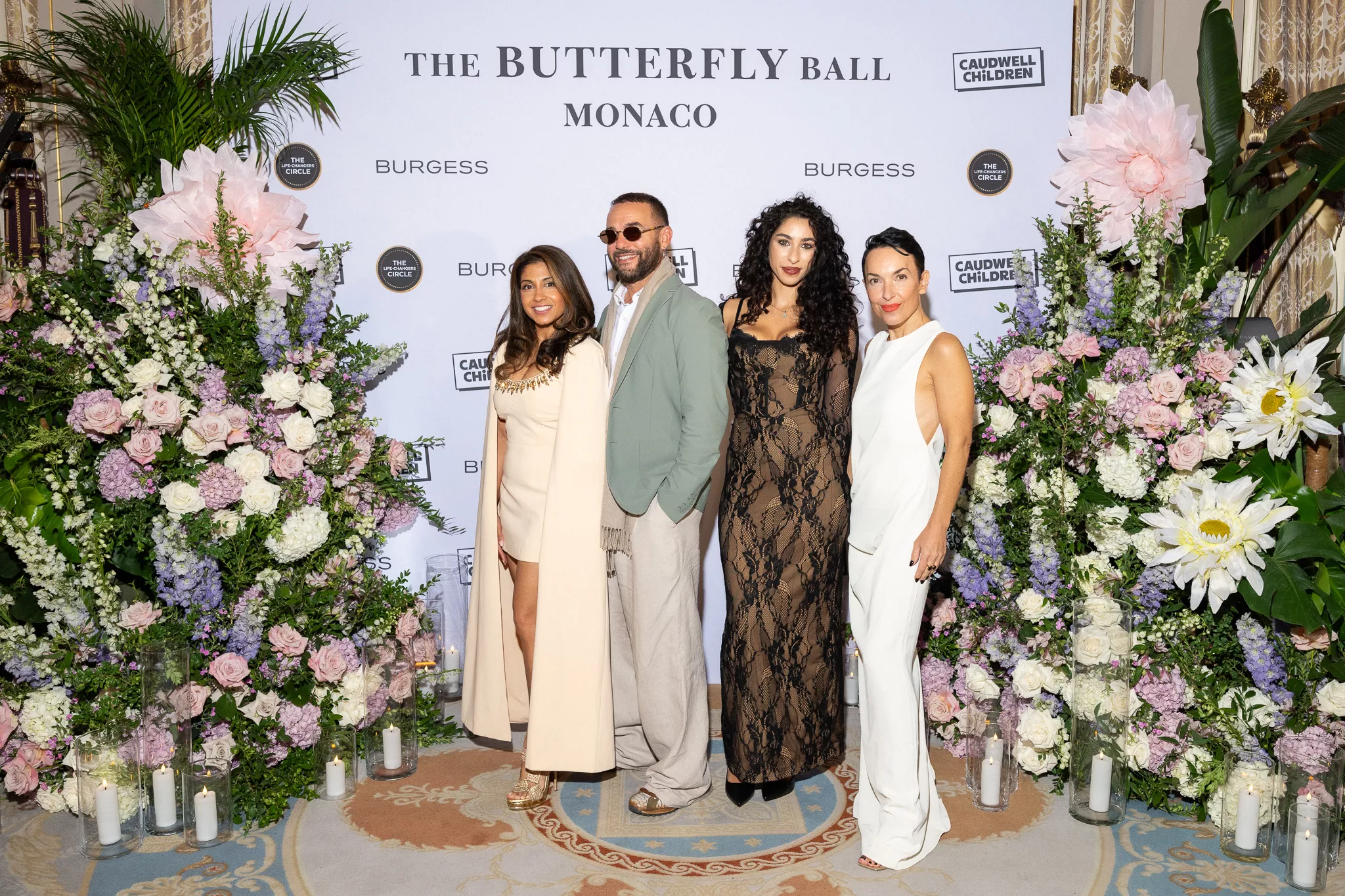
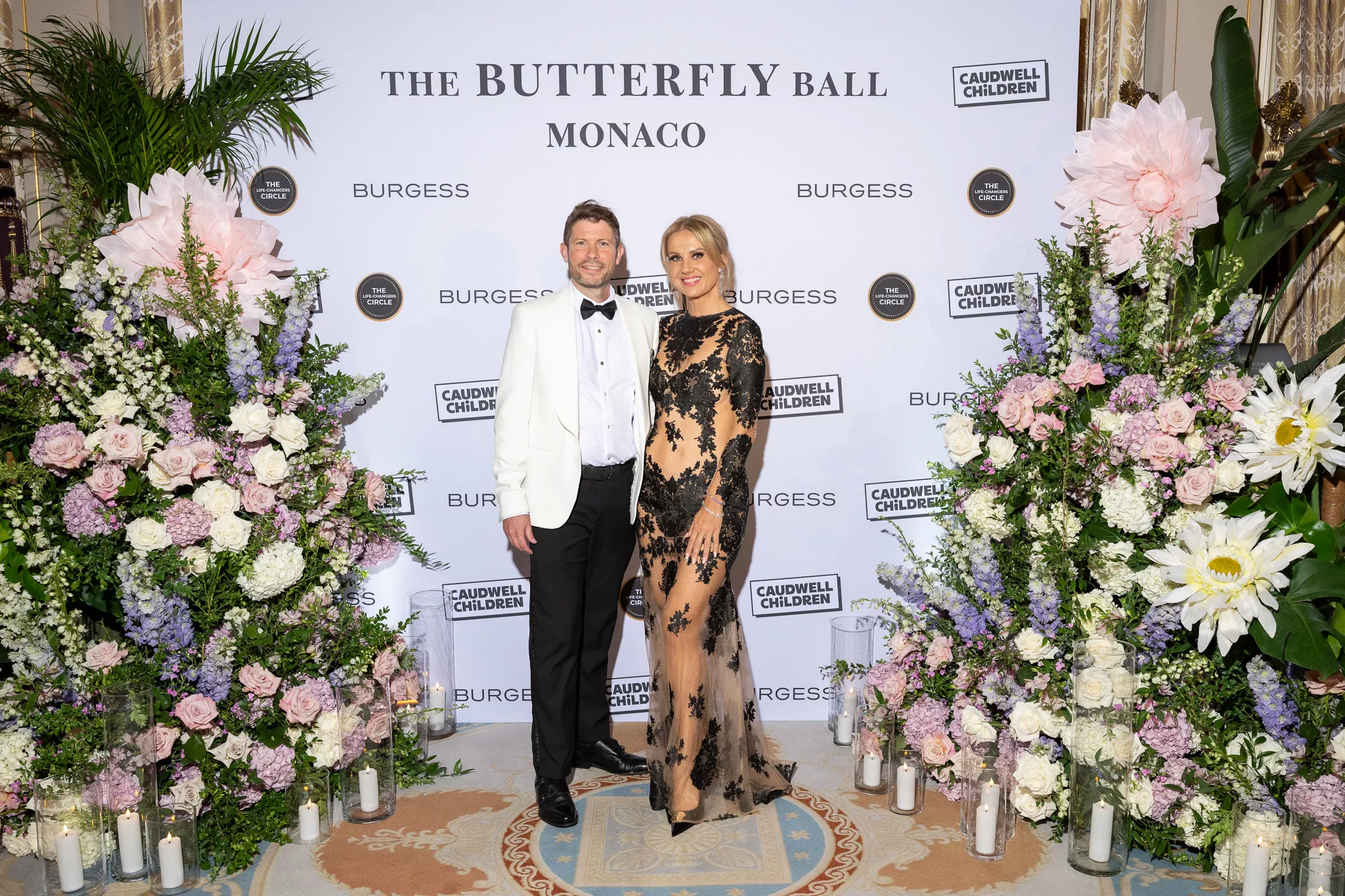
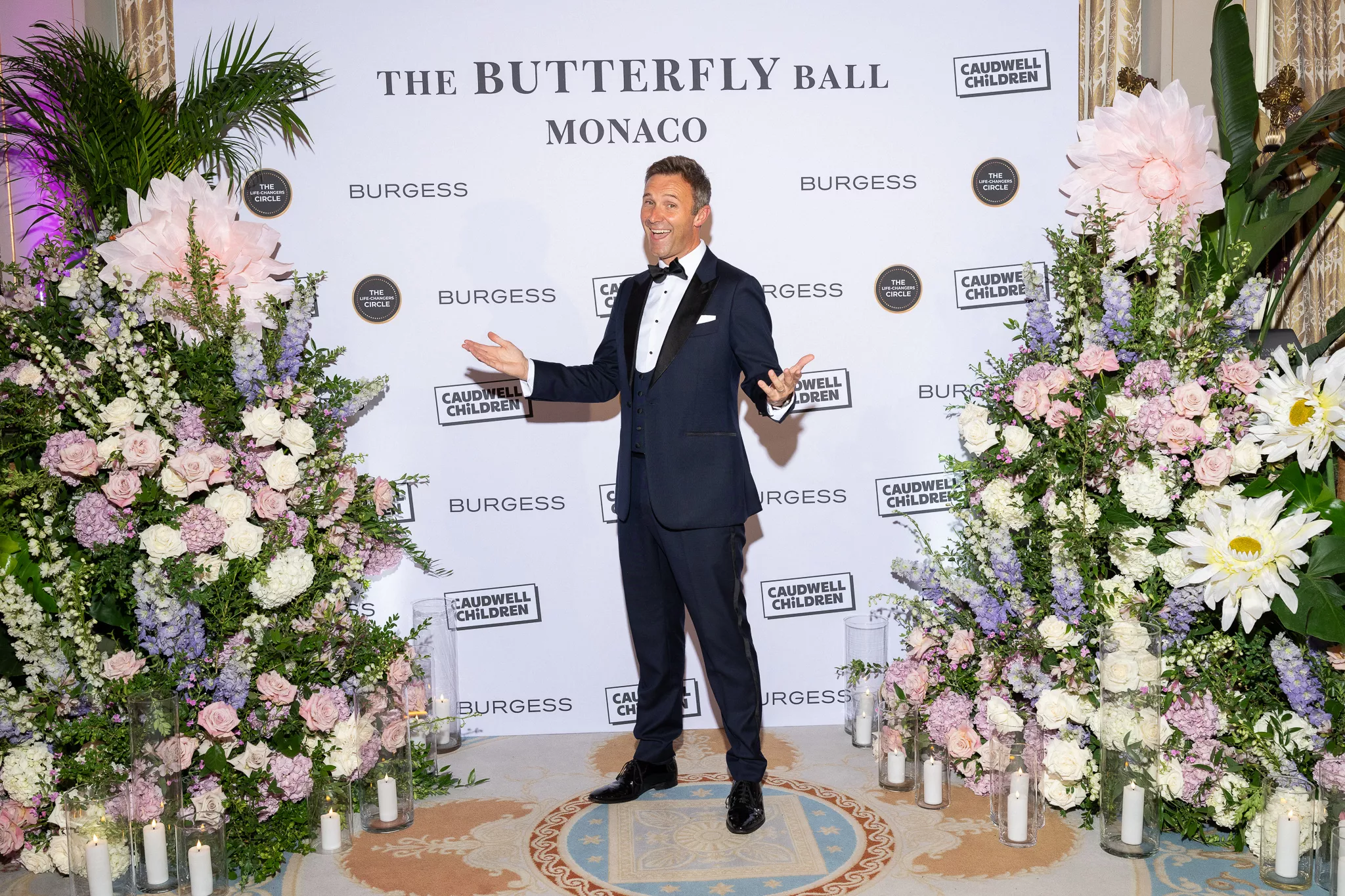
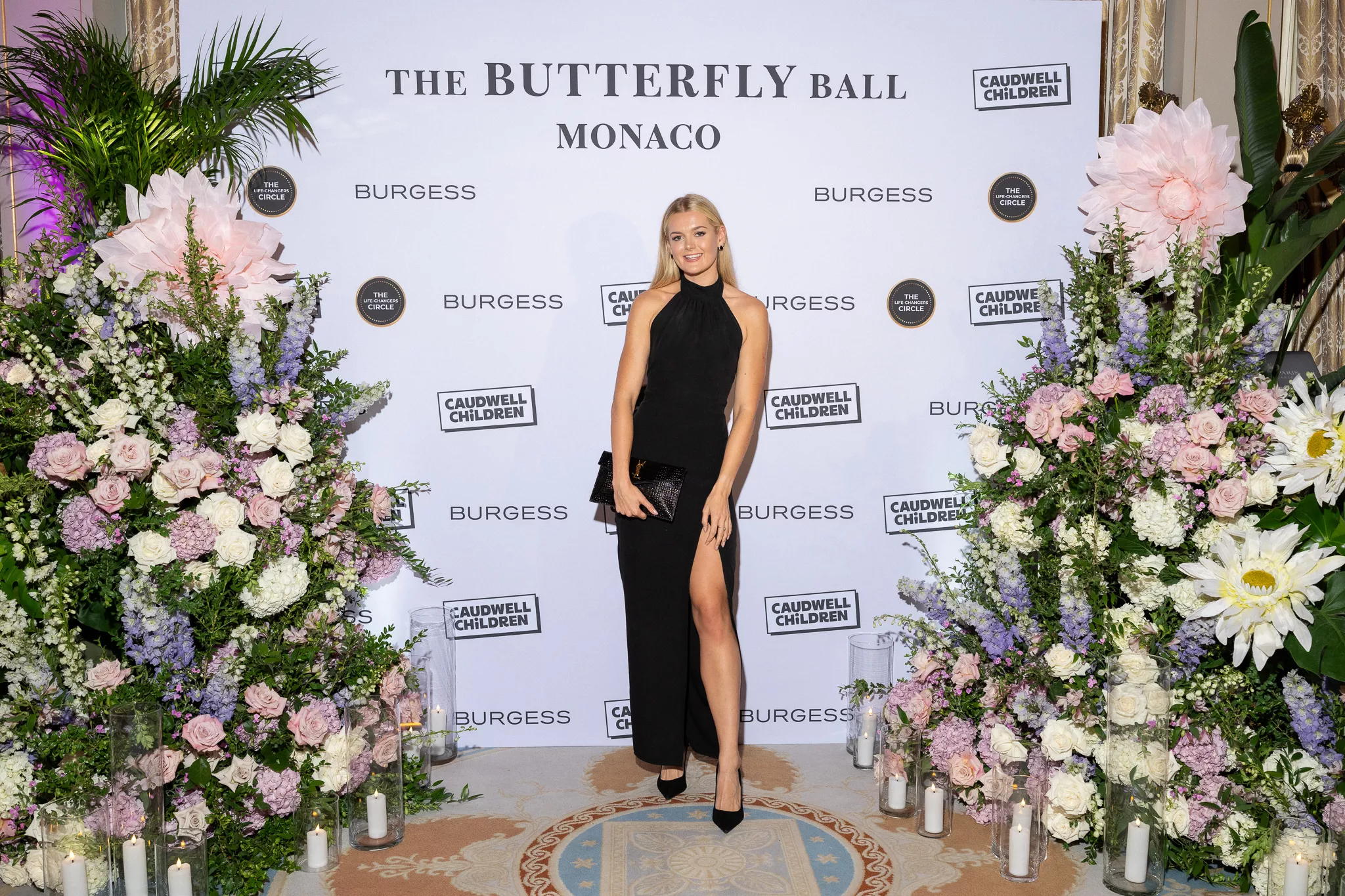
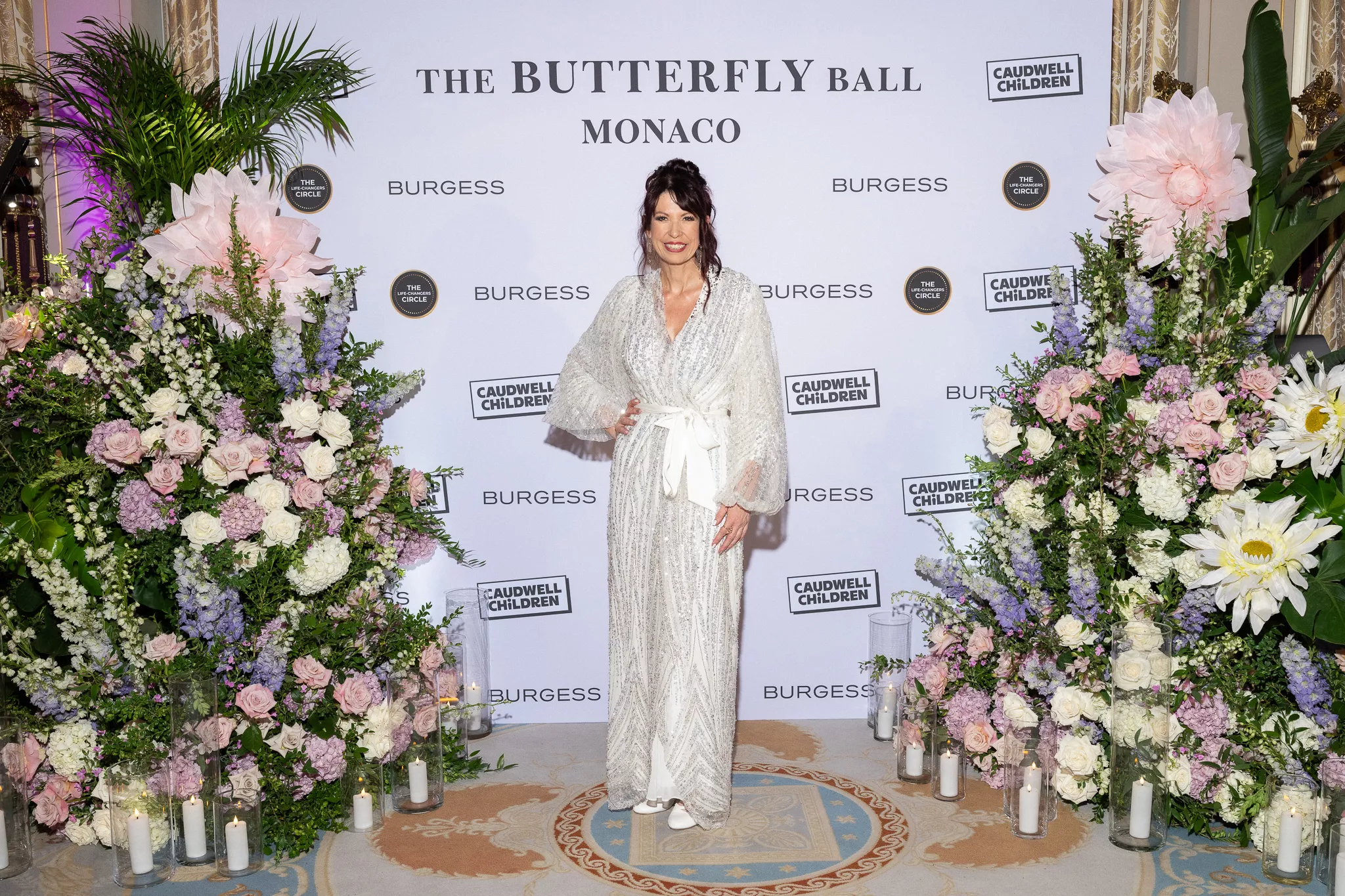
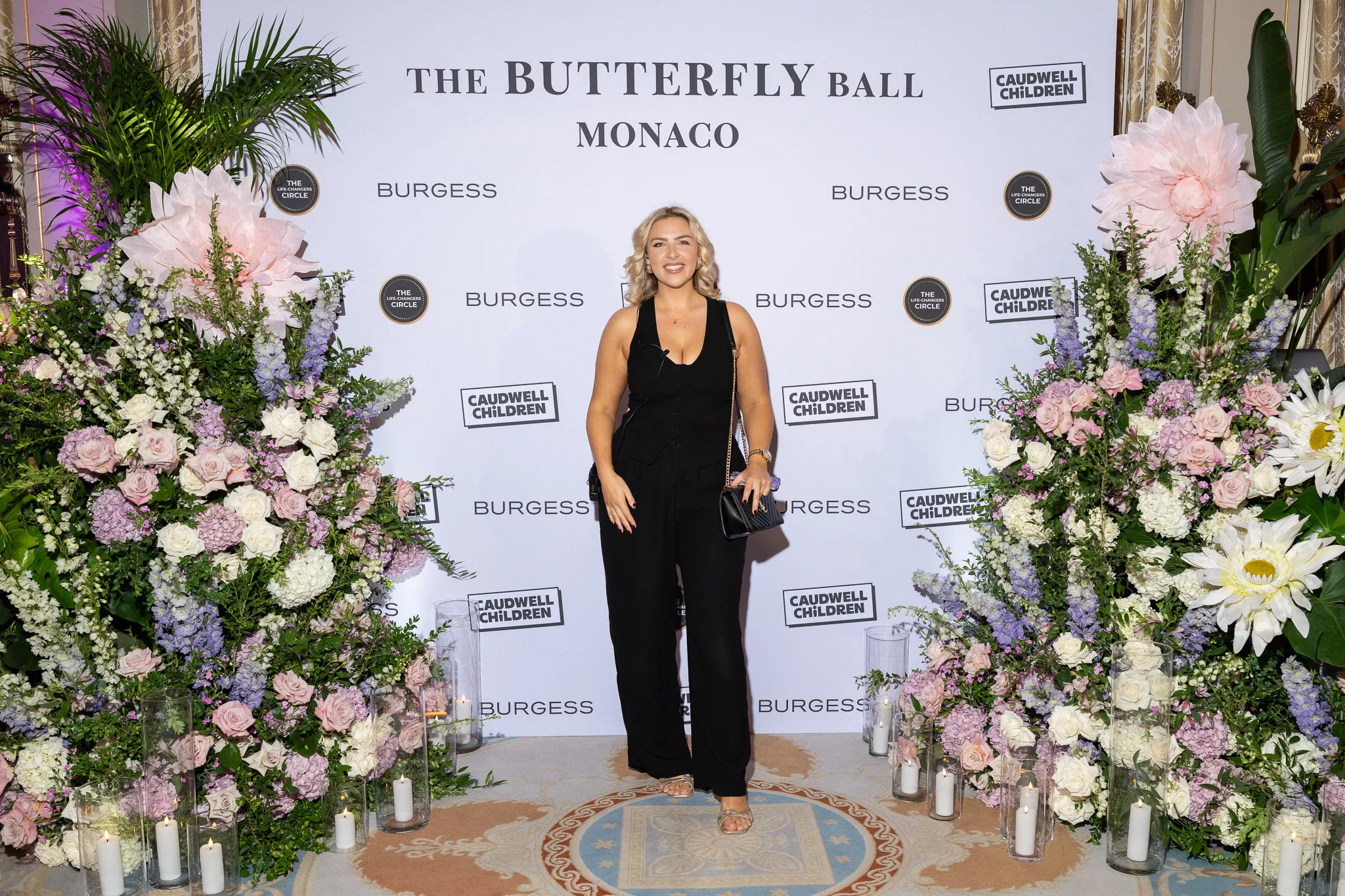
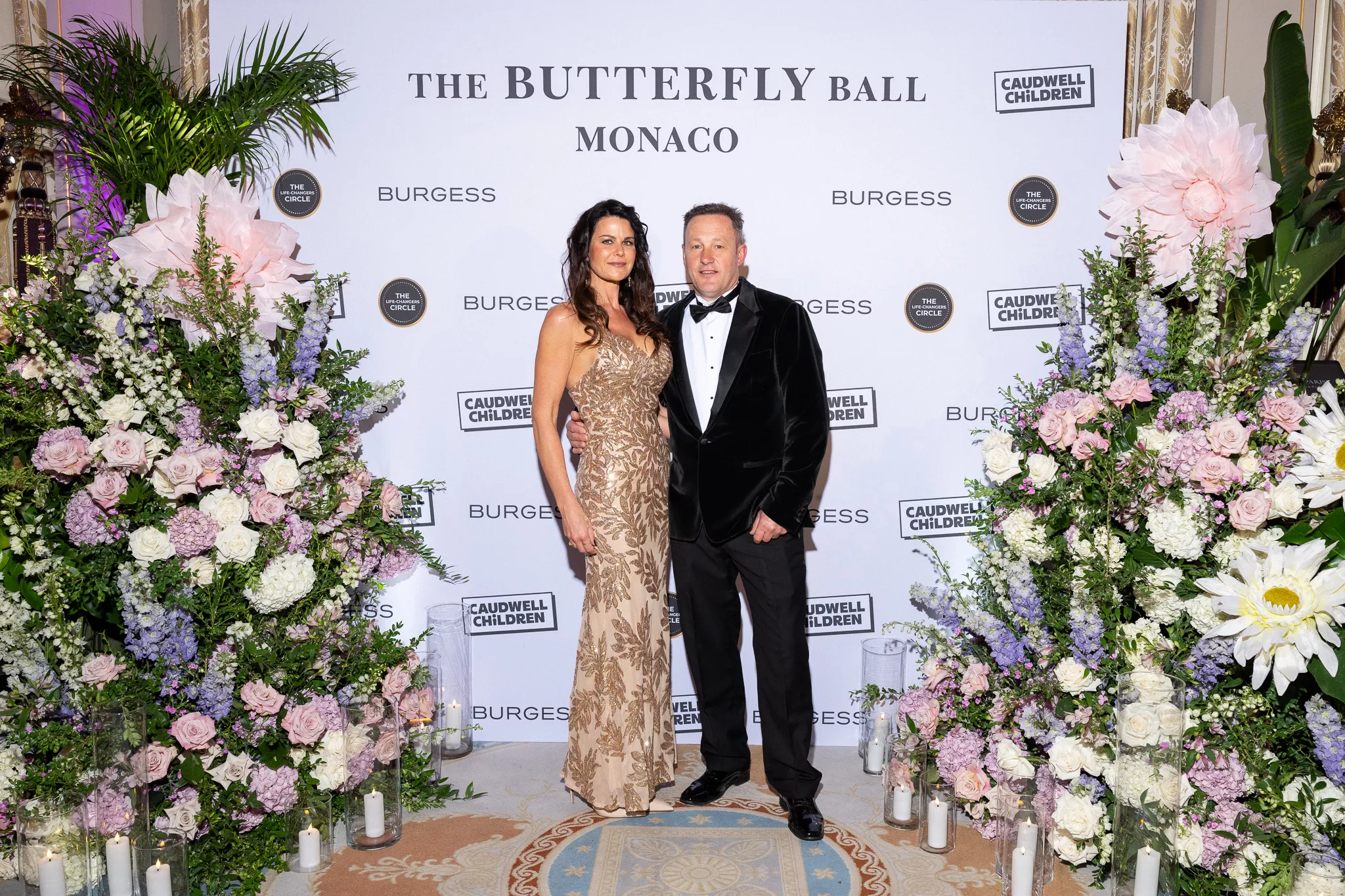
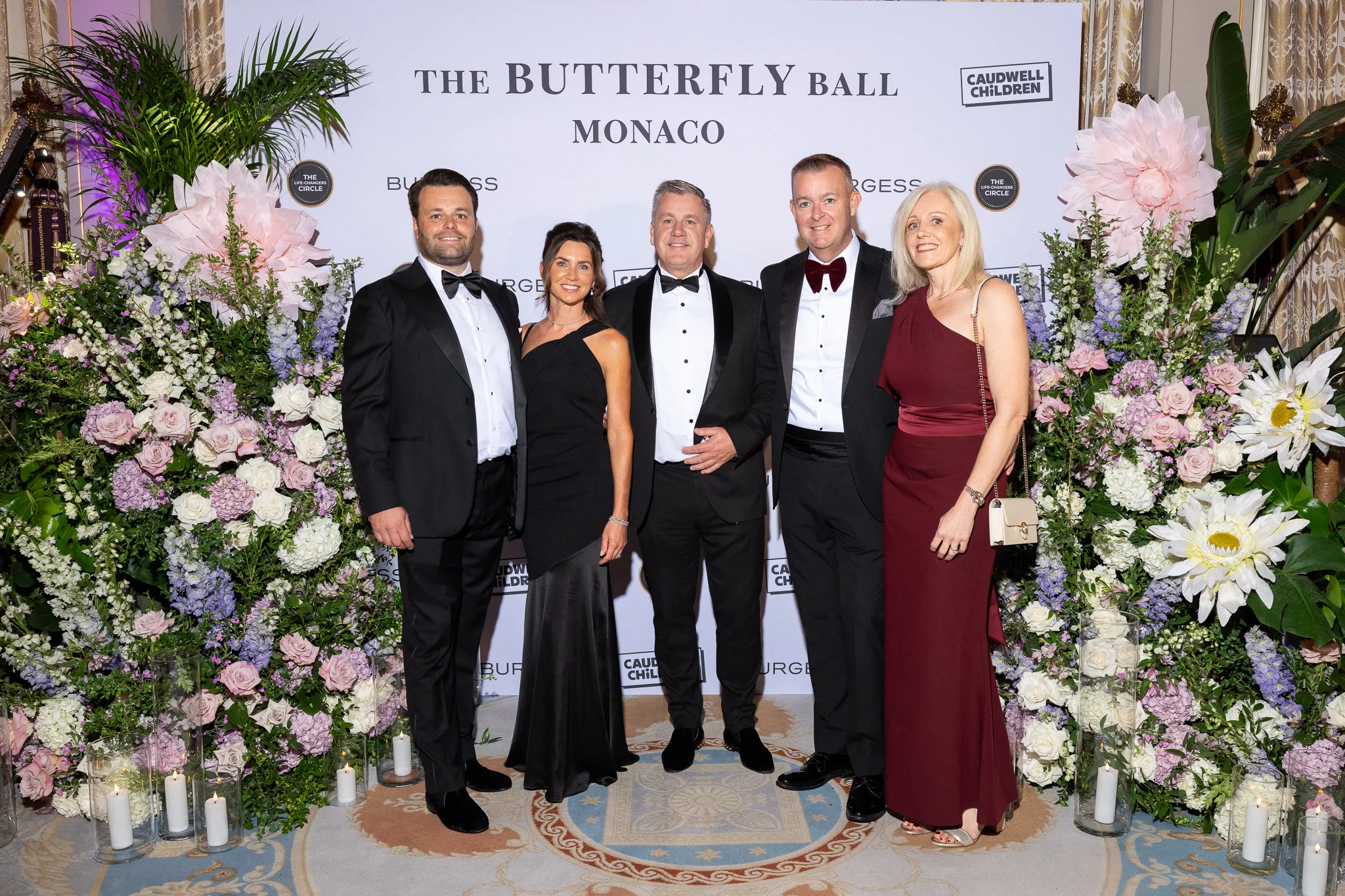
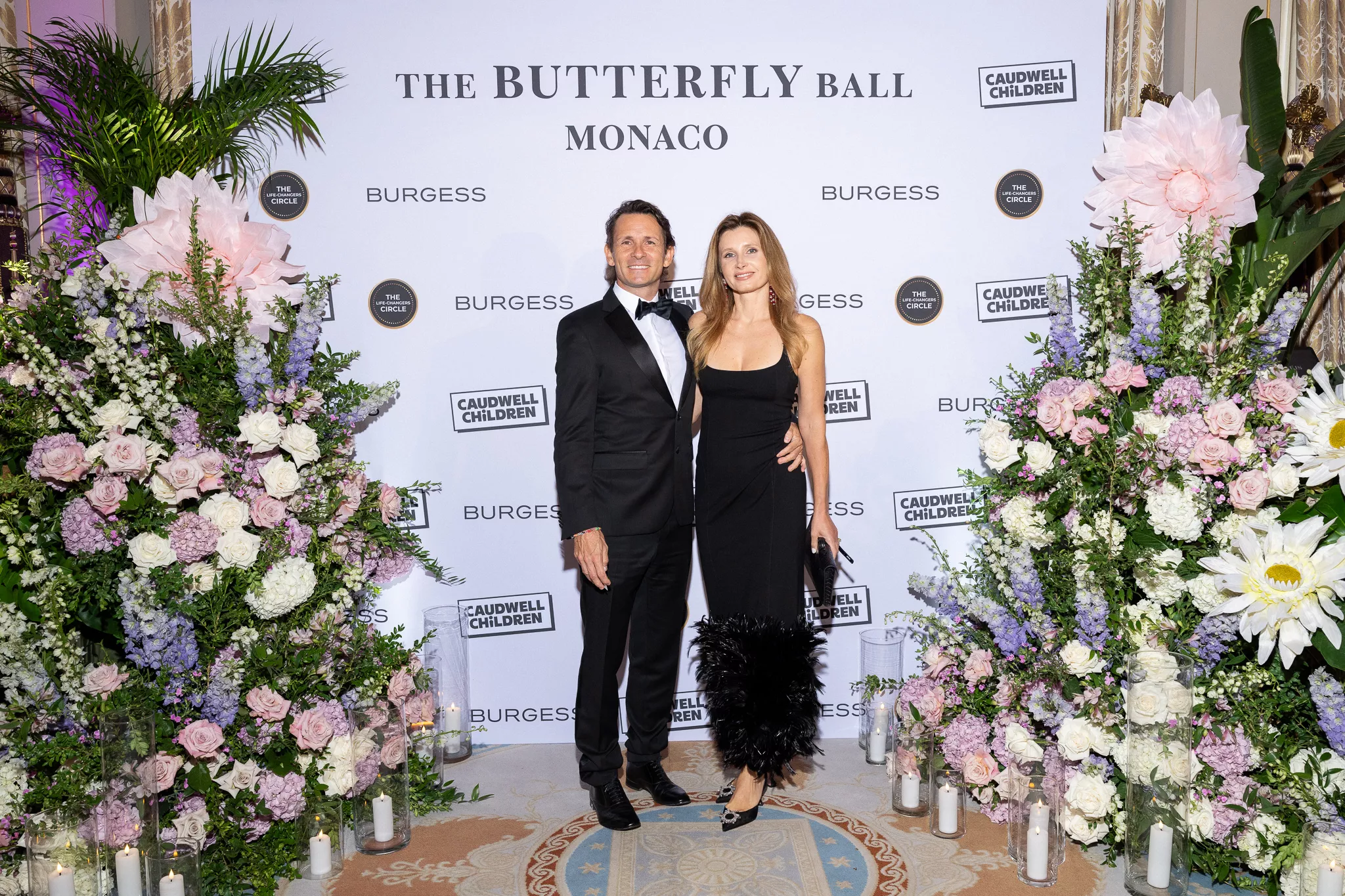
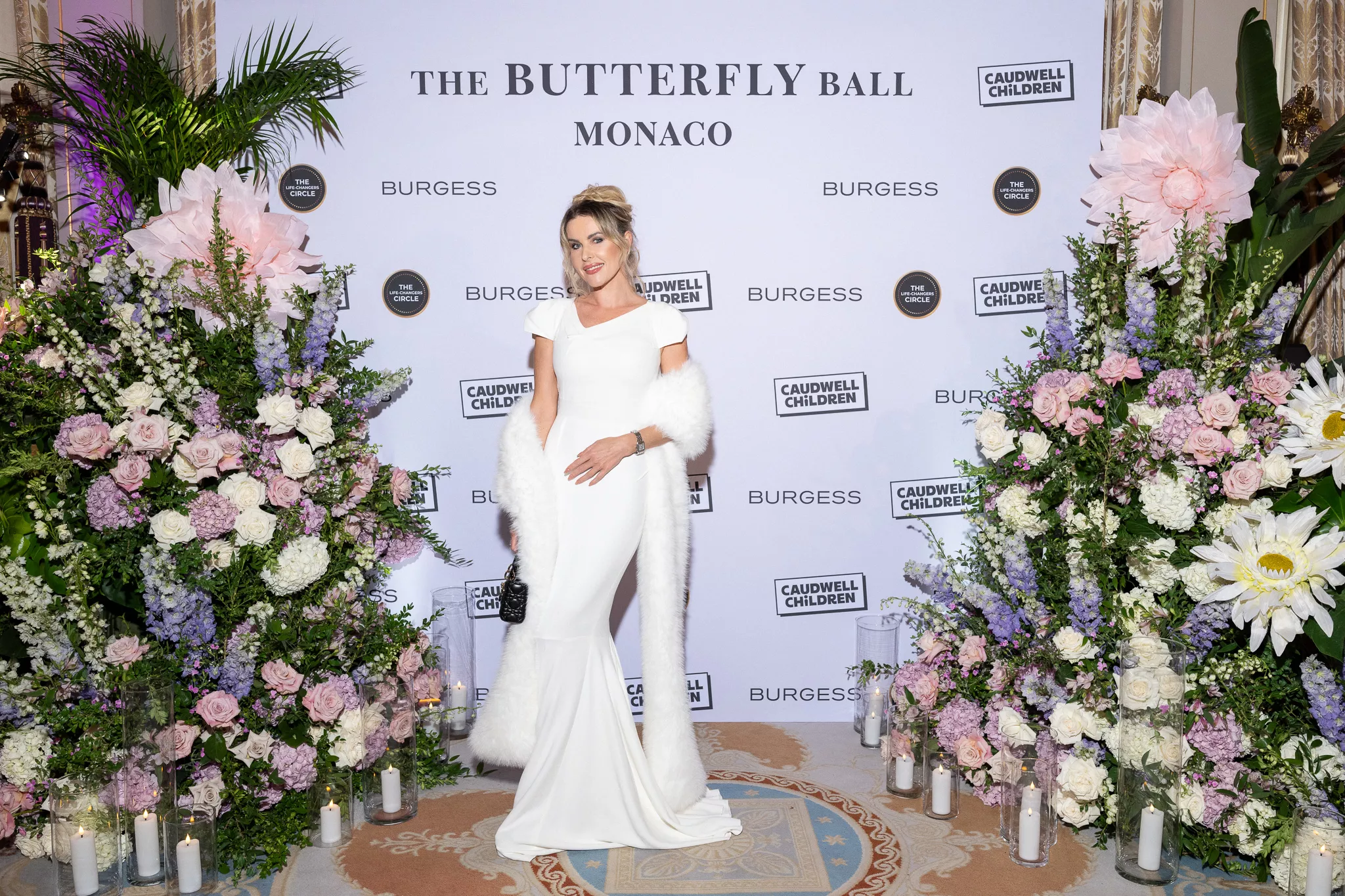
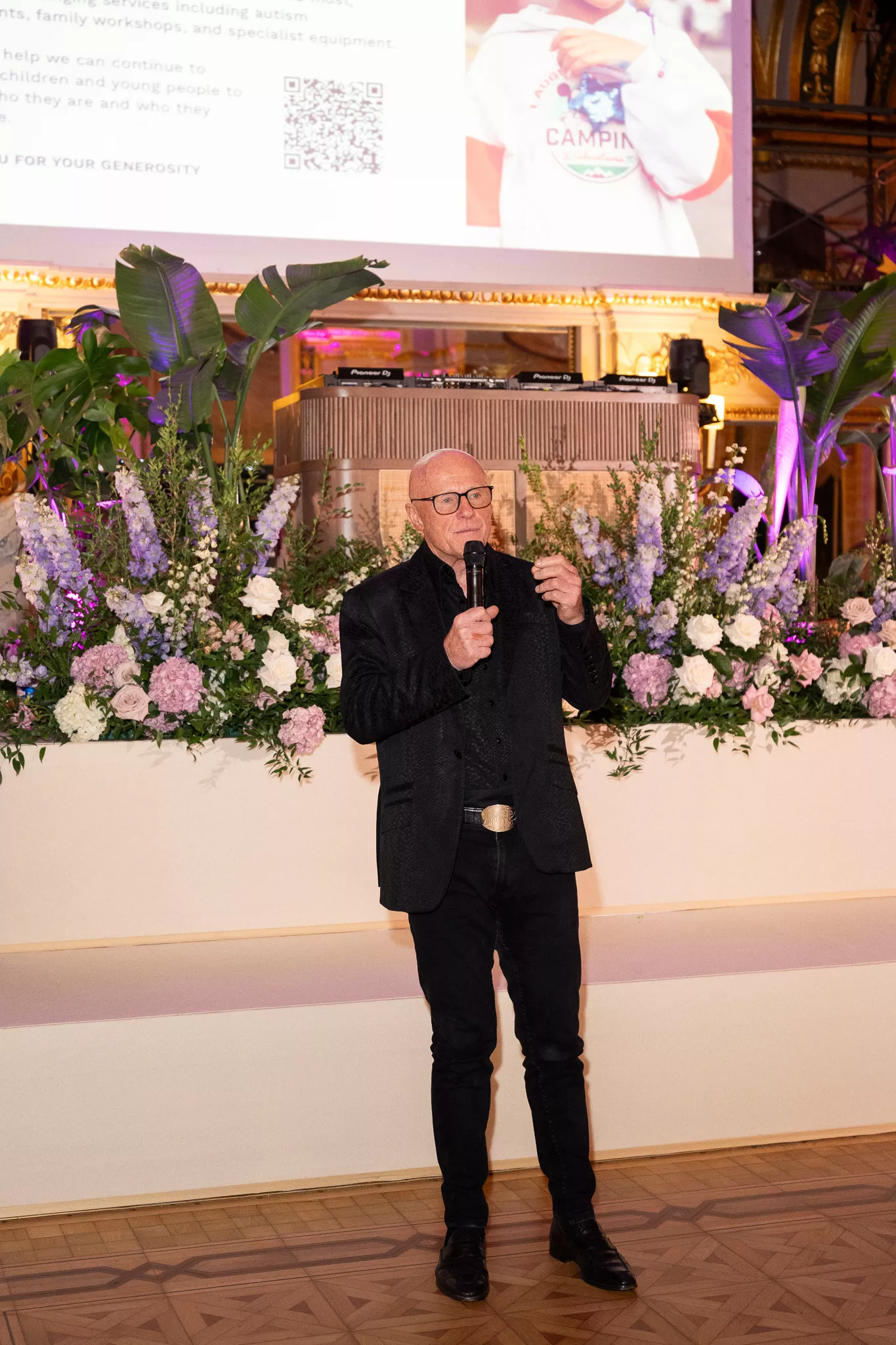
See more in the gallery below… Photos credit: Darius Kucys
Monaco Life is written by qualified journalists, writing original content. Sign up for our free newsletter, listen to our podcasts on Spotify, and follow us across Facebook, Instagram, LinkedIn, and Tik Tok.