

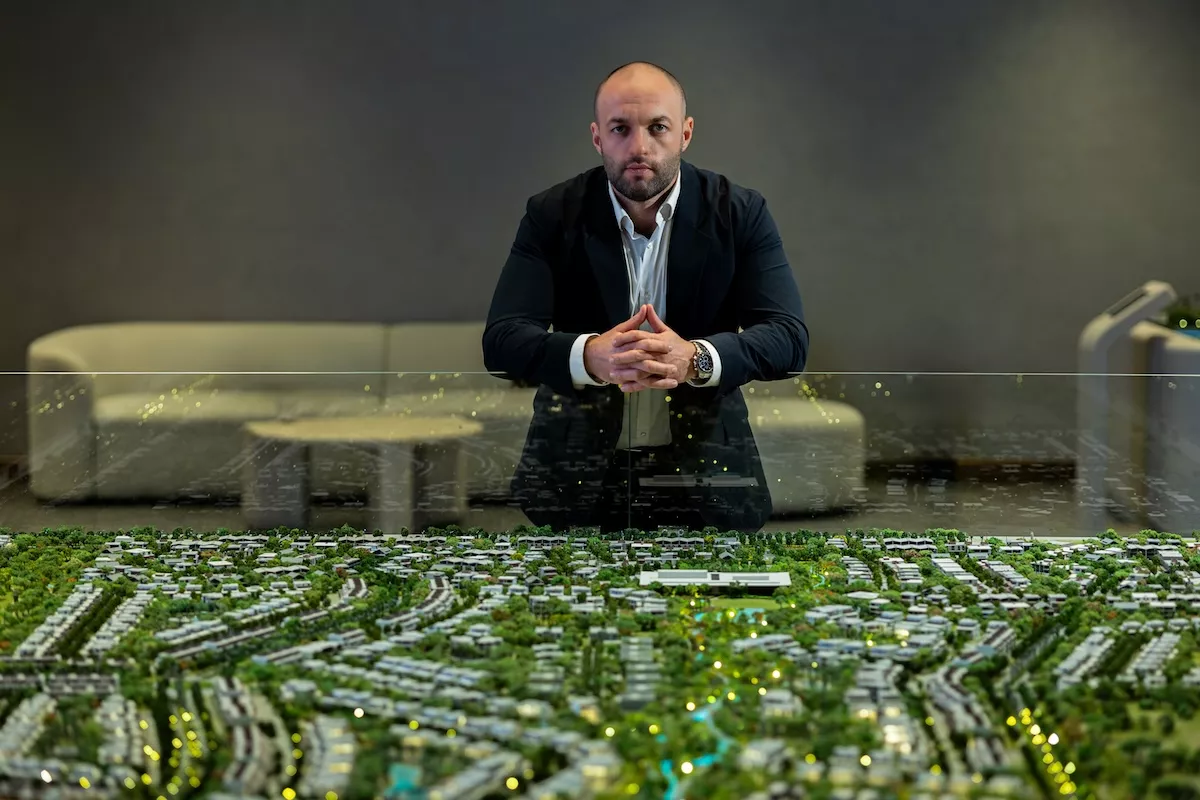
As interest in Dubai continues to grow among Monaco’s international residents and investors, the Dubai property firm Alcenza is deepening its ties with the Principality — though its founder’s message to prospective buyers is that a maturing market now rewards research and careful choices over the easy gains of recent years.
Founder and Chief Executive Amiran Kavtaradze sees a natural connection between the two destinations. Both attract an international, highly mobile population, and many Monaco-based investors are already familiar with Dubai or considering a second base there.
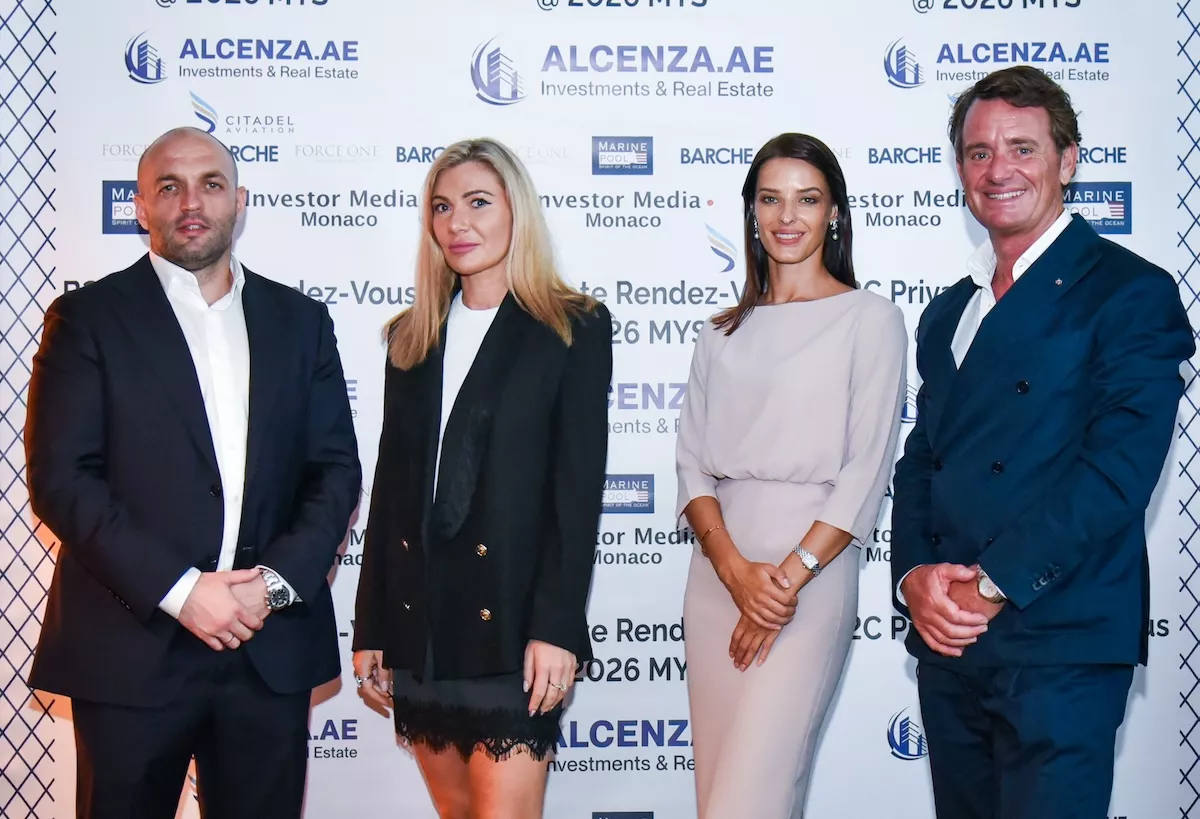
After sponsoring the Monaco International Investment Forum and its gala dinner at the Yacht Club de Monaco in March, where Alcenza also exhibited, the company returned during Monaco Yacht Show week, hosting an invitation-only event at A’Trego in Cap d’Ail on 24th September that brought together investors, entrepreneurs and business partners. I sat down with Kavtaradze during the visit to discuss Dubai’s evolving property market, why Monaco has become important to Alcenza, and what buyers should weigh before investing.
“Many of the people we speak to want to move to Dubai, but they were waiting until September or October to see how the situation develops,” he tells Monaco Life. “I now have a list of people planning to come in October and November to view properties. Some have only visited on holiday, while others already own several properties there. They have different budgets and objectives, but I don’t think I have to advertise Dubai very much — the appeal is already clear to them.”
Building a relationship with Monaco
Kavtaradze began working in real estate in Latvia in 2008 before expanding into London. He moved to the UAE in 2022, working as an individual broker before establishing Alcenza, which handles completed and off-plan homes, resales and commercial property, working with developers including Emaar, Nakheel, Meraas, Sobha Realty and DAMAC.
Alcenza says it has handled more than US$1.3 billion in property transactions since its launch and was named among Emaar’s top 10 partners in 2025, ranking seventh during the first half of that year. It also reports achieving first place partner ranking with DarGlobal, one of the most prestigious high luxury developers in Dubai, fourth place with Dubai Holding, and fifth-place partner rankings with Meraas and Nakheel.
Its Monaco presence forms part of a wider effort to build relationships with international investors looking beyond a single property purchase.
“We help people move; we don’t only sell property,” he says. “We can help them establish a company, open a bank account, find schools for their children and deal with the practical things they need. The benefit is having one point of contact throughout the relocation, rather than having to find a different company for every step.”
For Monaco residents, the proposition can therefore combine investment with a potential change in lifestyle, spanning company formation, banking, visas, schools and the practical arrangements of moving a family or business to the UAE. Kavtaradze believes the two markets also share an emphasis on prime locations, security, service and long-term value. Dubai offers a far greater volume and range of property, but the questions buyers ask are familiar: where is the strongest location, who is behind the development, and will the property retain its appeal?
A more selective phase for Dubai property
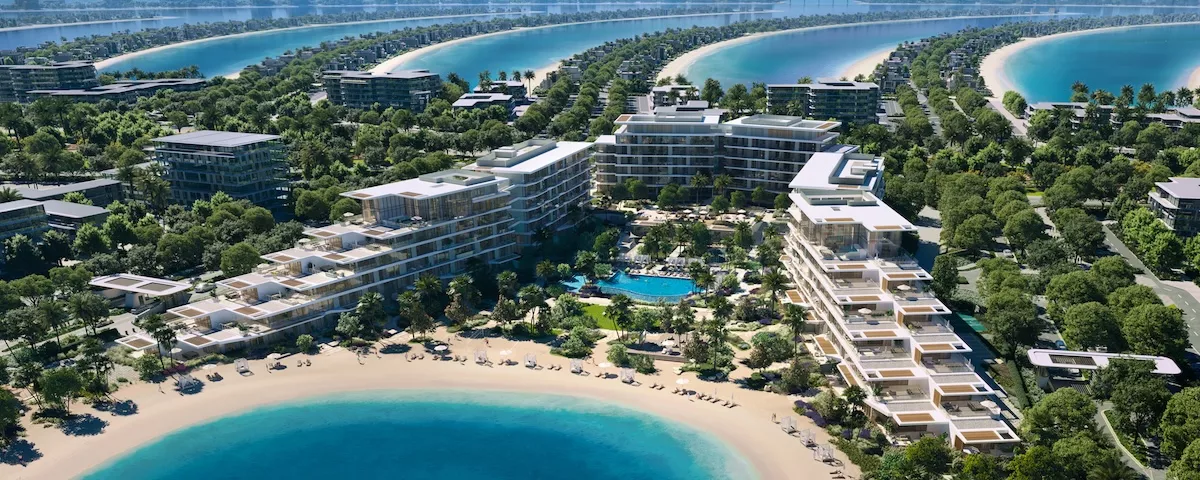
Dubai’s property market remains highly active, with AED252 billion in transactions recorded during the first quarter of 2026 – 31% more by value than a year earlier. But the rising market that once carried almost every development is becoming more selective, and Kavtaradze believes investors now need to examine individual assets rather than assume Dubai will deliver automatic gains.
“At the time, prices were rising so quickly that people made money even on projects I would not normally recommend,” he says. “Earlier, you could buy almost anywhere because everything was rising. Today, you need to understand exactly what you are buying, where it is, who the developer is and what you want the property to achieve.”
ValuStrat’s August index supports that more nuanced picture. Citywide residential values were 3.1% lower than a year earlier, but moved by just 0.2% during the month, with around six in 10 freehold homes holding their value. Prime villa communities including Jumeirah Islands and Emirates Hills continued to record annual growth, showing how sharply performance can differ between locations and property types.

Understand why you are buying
Kavtaradze’s starting point with every client is not the development, but the purpose of the purchase. A buyer relocating with children will have different priorities from an investor seeking rental income; schools, the journey to work and the practicality of daily life may matter more than a headline return, while a buyer planning to resell must weigh future supply and who will want the property when it returns to the market.
“If you are buying a home, we ask whether you need access to a park, the sea, a school or your workplace,” he says. “If you are investing, we need to know whether you want rental income or whether you intend to buy and sell. Those are different strategies. For rental income, you might look at homes for office workers, students or managers. If the objective is resale, I would look more closely at the high end, where the supply of a particular apartment or villa is limited.”
Location remains one of his central considerations.
“In real estate, location is number one,” he says. “You can renovate an apartment by the sea, but you cannot move an apartment from the desert to the sea. You need to look at areas with strong demand or, if you are buying to live there, proximity to your work, your children’s school and everything you need in daily life.”
The developer’s delivery record, construction quality and management of completed properties matter too, he says, as does how much similar stock is planned for the area and whether the property will appeal to tenants or future purchasers. He is equally direct about promises of spectacular short-term gains.
“Not everything that shines is gold,” he says. “Some agents will promise that you are going to make 50% in one or two years, but that is not how you should make a decision. You first have to establish why you are buying and then choose the property that fits that objective.”

Choosing the right adviser
The person recommending the property, Kavtaradze says, deserves as much scrutiny as the project itself, since developers offer different commission structures that can influence which developments an agent chooses to promote. For Alcenza, the priority is a relationship that continues beyond the initial sale.
“We focus on developers with strong reputations and projects that we believe will deliver a good product,” he says. “We don’t try to sell something simply because it offers a larger commission. Real estate is a long-term game. If I sell you something bad today, tomorrow you will block me and never refer a friend.”
Experience Dubai before making the move
Kavtaradze remains confident in Dubai’s long-term prospects, particularly for buyers who choose strong locations and reputable developers. But for anyone in Monaco contemplating relocation as well as investment, his advice is to spend meaningful time there first. A short stay in a hotel, he says, cannot reveal what it is like to live, work, take children to school and navigate the city every day.
“Come for a month,” he says, “then go home and see how you feel. Dubai is a place where you can live comfortably, do business and travel easily. Every country has good and difficult periods, but from my personal experience, the combination of service, security and connectivity is very difficult to leave once you become accustomed to it.”
Alcenza’s move into tokenised property
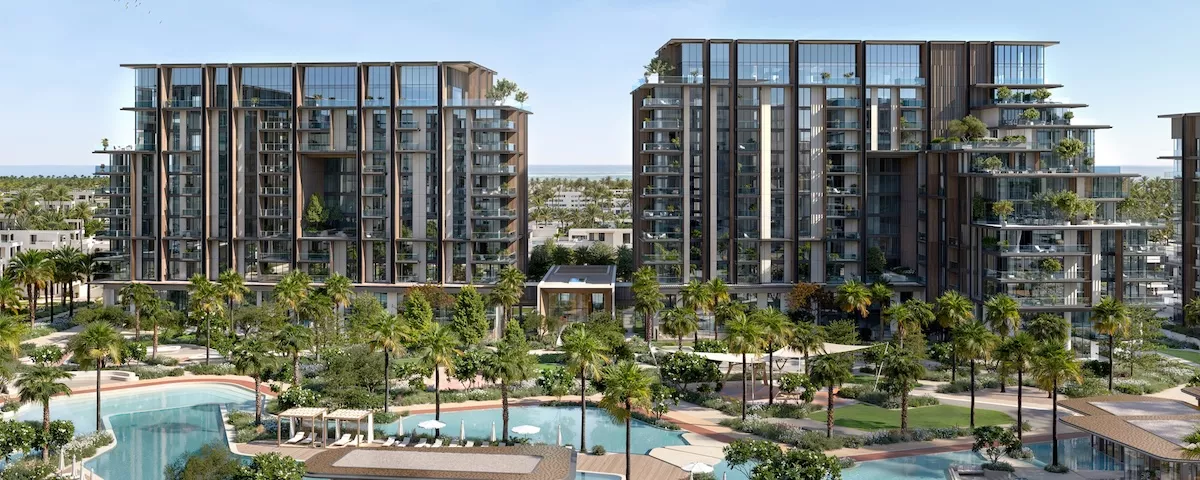
Alcenza’s next stage could take the company beyond conventional brokerage and into tokenised real estate. Subject to regulatory approval in the UAE, the model would allow several investors to acquire fractional financial interests in a property or development, rather than each having to purchase an entire asset.
Alcenza would select and manage each asset, with returns generated through rental income and any increase in value upon resale. Kavtaradze believes some projects could target annual returns of at least 7%, with a typical minimum holding period of around three years, although both would depend on the property, purchase price and market conditions. He hopes the company will be able to launch its first tokenised investment within the next year, once the necessary approval has been secured.
The move into tokenisation reflects Alcenza’s ambition to grow alongside Dubai’s increasingly sophisticated property market, while its expanding presence in Monaco gives the company direct access to investors looking for opportunities beyond the Principality. But Kavtaradze’s central message remains unchanged: whether buying an entire residence or a fractional interest, the quality of the asset, its location and the reason for investing will ultimately matter more than the promise surrounding it.
Monaco Life is written by qualified journalists, writing original content. Sign up for our free newsletter, listen to our podcasts on Spotify, and follow us across Facebook, Instagram, LinkedIn, and Tik Tok.
Photos source: Alcenza