

In partnership with the Princess Grace Foundation-USA, Monaco Life proudly presents a monthly series spotlighting the lives and artistic contributions of the Foundation’s remarkable Award winners.
For filmmaker, producer, director, and educator John Ira Palmer, storytelling has always been both an escape and a means of self-discovery. With a career spanning independent film, commercial production, and academia, his work is grounded in a deep commitment to collaboration, emotional truth, and the evolving language of cinema.
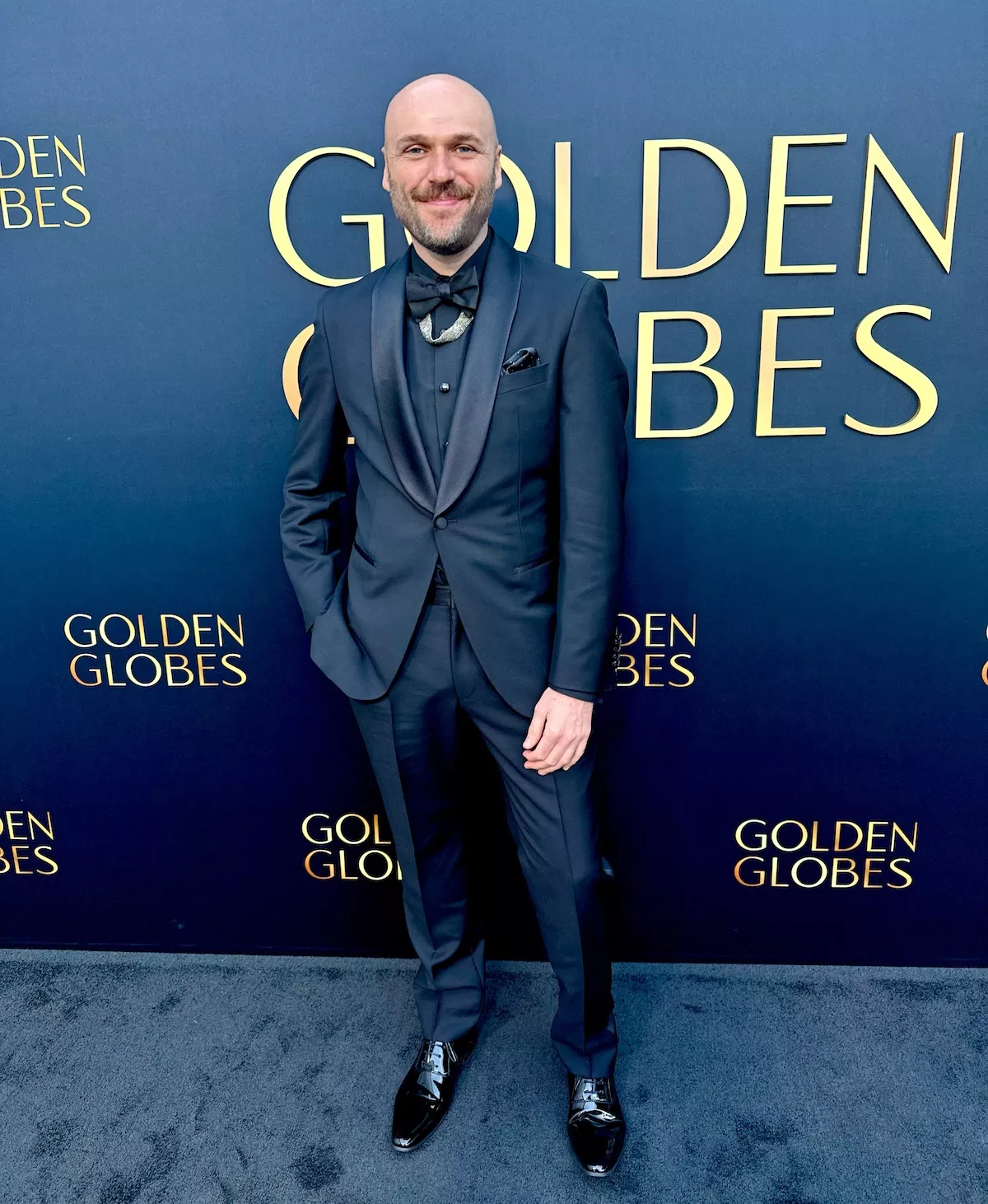
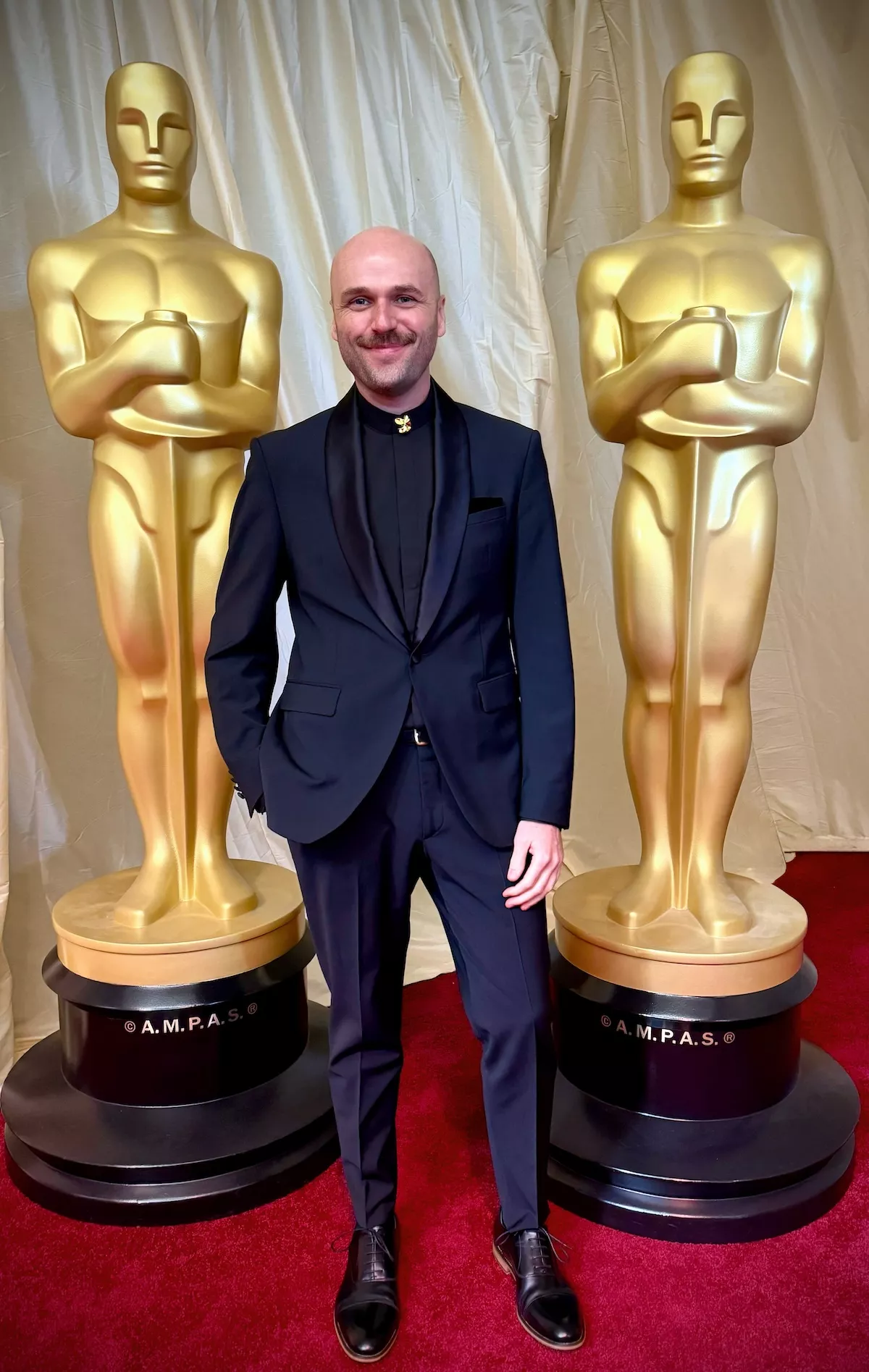
A Princess Grace Award winner in Film (Honorarium) early in his career, Palmer has gone on to support filmmaker-driven projects through Projected Picture Works, including September 5 and Asphalt City, while also mentoring the next generation at USC’s School of Cinematic Arts and the AFI Conservatory. Whether producing, directing, or teaching, his approach remains rooted in connection—between story and audience, artist and collaborator.
In this conversation, Palmer reflects on his early creative beginnings, the lessons he’s carried across disciplines, and why moments of change in the film industry continue to inspire optimism.
On the Princess Grace Foundation-USA
You received a Princess Grace Foundation Film Honorarium early in your career. What did that recognition mean to you then?
Truth be told, I couldn’t even believe I received the grant at the time. I was making a tiny little experimental film at a tiny little art school in the Bay Area, and I never thought I’d land on the radar. It meant the world to me. It was the largest budget I’d worked with at that point, and by a lot. It allowed me to realize visuals and ideas I’d been bouncing around but had no resources for.
On a larger scale, it made me feel legitimized. Having someone believe in you and your work can sometimes be all you need to advance to the next level. The Princess Grace Foundation has also been the gift that keeps on giving… I really don’t think I’d have the access I now have without the help of the Foundation.
The Princess Grace Awards connect artists worldwide. What does being part of this global artistic community mean to you?
Well, aside from the obvious connection to Princess Grace Kelly’s incredible legacy, the community has been incredible. I’ve made amazing friends and colleagues, some of whom have been in my life for well over a decade. Whether I need guidance, collaboration, or simply inspiration, the Princess Grace network has given me all of this in spades.
On His Career & Artistic Growth
Let’s go back to the beginning… When did filmmaking first become a meaningful form of expression for you?
My love for movies has been lifelong—something my dad shared and passed along. When I was a kid, movies provided entertainment, sure, but they also offered escape—a chance to see the world and a safe place to feel my emotions. So I always knew I wanted to be a part of making them one day, but as a kid from a trailer park, I had no idea how to actually do that.
I lived with my grandparents for much of my childhood, and when I was in middle school, they bought me a discounted floor model of a camcorder from the local electronics store. I never put it down. I started making films with my friends—silly westerns, horror movies, stop-motion animations, and on and on.
When I look back on those, as goofy as many of them were, and even though they weren’t necessarily autobiographical, I realize that I was working through many of the themes in my life—telling stories as a way to express my inner world. Filmmaking felt like home, something I was born to do.
You started your studies in fine arts before pursuing film production. How did that artistic foundation shape your visual storytelling and creative voice?
As I grew into adulthood, I still had no idea how to access the film industry, much less find my own place in it. But I knew I enjoyed connecting with others through creativity, and I’d continued making movies and taking photos. Whether the images were moving or still, I loved making them.
I ended up in art school—the San Francisco Art Institute (RIP)—based on my photography portfolio, but quickly moved into experimental filmmaking there. They had a great little avant-garde film program with incredible, legendary faculty like George Kuchar, Ernie Gehr, Lewis Klahr, Gunvor Nelson, Janis Crystal Lipzin, Sandra Davis, and so on.
So I was making movies in art school, but they were really far outside of the scope and practice of commercial filmmaking. Art school, if you take it seriously, is quite a rigorous endeavor. Through experimentation and critique, you start to learn how to align your talent with your taste, and how to shape your work and voice to translate your ideas to viewers.
I think it prepared me well for my transition into the larger world of commercial filmmaking. It’s worth noting, though, that I still love experimental film and sometimes even find time to make them as a way to channel my creative energy outside of a market-driven space.
Your career covers independent film, creative agencies, and academia. How have these different worlds influenced your approach to filmmaking and collaboration?
Sometimes it feels so disjointed when I think about it. But the truth is, they’re all riding the same line. They all involve storytelling and are about connecting with others. Each is a collaboration between a messenger and an audience.
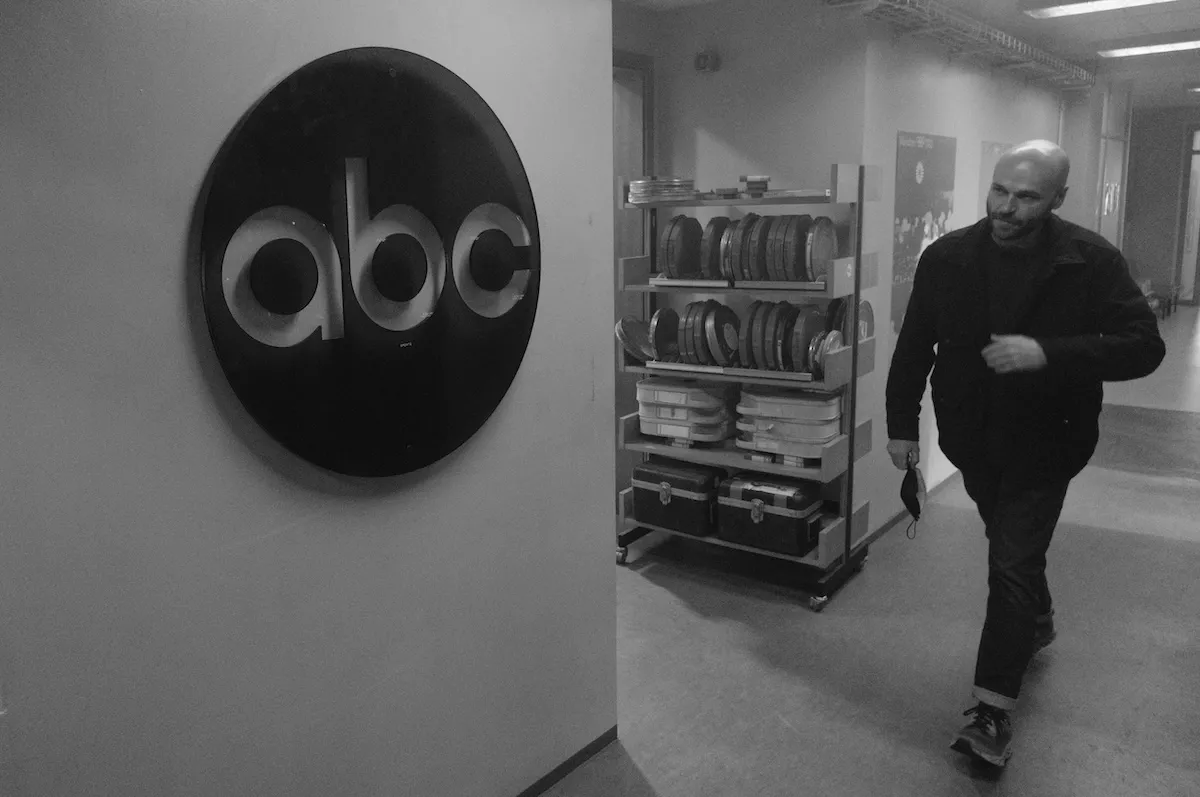
Independent filmmaking has taught me a lot about roll-your-sleeves-up entrepreneurialism in concert with supporting creative vision. The agency side really taught me about effective communication, which is paramount in the marketing and advertising world, alongside teamwork and always-aim-for-perfection craft within tight budgets and deadlines.
And teaching—well, teaching has taught me so much. I work mostly with graduate film students at the USC School of Cinematic Arts and the AFI Conservatory, and one thing that stands out as a lesson learned is to be patient and let people surprise you. Sometimes just investing the time to see the potential in someone and their ideas is the spark that’s needed to help them level up.
I also genuinely love teaching and mentoring, and the feeling of sharing and exchanging knowledge and practice is one of my life’s greatest joys. But all of these things, however disparate they might seem, have made me a better producer and director—and yes, collaborator. I really do see them as part of the same whole.
As both a producer and director, how do you balance creative vision with practical realities?
It’s interesting, because I sort of have these two practices. One is my bread-and-butter, my “day job,” which is producing what we’ll call “commercial” films, and the other is my more personal practice of directing experimental films and documentaries.
Obviously, the pressure of the practical is greater on a larger, feature-length film. But in both, I think the goal is always to identify what is special about a project—to figure out that core thing that drives it—and to protect that at all costs while figuring out a way to actually bring it to life.
One of my colleagues and mentors, the producer Tim Marx, always says to his teams, “We can do anything, we just can’t do everything.” And I really love that mantra. We can pull anything off, and hopefully always in service of that thing that’s special, though there will always be compromises.
What’s awesome, though, is that you often find even better creative solutions when you’re limited by filmmaking “frenemies” like time and budget.
Through Projected Picture Works and films like September 5 and Asphalt City, you’ve supported filmmaker-driven stories. What attracts you to the projects you choose to produce?
There’s really not any one particular genre that I look toward, and the same is true for my partners at Projected Picture Works. We’re just looking for good stories, made by good people.
We tend to gravitate toward original ideas and try to support early-career filmmakers when we can. I also love movies that add value to the world. That doesn’t necessarily mean that every project has to be driven by a social issue, but I love it when there’s something there that makes you feel, think, or see something in a fresh way.
As an educator, what lessons do you hope to pass on to emerging filmmakers?
I hope they learn the nuts and bolts of the job, of course, but also that there’s no one right way to make it to your destination.
Good storytelling, effective communication, and kindness are excellent foundations. It’s also important to listen well, and to be adaptable.
In an industry that’s rapidly changing, what excites you most right now?
Some of my industry colleagues and students are worried about the shifts we’re experiencing in film, but our industry has undergone seismic changes many times.
We’re at a moment of huge change, and it’s not without its pains, but to be a part of figuring out what form movies will take as we move forward keeps me going.
On Life Beyond Film
Ever been to Monaco? What would your perfect day there look like?
I’ve been to the Cannes Film Festival several times, but I’ve never actually made it to Monaco. I’d love to!
I’m a simple guy, so a perfect day would involve delicious food, beautiful views, and the ocean air… and maybe channeling a bit of Princess Grace’s glamor for a night out.
On What’s Next
What stories or challenges are inspiring you now—and what can audiences expect next?
I’m really compelled by what audiences will want to see moving forward, and how we’ll tell stories that continue to bring people into theatres and eyes onto screens.
Our production company released four movies in 2025, and we have some exciting projects on the horizon, which I can’t talk about just yet.
On the personal side of filmmaking, I’ve been ideating several experimental collage films about queer longing, which I’m hoping to film on my Bolex.
Why are programs like the Princess Grace Awards still so important today?
Early-career filmmakers find themselves in a Catch-22. No one takes you seriously until you can prove what you can do, but you can’t do that without adequate resources.
The Princess Grace Foundation offers funding, but also long-term, sustainable commitment in the form of professional development, networking, and so on.
For an artist to hear, “I see something special in you,” that’s powerful. And it’s more important now than ever.
Follow John Ira Palmer on Instagram @trehaus.
Stay updated with Monaco Life: Sign up for our free newsletter, catch our podcast on Spotify, and follow us across Facebook, Instagram, LinkedIn, and TikTok.
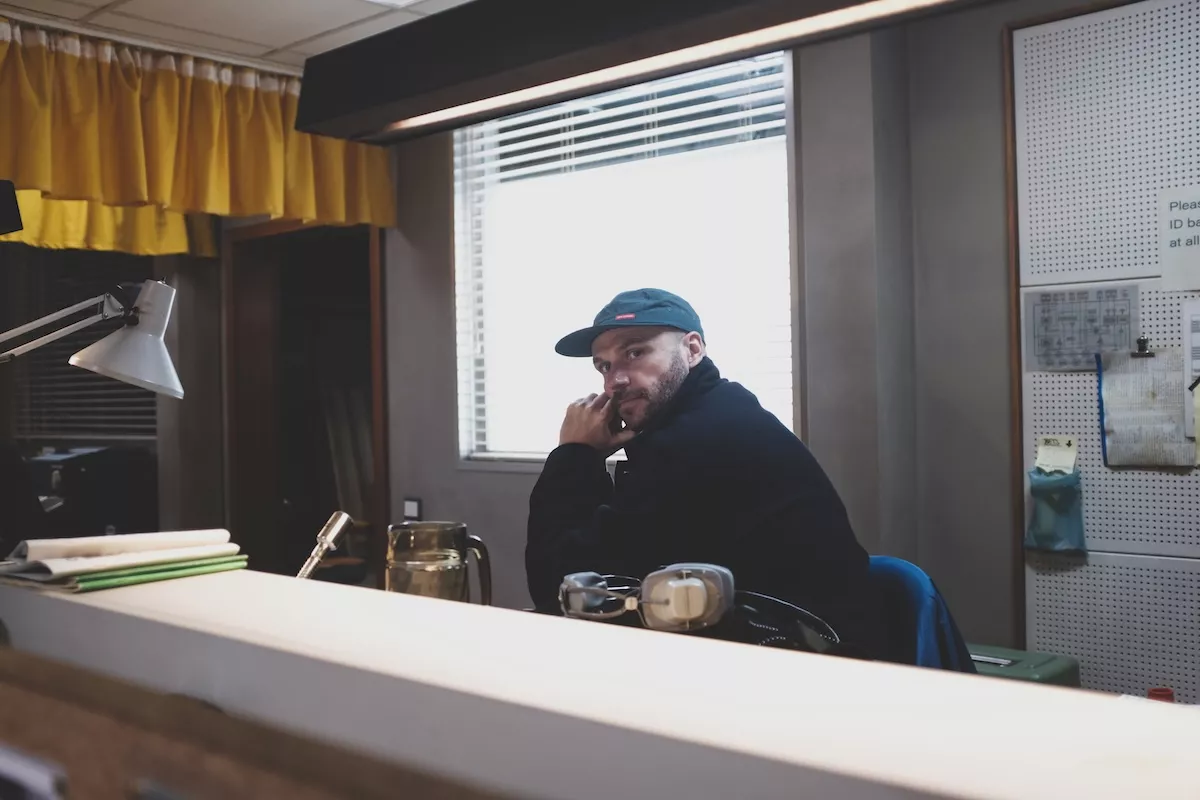
Main photo: John Ira Palmer on the set of September 5, photo by Kenneth Macdonald