

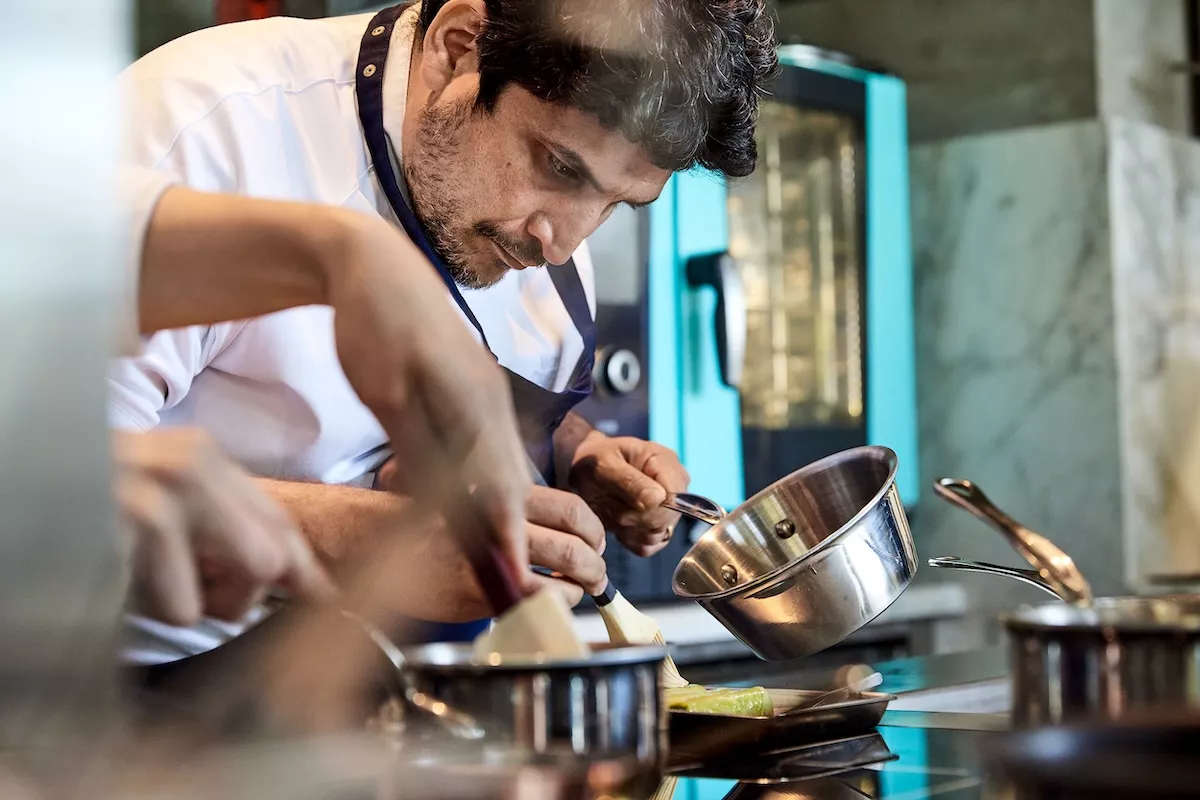
For its 13th edition, Sunset — the beach party that has become one of the most iconic events of Monaco Grand Prix weekend — has pulled off its most ambitious collaboration yet. From 5th to 7th June at the Méridien Beach Plaza, Casa Sunset x Mauro Colagreco will see the chef behind Mirazur, the three-Michelin-starred restaurant in Menton named the world’s best, sign an exclusive gastronomic menu inspired by some of his most iconic dishes — served open-air, facing the Mediterranean, to the sound of music that runs until 3am.
On paper, it is an unexpected pairing: a chef whose cuisine is rooted in contemplation, nature and the rhythms of the Côte d’Azur, joining forces with a beach party defined by energy, spectacle and the unmistakable intensity of Monaco’s Grand Prix weekend. Yet for Mauro Colagreco, that contrast was precisely the appeal.
The chef behind the three-Michelin-starred Mirazur in Menton, who today oversees restaurants across several continents and holds eight Michelin stars globally, has created an exclusive menu for Casa Sunset inspired by some of his most emblematic dishes.
In this conversation with Monaco Life Editor-in-Chief Cassandra Tanti, Mauro Colagreco reflects on why Monaco Grand Prix weekend inspired him creatively, how the idea of luxury hospitality is evolving, and why emotion now matters just as much as technical perfection in gastronomy.
You describe Casa Sunset as “a different way of living gastronomy — more relaxed, but still deeply centred on pleasure and sharing.” Do you think fine dining has become too formal, and are people now looking for emotion and atmosphere as much as technical perfection?
I think people today are searching for experiences that feel sincere and alive. Technical precision remains essential in gastronomy — it is part of the craft and the discipline behind every plate — but it is no longer enough on its own. What truly stays in people’s memories is emotion: the atmosphere, the energy around the table, the feeling of connection.
At Casa Sunset, we wanted to create a more relaxed and spontaneous expression of our cuisine, while keeping the same level of attention to ingredients, balance and creativity. Gastronomy should never feel distant or intimidating. It should create pleasure, movement, sharing and moments that people genuinely live together.
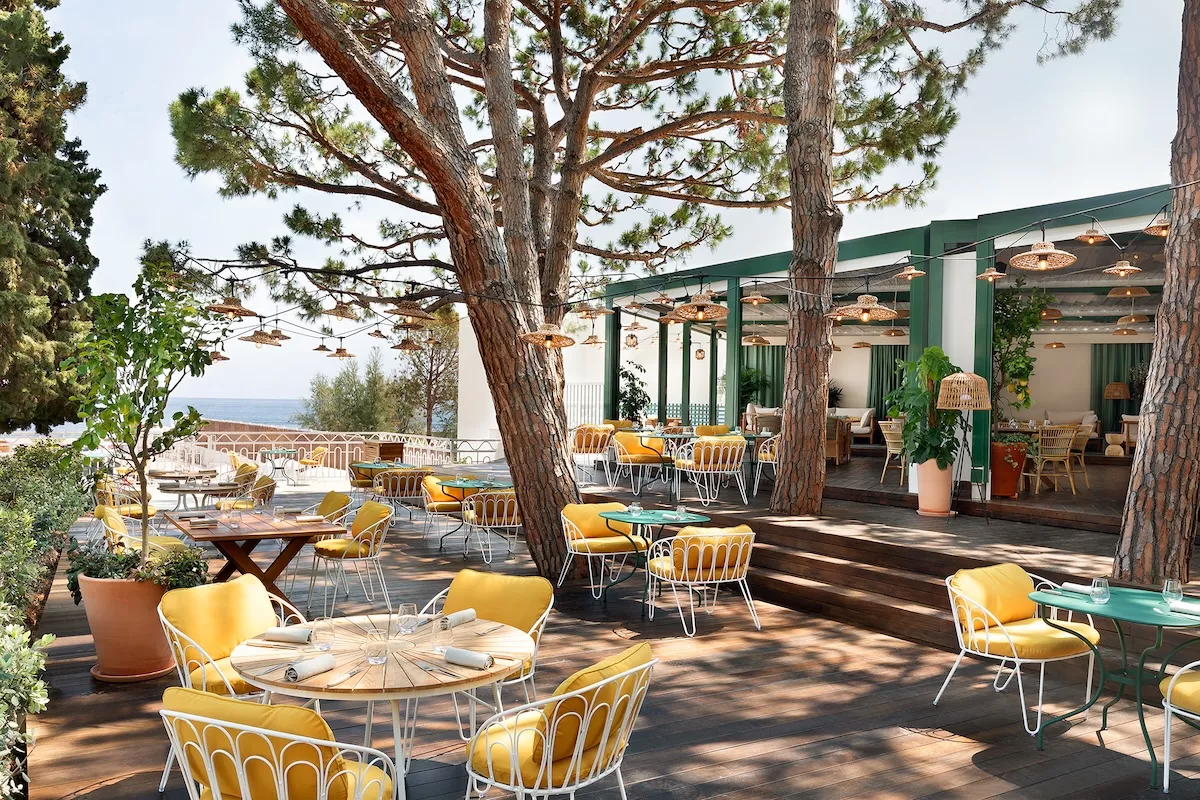
You built Mirazur around contemplation, nature and rhythm. Monaco Grand Prix weekend is almost the opposite — loud, fast and hyper-social. What interested you about bringing your cuisine into that environment?
That contrast is precisely what made the project interesting to me. Monaco during Grand Prix weekend has a very unique energy — intense, international and almost cinematic. For a few days, the Principality becomes a place where cultures, creativity and celebration all intersect.
Rather than opposing that atmosphere, we wanted to engage with it. Casa Sunset gave us the opportunity to imagine a cuisine that could dialogue with this vibrant rhythm while still remaining connected to our Mediterranean identity and our philosophy around seasonality and nature.
It was not about recreating Mirazur in Monaco, but about translating part of our universe into a different context: more immediate, more festive, more open to movement, music and the sea.
Luxury has changed enormously over the past decade. People still want exclusivity, but they also want spontaneity, energy and experience. How has that shift changed the way you think about hospitality?
Luxury today is much less about formality and much more about authenticity and emotion. People still appreciate excellence, of course, but they also want experiences that feel human, personal and alive.
Hospitality is no longer only about creating beautiful spaces or exceptional cuisine. It is about creating memories, emotions and meaningful moments of connection. Sometimes that can happen in a very refined dining room, and sometimes it can happen in a lively atmosphere by the sea during the Grand Prix.
For me, true luxury is the quality of attention: attention to people, to products, to nature, to detail and to the energy of a moment.
You have created restaurants and concepts across very different cultures and continents. How do you stop global expansion from diluting identity — especially when your cuisine is so closely tied to place and nature?
For me, identity does not come from reproducing the exact same cuisine everywhere. It comes from maintaining the same philosophy and the same values wherever we create.
Every project must develop a relationship with its own territory, its local producers, its seasons and its cultural environment. What connects all our projects is not a fixed aesthetic, but a way of thinking about food: respect for biodiversity, attention to nature, creativity rooted in place and a strong human dimension.
I have always believed that a cuisine can be deeply anchored in its region while remaining open to the world. Travel, encounters and cultural exchange have always nourished my work.
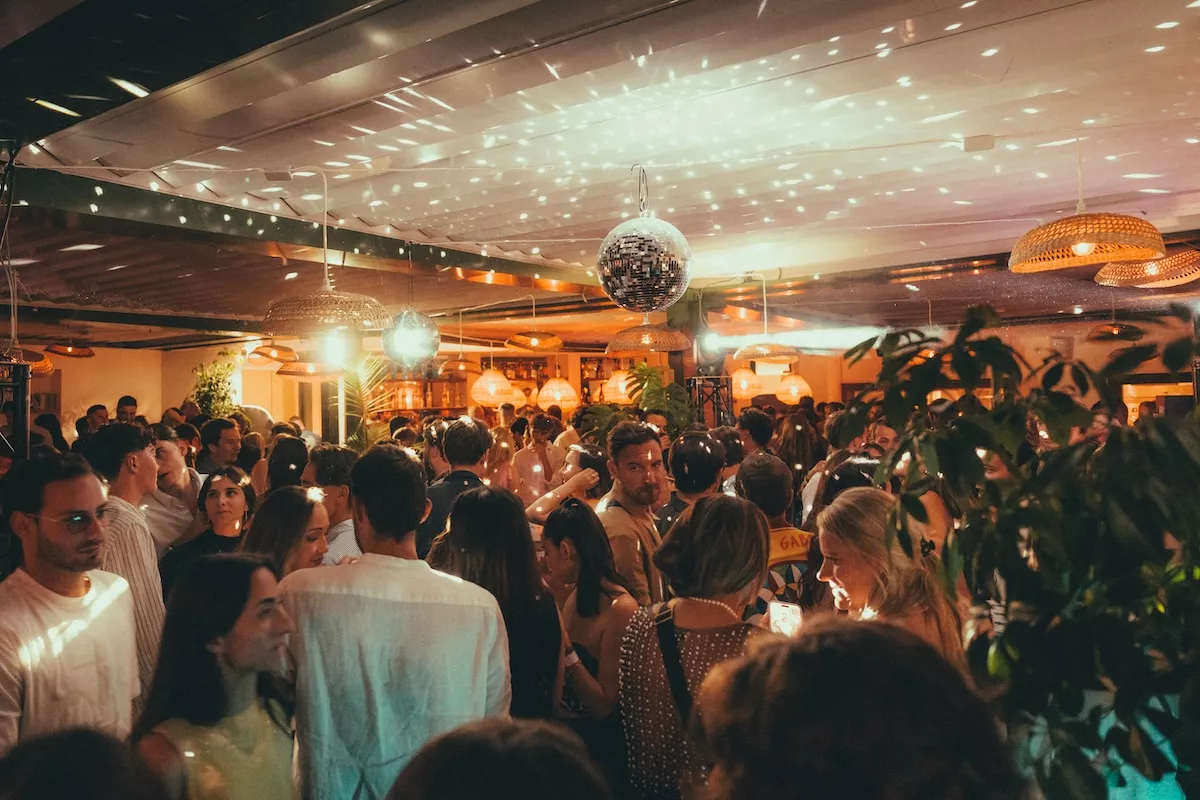
You often talk about emotion in cooking. What emotion do you actually want people to leave with after an experience like Casa Sunset during Grand Prix weekend?
Above all, I would like people to leave with a feeling of joy and vitality. Monaco during the Grand Prix is filled with excitement and movement, and we wanted Casa Sunset to reflect that energy while still creating something warm and deeply human.
I hope guests remember not only the food, but also the atmosphere — the sea, the music, the conversations, the feeling of sharing a special moment together.
For me, gastronomy is ultimately about creating connection. If people leave feeling inspired, emotionally touched and more connected to the people around them, then the experience has succeeded.
See also:
VistaJet partners with Mauro Colagreco for exclusive in-flight Michelin-star dining
Stay updated with Monaco Life: sign up for our free newsletter, listen to our podcasts on Spotify, and follow us across Facebook, Instagram, LinkedIn, and Tik Tok.
Photos provided