

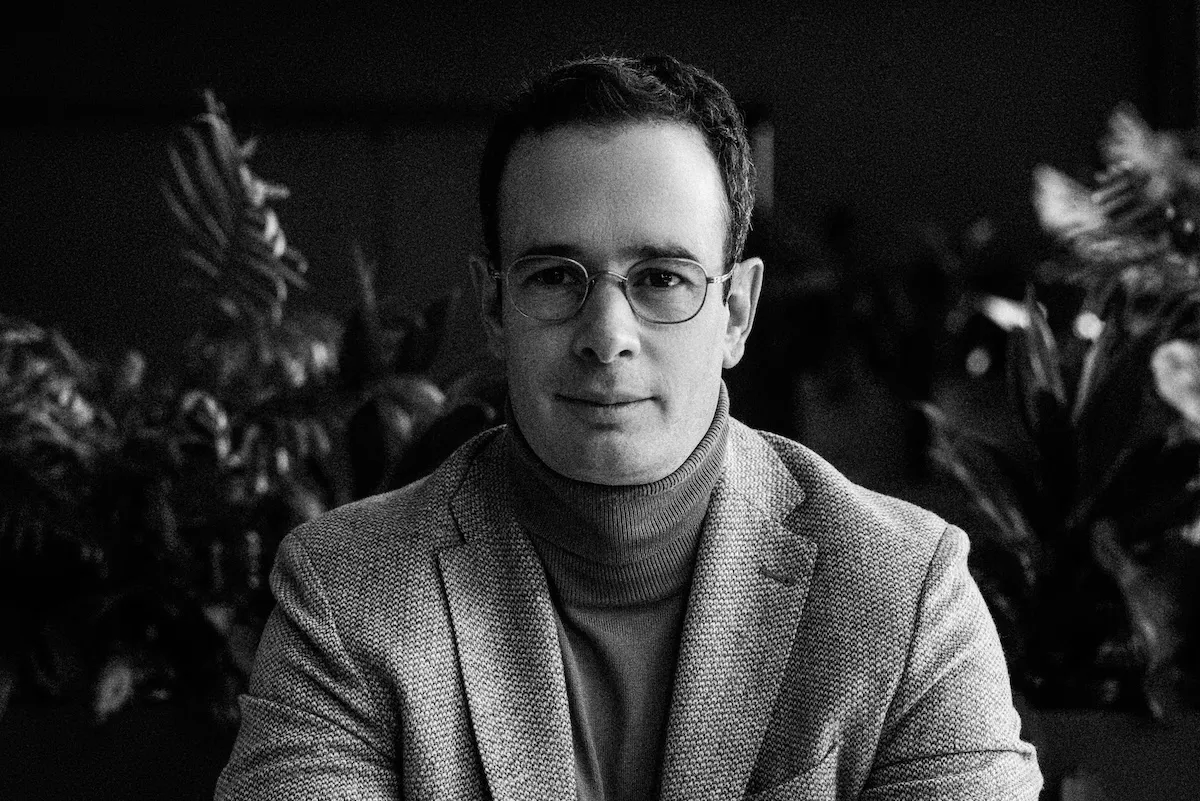
Alexandre Caracchini has barely been in the role a week, but already the requests are flooding in. Monaco’s newly appointed Honorary Consul to Ukraine is learning that his position means being everything from immigration advisor to cultural ambassador to unofficial matchmaker for a scattered community trying to find each other in the Principality.
“I’ve officially been consul for only one week now, and I don’t know how people knew about it but I’ve already been contacted by so many,” he tells Monaco Life’s Cassandra Tanti. “Enquiries across the board—from how to handle crossing the border, to having a baby in this country. Even husbands calling to say, ‘I’ve married a Ukrainian woman and I would love to meet you.'”
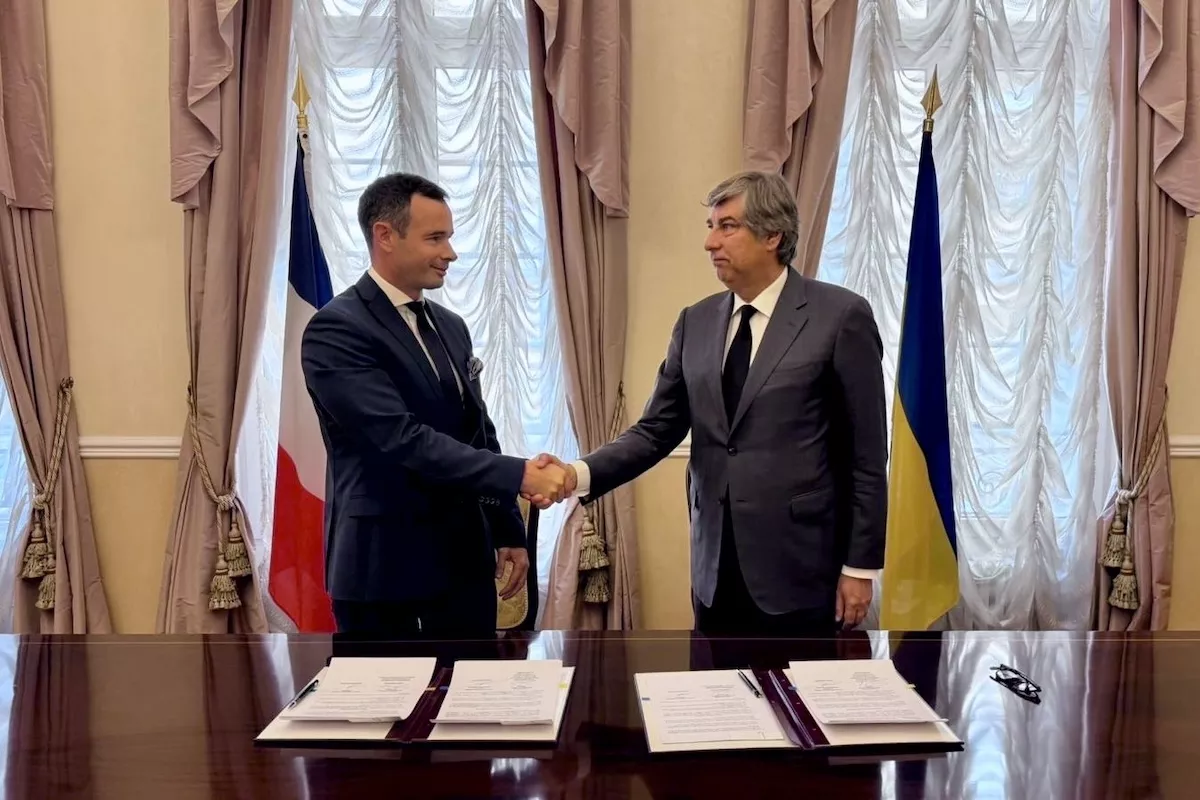
It’s a far cry from his day job as co-founder and project manager of Red White Design, but for Caracchini, who arrived in Monaco in 2017 and became a resident two years ago, the role represents something deeper than administrative duty. It’s personal. He has been travelling back to Ukraine throughout the war, witnessing firsthand what his compatriots are enduring.
“Right now is the most difficult time we’ve faced because we have to remember that some people are living in their homes with a maximum temperature of seven or eight degrees Celsius – it’s like living outside – because they don’t have electricity,” he says, his voice weighted with the responsibility he now carries. “We have to always remember what’s happening in Ukraine, that our people still very much need our help.”
Building community from scratch
Caracchini’s first challenge is one that would daunt most diplomats: he doesn’t actually know how many Ukrainians live in Monaco. The community is fragmented, often invisible, connected by loose threads of friendship and circumstance rather than any formal registry.
“I’m trying to meet every single Ukrainian person here, which is a big challenge, but I like to spend time with each individual—to see who they are, what they’re doing here, and then I match them together,” he explains. “I’ve already organised a few events in my office and connected several Ukrainians here in Monaco.”
The Ukrainian presence in Monaco is diverse and, in many cases, precarious. “Much of the Ukrainian community has lived in Monaco for some time now—big businessmen who brought their families here while maintaining their businesses in Ukraine,” Caracchini says. “Then there are people who left Ukraine looking for somewhere else to live and decided to settle in Monaco because it’s safe with good schools for their children. And others, of course, left Ukraine because of the war.”
But many Ukrainians in Monaco exist in a kind of administrative limbo. They rent apartments but don’t establish residency. They work but struggle to open bank accounts, partly because Ukraine remains on financial grey lists, partly because they lack the capital required by Monaco’s banking system.
“That’s why I’m trying to reach every Ukrainian through friends, to understand how many are actually here and what type of people we have,” he says.
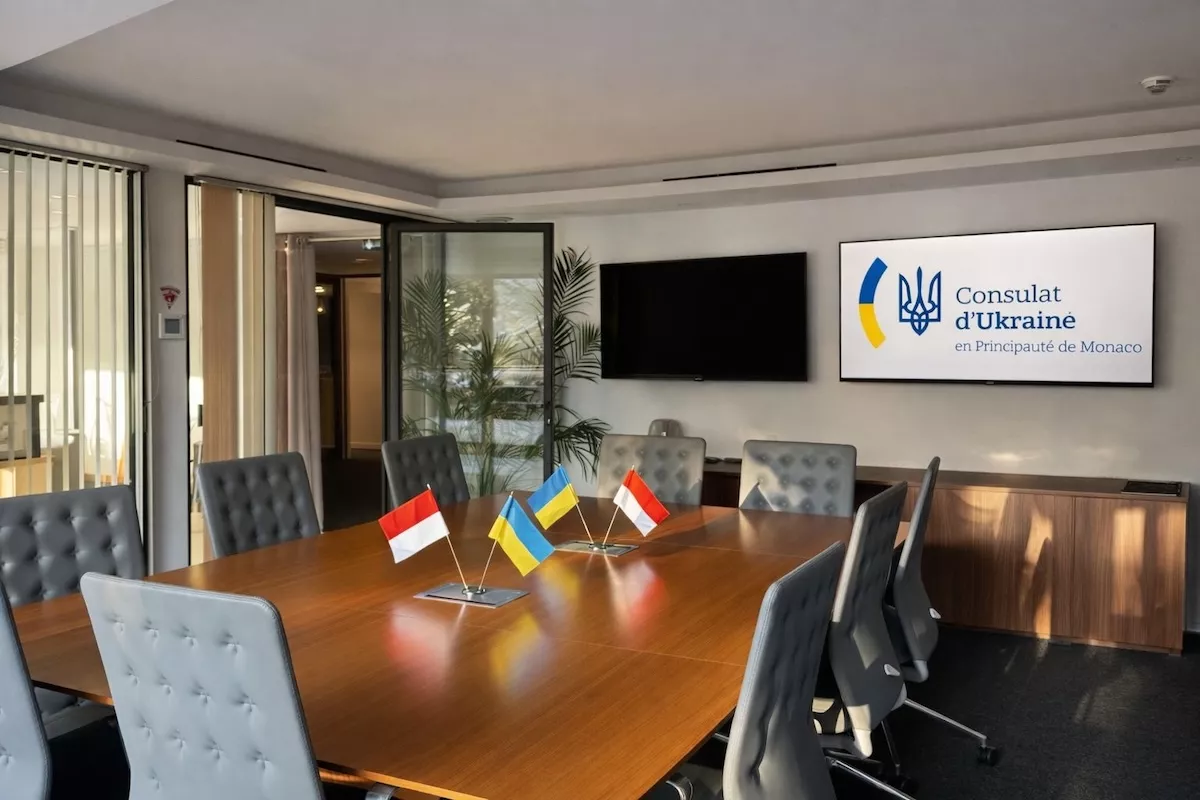
Les Amis d’Ukraine
To formalise this scattered network, Caracchini is establishing an association called Les Amis de l’Ukraine — The Friends of Ukraine. It’s an ambitious vision that goes well beyond paperwork and passport queries.
“It’s all about coming together, being stronger together and organising events,” he says. “I have a lot of ideas but I also want to hear their ideas, to implement what they’re looking for—more events for kids, for example. I want to bring chefs to cook Ukrainian food in restaurants sometimes, and I’d love to organise one dinner every year that brings together all the Ukrainians in Monaco along with some guests.”
The cultural mission is as important as the practical one. Ukraine has been thrust into global consciousness by war, but Caracchini wants Monaco to know Ukraine for something more — its food, its culture, its resilience, its people.
“Let’s say the positive side of this war is that previously, I didn’t know many people who came to Ukraine even for vacation, but now everybody knows Ukraine,” he reflects. “They have borders, they have a sea, and I think it will be a great country after the war because the people are incredibly resilient. I’m impressed all the time — when I go there I see new restaurants opening constantly, designers doing beautiful things, excellent IT work. I really believe in the future of this country.”
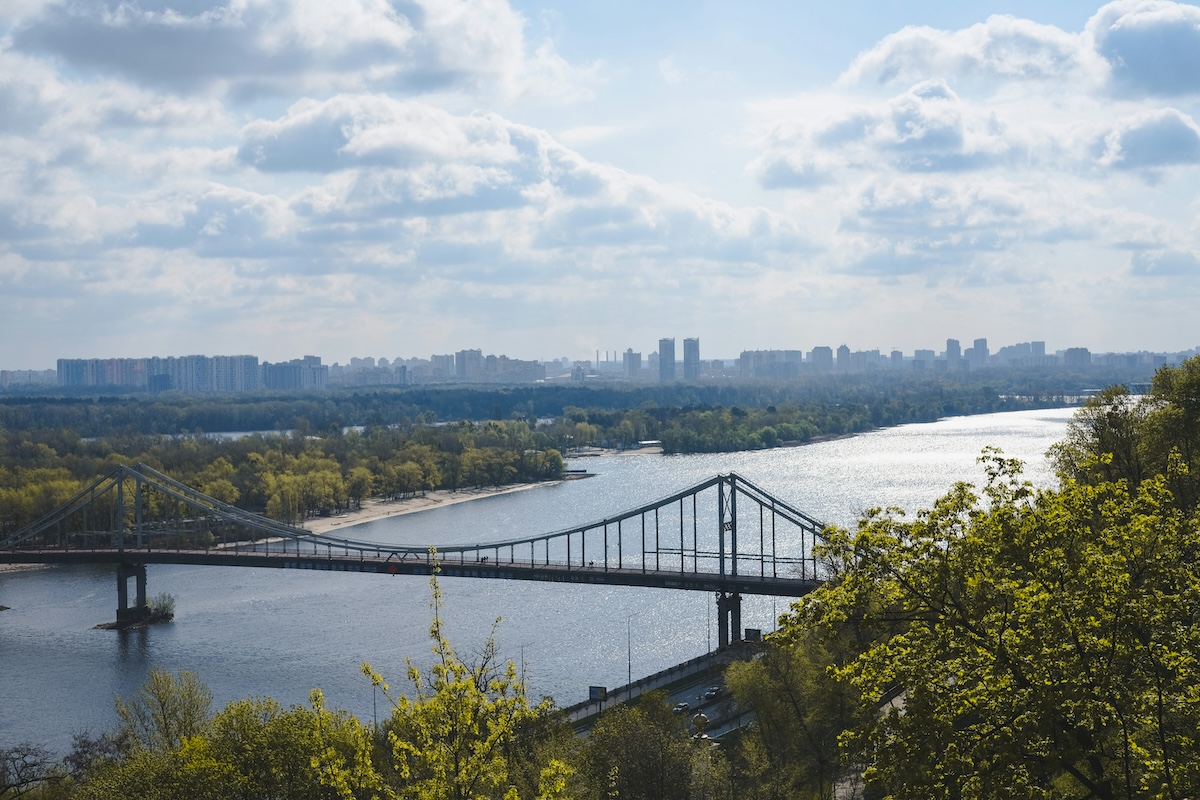
The humanitarian corridor
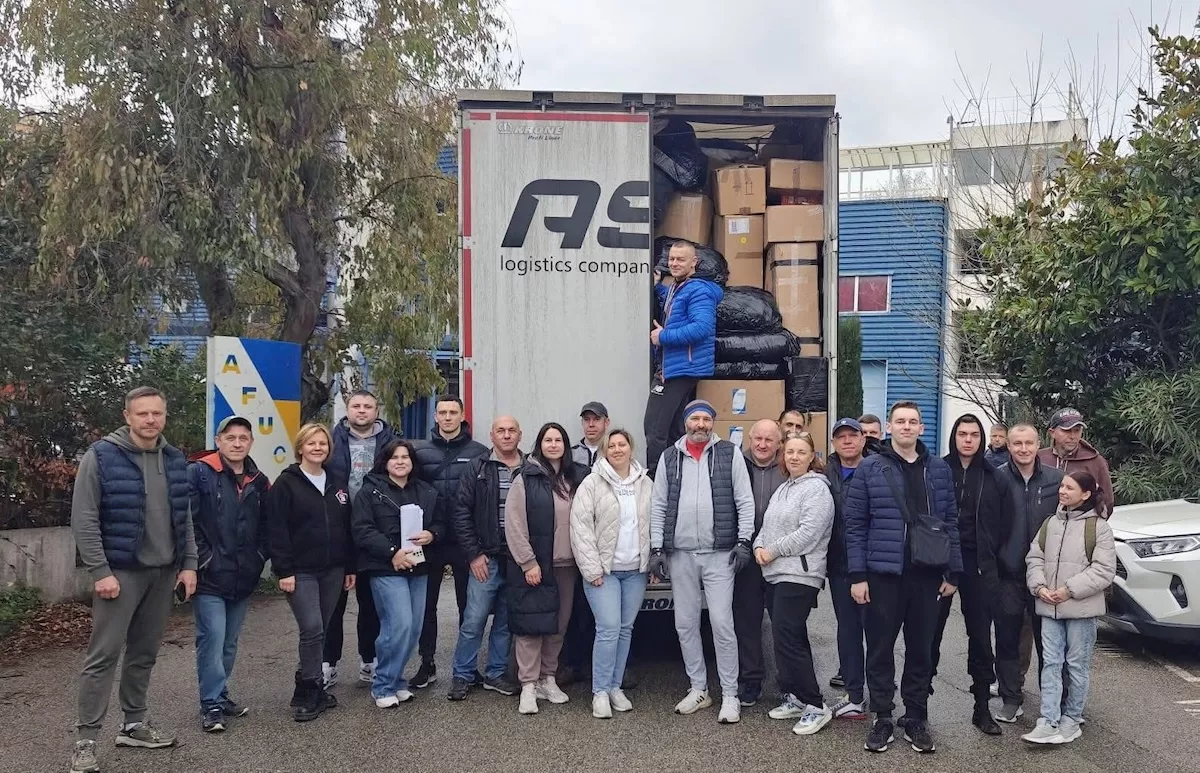
While building community in Monaco, Caracchini is simultaneously managing a humanitarian pipeline between the Principality and Ukraine. Working in collaboration with AFUCA (the Ukrainian Association Monaco), he helps collect donations, purchase supplies, and coordinate deliveries to emergency centres in Ukraine.
“We receive donations, we buy things, and we take pictures to show people what we’re doing,” he explains. The logistics run through Nice, where AFUCA maintains a large storage facility. “All the donations go there, then everything gets delivered to the emergency centres in Ukraine.”
The needs are constant and urgent: generators, warm clothing, medical supplies. “We have a list of things we need urgently that we can bring to Nice and have delivered,” he says.
He’s particularly grateful to the Ukrainian women who have been doing this work long before he took office: Olena Chernovolova of the Dopomogator Foundation, which provides prosthetic limbs; Taisiya Savchuk of the Savchuk Foundation; and Svetlana Berezovska of Association Monaco Ukraine. “I’m so thankful to them and impressed by how strong and active they are,” he says.
Preparing for tomorrow
But Caracchini’s most ambitious work may be the least visible: positioning Ukraine for post-war reconstruction. Through his business networks, he’s connecting with investment funds from the United States and Middle East, groups eager to participate in rebuilding a country that will need everything—housing, infrastructure, energy systems, agriculture.
“We’re buying land in the Kiev region to build smart cities, to start working on the projects that will be needed tomorrow,” he says. “Affordable housing for people who’ve lost their homes, for example. Many people have left but they’ll want to come back, and the infrastructure isn’t there anymore.”
The urgency in his voice is palpable. “We need to prepare everything. We can’t wait until the end of the war—we need to start now to be competitive in the market.”
It’s here that his Monaco experience becomes relevant. The Principality’s approach to development—balancing profit with social purpose, protecting locals while attracting international business—has given him a template.
“Working in real estate in Monaco, I’m trying to bring the idea to Ukraine that when we rebuild, it’s not all about the money,” he explains. “It’s also about giving apartments, at a small price or for free, to a woman who lost her husband in the war, for example, or a hero who came back without legs or arms—we must give something to them. This must be part of every project we do.”
He points to Monaco’s protections for Monégasques, the caps on business creation, the subsidised housing. “Every project should partly make money, partly focus on the beauty of the project, and be partly philanthropic, that would be amazing.”
The weight of representation
Being Honorary Consul during wartime carries risks that civilian life doesn’t. Caracchini is acutely aware of this.
“I’m really proud to have taken on this position—I love challenges in life,” he says. “But it’s difficult because we’re at war, so I can have enemies—journalists, Russians, anyone actually. For me it’s important that I have the right message all the time, that I’m neutral, just passing the message that Ukraine still needs help and we must think about other people. We must be grateful for where we live because we never know what will happen tomorrow.”
The velocity of global change hasn’t escaped him. “Especially now when you see how fast things are moving across the globe, you understand you should be happy where you are, especially here.”
Does he think the war is close to resolution? He pauses before answering.
“Deep down, I do,” he says finally. “The main issue is the Donbass region, which is not negotiable for Ukraine. But I think we’re close now because people have really had enough.”
A message to Monaco
For now, Caracchini’s focus remains immediate: connecting Ukrainians in Monaco, maintaining the humanitarian pipeline, and ensuring people don’t forget what his compatriots are enduring through another brutal winter.
“My message is that we’ve opened the consulate, we’ll promote the culture, we welcome every Ukrainian, and together we’ll be stronger—let’s create something nice together,” he says. “Right now is very difficult, so please don’t forget that Ukrainians are suffering through minus 25 degrees at night and a maximum of eight degrees during the day in their homes. Imagine what that’s like. We must continue to help.”
For those wanting to contribute, he encourages them to reach out to the consulate for information on monetary donations or physical supplies. Every generator, every contribution, reaches people living in conditions most Monaco residents cannot fathom.
He also wants to acknowledge Monaco’s support. “Thank you to Monaco—they’ve done great things for Ukrainians. There are Ukrainian teachers here, Ukrainians learning English and French here, and I’m very grateful.”
When the war finally ends—and Caracchini believes it will—there will be enormous work ahead. “There’s a lot of recovery time after the war is over,” he acknowledges.
Until then, Alexandre Caracchini will be in his office, taking calls from Ukrainians who need help navigating Monaco’s systems, organising dinners to bring his scattered community together, and reminding anyone who will listen that winter in Ukraine is cold, dark, and desperately in need of the world’s continued attention.
It’s been one week in the job. He’s just getting started.
Stay updated with Monaco Life: sign up for our free newsletter, catch our podcast on Spotify, and follow us across Facebook, Instagram, LinkedIn, and Tik Tok.
Main photo of Alexandre Caracchini provided