

In partnership with the Princess Grace Foundation-USA, Monaco Life presents a monthly series spotlighting the lives and artistic contributions of the Foundation’s award winners.
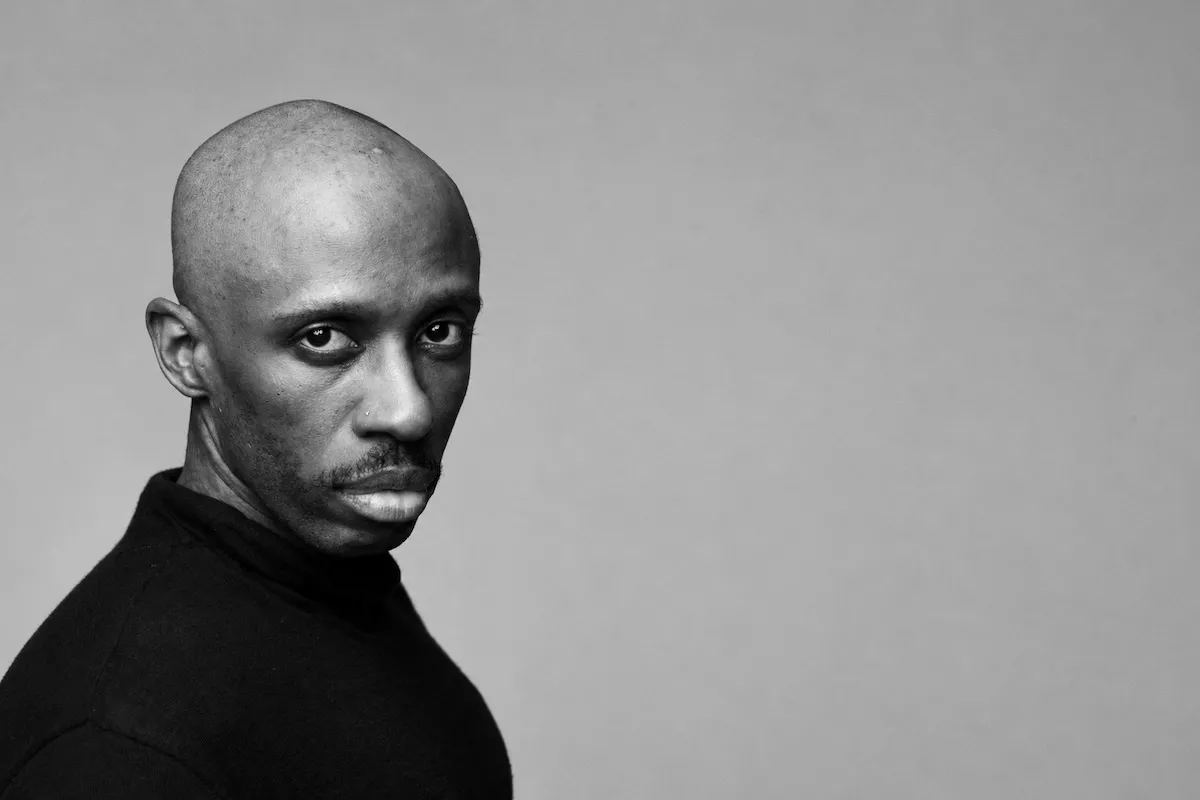
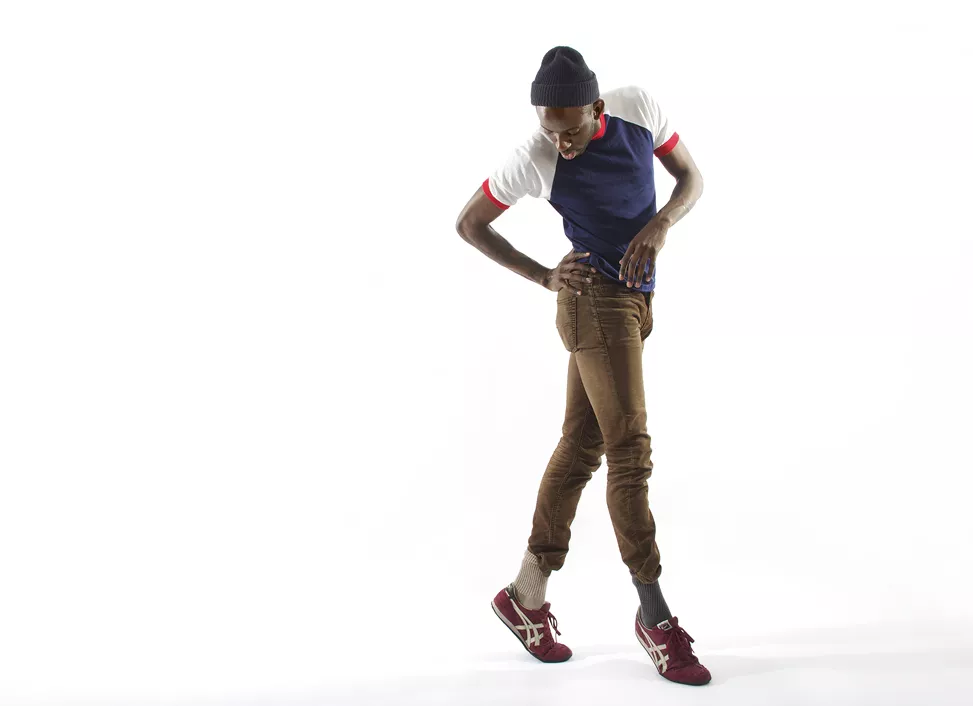
Choreographer, director, writer, performer and artistic director of the feath3r theory, Raja Feather Kelly has built a career that defies easy categorisation. His work has taken him from experimental performance spaces to Broadway and international stages, and this autumn he makes his Metropolitan Opera debut with ‘Lincoln in the Bardo’.
Long before many of those milestones, however, came a vote of confidence: his first Princess Grace Award in 2017. At the time, Kelly was still self-producing and working to take his choreography beyond his own company. The recognition opened new doors, and his relationship with the Princess Grace Foundation-USA has continued to grow in the years since.
Speaking to Monaco Life, Kelly reflects on that turning point, the creative world he has built through the feath3r theory, and why community remains essential to a lasting artistic life.
Take me back to your first recognition from the Foundation. You’ve since received numerous honours, including a Special Project grant, a residency and a fellowship. What did that initial moment feel like?
I guess it felt to me like a vote of confidence. I had started my company in 2009. I wasn’t getting a lot of touring, and I was self-producing. It was a major moment for me when I got that award, because I was then able to work with the Ririe-Woodbury Dance Company in Utah, which meant that my work was really expanding beyond just my own doing.
So many things took off for me after that year. That was 2017. It was before I did any Off-Broadway. It was before I did Broadway. It was before I had really toured my solo work internationally. It was a huge, pivotal moment.
Is there anyone you’ve had the chance to connect with through the Foundation, its events or the wider Princess Grace community over the years?
What has been really nice is that I’ve been invited a few times to speak to awardees who came after me. That has really created community for me.
Being a New Yorker and working in New York is so intense. If you’re not in shows with people, it can be really difficult to see shows, because everyone’s working. Being invited to talk to current or incoming awardees has really helped with that, to be like, “Oh, we’re a community. What are you up to? How can I see what you’re doing?”
Sharing resources has been really special. I’ve worked with a few people since then, and I don’t think we would have known each other if it weren’t for Princess Grace.
Is there any advice you’ve shared with the awardees who came after you?
I’m sort of one of those people who finds advice so scary, because something I’ve realised in my tenure as an artist is that it’s always the same. We’re really committing to a lifelong journey of figuring it out.
Maybe the advice I have given, in ways without saying it, is to lean into the community. This idea of community – of finding each other, witnessing each other and resourcing one another – is really what I think allows us both to be steadfast and to find longevity in our careers.
Talk to me a little about the feath3r theory and how it brings together so many different art forms. Was there something you wanted to create that you weren’t seeing elsewhere?
When I was graduating from college, I realised that I felt very lucky, because I was dancing for multiple companies.
One was a contemporary ballet company, zoe | juniper in Seattle. Then I was dancing for David Dorfman, which felt like being part of a football team. There was a lot of partnering. It was dance theatre, with a lot of text and singing.
Then I was with Christopher Williams, who is this brilliant, mythological, operatic choreographer. I realised that I needed to be in all of these companies in order to feel fulfilled, but it took up so much of my time.
Then I realised, “Oh, I’m supposed to be the company that can do all of those things.” They fuel me. They are part of who I am. I love media. I love visual art. I love musical theatre. I love theatre, and I love the experimental dance world. I’m a formalist, and I’m a dramaturg. These are just things that are naturally part of who I am, but I couldn’t find them all in one place.
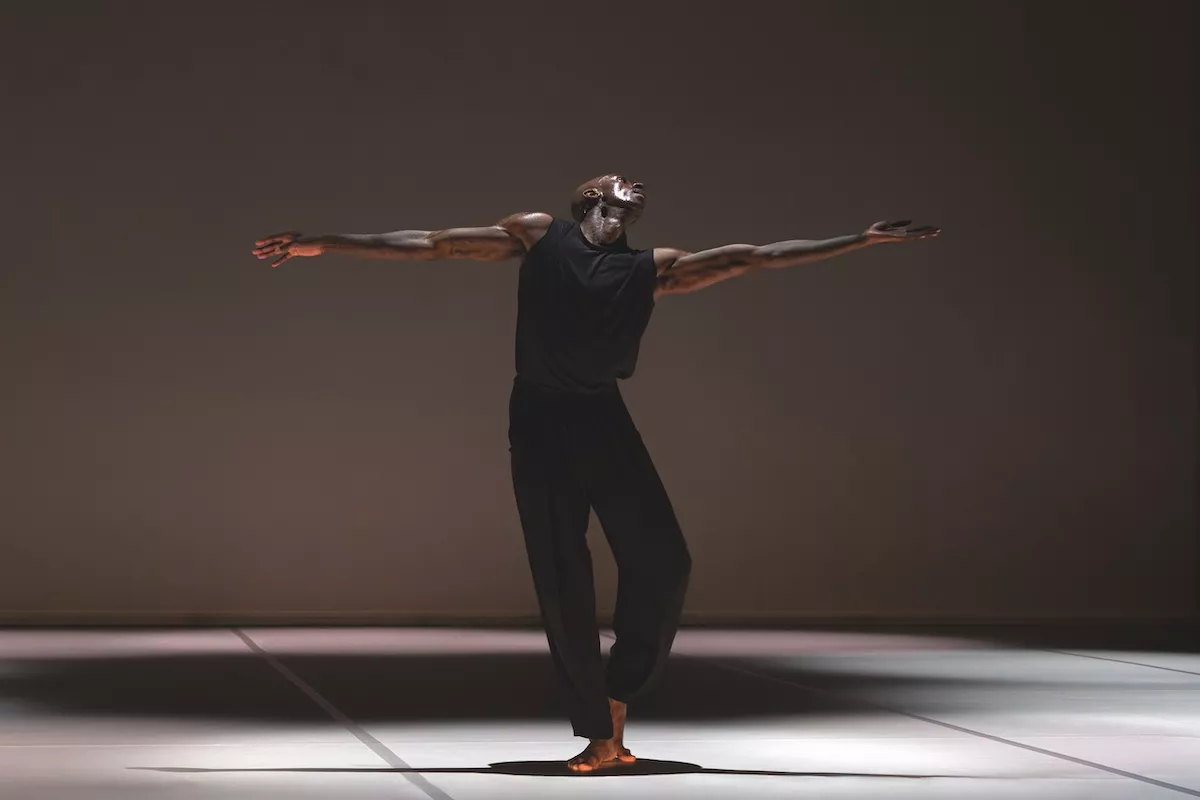
Starting my company, the feath3r theory, was really about creating a place where I could house all the things I enjoyed. Having that has given me a sort of think tank, or playground, for myself.
You’re doing the most. What does a typical day look like for you? Do you try to separate things – “Today I’m going to write” – or do you take projects as they come?
Oh my gosh. I’m going to tell you the truth, and it’s so crazy when I say it out loud. I’m always like, “How is this possible?” But I’m also a single parent to a three-year-old.
She is amazing. The kitchen dance is usually: get up at 4am, exercise, and clear my inbox before she wakes up at around 6.30.
To answer your question more specifically, I think I work in sessions. Right now, I’m working at the Met. I’ll have a premiere at the Metropolitan Opera, my debut there, which is so exciting. I’m there all day, and then at night I’m writing.
Next week, I’m doing a workshop with the playwright Aleshea Harris, where I’ll be her movement director and creative consultant. I’ll probably just be in that workshop, and then in the evenings I’ll do some preparation for work with my company later in the year.
It just depends. I’m usually splitting my days between a personal creative project, which might be writing, choreography or research, and a job, like working at the Met or on a musical.
Your work draws heavily on pop culture. What fascinates you about the relationship between the culture we consume and the people we become?
Oof, what a great question. I think what fascinates me is that I believe those two things are inextricably linked.
When I think about pop culture, I’m like, “Oh, these are the systems, our values and our beliefs that are wrapped up into culture, into how we behave, into what we consume and into what we listen to.” It’s a cycle.
One of the central questions of my work is: do we create culture, or does culture create us?
We’re feeding this thing, and then this thing is growing. Then we’re influenced by this thing, and then we feed this thing, and then it keeps growing. Humans are the original algorithm.
With ‘DOOMERS’, I’m making a show about doomscrolling, in a way, but it’s about so much more than that. Doomscrolling is just the doorway into an entire world of intimacy, politics, loneliness, epidemics, sickness and weather.
It really paints a picture. You know how our presidents give a State of the Union address every year? I don’t need that. I can just go online and look at pop culture, and it will tell me everything I need to know about everyone and where we’re at as a culture, as a society and as humans.
What’s next, project-wise, for Raja Feather Kelly?
‘DOOMERS’ will premiere in January at New York Live Arts, and I’ve also just had a big premiere in Vienna of a solo that was created for me by the legendary Bill T. Jones himself. We’re hopeful that it will have a New York premiere next year.
I’ll make my Met debut with ‘Lincoln in the Bardo’ from 19th October to 14th November, and then I’ll be working on a show called ‘Feast of Rabbits’ at Playwrights Horizons.
I’m also the curator of the Live Artery Festival at New York Live Arts, so that’s really special to me. Then I’ll be working on another opera, at National Sawdust, with Emily Wells.
What would a beautiful day in Monaco look like to you?
I imagine it starting with a really decadent, beautiful breakfast, and then some sort of relaxing artistic experience in the morning.
Then a bunch of leisurely chats with people, whether that’s artists or art lovers. An afternoon of very leisure-ridden conversation that will probably turn into something inspiring, like, “Well, let’s go and see this. Let’s go and see that.”
Then I want to perform. I want to be able to say, “I have spun in Monaco.”
Lastly, Princess Grace championed and supported emerging artists. If you had the opportunity to speak to her now about what the Foundation has meant to your artistic journey, what would you say?
First, I would say that I believe I am upholding the name as best I can, as a Kelly.
I would also say that what’s most impressive about the Foundation, from my standpoint, is that someone like me is acknowledged and recognised.
I’m an experimental artist. I’m not a ballet dancer. I’m not a traditionalist in any way. I have a lot of rigour and a lot of integrity in what I do. For that to be recognised, I think, means people take my work more seriously, and I’m very grateful for that.
I would say thank you, and I would say, “Right on.” That’s the kind of championing that artists need.
Follow Raja Feather Kelly on Instagram @RajaFeatherKelly.
Monaco Life is written by qualified journalists, writing original content. Sign up for our free newsletter, listen to our podcasts on Spotify, and follow us across Facebook, Instagram, LinkedIn, and Tik Tok.
Main photo credit: Quinn Wharton