

Monaco has taken another step towards aligning its corporate tax framework with international standards, tabling legislation that would introduce a domestic minimum tax for the world’s largest multinational companies while ensuring the resulting tax revenue remains within the Principality.
In a statement issued Wednesday, the Government indicated that it has submitted a draft law to the National Council that would implement the OECD’s Pillar Two framework through a Qualified Domestic Minimum Top-up Tax (QDMTT), applying to multinational groups with annual consolidated revenues exceeding €750 million.
The proposed measure would ensure these companies pay an effective minimum tax rate of 15% on their activities in Monaco, in line with rules developed by the Organisation for Economic Co-operation and Development (OECD) under its Base Erosion and Profit Shifting (BEPS) initiative.
Protecting Monaco’s tax sovereignty
The government said the reform is primarily aimed at protecting Monaco’s tax revenues rather than increasing the tax burden on affected businesses.
Under the OECD’s global minimum tax framework, if Monaco does not collect the top-up tax itself, other participating jurisdictions where a multinational group has subsidiaries or a parent company could claim those revenues instead.
By introducing the domestic tax, Monaco ensures that tax generated by economic activity within the Principality remains in Monaco rather than being transferred to foreign tax authorities.
Supporting competitiveness
The government also argues that adopting an OECD-recognised framework will strengthen Monaco’s attractiveness for multinational businesses.
For companies covered by the rules, operating within a jurisdiction that complies with the OECD framework should reduce administrative complexity and avoid additional compliance obligations that could otherwise arise if Monaco did not implement the measure.
Part of wider international commitments
The reform forms part of Monaco’s ongoing efforts to align its legal and fiscal framework with international standards on tax transparency and fair taxation.
According to the government, the legislation demonstrates the Principality’s commitment to maintaining a competitive business environment while meeting the evolving requirements established by the OECD.
Monaco Life is produced by real multi-media journalists writing original content. See more in our free newsletter, follow our Podcasts on Spotify, and check us out on Facebook, Instagram, LinkedIn and Tik Tok.
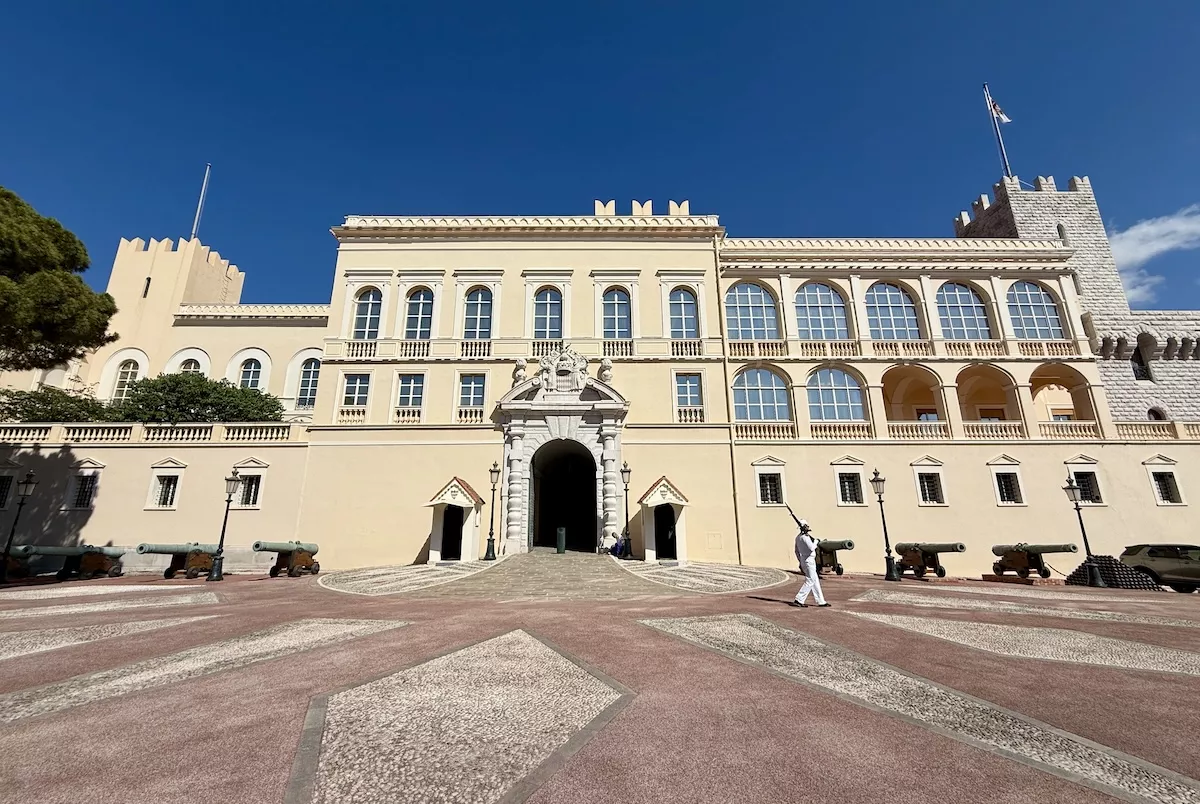
Photo of the Prince’s Palace by Cassandra Tanti