

Monaco has moved to close potential loopholes around emerging “legal highs”, explicitly bringing psychoactive compounds used in some mushroom edibles under its controlled-drug framework while broadening the legal classification of THC derivatives and designer sedatives.
The changes were published in two ministerial orders in the latest edition of the Journal de Monaco. Rather than announcing a new ban on familiar drugs, the government is updating the technical definitions used in existing legislation to account for newer compounds and altered chemical formulations.
Mushroom compounds brought under control
Ibotenic acid and muscimol have been added to Monaco’s official list of psychotropic substances. Both are found in Amanita muscaria, commonly known as fly agaric, the distinctive red mushroom with white spots.
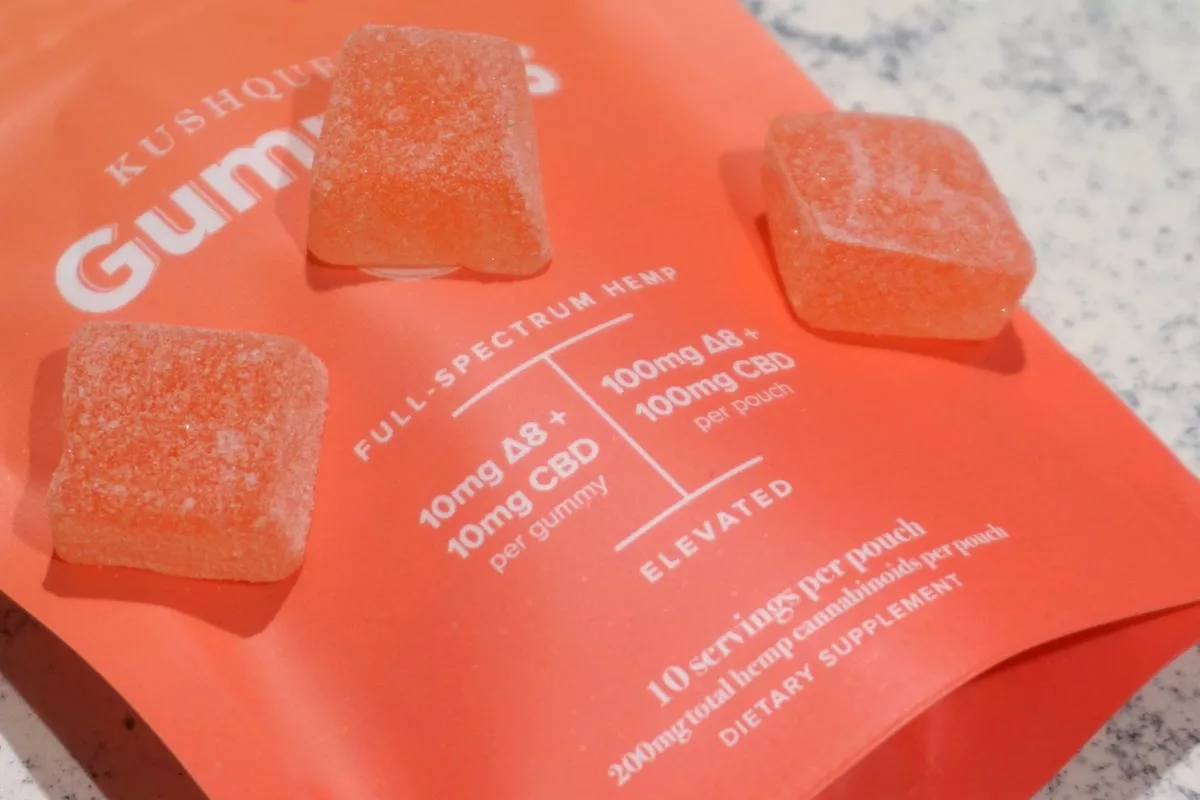
Products containing the compounds have emerged internationally in gummies, chocolates and other items marketed as “mushroom edibles”, “legal psychedelics” or alternatives to conventional hallucinogens.
The US Food and Drug Administration has warned consumers against eating products containing Amanita muscaria, muscimol or ibotenic acid, concluding that they may be harmful. Reported effects include hallucinations, drowsiness and delirium, with seizures and coma possible in serious poisoning cases.
By naming the two compounds in its psychotropic schedule, Monaco has removed any ambiguity over how they are treated under the Principality’s drug-control system.
Broader wording for THC derivatives
A second order expands the narcotics schedule to cover tetrahydrocannabinols and their esters, ethers, salts and related chemical derivatives.
THC is the principal psychoactive component of cannabis. The amendment does not mean cannabis or THC had previously been legal in Monaco. Instead, its effect is to ensure that related formulations cannot fall outside the law simply because their chemical composition differs from substances already listed.
Such distinctions have become increasingly important as manufacturers develop new cannabinoids and altered compounds that may be marketed separately from conventional cannabis products.
Designer benzodiazepines reclassified
Monaco has also updated the status of clonazolam, diclazepam, chlorodiazepam and flubromazolam. The substances have been moved into the section corresponding with Schedule IV of the 1971 Vienna Convention on Psychotropic Substances.
Several are classed internationally as designer benzodiazepines. These laboratory-produced sedatives can appear in counterfeit pharmaceutical tablets or be sold online as substitutes for regulated anti-anxiety and sleeping medications.
Clonazolam, diclazepam and flubromazolam have already been brought under international control through the United Nations system. Monaco’s changes align their domestic classification with that framework.
Existing stimulant exemptions removed
The government has also removed exceptions that previously applied to certain preparations containing amphetamine, benzphetamine, mefenorex, amfepentorex, chlorphentermine and pentorex.
The revised wording brings those substances, and in some cases their salts, more comprehensively within the narcotics schedule. A technical amendment also adds an alternative chemical name for parafluorobutyrylfentanyl, a fentanyl-related substance already controlled in Monaco.
The two orders were signed by Minister of State Christophe Mirmand following a Council of Government meeting on 29th July and published on 7th August. Together, they modernise Monaco’s drug classifications in response to a market in which new formulations can develop faster than the legislation used to regulate them.
Monaco Life is produced by qualified, multi-media journalists writing original content. See more in our free newsletter, follow our Podcasts on Spotify, and check us out on Facebook, Instagram, LinkedIn and Tik Tok.
Photo credit: Elsa Olofsson, Unsplash