

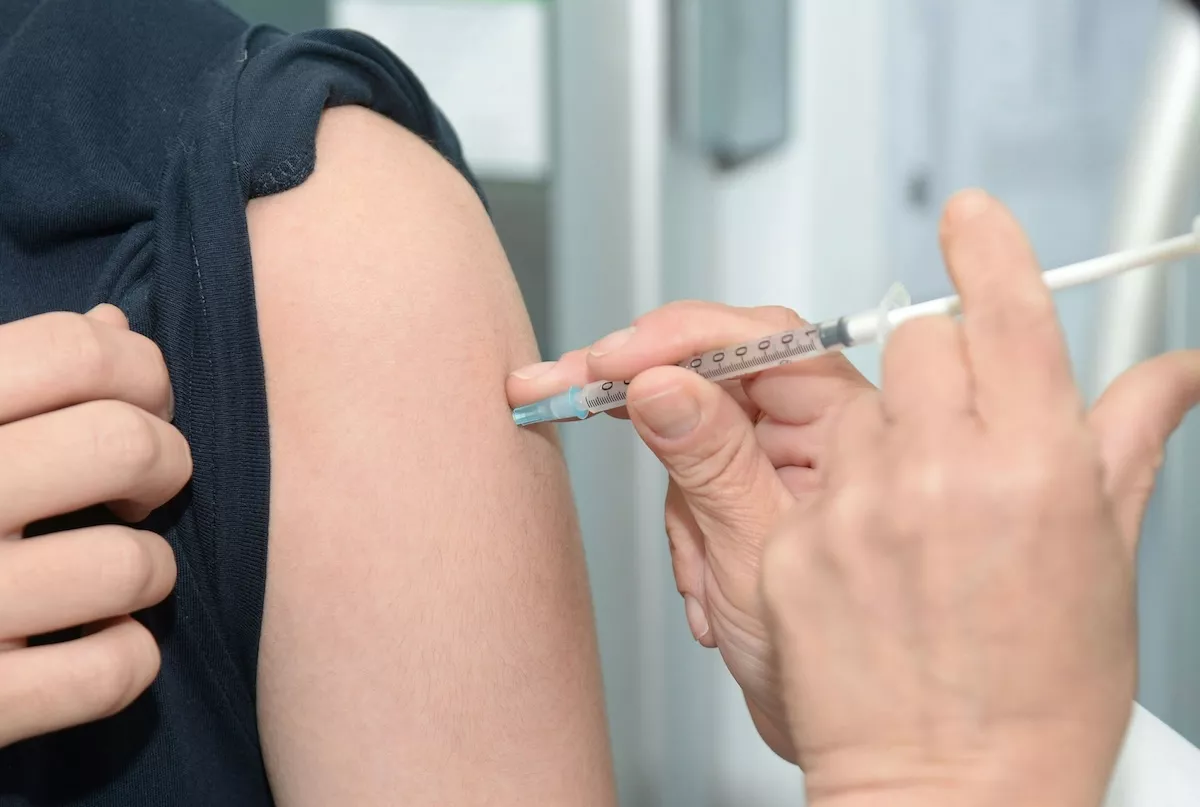
Monaco’s National Council voted on 9th December to expand the list of mandatory childhood vaccinations, updating legislation that had remained unchanged since 1992.
The new law, Bill No. 1101, makes several previously recommended vaccines obligatory for children in the Principality, whilst the HPV vaccine will remain voluntary following discussions between government and elected representatives. Christophe Robino, Government Counsellor-Minister of Social Affairs and Health, presented the bill to the National Council, saying that vaccination represents one of the most effective means of protecting children’s health.
First major update in over three decades
The existing law concerning mandatory vaccination, Law No. 822 of 29 May 1970, had not been modified since 1992, creating what Robino described as a clear need for updated legislation. According to the government, vaccination has prevented thousands of deaths, reduced severe disease complications and protected Monaco’s healthcare system from unsustainable pressures.
Robino told the National Council that the list of mandatory vaccinations must be both complete and measured. “Complete, because we owe it to our children to offer the best protection. Measured, because it would be unacceptable to make obligatory a vaccination that has not proven itself,” he said.
HPV vaccine remains voluntary despite proven efficacy
The HPV vaccine generated significant discussion between government and the National Council. According to Robino, the vaccine has been used since 2006 with proven efficacy and demonstrated safety, reducing the risk of precancerous lesions or cervical cancer in women by nearly 90 per cent, whilst also preventing ano-genital warts in both men and women.
In men, HPV represents one of the main causes of oropharyngeal, laryngeal and oral cavity cancers. In France, HPV is responsible for more than 7,000 new cancer cases annually, with 30 per cent affecting men. Countries with widespread HPV vaccination have seen reductions in all cancers linked to the viral infection, with collective immunity emerging once more than 50 per cent of the population is vaccinated.
The government made the HPV vaccine free in 2024 and launched voluntary vaccination campaigns in Monaco’s schools. Robino confirmed the government intends to continue this incentive-based policy whilst remaining attentive to any evolution in European legislation on the matter.
Suspension mechanism includes 18-month limit
The bill includes a provision allowing mandatory vaccinations to be suspended by sovereign ordinance. The National Council amended this clause to specify that such suspensions would be valid for only 18 months, requiring parliamentary legislation for any extension. Robino described this amendment as entirely justified, noting that if such a situation arose, the government would need to submit a new bill rapidly and the National Council would need to adopt it within the same timeframe to avoid automatically reinstating a vaccination that had been suspended.
The government thanked elected representatives for their initiative in placing the bill on the agenda for the public session, acknowledging that voting on legislation imposing vaccinations is never straightforward, even when they are unanimously recognised as indispensable.
Stay updated with Monaco Life: sign up for our free newsletter, catch our podcast on Spotify, and follow us across Facebook, Instagram, LinkedIn, and Tik Tok.
Photo credit: Hyttalo Souza, Unsplash