

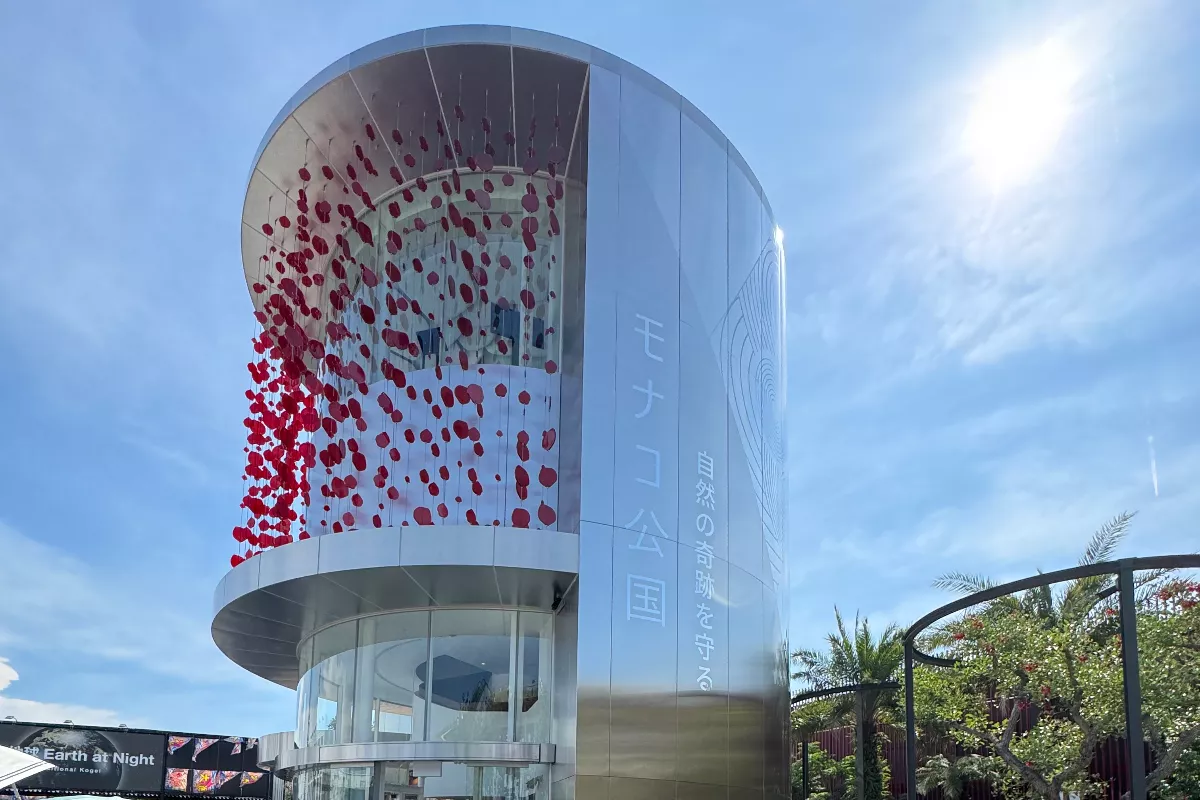
Monaco’s pavilion at the Osaka Kansai Expo 2025 attracted nearly 1.5 million visitors over six months, a remarkable 5.25% of the exhibition’s total 28 million attendees, far exceeding what might have been expected from one of the world’s smallest nations.
At a press conference on December 10th, officials reflected on what they described as a successful diplomatic and economic mission for the Principality in Japan.
“The pavilion was a tool, and the first to use it was Pierre-André Chiappori, our Minister of Finance,” said Didier Gamerdinger, Monaco’s Ambassador to Japan. “He invited guests from the media world, tourism, economic operators from the Kansai region, and influencers. There was tremendous activity on social media.”
A haven of peace
The six month exhibition, themed ‘Take Care of Wonder’, showcased Monaco’s commitment to the environment through an immersive garden experience blending Mediterranean and Japanese design elements.
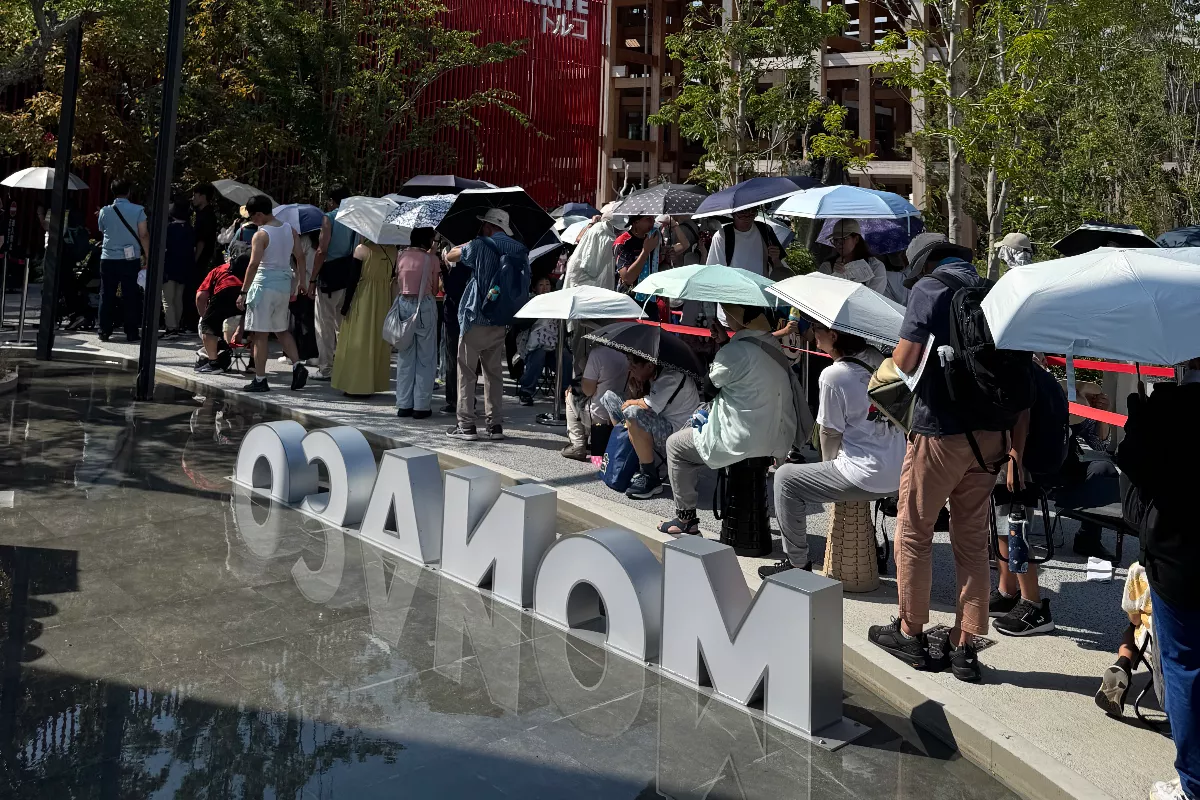
Commissaire Général Mireille Martini told Monaco Life that visitor feedback revealed something unexpected about what drew people in. “The words that came back often were that it was very elegant compared to other constructions,” she said. “They were happy to sit in the garden and be calm. At expos, there’s a lot of noise, a lot of people. With us, they found themselves in a haven of peace.”
“They told us: ‘We didn’t know Monaco had so much to tell’. That’s the best reward,” she added.
Building ties beyond the pavilion
Beyond visitor numbers, officials also highlighted the diplomatic groundwork laid during the event. Foreign Minister Isabelle Berro-Amadei used her visit, for example, to meet with counterparts from Saudi Arabia (also host of the 2030 World Expo) and Japan’s international cooperation agency.
“They addressed the situation in Korea, Japan’s concerns related to its powerful neighbours, Russia and China, then international cooperation relations with Japan,” Gamerdinger explained.
Meanwhile, Mayor Georges Marsan’s meetings with the mayor of Gamagori yielded concrete results. “We have a project for closer ties between the Japanese federation of all port facilities and Monaco,” Gamerdinger said, noting that this led to a tangible invitation: “Mr. Gamagori will come to Monaco to attend the car rally in January.”
The Toyota Motor Corporation’s senior leadership has also been invited to visit Monaco, along with Osaka’s mayor.
Monaco’s National Day celebration
One of the most important moments of Monaco’s Pavilion was its National Day. Each participating country at the Expo was allocated its own national day, and Monaco’s fell on June 28th. On that day, Prince Albert II led a delegation that included Princess Stéphanie, with Japan’s Princess Hisako of Takamado in attendance.
The day featured performances by the Monte-Carlo Ballet and a concert by the Prince’s Carabiniers Orchestra, which drew 1,900 spectators.
“It was very well organised and considered extremely interesting from a tourist perspective by the members of the Council,” Gamerdinger said of the delegation’s feedback.
What’s next
The pavilion’s closure marks the start of preparations for Monaco’s next exhibitions: the specialised expo in Belgrade in May 2027, where Monaco will have a 120 square metre pavilion, and the 2030 World Expo in Riyadh.
Regarding the Osaka pavilion itself, it was dismantled with sustainability in mind: 85% of components recycled, 5% reused, and only 10% sent to landfill. Meanwhile, the emblematic olive tree from the pavilion’s garden, gifted to Osaka by Prince Albert II, was replanted on November 6th at the site of the 1990 International Garden and Greenery Exposition.
Stay updated with Monaco Life: sign up for our free newsletter, catch our podcast on Spotify, and follow us across Facebook, Instagram, LinkedIn, and Tik Tok.
Main photo credit: Monaco Life.