

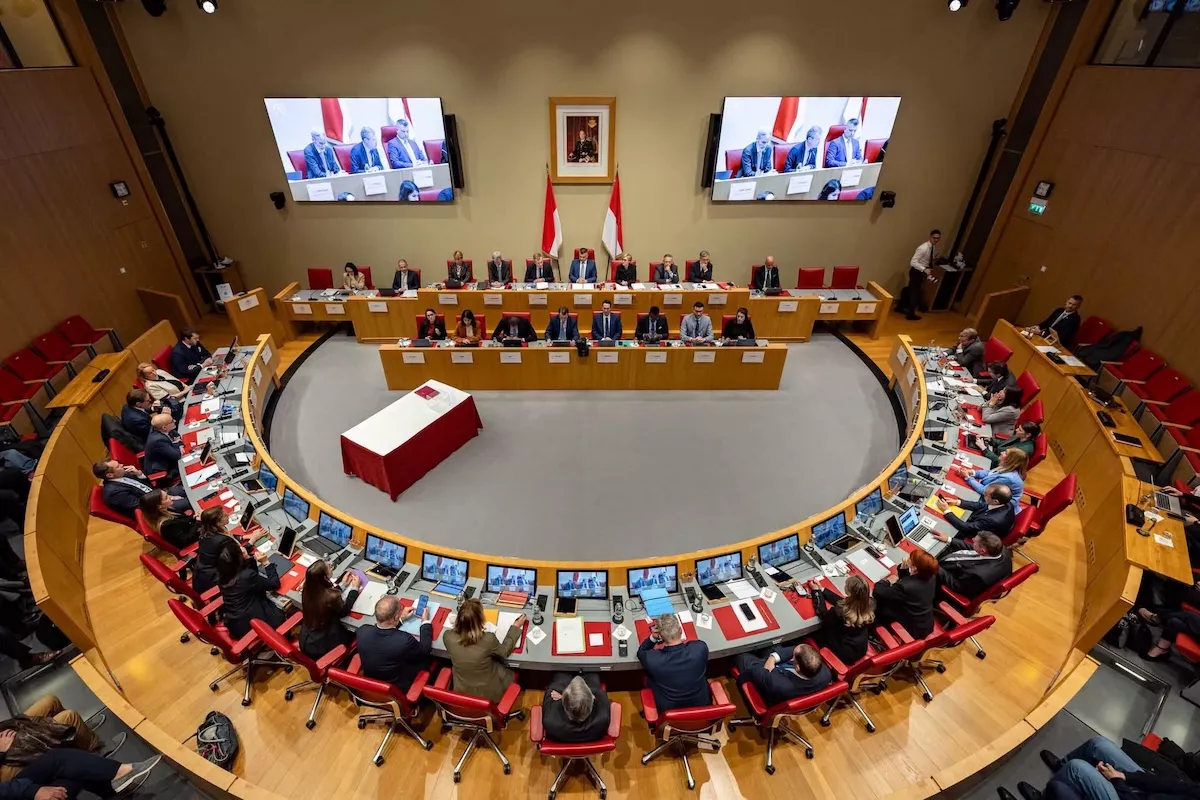
Banks that leave account applications unanswered for 30 working days would trigger a new route to government intervention under a reform unanimously approved by Monaco’s National Council on Monday 5th October.
The measure closes a frustrating gap in the Principality’s existing right to a bank account, which applicants have struggled to enforce when a bank neither accepts nor formally refuses their request. Under the approved text, they would no longer need a written refusal to approach the Direction du Budget et du Trésor and ask it to designate a bank to open their account.
The government welcomed the vote in a statement on Wednesday 7th October but did not announce an implementation date. Bill No. 1124 still requires the Prince’s sanction and promulgation, followed by publication in the Journal de Monaco, before the new provisions can take effect.
When silence becomes a barrier
Monaco introduced a legal right to a bank account in 2020, but the National Council says individuals and businesses have continued to run into difficulties obtaining one.
The reform sets a 30-day deadline for a bank to examine an application to open an account and, where necessary, request any additional documents. If the bank fails to respond within that time, the applicant can pursue the designation procedure rather than wait indefinitely for a formal rejection.
During its examination of the bill, the Finance and National Economy Commission, chaired by Franck Julien, reduced the government’s proposed deadline from 45 to 30 working days. It also cut the time allowed for designating a bank from 15 to 10 working days.
Acting before an account closes
The text would also help individuals and businesses facing the termination of an existing account, allowing them to begin the right-to-an-account procedure before the closure takes effect, rather than waiting until they have lost access to banking services altogether.
People who hold only a joint account, with no individual account in their own name, would also become eligible to use the procedure.
The National Council described access to an account as essential for working, running a business and managing everyday life. For businesses needing to pay employees and suppliers, or residents covering rent and day-to-day expenses, the changes aim to limit the disruption that banking difficulties can cause.
A faster route to challenge a refusal
A specific, accelerated appeal before the President of the Court of First Instance would be introduced for cases where a bank designated by the Direction du Budget et du Trésor refuses to open an account or decides to close it.
The reform stems from a bill proposal adopted by elected members on 17th October 2024 and is intended to make the existing right work in practice.
“This is precisely the political purpose of this text: ensuring that a proclaimed right becomes a real right,” National Council President Thomas Brezzo said in the Council’s statement.
Access without removing safeguards
Banks would retain their obligations concerning money laundering, terrorist financing, proliferation financing and corruption. The reform strengthens applicants’ ability to obtain an account without removing the checks required of financial institutions.
Rapporteur Karen Aliprendi said the commission had sought a balance between “the necessary vigilance of banking institutions and effective access to banking services for the people and businesses contributing to our country’s economic development”.
The government said the changes would make procedures clearer and timeframes more predictable, while maintaining the requirements that apply to financial crime. Frédéric Cottalorda, Minister of Finance and Economy, praised the collaboration between government departments, the National Council’s committees and the professionals concerned, singling out the contributions of the Monegasque Financial Security Authority and the Monaco Association for Financial Activities, among others.
Monaco Life is written by qualified journalists, writing original content. Sign up for our free newsletter, listen to our podcasts on Spotify, and follow us across Facebook, Instagram, LinkedIn, and Tik Tok.
Photo source: Government Communications Department