

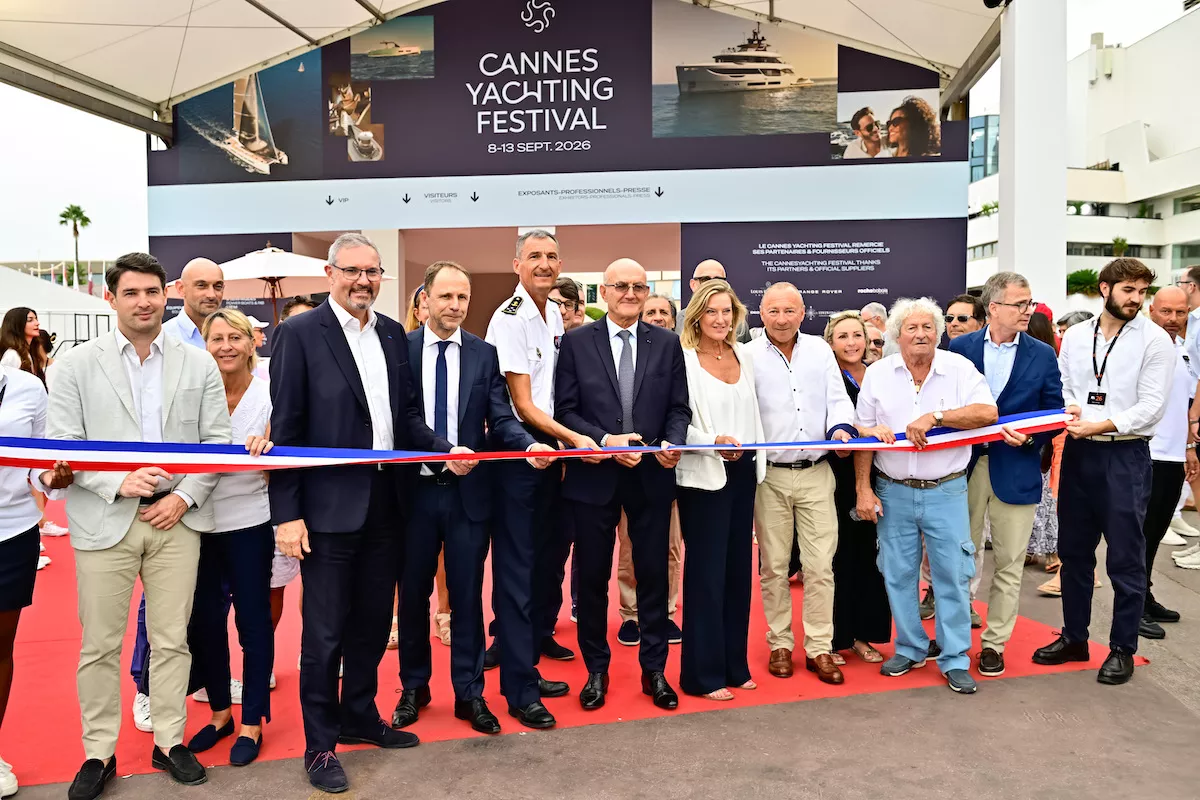
The 49th Cannes Yachting Festival concluded its six-day run on 13th September, welcoming 56,000 international visitors and cementing its position as Europe’s largest in-water boat show.
Under the stewardship of new festival director Constance Brément, this year’s edition brought together 660 exhibitors and 700 vessels ranging from 5 to 55 metres across the Vieux Port and Port Canto, featuring nearly 150 world premieres.
“This first edition as director will remain a particularly strong moment. Bringing together a rich offering across our two iconic ports, engaged exhibitors, and dedicated partners, the salon has successfully fulfilled its promise to launch the international nautical season, highlight major industry shifts, and foster meaningful connections between professionals, enthusiasts, and visitors,” said Brément.
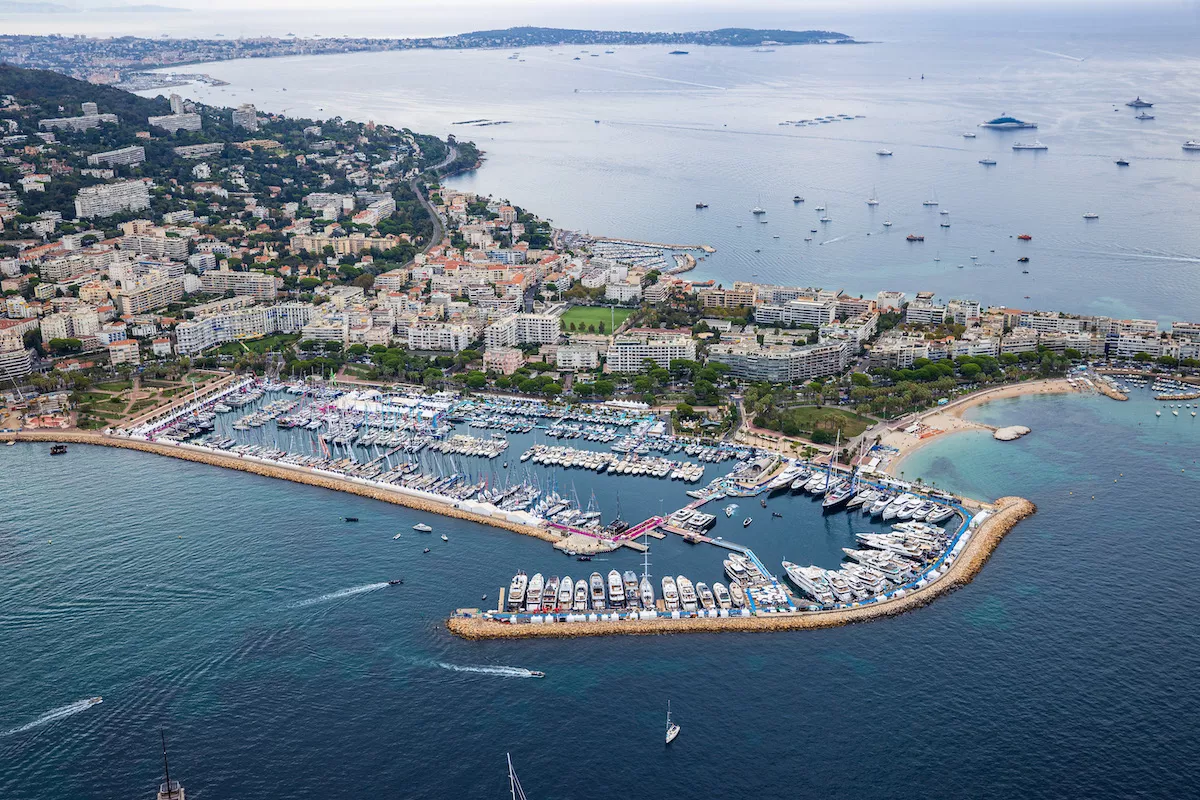
Divided waters, unified scale
Spanning 100,000 square metres of exhibition space, the dual-site layout divided the event between the Vieux Port and Port Canto. The Vieux Port served as the showcase for motor yachts measuring 12 to 50 metres, alongside thirty multi-hulled motor designs featured in the Power Cat Village.
Across the bay, Port Canto brought together the sailing and compact craft sectors. The dedicated sailing area presented 120 new sailboats and multihulls exceeding 10 metres, complemented by a marina for 180 motorboats up to 13 metres, a brokerage section featuring 45 pre-owned yachts over 25 metres, and an expanded water sports arena.
In total, the exhibition gathered 95 catamarans—including 51 sailing and 44 motor models—reflecting the broad spectrum of vessels on display.
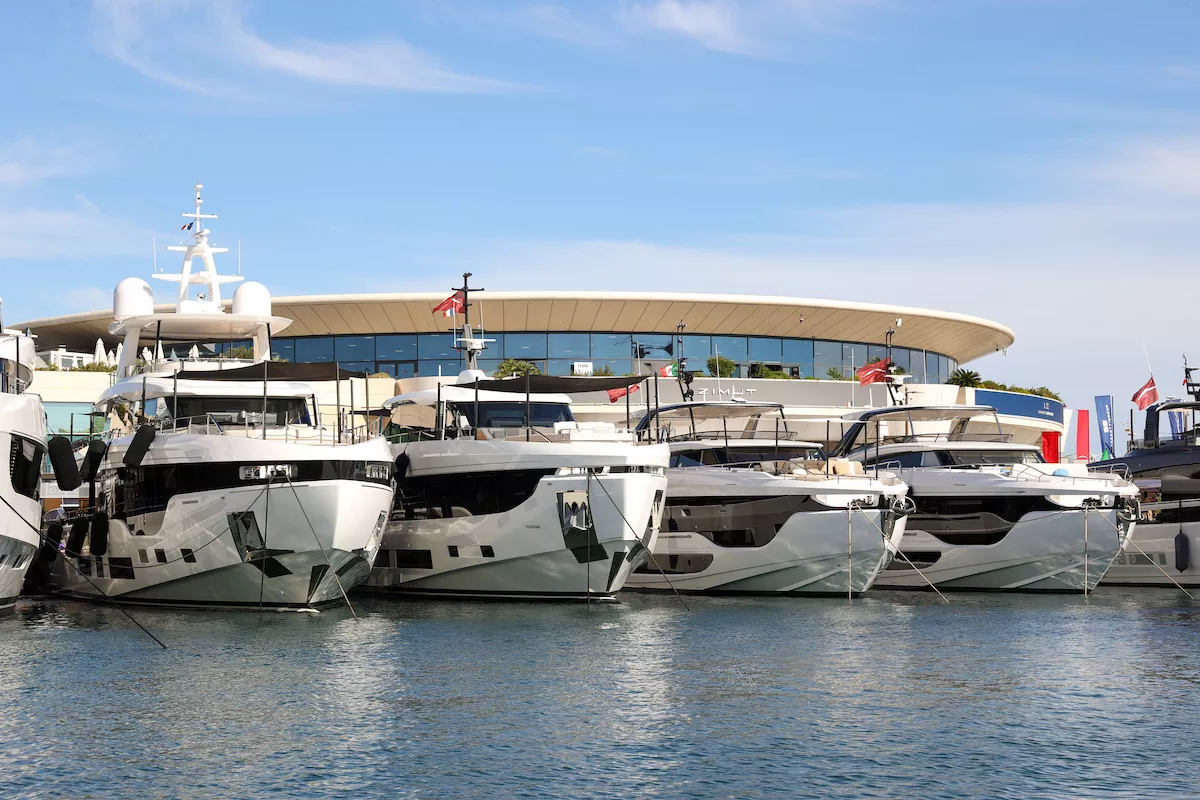
The green transition and slow yachting
The 2026 edition functioned as a barometer for a marine industry undergoing profound structural change. Rather than pinning its hopes on a single silver bullet, the sector’s environmental transition emerged as a mosaic of complementary technologies: hybrid drive systems, solar integration, recyclable battery banks, hydrogeneration, and low-impact hull coatings.
Simultaneously, a cultural shift towards ‘slow yachting’ captured the imagination of designers and buyers alike. Prioritising acoustic comfort, autonomy, and deliberate itinerary planning over high-speed transit, modern vessels were increasingly conceptualised as floating sanctuaries rather than mere vectors of velocity.
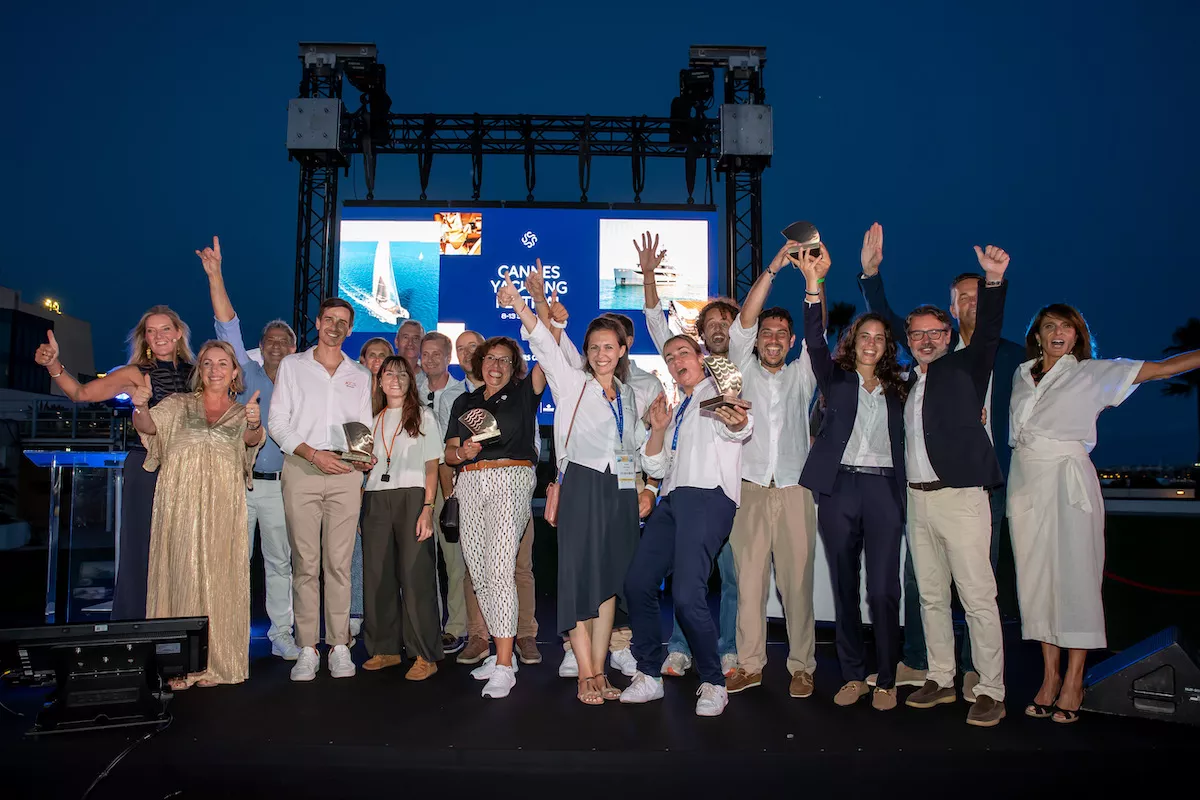
Recognising industry excellence
This spirit of innovation found formal recognition through the Innovation Route Awards. Selected from 120 entries by a panel of marine professionals and specialist journalists, five standout projects were celebrated during the opening days. BlueNav claimed the navigation equipment prize for its Smart Mooring system—a high-tech automation and positioning assistance technology designed to make docking and harbour maneuvers much easier and safer, while Suzuki Marine secured the sustainable product award with its Edge ECoat. Excess Catamarans triumphed in the innovative boat category with the Excess 11, D-Marin earned recognition for its Biohut biodiversity initiative, and Azimut Yachts walked away with the special jury prize for the imposing Grande 44M—a high-profile, four-deck vessel that represents a major step forward in large-yacht design and engineering.
Adding further weight to the capital’s international calendar, the festival also hosted the revelation of the 31 finalists for the Best of Boats Award 2026, reinforcing Cannes as the essential launchpad for European marine manufacturing.
As exhibitors dismantle their stands and industry analysts evaluate the commercial impact of nearly 150 world premieres, planning is already underway for the milestone 50th edition.
Scheduled for 7th to 12th September 2027, the anniversary event will mark half a century of maritime heritage while looking ahead to the future of the sector.
Stay updated with Monaco Life: sign up for our free newsletter, listen to our podcasts on Spotify, and follow us across Facebook, Instagram, LinkedIn, and Tik Tok.
Photo Credit: Cannes Yachting Festival 2026