

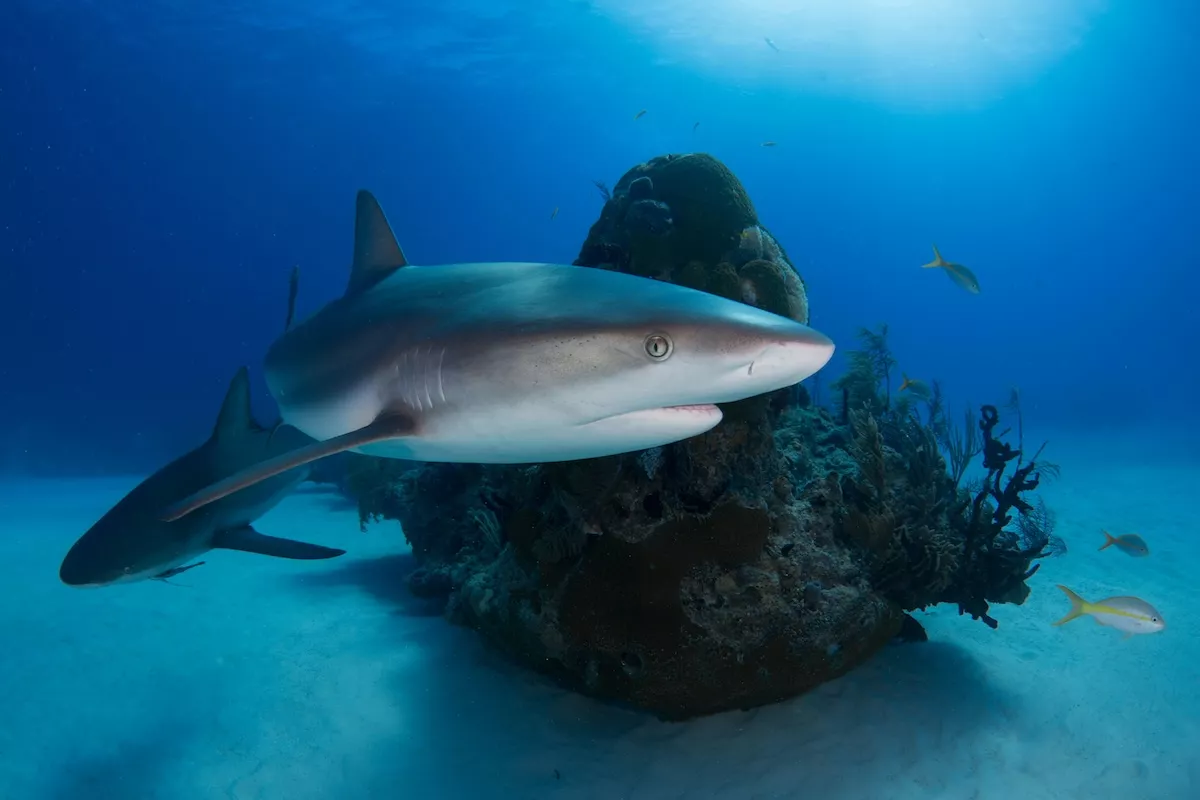
More than a third of the world’s shark species are now threatened with extinction, the Fondation de la Mer has warned to mark World Shark Day on 14th July, as overfishing, the fin trade and climate change drive one of the ocean’s most important predators into steep decline. With more than 500 species spread across marine, estuarine and freshwater ecosystems, sharks play a major ecological role, the French marine foundation says, yet their populations are falling at an alarming rate.
As predators at the top of the food chain, sharks help shape the structure, functioning and resilience of marine ecosystems. They keep other species’ populations in check, pick off the sick and injured much as large land predators do, and carry nutrients between habitats as they travel and through their waste, which can boost the productivity of the waters around them. Yet the foundation notes that films and advertising continue to spread misconceptions about the animals.
A population in freefall
The figures are stark. According to the IUCN Red List, more than a third of shark species are threatened with extinction, and the global abundance of sharks and rays fell by around 71% between 1970 and 2018. The European Union is among the main exporters of fins to Asia, supplying close to 45% of the products found on consumer markets in Hong Kong, Singapore and Taiwan in 2022, according to a report by the International Fund for Animal Welfare. The scale of illegal, unreported and unregulated fishing is laid bare by another finding: 81% of shark fin exporters declared no exports at all between 2015 and 2021.
Climate change compounds the pressure. Rising temperatures can harm sharks’ ability to reproduce, while ocean acidification can dull some species’ ability to detect prey, pushing them into new areas where they are more exposed to human activity.
Projects from the Gulf of Guinea to Polynesia
To help turn the tide, the foundation backs field projects around the world. Since 2023 it has supported the association Over The Swell in the Gulf of Guinea, through Mission William, which studies and protects whale sharks and other threatened migratory megafauna between the Gulf of Guinea and Saint Helena. Using tracking tags to map the animals’ routes, the project is testing whether a whale shark migratory corridor links the two areas, a finding that would strengthen the case for protecting a region already among the world’s worst affected by illegal industrial fishing. In French Polynesia, the foundation supports work on the great hammerhead shark of the Tuamotu, gathering data to identify the species’ key habitats and guide its conservation.
‘Sentinels of the ocean’
“Each year, nearly 100 million sharks are killed worldwide, mainly to feed the fin trade. This staggering figure is a reminder of the urgency to act,” said Alexandre Iaschine, director-general of the Fondation de la Mer. “Contrary to popular belief, sharks are not threats to be eliminated but indispensable sentinels of the ocean’s health. Protecting them means preserving the balance of marine ecosystems. That is the whole meaning of the Fondation de la Mer’s commitment: to support those who act on the ground and to accompany them in preserving these species, as fascinating as they are essential.”
Stay updated with Monaco Life: sign up for our free newsletter, listen to our podcasts on Spotify, and follow us across Facebook, Instagram, LinkedIn, and Tik Tok.
Photo credit: Alex Rose, Unsplash