

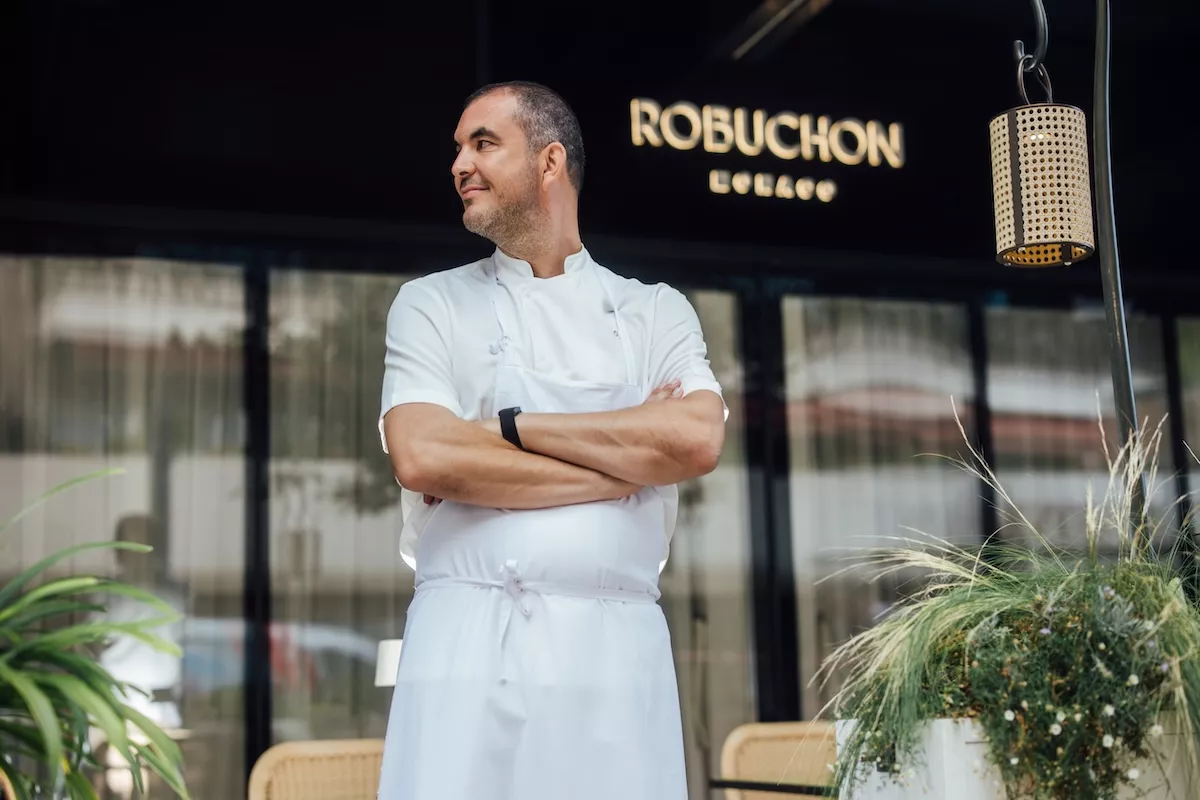
By the time Michelin-starred chef Osman Sezener’s final dish landed on the table at Robuchon Monaco on Wednesday night, Turkey felt considerably closer to the Principality than it had eight courses earlier. This was bold, exciting cooking — a succession of extraordinary flavours drawn from centuries of Turkish food culture and reworked by a chef who clearly believes the rest of the world has only scratched the surface of his country’s cuisine.
And judging by the guests’ reaction, he may be right. Sezener had travelled from Turkey with his own team and some 50 to 60 kilos of ingredients for a two-night takeover of the Robuchon Monaco kitchen on 18th and 19th August. The fresh seafood, meat and produce were sourced locally; what came in the luggage were the things that could not be replicated here — the intensely regional ingredients that give his cooking its Turkish identity.
Robuchon, meanwhile, took care of the French wine pairings.
It was an unusual proposition, and an ambitious one: rather than slotting a visiting chef into the existing restaurant, Robuchon effectively gave Sezener the keys to the kitchen and let him show Monaco exactly what he does.
The journey begins before dinner
There was something particularly thoughtful about the way the story was told. At each place setting sat a beautifully designed booklet, From the Aegean to the Principality of Monaco. Open it and a hand-drawn map plotted the ingredients across Turkey: grey mullet bottarga from Karaburun; figs from Aydın; mastic from the Aegean; tahini from Uşak; Bodrum mandarin; mesir paste from Manisa; and red pepper grown and cultivated by OD Urla.
Another page went deeper, explaining the ingredients themselves and the traditions behind them. The menu wasn’t decoration. It was a road map for dinner.
“My philosophy remains rooted in one belief: the deeper we connect with our own geography, the more global we become,” Sezener wrote in his introduction.
Turkey, one plate at a time
Osman Sezener was born and raised in İzmir and his flagship restaurant, OD Urla, sits among olive trees on Turkey’s Aegean coast. It holds both a Michelin star and a Michelin Green Star, while his Kitchen by Osman Sezener in Bodrum also holds a Michelin star.
His philosophy is farm-to-table, local ingredients and wood-fire cooking. But in Monaco, what became most apparent was his fascination with the sheer breadth of the Turkish pantry.
“Turkish cuisine is incredibly broad. We cook from nose to tail and use every part of the animal, and we have cooked with olive oil for centuries,” he told me before dinner. “Turkey is also a very large country. From west to east and north to south, every region has its own ingredients and way of cooking. That creates enormous diversity.”
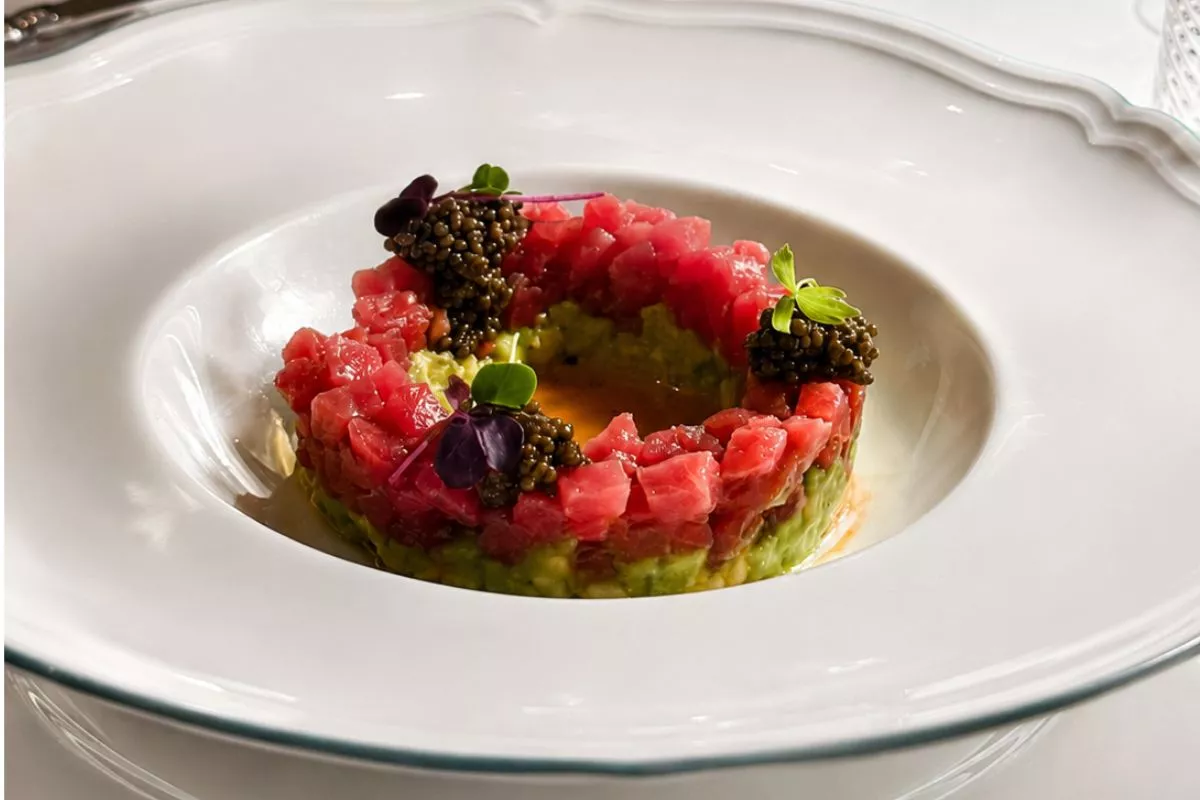
The dinner proved his point. Three welcome canapés set the scene, but it was the first course that made me sit up and take notice.
The tuna with Uşak tahini and caviar was extraordinary. There was Michelin-star finesse in the execution, but the flavours belonged unmistakably somewhere else — combinations I had never experienced before, bold and deeply savoury yet beautifully controlled. It was the sort of first course that immediately makes you excited about what the chef is going to do next.
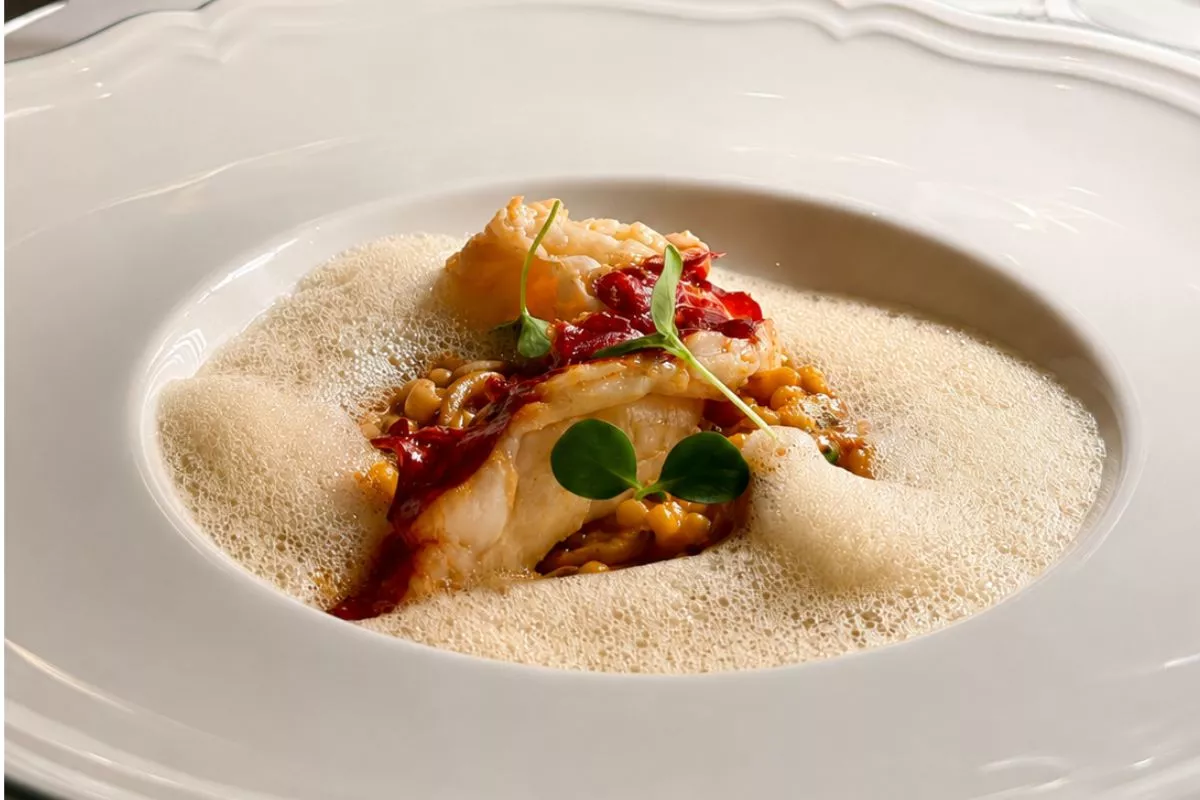
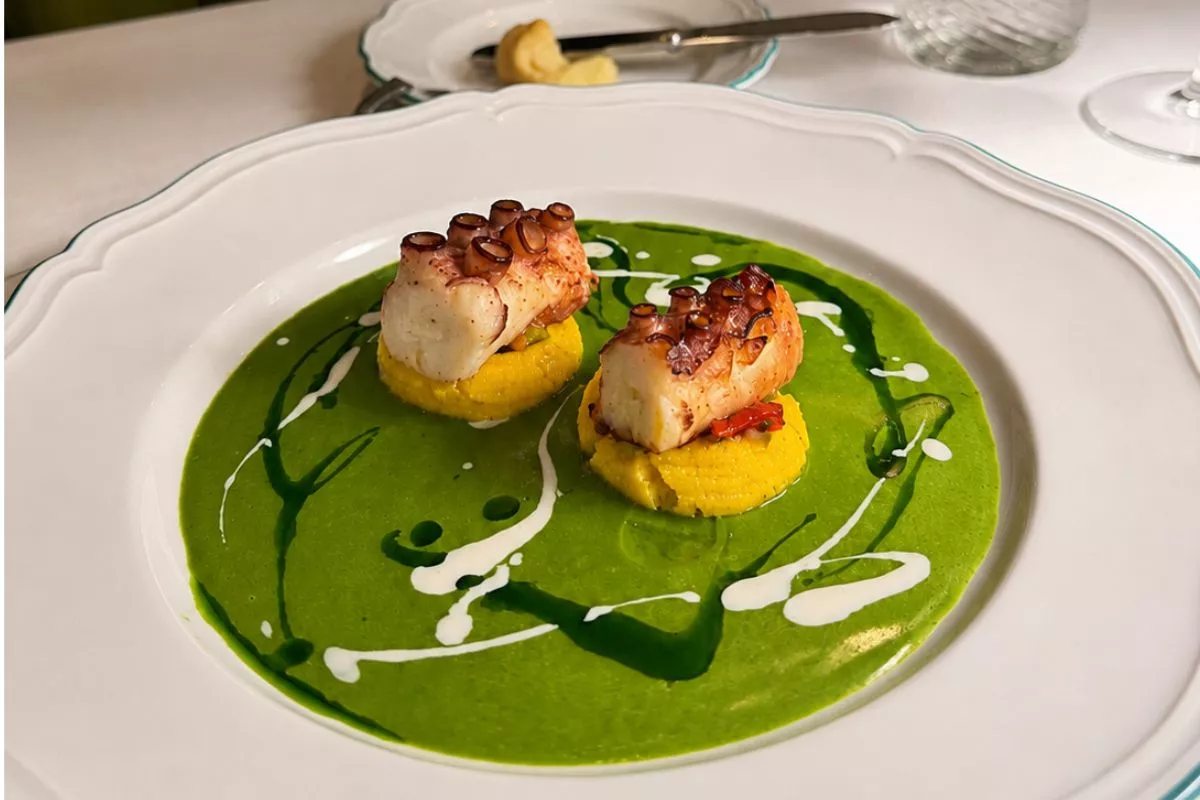
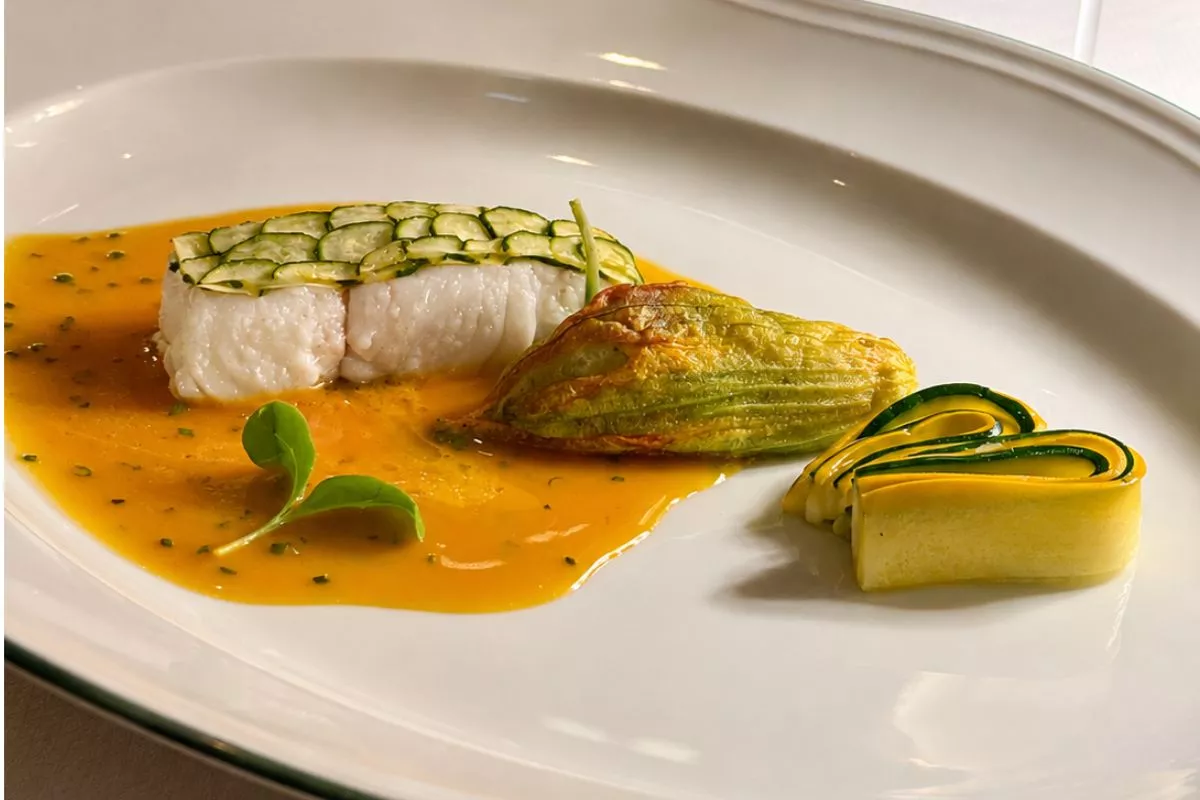
And Sezener kept pushing. Octopus came with Aegean mastic and olive; Turkish kuskus risotto with lobster, squid and summer tomatoes; and the catch of the day with zucchini blossom and fragrant Bodrum mandarin sauce. A sharp sumac and roasted red pepper sorbet cleared the way for Wagyu with eggplant beğendi and centuries-old mesir paste from Manisa.
Dessert brought yoghurt, raspberry sorbet and Turkish olive oil.
But listing the dishes doesn’t really explain the experience. What Sezener delivered was an extraordinary intensity of flavour from beginning to end. There was smoke and salt, acidity and sweetness, deep spice and bursts of citrus; flavours that were unfamiliar one moment and strangely comforting the next.
And importantly, the Turkish ingredients weren’t being used as exotic punctuation around otherwise conventional fine dining. They were the entire point of the meal.
Ancient flavours, modern kitchen
Some came with histories considerably longer than the restaurant serving them. Tarhana, for example, has been made in Turkish villages for generations, prepared during summer and preserved for later use. Sezener describes it as one of the earliest forms of instant soup.
Then there is mesir macunu. “Is is an Ottoman paste that we use in the beef sauce, made with honey and spices that was traditionally consumed by sultans,” he explained. “It was believed to give them strength, energy and virility.”
Yet there was nothing remotely historical or heavy-handed about the food arriving at the table. Sezener isn’t trying to reinvent Turkish cuisine; he is drawing on a culinary culture shaped by geography, history and generations of cooking.
“Turkey is also a bridge between the Middle East and Europe, and our food reflects the intersection of those cultures,” he told me. “In almost every Turkish home, mothers cook, so people grow up with a strong palate and a clear sense of taste.”
When I asked whether the rest of the world really understood the diversity of Turkish cuisine, his answer was unequivocal.
“No, people do not really know Turkish cuisine. Tonight, I am going to show you what it is.”
He certainly did.
OD Urla lands in Monaco
Perhaps the most impressive part of the evening was that this felt less like a guest appearance and more like OD Urla had been temporarily transported to Monaco. Sezener’s team moved through the Robuchon kitchen with confidence, delivering an intricate menu in unfamiliar surroundings while retaining a very clear identity from beginning to end.
For them, taking over a Robuchon kitchen carried its own significance.
“Robuchon is an important name for us. When we were at culinary school, we learned a great deal about Joël Robuchon, so it is an honour for us to cook here,” said Sezener. “It is also important for my team to visit another country together, to see a different kitchen and find new inspiration.”
There was something fitting about that exchange: chefs who had studied Joël Robuchon’s work coming years later to Monaco to cook their own food, in their own way, beneath his name.
Robuchon’s French wine pairings completed the conversation, but the night belonged unmistakably to Sezener and Turkey.
By the end, eight courses had achieved something far more interesting than simply producing an excellent dinner. They had opened a window onto a cuisine that is ancient, extraordinarily regional and far more sophisticated than its international shorthand suggests.
And they left our table with a problem.
Osman Sezener had given Monaco two nights of OD Urla. Having tasted it, two nights suddenly seemed nowhere near enough.
See more of my experience in the video reel below…
View this post on Instagram
Monaco Life is produced by qualified, multi-media journalists writing original content. See more in our free newsletter, listen to our Podcasts on Spotify, and check us out on Facebook, Instagram, LinkedIn and Tik Tok.
Main photo: Osman Sezener, credit: @Puciweb