

Peru is rapidly cementing its status as one of the world’s most captivating destinations for high-end international film and television productions. From the peaks of the Andes and the depths of the Amazon to its striking colonial cities and dramatic coastal deserts, the country offers an extraordinary canvas for premium global storytellers.
Following a stellar year that saw the country support over 80 audiovisual productions in 2025—including high-profile projects for Warner Bros, Amazon Prime, and the Discovery Channel—Monaco Life sat down with Carlos Manuel Arca Hoyle, Economic and Commercial Counsellor of Peru in France and spokesperson for Film In Peru, at the recent Marche du Film in Cannes, to discuss his strategic vision, the regional impact of major blockbusters, and the upcoming rollout of new financial legislation designed to attract global studios.
Streamlining the production pipeline
Over the last seven years, the Peruvian government has run a dedicated initiative to position its diverse geography within the international entertainment industry. The core state programme, Film in Peru, operates on two parallel strategic paths: acting as a direct concierge to eliminate bureaucratic hurdles and streamline permitting for foreign crews, and leveraging international film releases to boost luxury, cultural, and adventure tourism.
Concurrently, the Ministry of Culture works alongside local independent filmmakers, assisting Peruvian producers in securing international co-productions to scale their presence at major global markets and prestigious festivals, from Cannes to Venice.

From landmark heritage to architectural blueprints
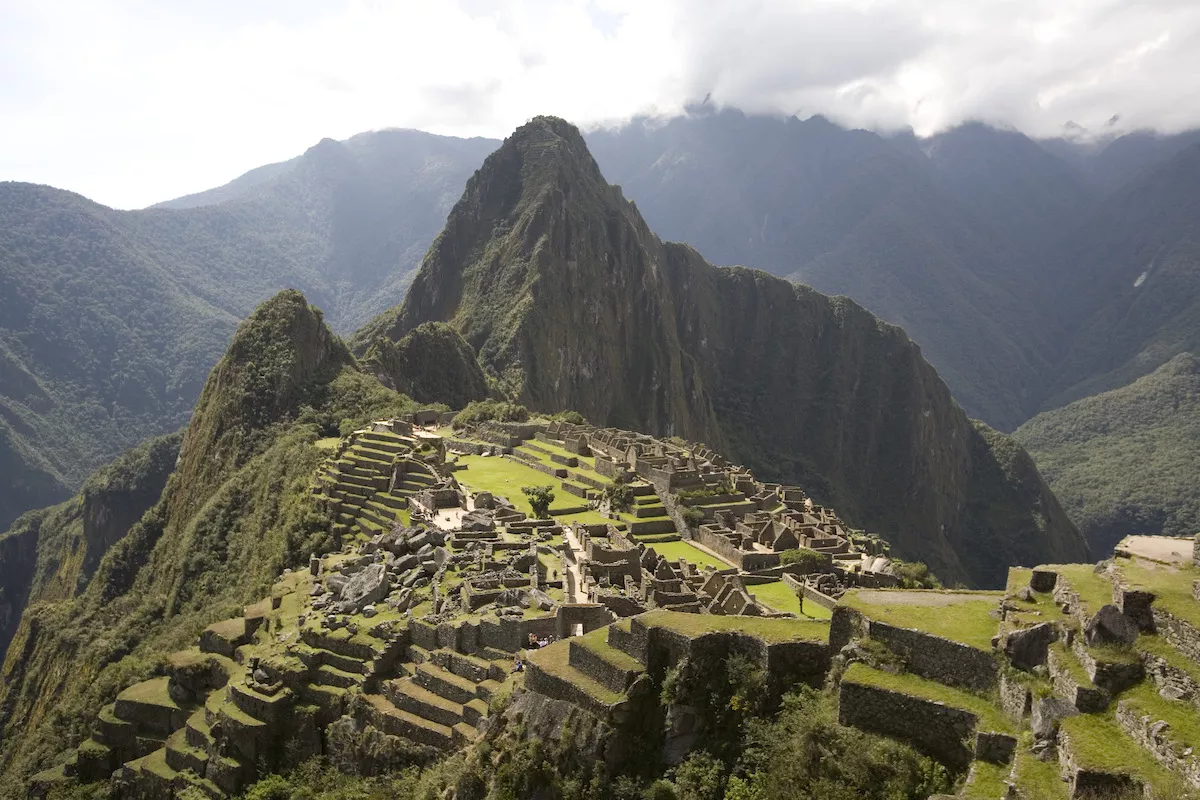
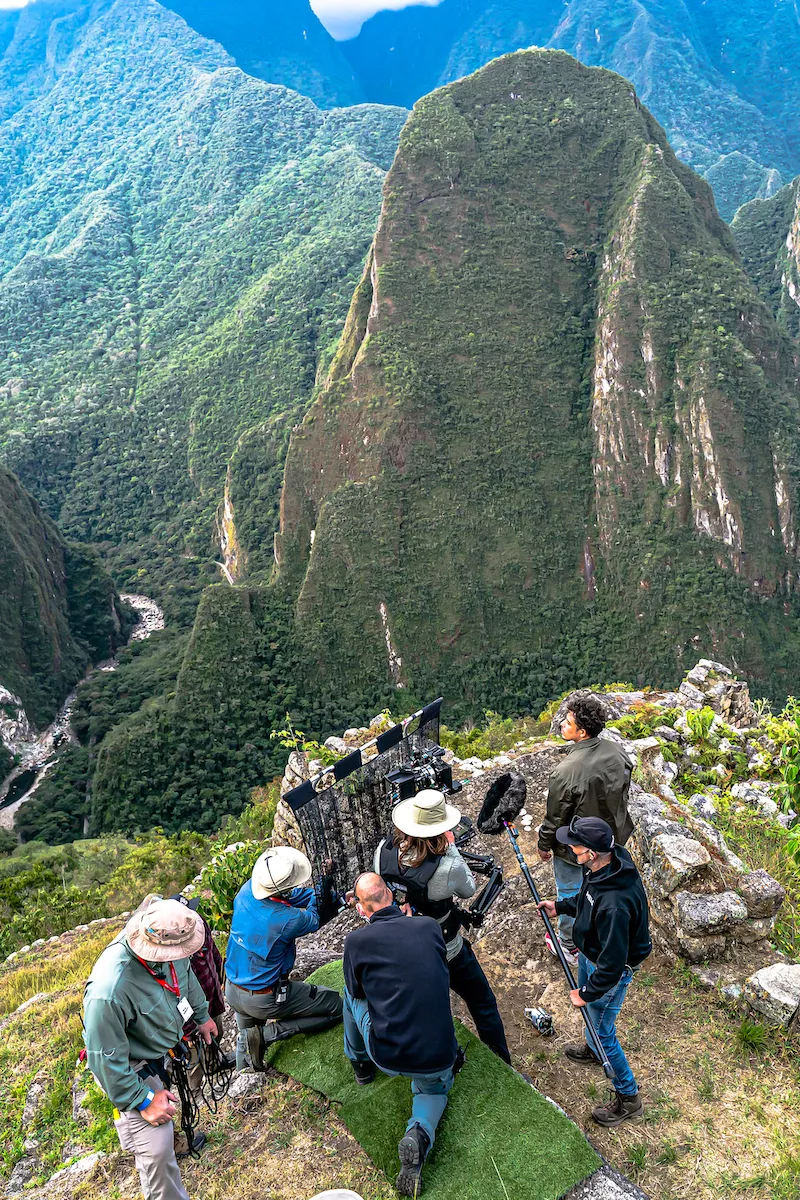
The country’s established historical landmarks remain significant draws for large-scale studio productions. During the pandemic, blockbuster projects like Transformers: Rise of the Beasts successfully filmed within the historic sanctuary of Machu Picchu and across the high-altitude Cusco region. The Amazonian jungle has similarly seen a notable surge in interest, serving as the backdrop for several European features and prominent South American television series like La Reina del Sur.
Beyond these well-known vistas, Film in Peru is actively opening up lesser-known archaeological sites, such as the ancient Kuélap fortress. Local officials view these historical structures as ready-made architectural blueprints capable of doubling for various fictional or historical settings, offering directors distinct visual alternatives to standard studio sets.
Economic dividends for the local workforce
The arrival of high-budget franchises like Transformers and Paddington in Peru yields measurable economic benefits for the domestic economy. Beyond driving post-release tourist traffic from affluent North American and European demographics—including discerning travellers from the Riviera—these large-scale studio projects inject capital directly into the local creative sector.
“Our goal is to bring Hollywood blockbusters to ancient historical sites like Machu Picchu, while simultaneously building a world-class domestic infrastructure,” said Arca Hoyle. “By combining Peru’s unparalleled heritage with cutting-edge production support, we are creating an irresistible proposition for the world’s most ambitious filmmakers.”
Under current guidelines, international productions must contract a significant percentage of Peruvian talent. While this includes some on-screen roles, the primary economic dividend benefits technical crews, logistical operators, and regional production infrastructure. By collaborating with elite international creative teams, local crews and producers expand their industry networks while sharpening their technical craft.

Moving toward a competitive financial framework
Historically, Peru competed in the global marketplace primarily on the strength of its diverse geography and specialised, fast-tracked concierge service rather than traditional financial incentives. For major broadcasters, securing pristine, unique locations outweighed cash rebates.
However, as the global location market becomes increasingly competitive, Peru is adjusting its financial framework. The country has officially signed a new Film Promotion Law and is currently finalising the specific regulatory mechanisms for the legislation. The primary objective is to debut a highly competitive financial incentive package on the international festival circuit, providing global producers with a formalised fiscal structure to match the country’s diverse physical geography.
Stay updated with Monaco Life: sign up for our free newsletter, listen to our podcasts on Spotify, and follow us across Facebook, Instagram, LinkedIn, and Tik Tok.
Main photo credit: Pomperu