

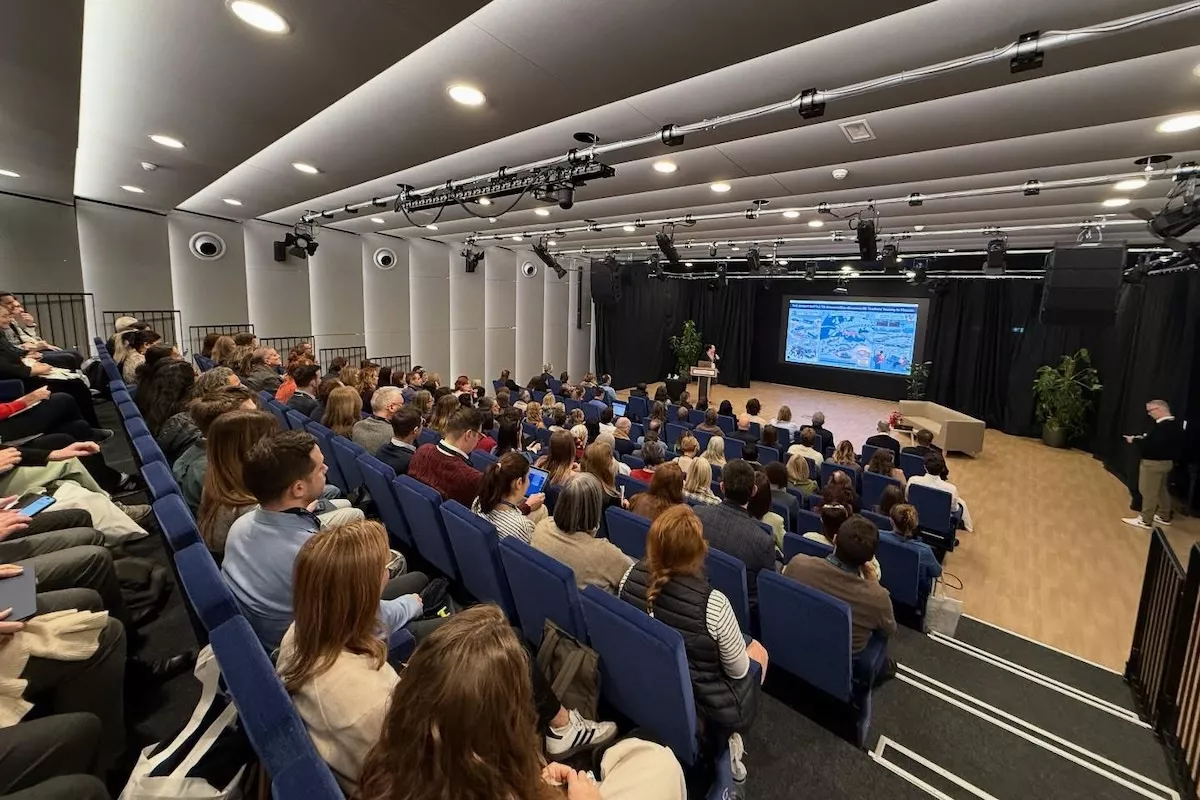
The International School of Monaco has concluded its first major education conference, drawing hundreds of teachers and school leaders from around the world to discuss how schools should adapt to rapidly changing technology and growing concerns about student wellbeing.
The two-day ‘Innovate • Share • Empower’ summit, held on 9th and 10th January, featured workshops on 11 themes including artificial intelligence, inclusion, multilingual education and outdoor learning, reflecting the breadth of issues facing international schools today.
“We wanted to create a space where educators could share what’s actually working in their classrooms, not just theory,” said Abigail Furey, ISM’s Deputy Director Academic, who organised the event.
The conference comes as schools worldwide grapple with how to integrate artificial intelligence into teaching while maintaining focus on fundamental skills, and as mental health concerns among young people continue to rise post-pandemic.
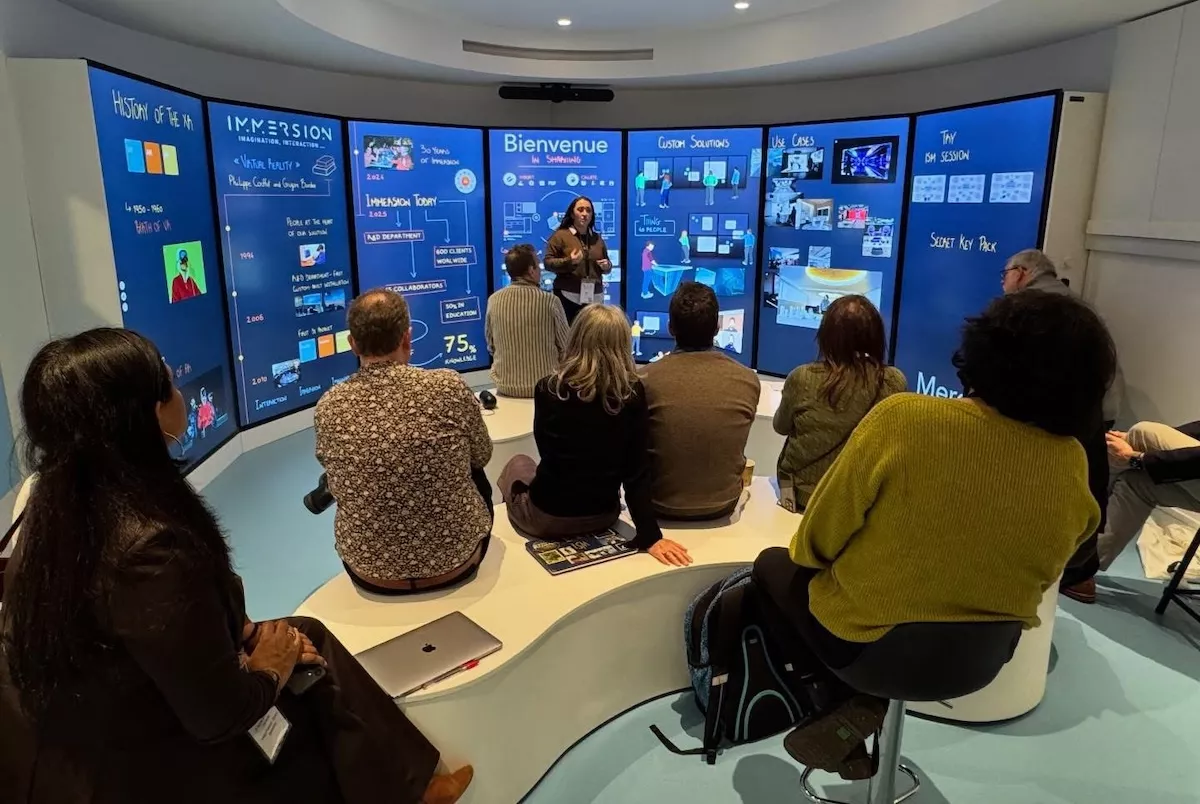
Mental health takes centre stage
Kimberley Wilson, a chartered psychologist and author who regularly appears on BBC and Channel 4, delivered a keynote arguing for a more holistic approach to student mental health that considers nutrition and lifestyle alongside traditional psychological support.
“We can’t separate mental health from physical health,” Wilson told attendees. “What students eat, how much they sleep, whether they move their bodies—it all affects their ability to learn.”
Dr Eowyn Crisfield, founder of the Oxford Collaborative for Multilingualism in Education, addressed the specific challenges facing international schools where students may be learning in their second or third language. She emphasised the importance of “translanguaging”—allowing students to draw on all their languages as resources for learning.
The Learning Pit returns
James Nottingham, whose “Learning Pit” concept has become one of the most widely adopted teaching frameworks in recent years, spoke about productive struggle in education. The model, which visualizes learning as a process of getting “stuck” before achieving breakthroughs, has gained traction among teachers looking for ways to build resilience in students.
Nottingham, who has collaborated with education researchers Carol Dweck and John Hattie, released his latest book ‘Teach Brilliantly’ last year.
Kate Jones, from Evidence Based Education, focused her session on translating academic research into practical classroom strategies, particularly around retrieval practice and feedback—areas where she argues many schools still rely on intuition rather than evidence.
As schools worldwide continue to navigate post-pandemic recovery, technological disruption and evolving expectations around student wellbeing, events like ISM’s conference suggest a growing recognition that educators need structured opportunities to learn from one another across borders.
Stay updated with Monaco Life: sign up for our free newsletter, catch our podcast on Spotify, and follow us across Facebook, Instagram, LinkedIn, and Tik Tok.
Photos courtesy of ISM