"Electric motorcycles and high tech wearables – this is lifestyle" 

It’s a story that began in 1903, when aristocrat Marquis Ricardo Soriano Scholtz von Hermensdorff II invented a racing engine far ahead of its time. Throttle forward a century and that pioneering spirit continued through the bloodline to Economist Marco Antonio Soriano IV, who is rebooting the Soriano family legacy in Italy with an all-electric motorcycle and a game changing global business model. 
Monaco Life caught up with Marco Antonio after he spoke at this year’s Energy Boat Challenge at the Yacht Club of Monaco.
Monaco Life: Can you tell us about where it all began for the Soriano family?
Marco Antonio Soriano IV: In the early 1900s, the Sorianos started manufacturing the first racing cars in France, piloted by the British race car driver Jean Graff in competitions like Le Mans. Then in the mid-30s we decided to move to Spain where we became the first manufacturer of motorcycles.
Soriano motorcycles pioneered the whole industry. We even created a line of scooters towards the end of the 50s. Engines were the primary focus of the family business, then it started merging into hospitality.
Where is the family, the company and yourself positioned today?  
The Soriano family was everyone – my great grandfather and all his siblings – and I am the fourth generation of the family office. What tends to happen is, when there is second and third generation wealth, family members live the life of a rock star but they don’t want to work or bring any value to the family business. So, I became the black sheep and started cutting people out who were draining what had been built in wealth over time but were not producing. I restructured during the financial crisis in 2009 because we were facing a very hard time, particularly my generation which is 50 family members. This fifth generation now has been narrowed down and structured to what the Soriano family office is today – our brand.
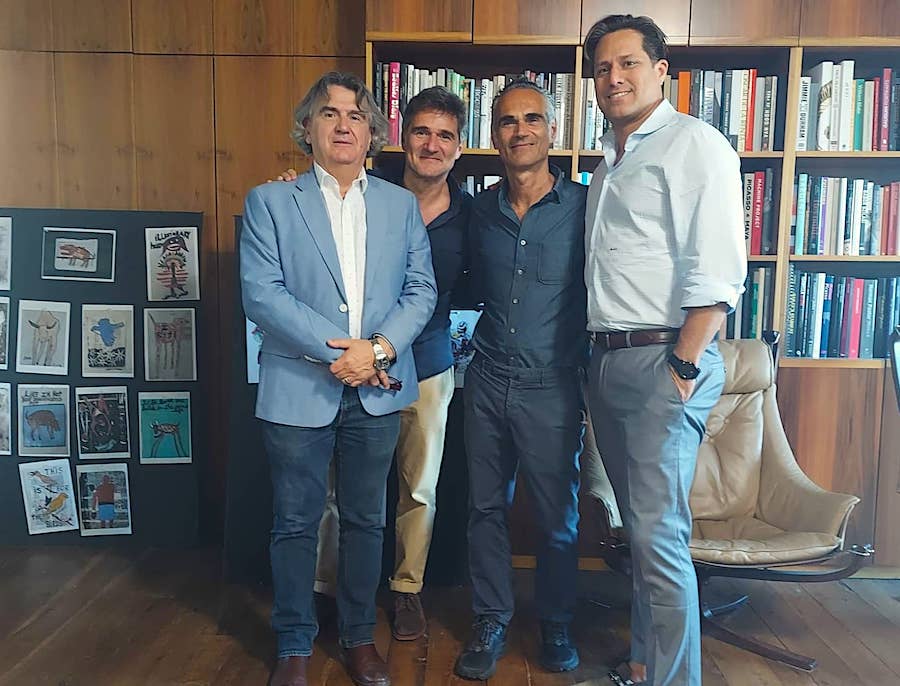
Left to right: Sergio Moroni, CEO Soriano Motori Corporation, Francesco and Filippo Micchelaci, 3rd generation brothers in fashion and Lead Directors of Fashion Design and Production in Florence, and Marco Soriano, Founder and Chairman of Soriano Motori Corporation.

You’re also a specialist in wealth management, which I am sure has contributed to the success of the company and the family office. So, why electric motorcycles?
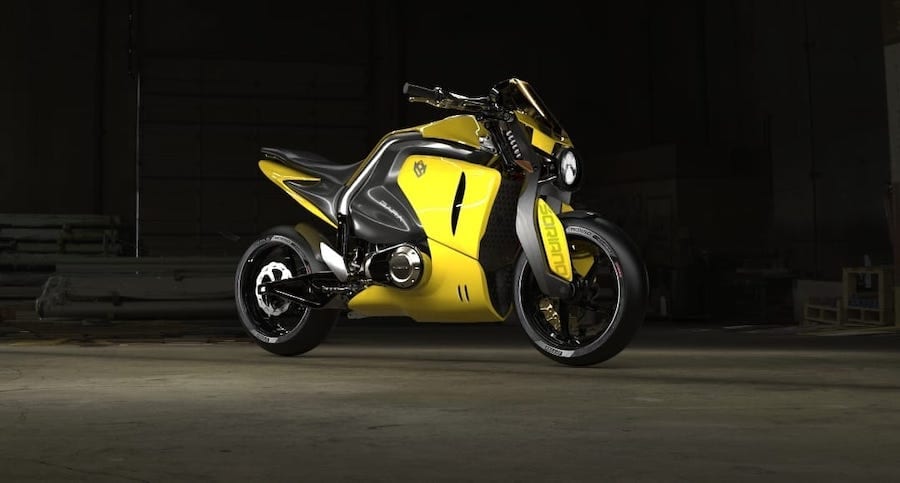
Having a motors company history, I saw the opportunity to rebirth the family brand with a new vision, the electric vehicle (EV) global platform. Having a narrative allows you to be heard, and then once you are heard you have to create your own legacy. So, we did. In 2019, I started drafting on a napkin the first lines of the kind of motorcycle I would like to create. I took that to a designer and engineers in the US, and then I went to Italy – because Italians have a very keen eye for beauty and design. I am also part Italian myself.
We were the first in the world to build an electric vehicle with shift gears, which allows you to conserve energy and boost performance as you ride the hills of Europe.
We patented the technology and we now have a modular system that we can use in any other vehicle in the world.
When can we see the first prototype?
This November at EICMA in Milan, the world’s largest motorcycle trade show, we will present two cruisers, one Enduro model, and possibly a couple of our new EV scooters as well. We presented the specs for the first prototype in November, but they were pandemic times so this will be the real worldwide reveal. We will also present the motorcycles at Art Basel in Miami and at the Fashion Week in Tokyo, Japan this December.
What sets this EV apart from other electric motorcycles that are currently on the market? 
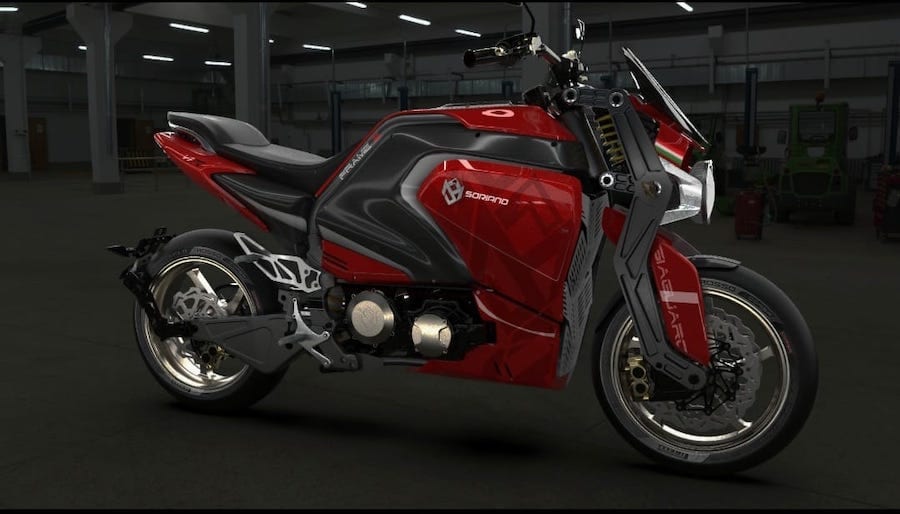
A regular rider wants the traditional sound and motion of a motorcycle, so that’s what we have done. You can’t even tell the difference between an ICE combustion engine and the EV, it is the same feeling. We added the component of shifting gears to conserve energy and to add torque, while the ABS braking system that we created also allows you to conserve energy and recharge the battery during that process. Battery options range from 15kWh to 20kWh, both lithium-polymers. The motorbike’s range is 200km, maximum velocity 260km per hour.
The motorcycles can be customised and we are taking pre-orders now at www.sorianomotori.com. They will be built in limited-edition capacity and I will laser sign each one. We can produce about six per day, but we do have a 10,000 units manufacturing capacity per annum. This can be scaled up very quickly, but I am not interested in creating oversupply and a sub market.
Where are they made and what kind of prices are we talking? 
The EVs are made in Italy in two state-of-the-art facilities in Oggiono and Intrubio in the Lecco Province of the majestic Lake Como. Costs range from around €25,500 for the V1R to €32,500 for the V1 Gara. We also accept payment in mainstream cryptocurrencies like Ethereum and Bitcoin.
You also say that you are reinventing the business model of the motorcycle sector. What do you mean by that? 
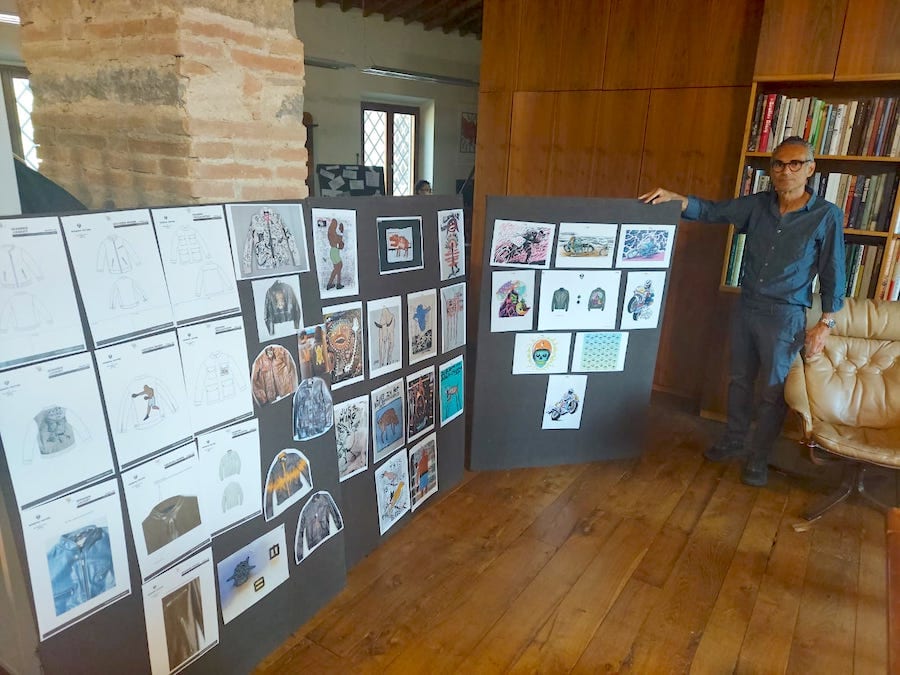
The automobile industry does not have a true lifestyle around it, so we started to create our own kind of fashion and high-tech wearables using recyclables as well as photovoltaic undergarments. In some of our leather bags, for example, we are incorporating recharge capacities with small solar panels that connect to a battery system that can charge cell phones. We will also present these at EICMA Milan, Art Basel Miami, and Fashion Week Tokyo, Japan.
High-tech wearables, sustainable products, and motorcycles – the real lifestyle.
But I am crazy enough to do more. So, I am opening the Soriano Lounge Club in New York City where all members get full access to our factories, so when you buy a product, you can go to the factory to see the birth of your bike and form a real connection with it. It’s like those apps that pregnant women have, that compare the size of their baby to a walnut or avocado. With us, you are buying something that is customised, so you want to see this “baby” grow.
My slogan or tagline is: Where engineering meets fashion.
There is a reason why a Lamborghini and Ferrari are popular by word of mouth, and a Toyota is not. I want to unite that gap between engineering and fashion, between the US and Europe.
I also want to create the Soriano Foundation for the education of children, because they are the future.
I’m intrigued by these high-tech wearables. Can you tell us more? 
Smart wearables are, for example, elbow patches that a rider can put on their jacket that have a sensor that will vibrate when a car is coming through on their left or right, like the sensors that are in cars today. It will help to eliminate blind spots and the need for riders to turn their heads, when maintaining straight vision is critical for safety.
Helmets will also be able to connect to a mobile device, allowing the rider to know what is going on within their periphery, exactly the same way that cars today have 360° satellite vision when parking and driving.
We figured that a Ducati rider is not going to switch to buying a Soriano if it doesn’t have the same features or better. In style and design, you can almost compare us to Ducati, but we are a superior product because of the engineering thought behind it, including its unique international lifestyle.
Is sustainability purely a business motivator for you, or do you feel a moral responsibility to take the company in this direction? 
I am one of almost eight billion people in the world, and I am contributing my little grain of salt. I heard a story once: A father and son were walking on the beach when they came across all these star fish that had washed ashore. The child started throwing them back in the sea, and the father said, “What are you doing? There are thousands of them, that’s not going to make a difference”. The kid replied, “It is going to make a difference to the ones I am putting back in the water”.
So that’s my approach. I can’t take full responsibility for what is happening in the world, but I can add my grain of salt.


MEB resumes economic missions in show of "recovery and optimism"

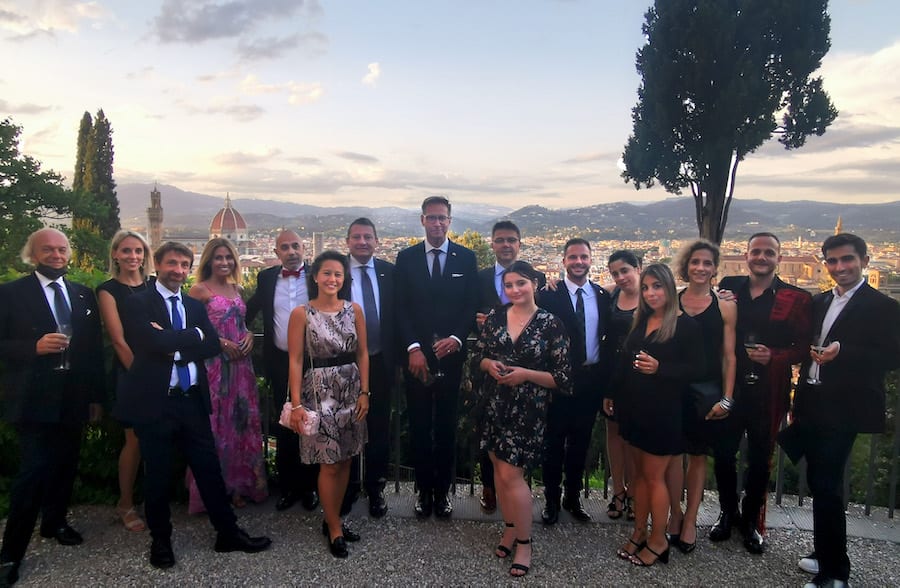
After a quiet pandemic year, the Monaco Economic Board and its members have hit the road again, this time heading to Florence, Italy for an economic mission.
From 12th to 14th July, the Monaco Economic Board (MEB), with the help of the Embassy of Monaco in Italy, organised an economic mission in collaboration with the Consulate of Monaco in Florence, the Club of Ambassadors of Destination Monaco, the Florence Chamber of Commerce, Cofindustria Firenze and the Promotion Office of the Principality of Monaco in Italy. It is part of a particularly close economic relationship between the Principality and its “other” big neighbour.
“Italy is the leading customer and the leading supplier (excluding France) in terms of trade with Monaco. This economic dynamism can be explained by the close links between the two countries: geographical, historical and cultural proximity,” said the MEB in a statement.

Photo provided by the MEB

For many years, the Monaco Economic Board has been organising operations in Italy in order to intensify these exchanges. For this, it naturally relies on the Embassy of Monaco in Italy and the local Chambers of Commerce. But it also has a valuable network: the Club of Monaco Destination Ambassadors, a club of first-rate Italian economic decision-makers with a strong link to the Principality, supported by the Prince’s Government and the MEB. This network, with more than 400 members and present in 13 cities, allows Monaco to shine at the highest level and aims to offer new business opportunities between the two nations.
In this context, the MEB has organised promotional operations or economic missions to Turin, Milan, Naples, Rome and Venice.
July’s delegation, led by Executive Director General of the MEB Guillaume Rose, was made up of around 10 Monegasque leaders operating in the sectors of banking and finance, ICT, e-commerce, business services, energy and insurance.
On Wednesday 13th, two memoranda of understanding were signed by the MEB and its counterparts from the Florence Chamber of Commerce and Cofindustria Firenze at the Florence Stock Exchange.
Other highlights included visits to Villa Bardini which overlooks Florence, the Nana Bianca incubator and the Gucci museum.
“This economic mission was a real breath of fresh air for our members who, like us, have been stranded by the pandemic,” said Guillaume Rose. “It sends a strong signal of recovery and optimism for companies in the Principality who are thirsty to find new development possibilities.”
The MEB has a series of economic missions planned for the second half of the year to destinations including Antwerp, Saint Petersburg, Amsterdam and the Monaco Pavilion at Expo 2020 Dubai.
 
 
Top photo provided by the MEB


All the highlights from the Red Cross Summer Concert

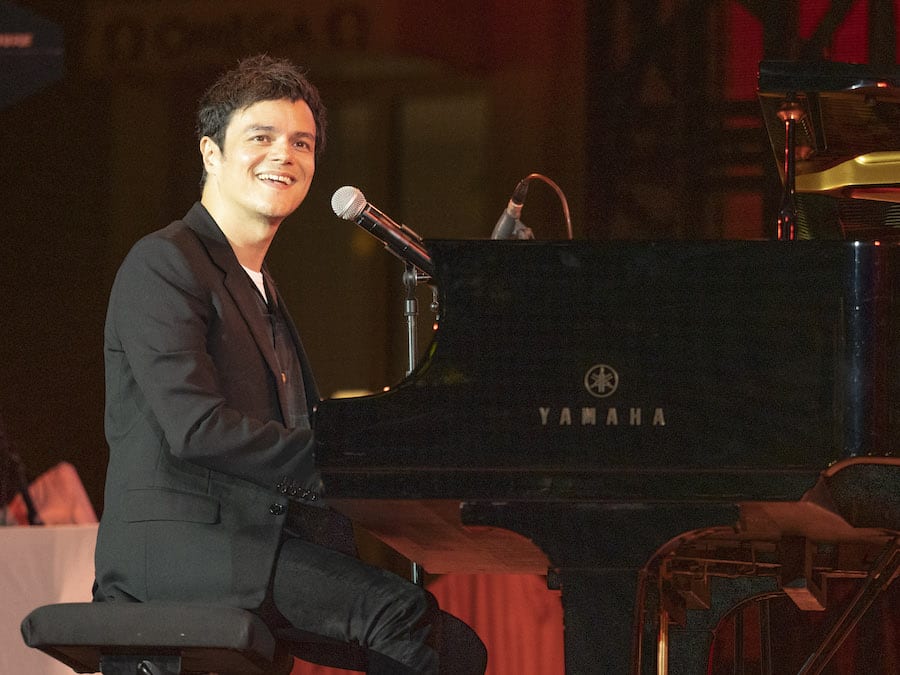
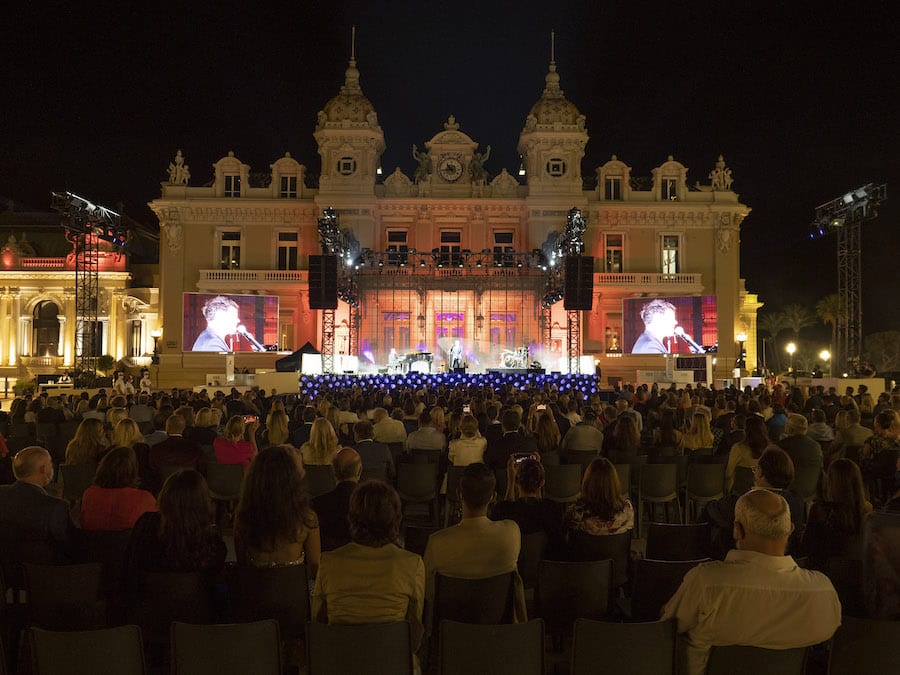
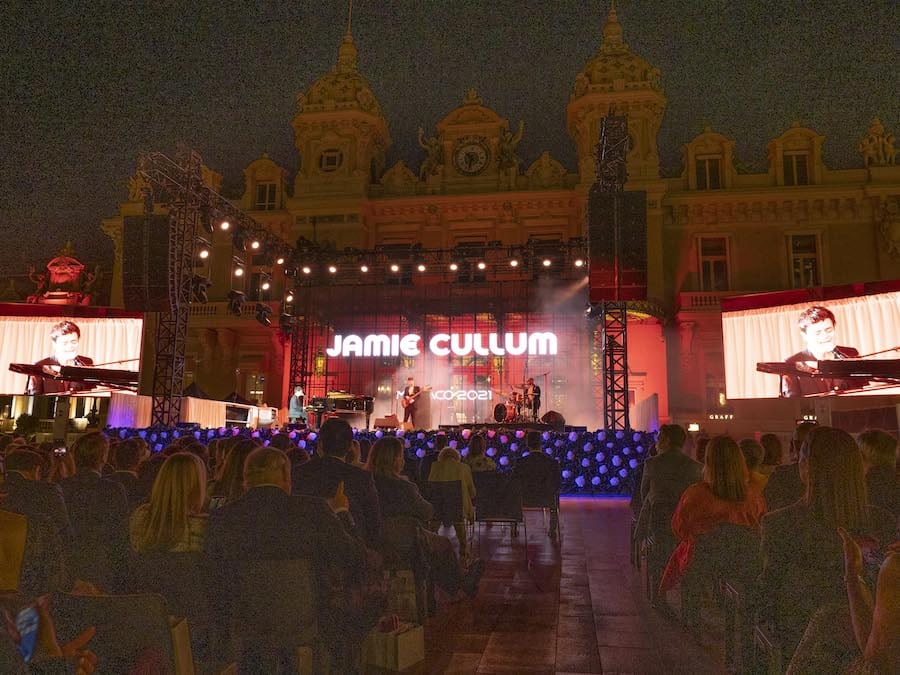
It was an historic moment as Jamie Cullum took to the stage in the Place du Casino for the Red Cross Summer Concert on Friday night, watched on by the Princely family. 
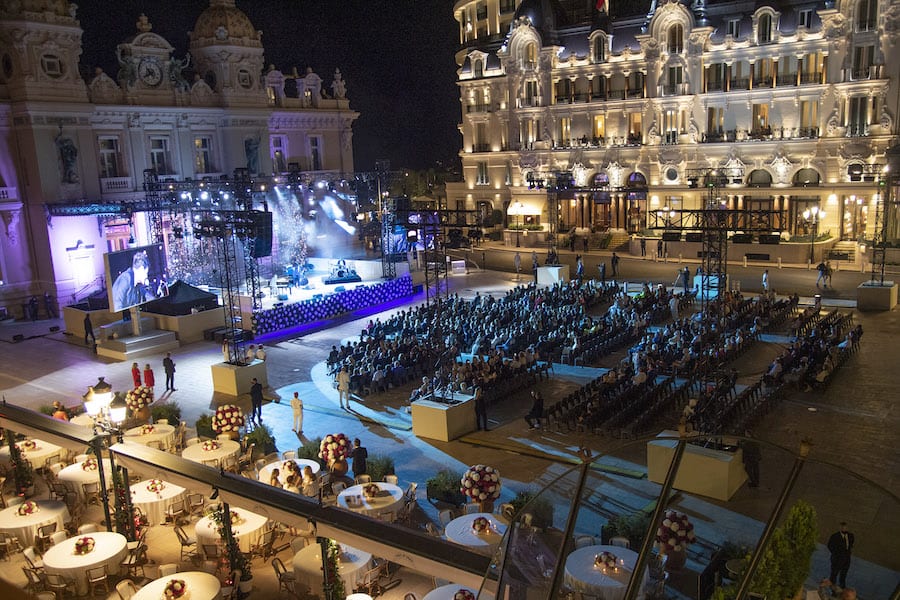
After many years at the Sporting Monte-Carlo, the event this year took on a new name and a new location. Under the starry summer sky in the Place du Casino, guests gathered for what was the first major concert in Monaco since the pandemic began. It was also the first time the redesigned Casino Square has been transformed into an open-air entertainment venue since it was unveiled in 2020.
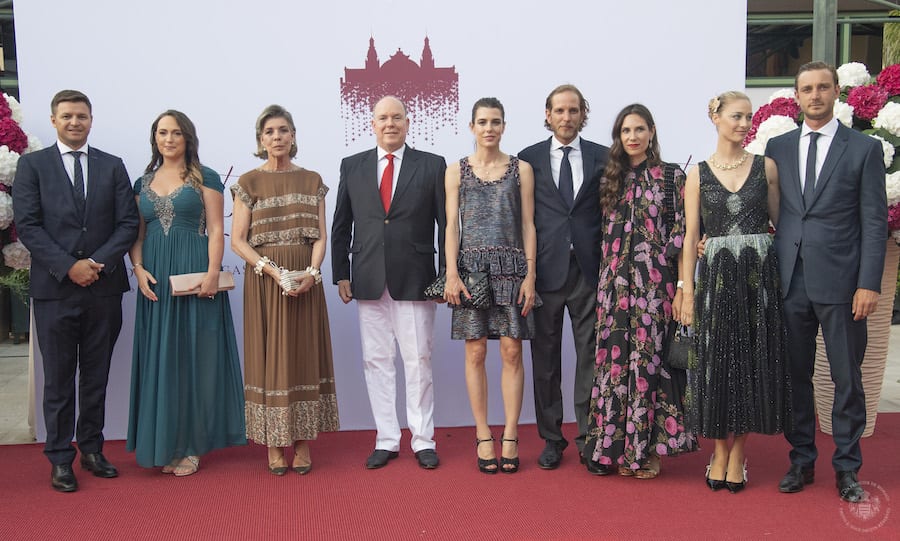
Prince Albert II of Monaco was joined for the occasion by his sister Caroline, Princess of Hanover, Pierre Casiraghi, Andrea Casiraghi, Charlotte Casiraghi-Rassam and Gareth Wittstock.
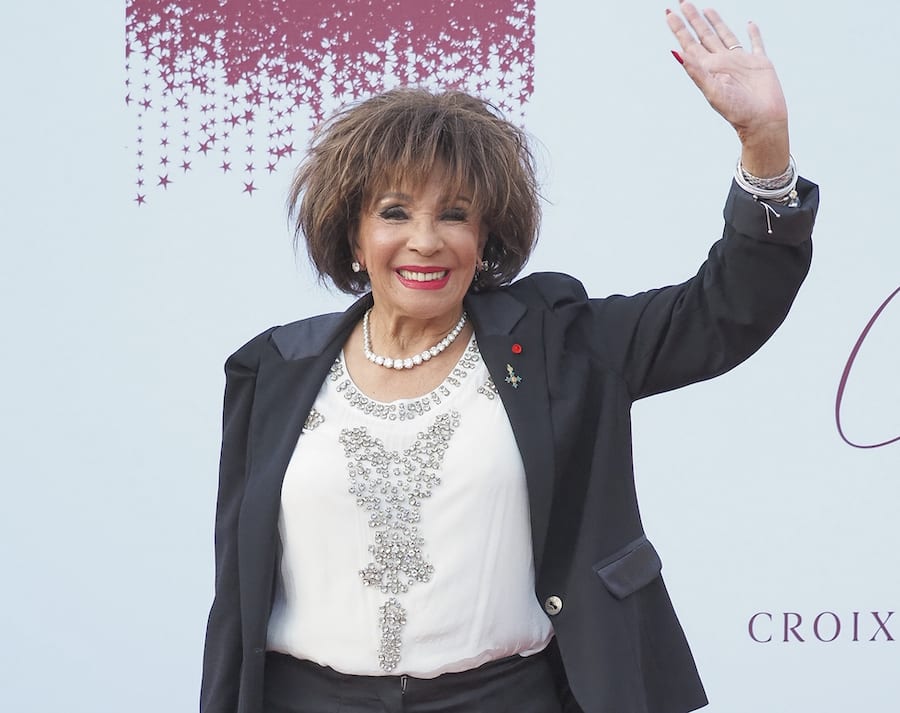
Among the guests was legendary singer Dame Shirley Bassey, the 84-year-old looking effortlessly chic in a black trouser suit.
Art works by acclaimed artists Laurence Jenkell and Nick Danzinger were offered in support of the charity.

Red Cross Summer Concert featuring Jamie Callum by Palais Princier/Monte Carlo Société des Bains de Mer

The Red Cross was established in 1948 by Prince Louis II, and the gala has been an opportunity to showcase its ongoing daily action among the most vulnerable over the past 73 years.
The missions of the Monaco Red Cross are to save lives and prepare the general population for disasters, to support all people in need without discrimination and to lead awareness-raising and preventive actions in the humanitarian sector. It acts both nationally and internationally.
It is supported and guided by HSH Prince Albert II.

Video by Palais Princier/Monte Carlo Société des Bains de Mer
Shirley Bassey at the Red Cross Summer Concert by Palais Princier/Monte Carlo Société des Bains de Mer

HSH Prince Albert II and Caroline Princess of Hanover with Mr and Mrs Gareth Wittstock, Charlotte Casiraghi-Rassam, Andrea and Tatiana Casiraghi, Beatrice and Pierre Casiraghi by Palais Princier

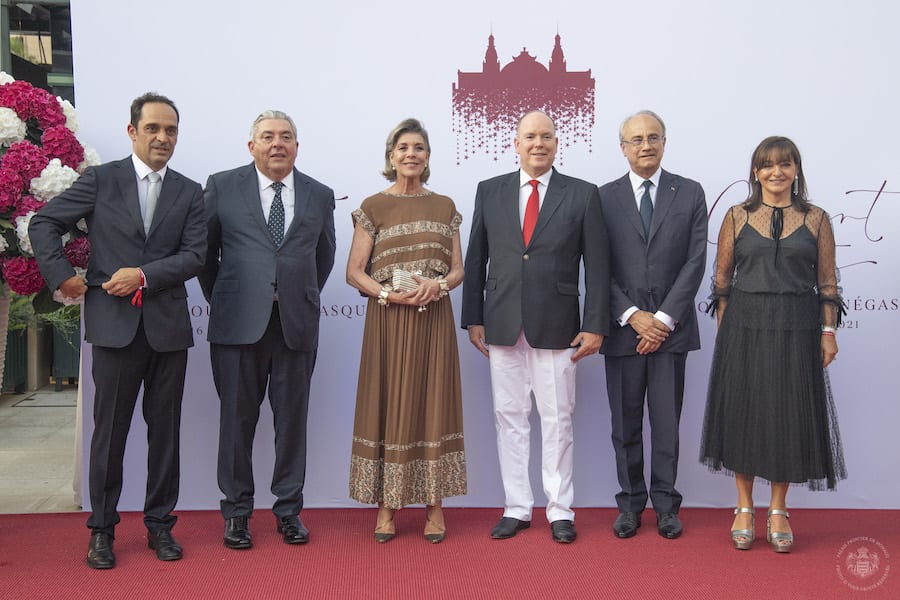
HSH Prince Albert II and Caroline Princess of Hanover with Frederic Platini, Pierre Dartout, Jean-Luc Biamonti and Bettina Ragazzoni-Janin by Palais Princier

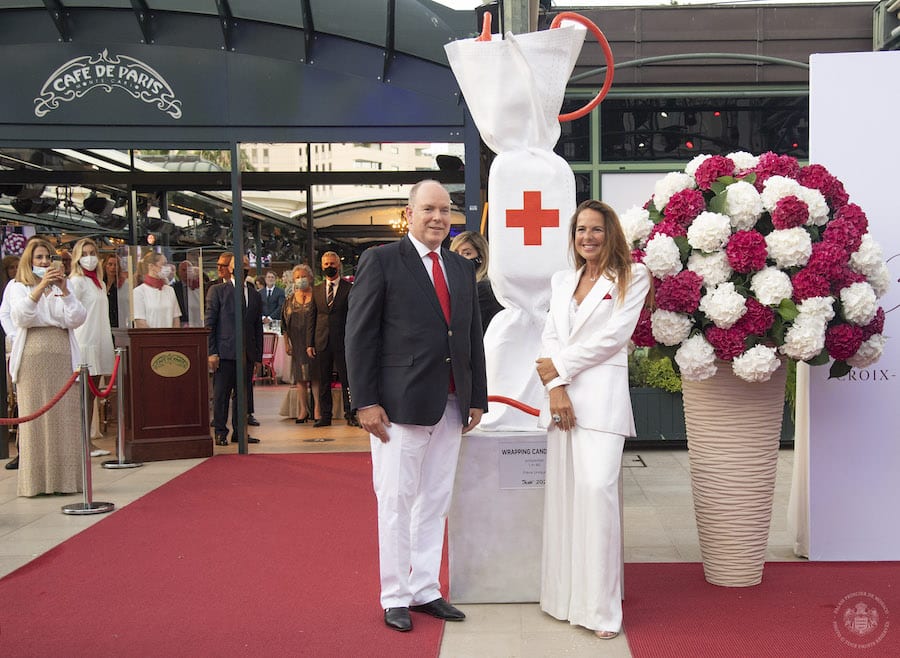
HSH Prince Albert II and artist Laurence Jenk by Palais Princier

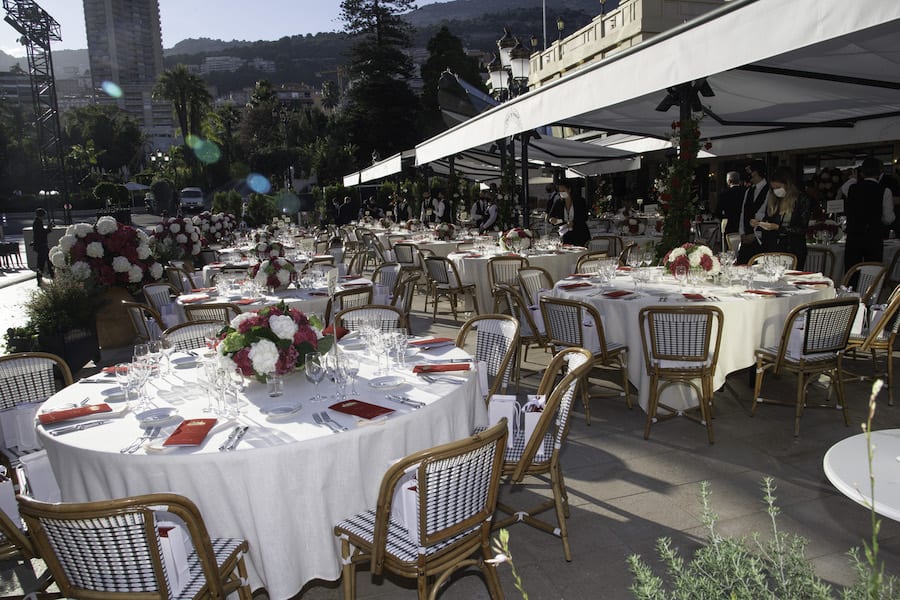
Café de Paris all dressed up for the Red Cross Summer Concert, by Monte Carlo Société des Bains de Mer

Photo by Monte Carlo Société des Bains de Mer

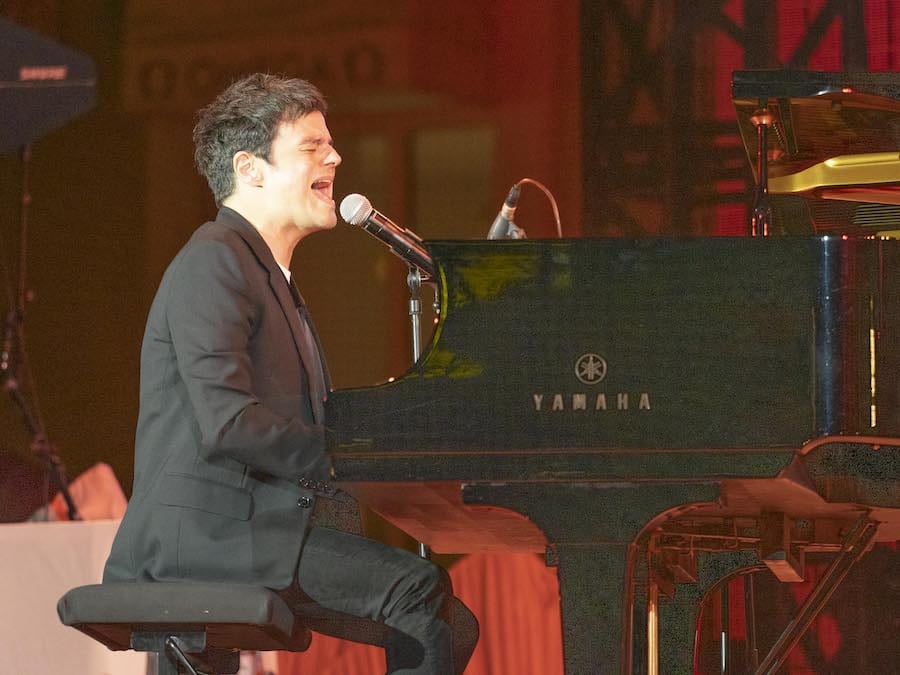
Photo of Jamie Cullum in concert by Monte Carlo Société des Bains de Mer

Photo of Jamie Cullum by Monte Carlo Société des Bains de Mer


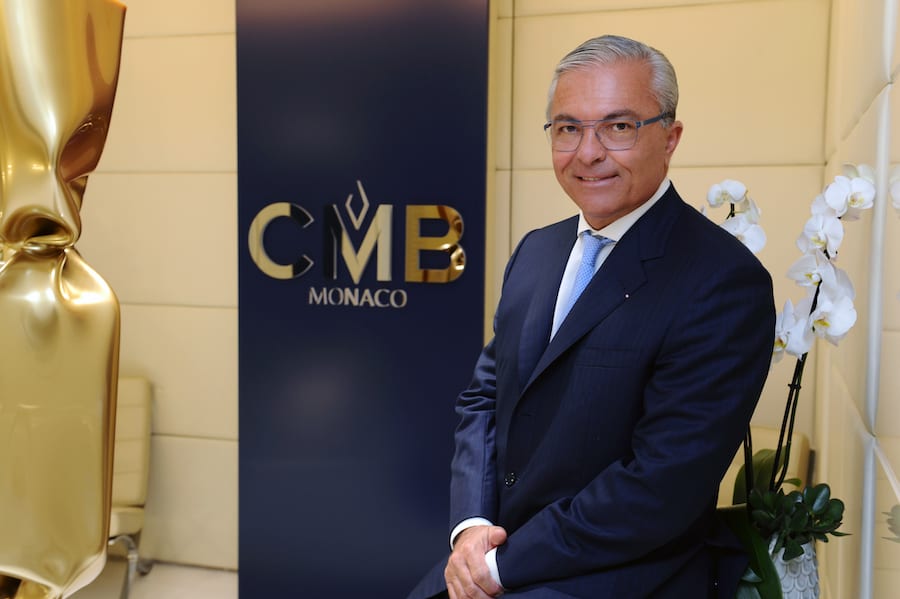
Remote working a permanent option for CMB staff

Local private bank CMB Monaco has announced that it will continue to allow its employees to work from home even as Covid restrictions are being lifted, giving workers flexibility and lessening overall stress.

CMB Monaco was one of the first banks to react at the start of the pandemic by creating a telework programme so that the chain between clients and bankers was unbroken. The vast majority of the bank’s 265 employees were working in this manner throughout the health crisis.

Now that the worst seems to have passed, the bank has decided to carry on using this method of working in a post-Covid environment, extending the offer to 64% of their employees to work from home one or two days per week.

The decision to embark on this experiment was based on several factors. First, the bank’s clientele became accustomed to communicating remotely with their financial advisors. This new comfort factor has allowed the bank to give customers the same experience and service, but now in a different way.

The second is that employees have found telecommuting to be more productive and generally less stressful. Commutes take their toll mentally and eliminating them a few days a week has been found to boost concentration, making for an overall better work-life balance.

The final reason is in line with the philosophy of the Principality. This is the environmental impact of fewer commuters on the road. The reduction in pollution caused by employee’s cars as well as the lessening of road traffic combine to be a significant benefit to the environment.  

CMB’s Chief Executive Officer, Francesco Grosoli says he is “convinced that we are facing a radical change and a key turning point. It is utopian to think that we can and should go back to business as usual before the pandemic.” He added that, “We have been able to reinvent ourselves and even achieve excellent results in a tumultuous and unprecedented period. It is now up to us to reinvent tomorrow’s world of work together.”


Window into the history of Belarus through art

Get a glimpse into one of Europe’s most tumultuous and least explored treasures with the exhibition ‘Belarus: History Through Art’ at the Espace 22 Gallery this summer.
The Eastern European nation of Belarus has a long tradition of music, dance, literature, and art, though it has been mostly overshadowed by its western neighbours. The country that gave the world Marc Chagall has much to offer on the cultural front, and with the new exhibit coming to Espace 22, ‘Belarus: History Through Art’, they are definitely ready to show the world the wonders of this centrally located European country.
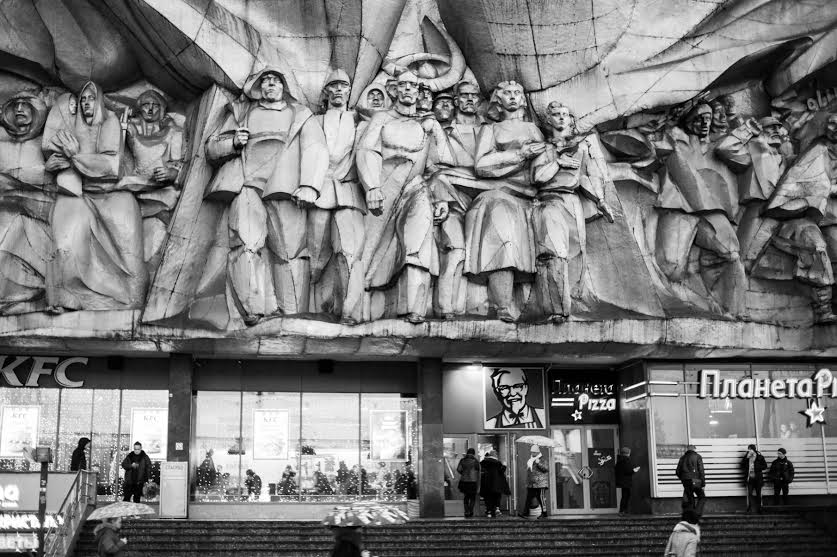
Running from 30th July to 9th August, the show will feature paintings, sculpture and photos which present striking architectural features of the country’s buildings, interesting cultural snippets and the general beauty of the landlocked nation that has only existed in its current form since after World War II, when it became one of the 51 founding members of the United Nations.

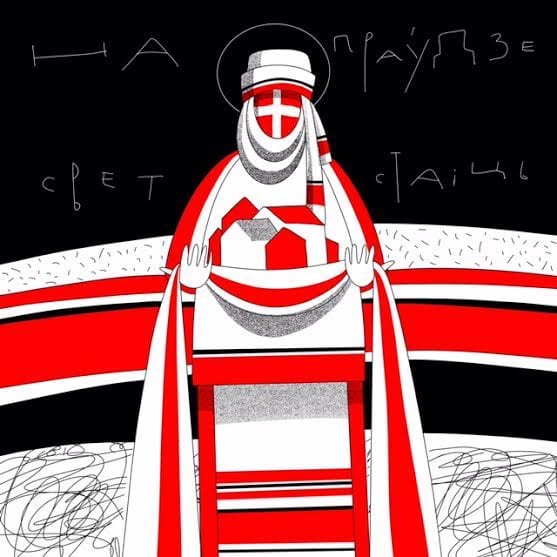
Belarusian folklore through proverbs collection

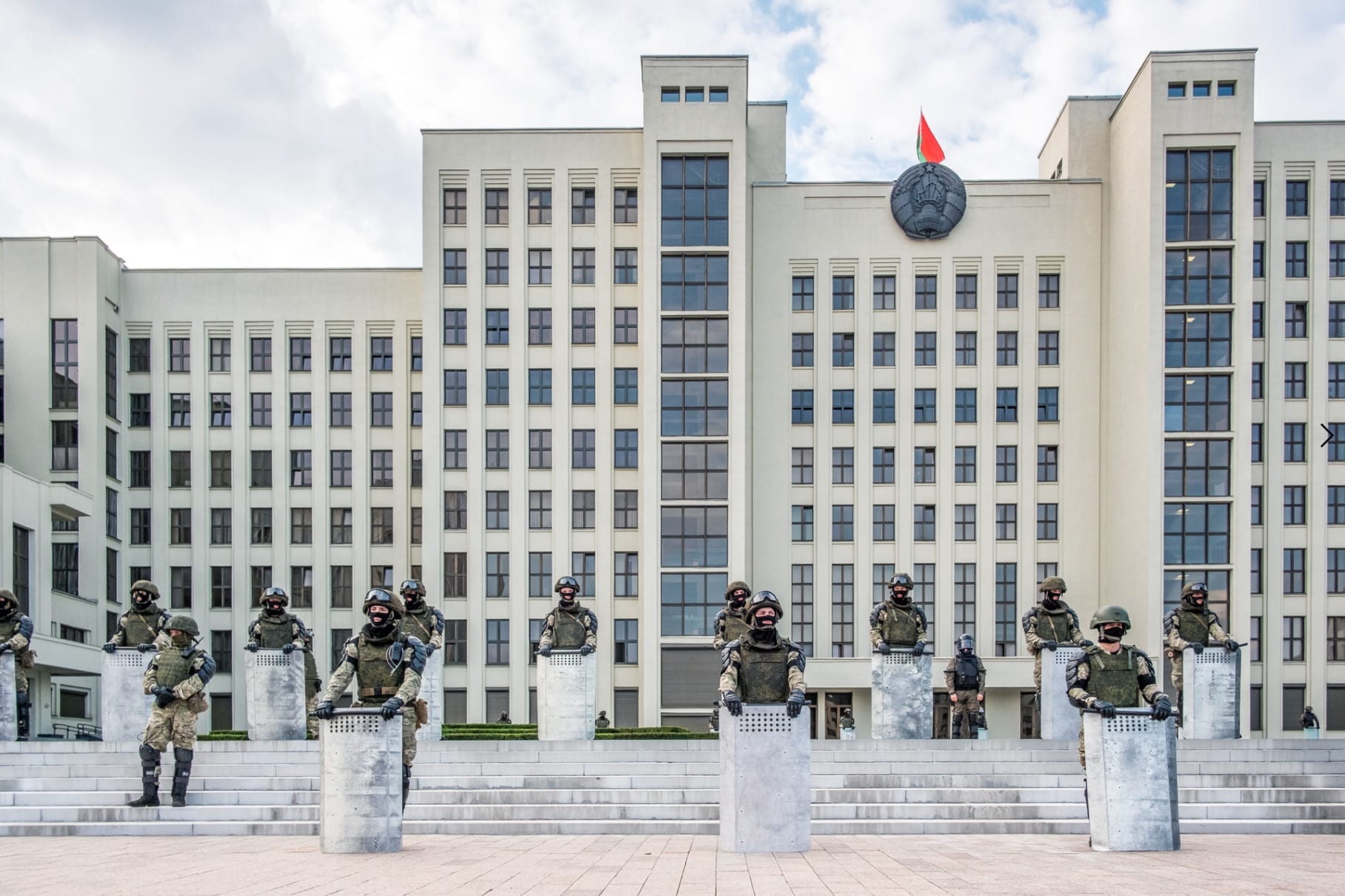
The free event will see 20 exhibitors, some native Belarusian and others who have adopted the country, including Paris-based award-winning photojournalist Paul Dza who travelled recently to Belarus to cover recent events in the country. His photo of soldiers posted in front of a government building is particularly haunting and shows a stark contrast with the lovely, welcoming modern building in the background. He will be displaying a collection of his photos from his time in the country.
The event’s organisers, Pavel and Natalia Bairstow of Bairstow Monaco Consulting, are gearing it toward not only introducing the public to the art of the country, but also to raising awareness about what life is currently like there.
The country has been under sanctions due to human rights violations and the violent repression of civil society, democratic opposition and journalists, as well as to the forced landing of a Ryanair flight in Minsk on 23rd May 2021 and the resulting detention of journalists Raman Pratasevich and Sofia Sapega.

Mr Bairstow has told Monaco Life that as a result, “several artists and photographers had to send in their art from Belarus because they physically could not travel as Belarus is under travel sanctions from the EU because of the elections and the grounding of the Ryanair plane.” The artists specifically asked to remain anonymous out of fear of government retaliation.
Amongst those who are able to freely exhibit are Olga Yakubouskaya, whose works are symbols for the return of peace, and Ekaterina Zagorodniaya, whose pieces contain traditional proverbs and outfits.
 
Top photo by award-winning photojournalist Paul Dza 


ArtPeople launch

As part of Monaco Art week, Monaco start-up ArtPeople has launched a digital platform for connecting collectors and buyers in a whole new way.

The ArtPeople digital platform is giving art lovers an online alternative to viewing and buying pieces, highlighting the extraordinary growth of this once-niche market of the art sales world.

Founder Jeremy Biermann, architect and art enthusiast, started ArtPeople after designing numerous exhibition stands for galleries at international fairs such as Design Miami/Basel, Masterpiece London, and PAD London, collaborating with his wife Deborah who worked for a prestigious auction house and ran a gallery in Monaco.

Jeremy saw a gap in the art world that was expounded by the restrictions the pandemic imposed on face-to-face meetings and travel, and created ArtPeople to fill in that blank spot.

“In the digital age, our professional experience has allowed us to understand the most important element in this market: trust, in particular between collectors, dealers, specialists and service providers,” says Jeremy Biermann. “Our mission was to make the art world prosper in a new digital reality where Internet users do not limit themselves to consulting information but actively contribute to its creation.”

Member collectors have access to a directory of services in addition to the pieces themselves that include finding framers, insurers, experts and transport companies, whilst art world professionals now have the ability to reach out to collectors and service providers at an unprecedented level to increase visibility and expand their markets.

Based on the LinkedIn model, users of the platform can also share their experiences and opinions, complete with rating systems, and can create and schedule online or real-time events, make appointments, and create their own profile.


Photo supplied