

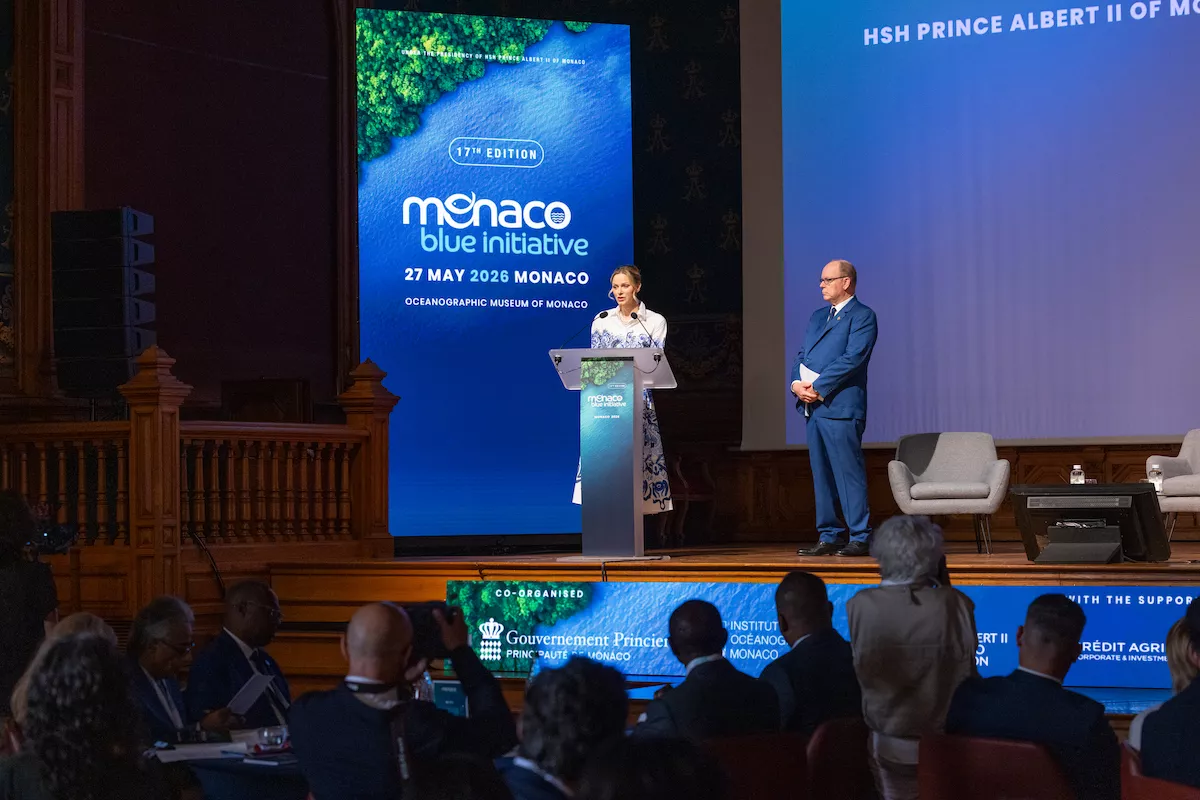
The 17th edition of the Monaco Blue Initiative, held on 27th May at the Oceanographic Museum, proved that the high seas are no longer just an environmental concern, but a distinct global asset class. From strict WTO deadlines to a historic local alliance between Monaco’s sovereign foundations, the summit mapped out a high-stakes transition from oceanic talk to bankable, concrete action.
Opening the discussions, Prince Albert II outlined the shifting economic paradigms facing global maritime policymakers. Long-term environmental costs associated with destructive farming and unregulated fisheries currently impose a massive global burden, quantified at approximately $22 billion annually. The core challenge is for international bodies to establish an effective framework that provides clear incentives and reduces uncertainty for private investors.
“Their cooperation is our focus today,” said Prince Albert II, adding: “Markets, whatever their strengths, need rules. They work to short horizons. They struggle with questions that unfold over decades, sometimes over centuries.”
The ocean is no longer viewed merely as a finite natural resource, but as a distinct financial asset class. This transition is backed by massive private sector acceleration, with nearly 3,000 global startups now actively engaged in ocean innovation. Furthermore, over $10 billion in donor funding and venture capital has been deployed to support breakthrough ocean technologies. Investment channels now span private equity, venture capital, private debt, and major infrastructure finance, signalling that sustainable blue investments are becoming both highly profitable and mainstream.
The September 2029 ultimatum: Why global fisheries face a fragile future
The macro-financial discussion was further elevated by a sharp call to action regarding global fisheries governance. Overfishing, habitat destruction, and illegal, unreported, and unregulated (IUU) fishing currently threaten the food security and livelihoods of over 600 million people worldwide who are reliant on marine resources.
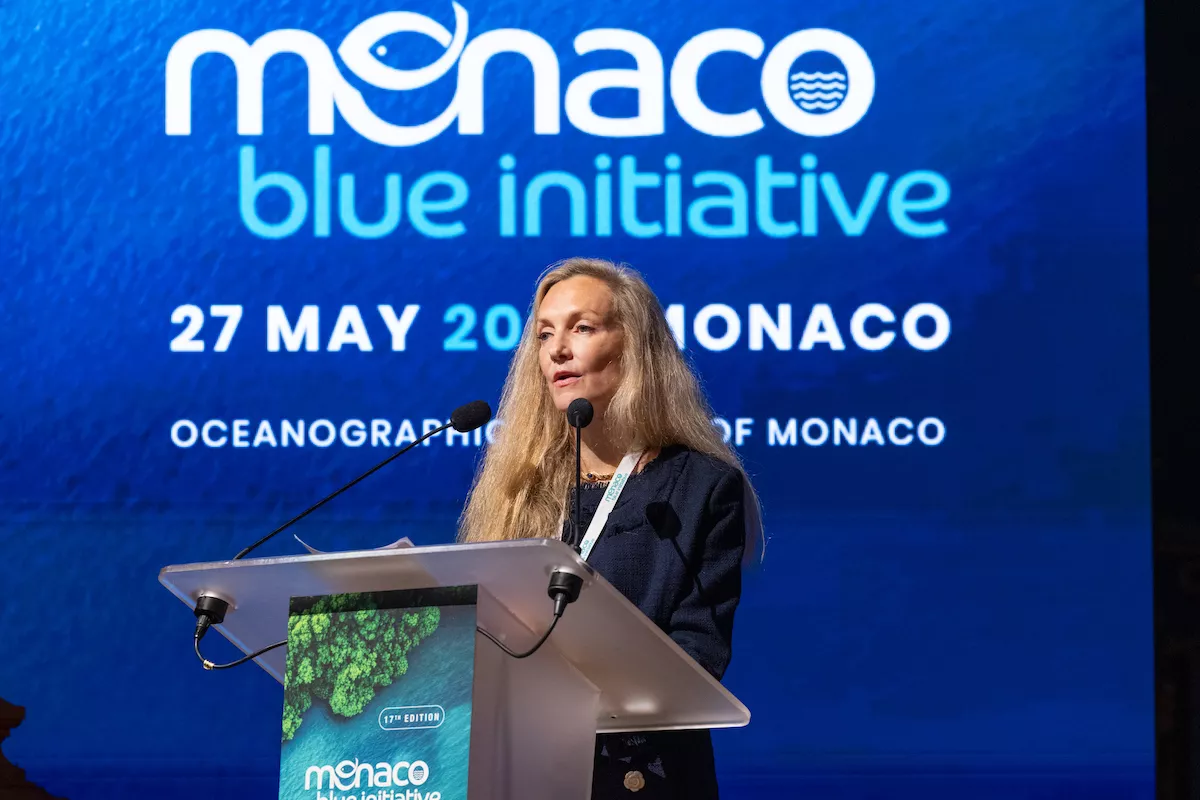
A central focus of the summit was the historic WTO Agreement on Fisheries Subsidies, achieved three years ago. While 120 WTO members have formally deposited their instruments of acceptance, delegates urged the remaining 46 nations to ratify it immediately. The urgency of a global consensus was made clear on stage, with Jennifer Nordquist, Deputy Director-General of the World Trade Organization, noting that “fish certainly don’t recognise borders, and harmful subsidies in one part of the world may affect ecosystems and communities elsewhere”. To turn this policy into action, the WTO Fish Fund has already approved 26 grants—including a major three-year oversight programme in Ghana—to assist developing and least-developed nations in dismantling illegal fishing structures.
However, the clock is ticking. Under the current treaty, negotiators face a strict termination mechanism where they must finalise “Fish 2″—which explicitly targets subsidies contributing to fleet overcapacity—within four years of the first treaty entering into force, meaning a hard deadline of September 2029. “Here’s the thing,” warned Nordquist on stage, “if the second part of the treaty isn’t finalised, the first part may disappear. So, there is pressure to keep working.”
National sovereignty: Case studies from Albania and Gabon
Sovereign delegates reinforced these roundtable findings, proving that modern ocean governance is fundamentally a strategy of national security and economic resilience rather than a secondary conservation hobby.
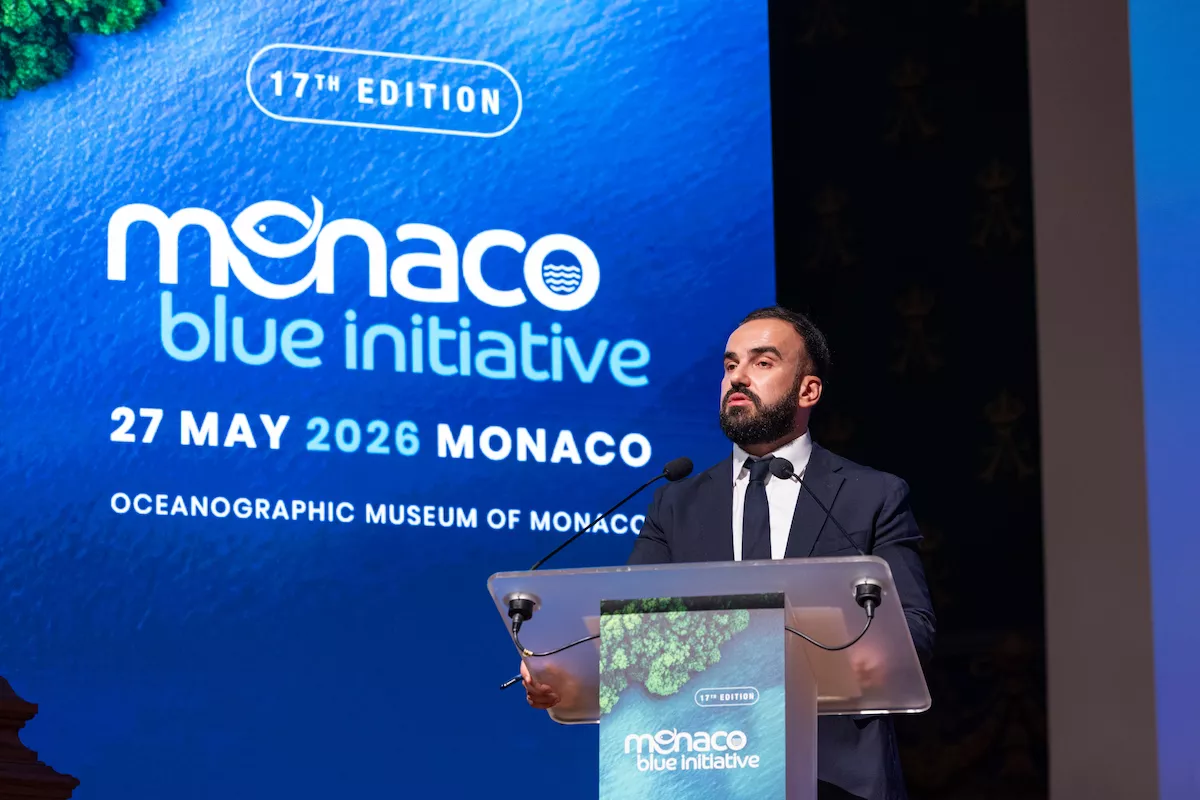
Albania shared its landmark legislative reform as an EU candidate country, revealing it has expanded its protected area system to encompass 22% of its entire territory across land, coasts, and marine ecosystems—the highest percentage in the Western Balkans. By legally declaring the 480-kilometre Vjosa River as Europe’s first Wild River National Park, Albania has proven that economic growth and nature protection can coexist. To scale this regionally, Albania recently launched the United by Climate platform. As Sofjan Jaupaj, Albania’s Minister of Environment, stated: “Our goal was simple: to create a common regional voice for environmental finance, to connect projects with financing, and to ensure that the Western Balkans are not left behind the global green transition.”
Similarly, Gabon, boasting nearly 800 kilometres of active coastline in the Gulf of Guinea, presented its blueprint for a sustainable blue economy. Acknowledging that access to capital remains the single greatest bottleneck for large-scale development, Gabon has enacted rigorous national legislation to expand Marine Protected Areas (MPAs) and reinforce maritime surveillance against illegal industrial trawlers. Mirroring the global panel calls, Gabon is empowering local coastal communities by partnering with NGOs to fund alternative, sustainable fish farming and aquaculture setups to build economic resilience. “For Gabon, protecting the ocean is not simply an environmental choice,” affirmed Aimé Martial Massamba, Gabon’s Minister of Sea, Fisheries, and the Blue Economy, “it is a strategic choice of peace, sovereignty, resilience, and shared prosperity.”
The closed-door breakthroughs: Dismantling isolated ocean governance
Beyond the main stage, the summit’s closed-door interactive workshops and roundtables delivered some of the day’s most vital breakthroughs, emphasising that a borderless ocean cannot be governed through isolated approaches.
A primary talking point from the workshops focused heavily on the implementation of the Biodiversity Beyond National Jurisdiction (BBNJ) treaty—widely known as the High Seas Treaty. Experts noted that a critical framing problem has historically plagued the treaty’s introduction. The BBNJ’s intention was never to undermine or weaken existing sector-specific international bodies like the Regional Fisheries Management Organizations (RFMOs), the International Maritime Organization (IMO), or the International Seabed Authority (ISA). Instead, it is designed to strengthen them, operating as a vital biodiversity and accountability anchor over global human activities to protect overarching ecological integrity.
Simultaneously, delegates exploring regional scalability examined the unique environmental and structural transitions within the Indian Ocean. The roundtable concluded that moving from regional protections to a global treaty requires a systemic assessment of the legal and geographical overlaps spanning national, regional, and multilateral frameworks. It also requires creating tangible socio-economic incentives to empower local coastal communities, directly linking their survival to high-seas conservation. Finally, panels urged the establishment of open, dynamic data-sharing and validation platforms between international scientific bodies, corporate actors, and financial institutions to make high-seas exploration both concrete and ambitious.
Stay updated with Monaco Life: sign up for our free newsletter, listen to our podcasts on Spotify, and follow us across Facebook, Instagram, LinkedIn, and Tik Tok.