

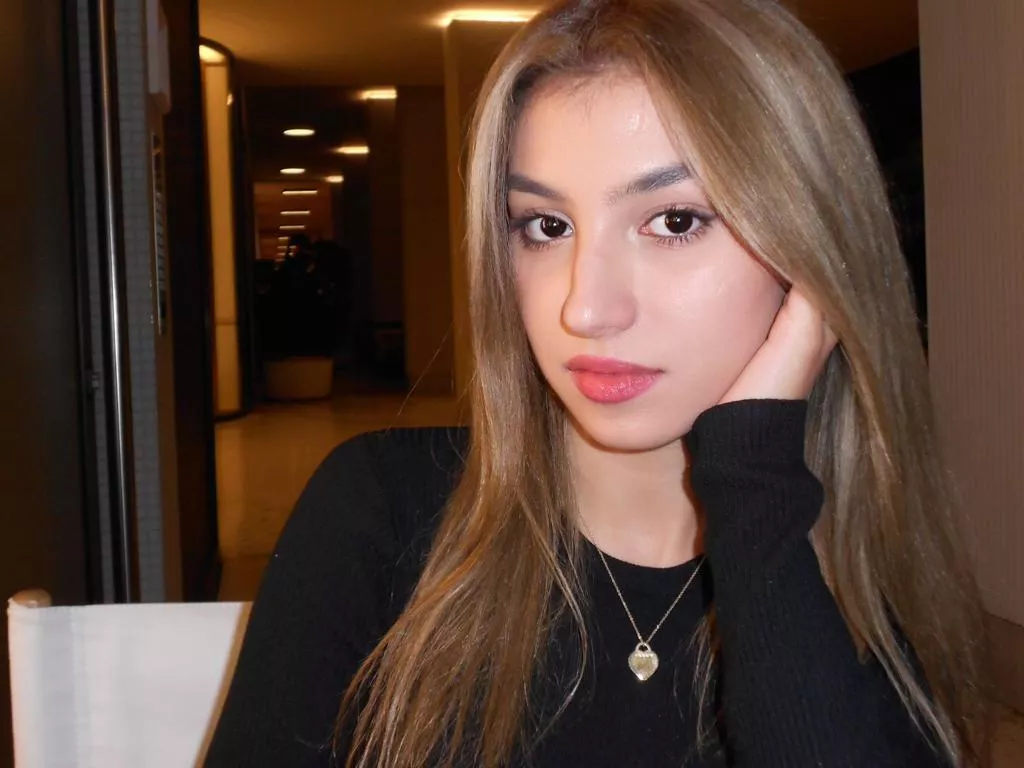
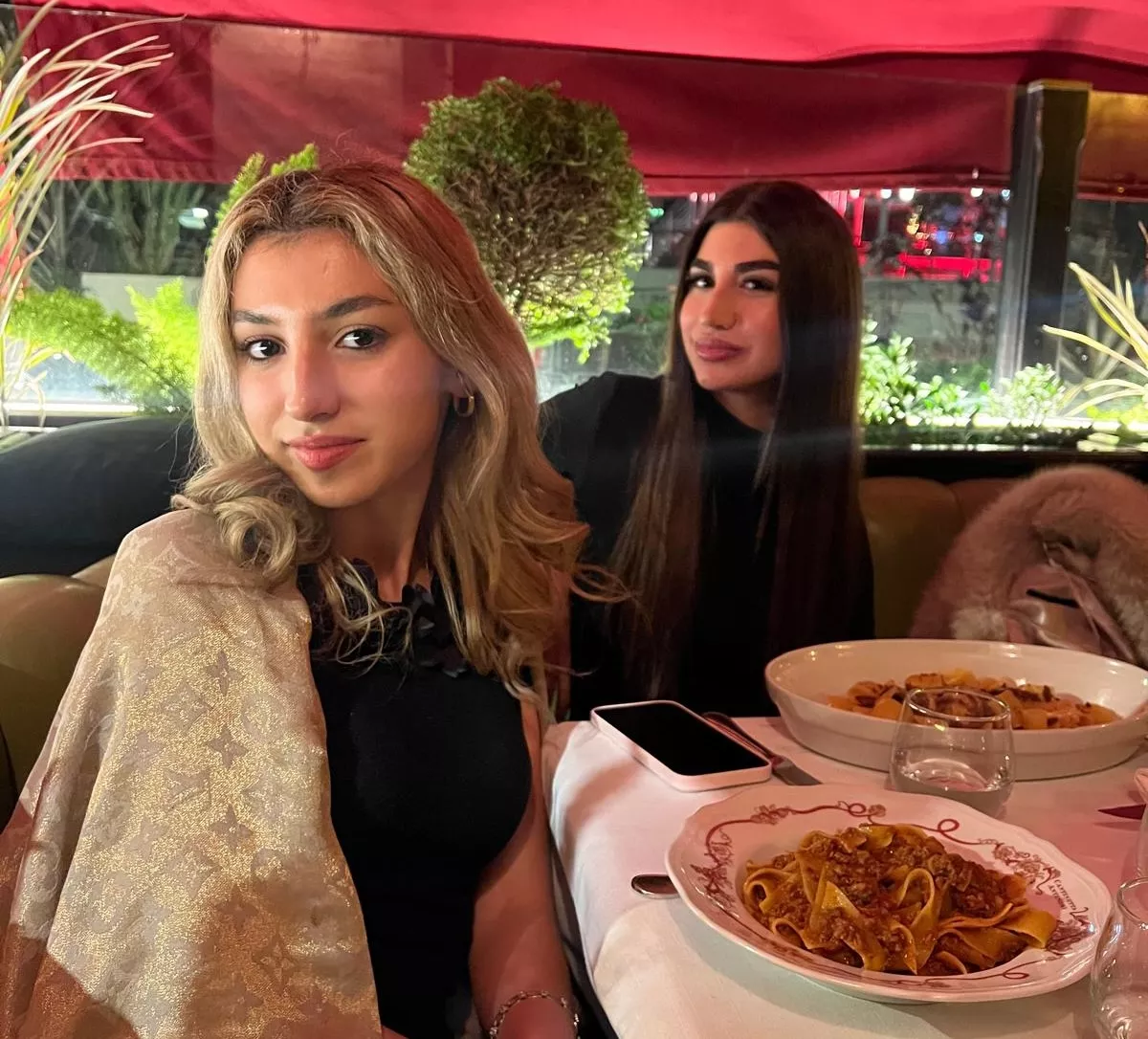
Three days before her 20th birthday, Dilara Akhundova’s life ended in a car crash in Monaco. But her voice, her art, and her message are now reaching audiences she never got to meet – thanks to artificial intelligence.
On 17th December 2023, Dilara sat in the front passenger seat of an Audi RS4 speeding through Monaco at 107 kilometres per hour. The driver, a 24-year-old man who recorded a blood-alcohol level almost four times over the legal limit, had disabled the front seatbelt. When the car struck a tunnel wall, Dilara and her friend Ayana, both 19, were killed. Two other passengers were seriously injured.
Two years later, Dilara appears on screen—speaking, singing, sharing the words she wrote but never got to finish. It’s both haunting and beautiful, a testament to what technology can do when grief meets determination.
A voice warning others
Gianni Angelini is a local filmmaker and computer specialist who has been working with AI for five years. He met Dilara’s family during their fight for justice in Monaco.
He suggested using AI to create testimony from Dilara that could be presented in the court case against her killer. While that was not legally possible, it did spark a different idea: a road safety awareness campaign where Dilara could speak directly to viewers, warning them about the consequences of drunk and reckless driving.
“When you almost lose everything, what you have left is faith and belief,” Gianni says. “For these parents, it’s a mission, a mission for her message to prevail and stop others from doing the same. That’s what led me to create this video.”
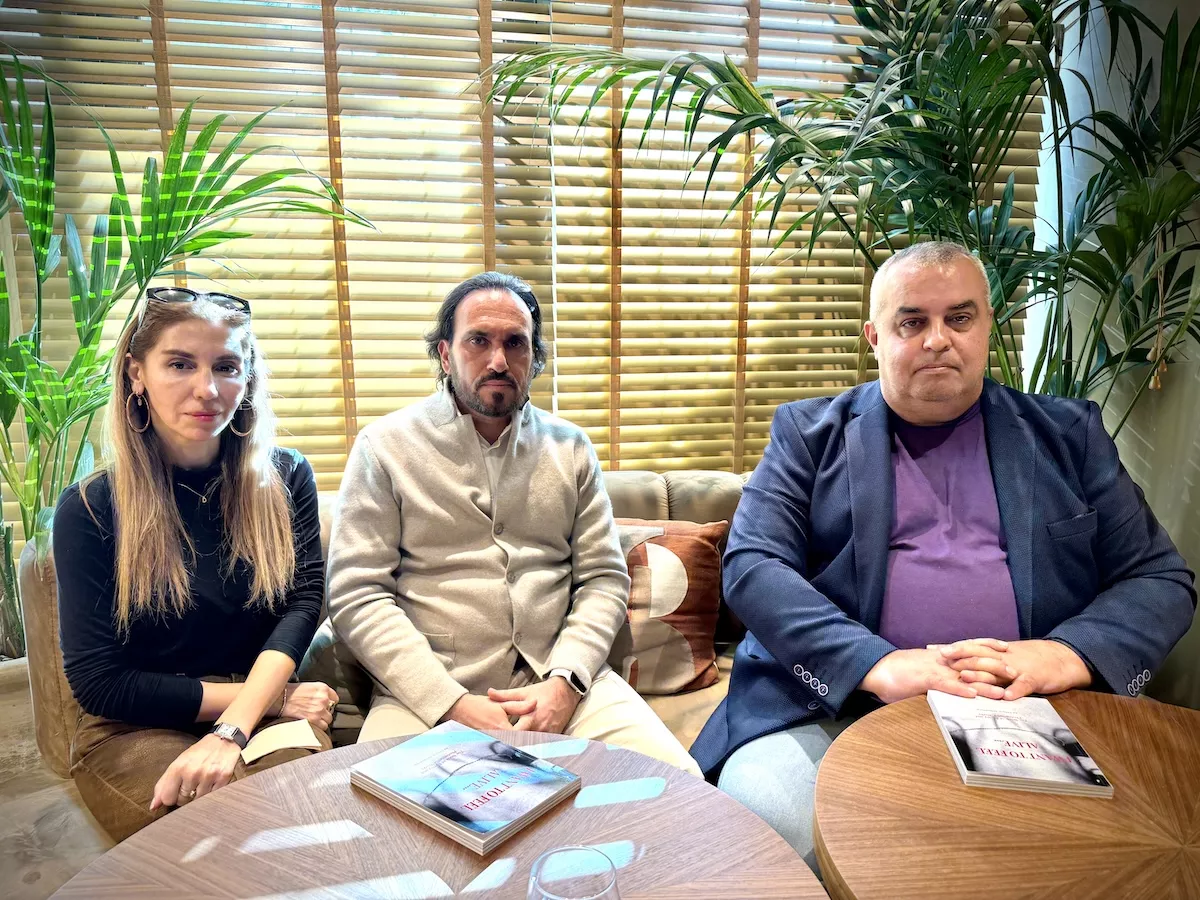
Using photos, videos, and Dilara’s own words, he created a powerful first-person perspective that puts viewers in the car with her that fateful night, hearing the warning she never got to deliver.
“When we started this campaign we were thinking about how to do it in the best way,” Vugar Akhundova, Dilara’s father, explains. “We thought that if we could talk to the people with the voice of Dilara and address the public, the community, with her voice, it would be much better than my own voice.”
The result stunned them. “I couldn’t even imagine the possibility of such a thing, but when we saw the clip we were surprised by the quality of performance and the idea itself.”
A discovery in the aftermath
Just two months before her death, Dilara had shared with her mother that she’d been writing poetry. “Most of them are kind of sad, but they don’t reflect my soul,” she told her. “I am not sad, I am a happy, joyful person.”
After the accident, her parents found the notebooks in Monaco. They were filled with poems. They also came across all of the photographs she’d developed in darkrooms, and the music compositions she’d never finished. She’d been creating prolifically during her time in Monaco — a place she’d fallen in love with at age 11 and called her “fairytale”.
To honour their daughter’s creativity and legacy, they took everything and turned it into a book.
“There were words in her poems ‘I want to feel alive’,” Vugar explains. “We decided to use this as the title of the book”.
Beyond the campaign: finishing what she started
When Dilara’s parents shared her book of poems, photographs, and music compositions with Gianni, he had another idea.
“In the beginning, I didn’t know that there were so many poems and so many photographs,” Gianni says. “For me this book is such a fantastic data asset. I want to bring her back, to be alive, and express and finish her melody, finish her compositions and finish her enthusiasms.”
He proposed creating a music video using Dilara’s own poem as lyrics, her own musical composition, illustrated with her photographs, and voiced by an AI recreation of her singing voice.
“Since I’m also interested in music and composition, and consider myself a creative person beyond just computers, I said, ‘OK, we have to train the AI on this book—the images, the poem, everything—and then create a video and the music.'”
The result is a haunting piece of art that showcases the depth of talent Dilara possessed — talent the world would never have known without this technological intervention. It is titled ‘I feel’.
“And we can do more,” says Gianni enthusiastically. “There are more compositions, more photographs, more poems — which are all beautiful.”
Who was Dilara?
To understand the significance of what’s been preserved, you need to know who Dilara was.
Born in Baku, Azerbaijan, on 23rd December 2003, Dilara was what her father describes as “an incredibly talented person, even since early childhood.” She read voraciously, from Tolstoy’s Anna Karenina to American literature. She studied piano professionally for seven years and earned certificates in chess. She spoke fluent English and collected 40 certificates and awards during her academic career.
At Akademia High School in Warsaw, one of Poland’s top schools, she specialised in photography. “She loved photography and studied it professionally — she would spend hours in the photo lab in the dark room, printing, developing, she knew all of the technical aspects.”
She had what her vocal coaches identified as a promising mezzo-soprano voice. Yet despite all this talent and sophistication, she remained, in her father’s words, “very childish”.
She loved Christmas because her birthday fell on 23rd December. “She believed in Santa until about 17 years of age, she wrote letters to send to Santa every year and asked me to post it, and would await gifts from Santa just like a child.”
She loved people from every background, every religion, every social group. “Nothing mattered to her, she only ever saw the heart in everyone,” her mother Nargiz recalls.
Monaco: her fairytale dream
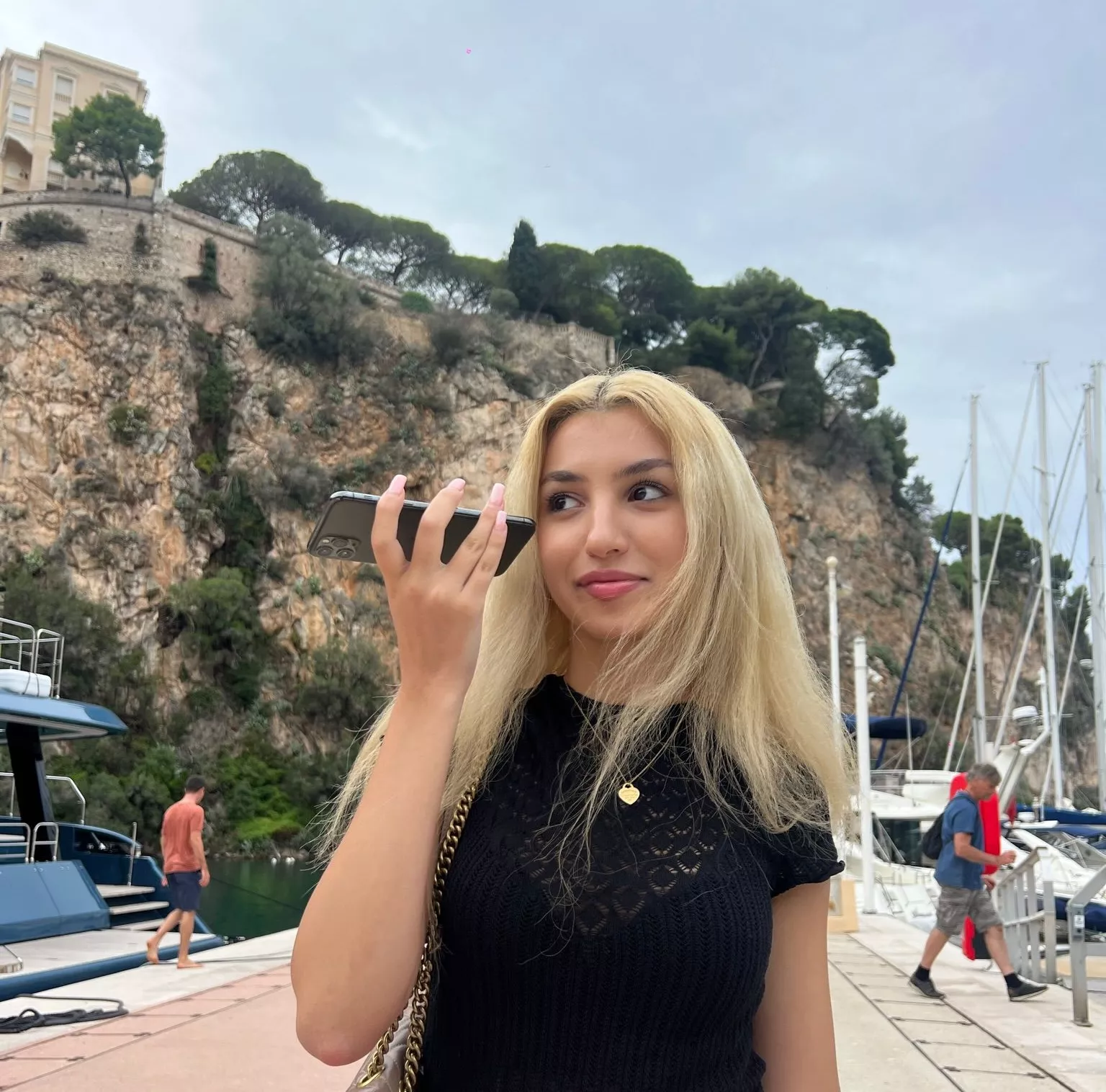
Dilara had dreamed of living in Monaco since she was 11-years-old. She considered it a fairytale land. She arrived at the International University of Monaco in September 2022 and was “full of excitement”, according to her mother.
“Sometimes I would ask Dilara — ‘how are you, how are you doing?’ And she answered ‘Mum I am so happy here. I have found myself in this country’. This was her attitude to Monaco. It was her conclusion,” her mother says. “I think it was mystical, because she always wanted to live here since her childhood, and she achieved her dream, nine years later. But unfortunately it was ended by this tragedy.”
A voice from beyond
The majority of Dilara’s poems were actually written in Monaco. One passage from her book reveals the philosophical depth of her thinking:
“Two trillion galaxies, billions of stars, eight planets in our solar system orbiting around a sublime sphere of hot plasma radiating energy in order to keep us breathing… Then I could not help but wonder, ‘Do we really live?’. We shall make use of the air our planet provides for us each day and start living to the fullest… Fall in love with life on an unfathomably profound level, open your eyelids at dawn with a euphoric feeling in your chest making your heart dance to the rhythm of its beat, sing at the top of your lungs, read literature, make music, draft poems in hope of one day making your life a memorable piece of art.”
Justice and legacy
In court, the driver — a 24-year-old Finnish national — was convicted of involuntary manslaughter and sentenced to five years in prison, close to the maximum six-year sentence possible in Monaco.
During the trial, Vugar spoke about his daughter’s talents and legacy. “I told the court that Dilara lived a very short life, but she left behind a legacy — it may not be a very big one, but a legacy.”
Now, watching the AI-generated videos of their daughter is an experience that brings both pain and pride.
“It is sad, and sometimes it makes us cry because we can see her, hear her voice. The images are very realistic, the voice is very realistic. But at the same time, we are proud that we had this kind of daughter. She didn’t leave us without a trace – she left something behind, and this video will help to preserve her legacy,” says Vugar.
“We intend to make more films like this, and perhaps combine them into one to present here in Monaco, and also in our country, so people will not forget — for as much as we can, for as long as we can.”
Keeping Dilara’s voice alive
Dilara wrote that she was “designated to make my life a memorable piece of art”. Through the intervention of technology and the dedication of those who loved her and believed in her talent, that’s exactly what her life has become — a piece of art that will outlive the tragically short time she spent on Earth.
Her voice, once silenced, now speaks to thousands. Her music, left unfinished, now plays. Her photographs, developed in darkrooms with meticulous care, now illustrate her own poetry set to her own melodies.
Dilara Akhundova wanted to feel alive. Thanks to AI, in a way she never could have imagined, she still is.
See also:
Parents of Monaco crash victim: “Justice has been served, but our mission continues”
Stay updated with Monaco Life: sign up for our free newsletter, catch our podcast on Spotify, and follow us across Facebook, Instagram, LinkedIn, and Tik Tok.
Main photo of Dilara Akhundova provided