

A cruise ship diverted to Cape Verde, three deaths, and patients being airlifted to the Netherlands — the outbreak aboard the MV Hondius has put hantavirus in international headlines. But what exactly is it, and how concerned should the public be?
Hantavirus is a group of viruses found in rodents — mice and rats being the most common carriers — and transmitted to humans primarily through the inhalation of microscopic particles from dried droppings, urine or saliva. The risk rises significantly when those materials are disturbed and become airborne, such as during cleaning, construction work or contact with infested spaces. Direct contact with infected animals can also transmit the virus, though this is less common.
Crucially, human-to-human transmission is very rare and, where it has occurred, has required prolonged and very close contact. This is why the World Health Organisation has assessed the overall public health risk from the Hondius outbreak as low for the general population.
What it does to the body
Initial symptoms resemble a severe flu: fever, headache, muscle aches, dizziness, chills and gastrointestinal disorders. In serious cases, the virus progresses to hantavirus pulmonary syndrome — a rapid deterioration involving severe respiratory distress, pneumonia, acute respiratory distress syndrome and potentially fatal shock. This progression can occur quickly, which is what makes the disease particularly dangerous once it takes hold.
The incubation period typically runs between two and four weeks after exposure, though it can range from one week to eight weeks — a window that makes tracing the source of an outbreak genuinely difficult.
No specific treatment
There is no approved antiviral treatment for hantavirus. Clinical care focuses on managing symptoms and supporting respiratory function, often in intensive care settings. Different variants of the virus exist, with the American strain — responsible for outbreaks in North and South America — considered the most severe. The MV Hondius departed from Argentina, which has raised questions about where and how passengers may have been exposed during the voyage.
The Hondius outbreak
As of 6th May, the WHO had confirmed eight cases among passengers, including three deaths and one critically ill patient. The first symptoms appeared between 6th and 28th April, with some patients deteriorating rapidly. Three patients, including the ship’s doctor, have been evacuated by medical aircraft to the Netherlands. The remaining asymptomatic passengers are expected to disembark in Tenerife, where they will undergo health screening under a protocol developed jointly by the WHO and the European Centre for Disease Prevention and Control, before being repatriated to their home countries.
Separately, the WHO is tracing more than 80 passengers from a flight to Johannesburg that carried a Dutch woman who subsequently died from hantavirus after being evacuated from the island of St Helena — a reminder that the incubation period means cases can surface weeks after initial exposure.
Stay updated with Monaco Life: sign up for our free newsletter, catch our podcast on Spotify, and follow us across Facebook, Instagram, LinkedIn, and Tik Tok.
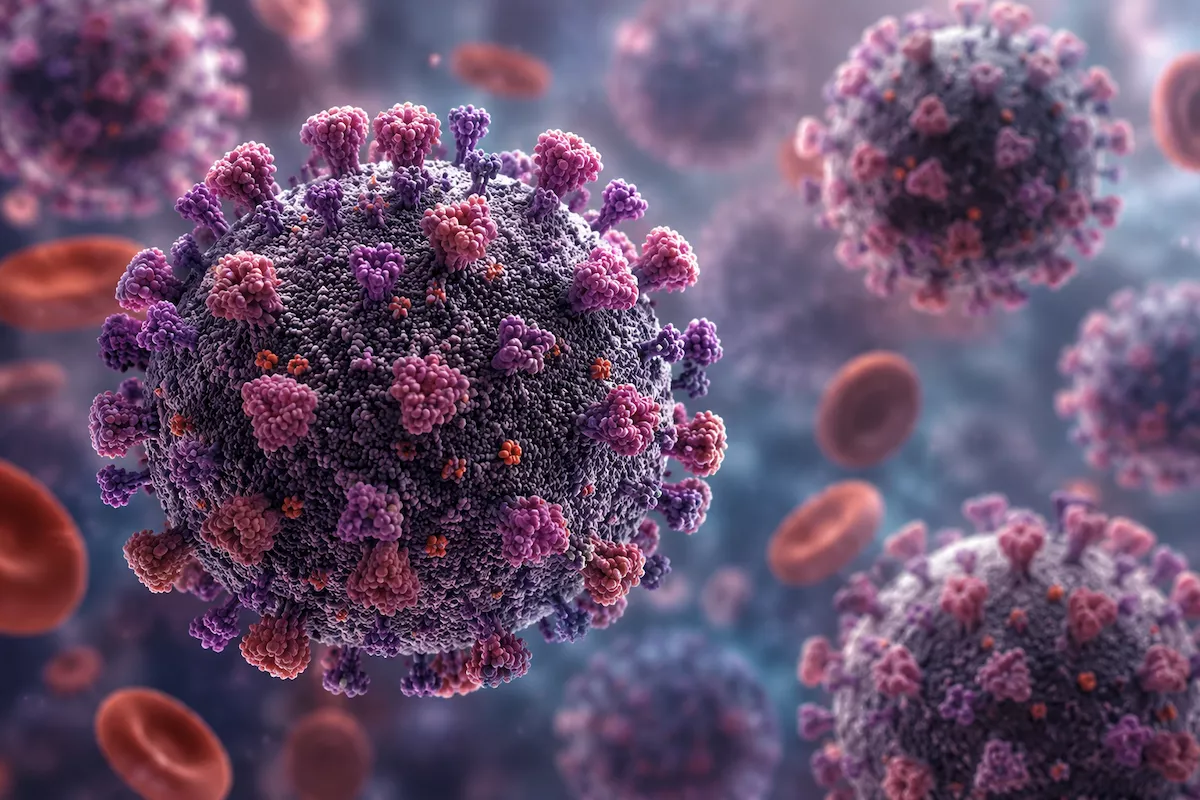
AI generated image