

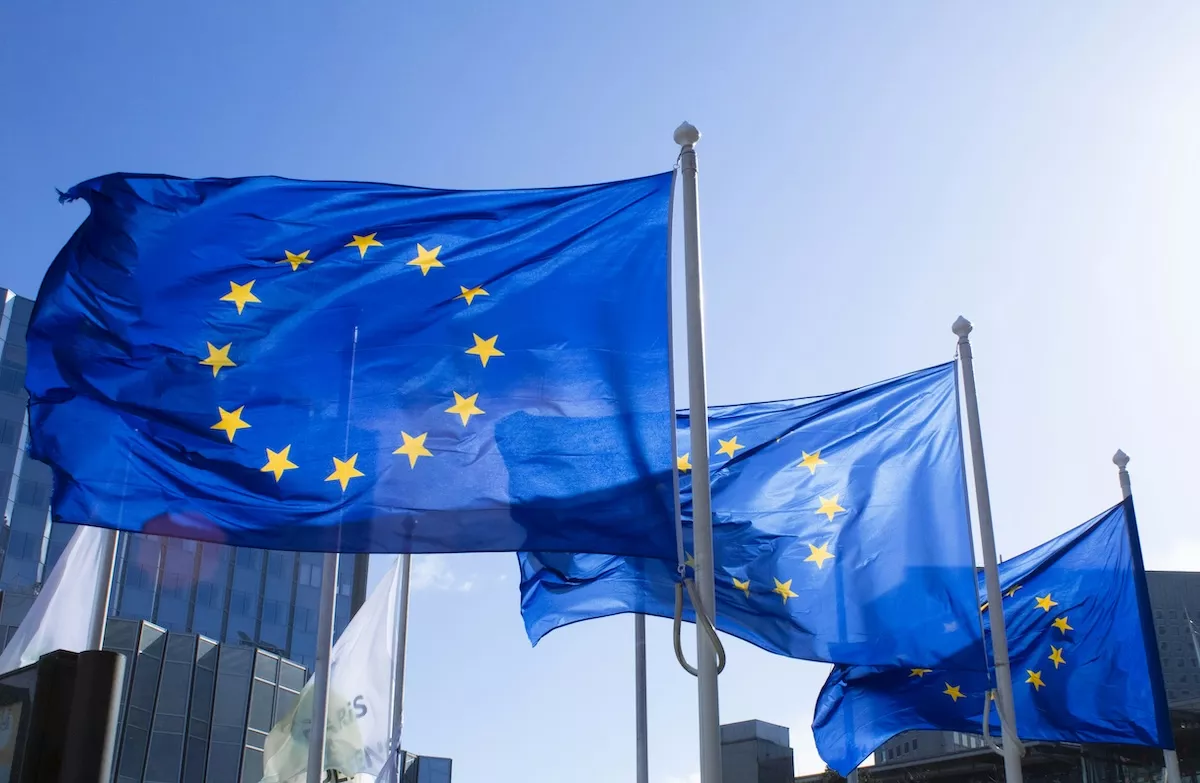
The European Union is facing calls to deploy a powerful but untested trade tool following US President Donald Trump’s threat to impose tariffs of up to 25% on multiple European nations over Greenland.
French President Emmanuel Macron raised the prospect of activating the EU’s anti-coercion instrument on Sunday, a measure adopted in 2023 but never used, after Trump stunned Europe with demands that Denmark cede its Arctic territory to the United States.
The instrument, described by some as a “bazooka” or “nuclear option”, is designed to respond when countries use trade weapons to pressure EU member states.
Trump’s unprecedented threats
Trump announced on Saturday he would impose levies on EU members Denmark, Finland, France, Germany, the Netherlands and Sweden, as well as non-members Britain and Norway, unless Greenland is handed over to the US.
The threat has prompted unprecedented calls for the EU to activate its most aggressive trade defence mechanism.
Valerie Hayer, leader of the liberal Renew group in the European Parliament, also called for the weapon to be deployed, describing it as “our economic nuclear weapon”.
What is the anti-coercion instrument?
The tool is intended to deter economic coercion against any of the EU’s 27 member states.
The EU defines coercion as a third country “applying or threatening to apply measures affecting trade or investment”, thereby interfering “with the legitimate sovereign choices” of the EU and member states.
The instrument allows Brussels to impose import and export restrictions on goods and services in its single market of 450 million people, and to limit access to public procurement contracts in Europe.
A major target could be American tech giants, since the US has a services surplus with the EU. Brussels previously drew up a list of US services to potentially target.
The instrument was created after Lithuania accused China of banning its exports because Vilnius allowed a Taiwanese diplomatic representation to open on its soil in 2021.
How does it work?
Both the European Commission and member states can seek activation, but it requires approval from at least 55% of member countries representing 65% of the bloc’s population.
However, even if activated, the process could take months before any measures take effect.
The commission would have four months to investigate the accused country’s trade policies, followed by eight to 10 weeks for member states to back any proposed action.
Only then would the commission have a green light to prepare measures, to take effect within six months, though the EU says this timeframe is indicative.
A powerful signal
Despite the lengthy timeline, triggering an investigation would send a strong message that Brussels is willing to confront its important ally.
“The United States is making a miscalculation that is not only dangerous but could be painful,” Hayer said in a statement.
The EU last year threatened to use the weapon during difficult trade negotiations with Trump to avoid steep levies, but the two sides ultimately struck a deal.
EU leaders will meet Thursday evening for an emergency summit.
Stay updated with Monaco Life: sign up for our free newsletter, catch our podcast on Spotify, and follow us across Facebook, Instagram, LinkedIn, and Tik Tok.
Photo credit: Alexandre Lallemande, Unsplash