

Monaco’s 2025 population census, published Wednesday by IMSEE, includes a detailed breakdown of the Principality’s 22,577 housing units — and the distribution of state-owned properties tells a revealing story about where Monaco’s public housing stock is concentrated and where it is almost entirely absent.
Across the Principality as a whole, 19.4% of all housing units — 4,380 homes — belong to the state. The remaining 80.6%, some 18,197 units, are in private hands. But those proportions vary enormously from one district to another.
Fontvieille leads, Monte-Carlo has almost none
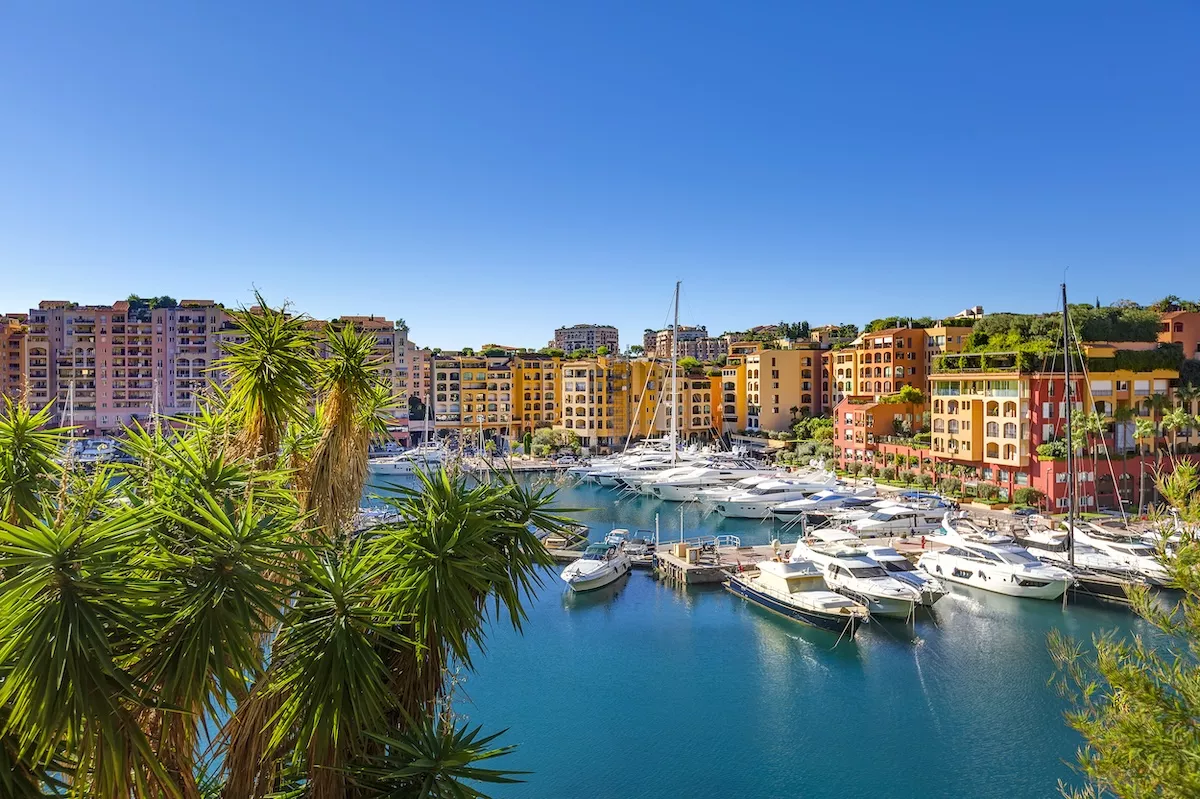
Fontvieille has the highest share of state-owned housing of any district in Monaco, with 37.9% of its 2,280 units belonging to the state — 866 homes in total. It is a figure that reflects the district’s origins as Monaco’s industrial and working quarter, where affordable housing was built alongside the factories and workshops that shaped the area’s character.
Jardin Exotique comes second, with 29.3% state-owned housing — the highest absolute number of state units in any single district at 937 homes out of 2,852. La Condamine (29.1%) and Les Moneghetti (27.2%) also have roughly three in ten homes in state hands, reflecting their role as historically residential districts serving Monaco’s working population.
La Rousse sits in the middle ground, with 18.7% state-owned housing — 906 units out of 4,885.
Monte-Carlo and Larvotto: almost entirely private
At the other end of the spectrum, Monte-Carlo — Monaco’s most prestigious address and the district with the highest number of housing units overall at 5,365 — has a state-owned housing share of just 2.9%, or 172 units. It is the lowest proportion of any district after Larvotto, which has only 16 state-owned units out of 1,391 — a share of 1.1%.
Monaco-Ville, the historic old town perched on the Rock, sits at 6.9%, with 42 state-owned units among its 615 total dwellings.
The housing picture overall
The 2025 census recorded a 1.8% increase in total housing units year on year, with the sharpest growth in Les Moneghetti (+6%), Jardin Exotique (+5.3%) and La Condamine (+4%). Monte-Carlo was the only district to record a decrease in total units, falling 1.3% from 5,434 to 5,365.
The concentration of state housing in Fontvieille, Jardin Exotique, La Condamine and Les Moneghetti reflects decades of deliberate policy aimed at maintaining an affordable residential offer for Monegasque nationals and long-term residents — a policy that remains central to the National Housing Plan announced by Prince Albert II in 2019, and which the National Council has been pressing the government to update beyond 2028.
The full 2025 Population Census report is available at imsee.mc.
Stay updated with Monaco Life: sign up for our free newsletter, catch our podcast on Spotify, and follow us across Facebook, Instagram, LinkedIn, and Tik Tok.
Photo credit: Benjamin Vergely, Monaco Tourism Department