

France has published new guidance on teaching children about consent, an education necessary to protect young children and shape tomorrow’s society.
Delphine Saulière, editorial director at Bayard Jeunesse and co-author of a book on preventing sexual violence against children, explains that consent education should begin in early childhood, even though children rarely understand the term itself.
According to the guidance, consent involves giving permission for things that affect you. While adults must make certain decisions for children, respecting a child’s input means explaining what will happen and why.
The key is informing children about decisions affecting them, listening to their concerns, and helping them feel involved in their own lives.
Everyday consent lessons
Parents can teach consent through daily situations. For instance, they might explain that children needn’t accept unwanted kisses from people they barely know, and mustn’t force kisses on others either. Similarly, siblings can learn to respect each other’s privacy during bath time, asking permission before entering the bathroom when someone is washing. Parents might also discuss playground dynamics, such as when certain groups occupy play spaces and exclude others.
These ordinary moments help children recognise what feels right and wrong, and push them to speak up.
This consent education creates a culture of mutual respect. Children learn they have rights over their own bodies, and thus must respect others’ boundaries too.
The approach covers all forms of mistreatment, not just sexual violence. Children should know they can refuse being pushed around at school or excluded from games.
Practical advice for parents
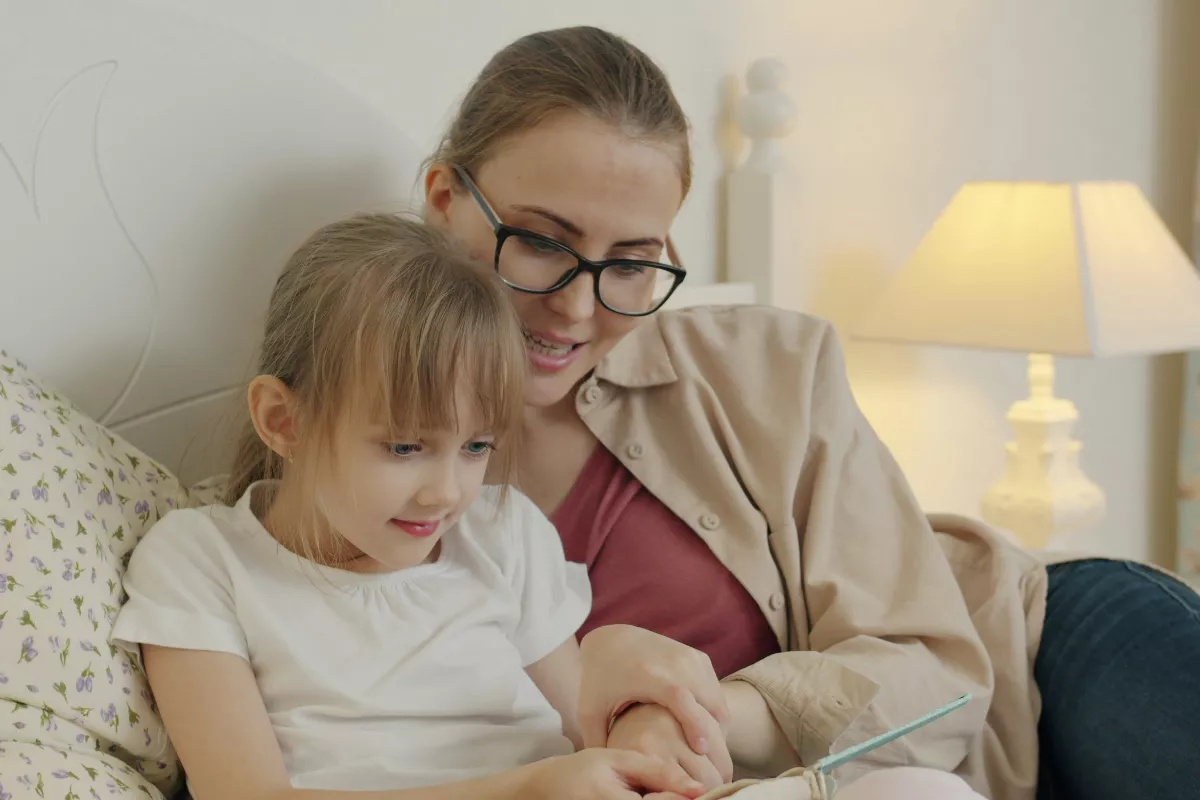
Experts recommend creating regular dialogue opportunities, perhaps during shared reading time, when conversations can flow naturally. Meanwhile, parents might use age-appropriate books to introduce difficult topics without making children feel ambushed. Another recommendation is taking advantage of natural moments, for example school registration or joining sports clubs provides opportunities to discuss what children might experience in these new environments.
The guidance also suggests helping children identify trusted adults they can turn to, whether that’s a teacher, a friend’s parent, or a school counsellor. Additionally, when problems arise, children should be encouraged to act with friends rather than alone, turning the power of a group dynamics into something positive.
Lastly, it also reminds parent that children cannot invent detailed descriptions of abuse. If a child reports something troubling, there’s truth in what they’re saying.
However, the French guidance also reminds parents that they aren’t alone. As an old saying explains, it takes a village to raise a child. Teachers, coaches, librarians, and parents must all play their part in helping young children grow up understanding respect and boundaries.
Stay updated with Monaco Life: sign up for our free newsletter, catch our podcast on Spotify, and follow us across Facebook, Instagram, LinkedIn, and Tik Tok.
Main photo credit: Vitaly Gariev, Unsplash