

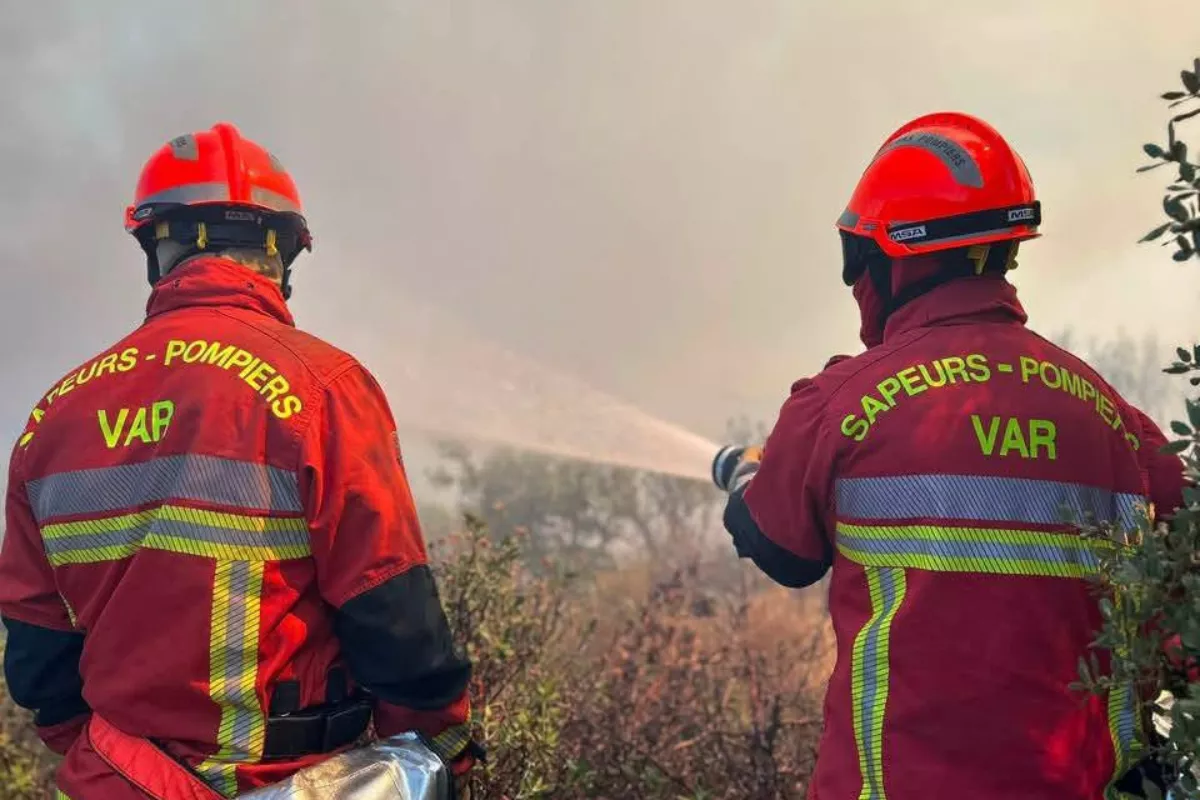
As temperatures climb toward 37°C and 1,500 firefighters battle persistent blazes in the neighbouring Var department, authorities are enforcing strict restrictions across the region.
Both the Alpes-Maritimes and neighbouring Var departments face a challenging Monday under a strict orange heatwave alert, with extreme heat, strong winds, and an exceptionally high risk of wildfires keeping emergency services on maximum alert.
Blazes and extreme weather stretch emergency services
Temperatures are climbing toward 37°C inland and hovering between 30°C and 35°C along the coast this week. Adding to the dangerous weather conditions, Météo-France has issued a yellow thunderstorm warning for parts of the Alpes-Maritimes hinterland—including Saint-Étienne-de-Tinée and Tende—running from midday until 8pm.
Just to the west, the Var department faces another tough day on the fire lines. Firefighters are closely monitoring the massive Gros Bessillon wildfire, which has scorched roughly 1,800 hectares of vegetation during its recent intense flare-up. Although overnight cooling helped 1,500 personnel stabilise the perimeter and dampen persistent hot spots, the fire remains contained rather than fully fixed.
A sudden flare-up south of Correns was swiftly met by ground crews and water-bombing aircraft early this morning, forcing precautionary evacuations. Erratic wind gusts reaching up to 45 km/h continue to threaten fresh outbreaks across the parched landscape. Because of the severe fire danger, access to several major forest massifs in the Var—including the Sainte-Baume, Maures, Estérel, Haut-Var, and the Hyères Islands—remains strictly banned, alongside local restrictions on carrying fuel and gas lighters.
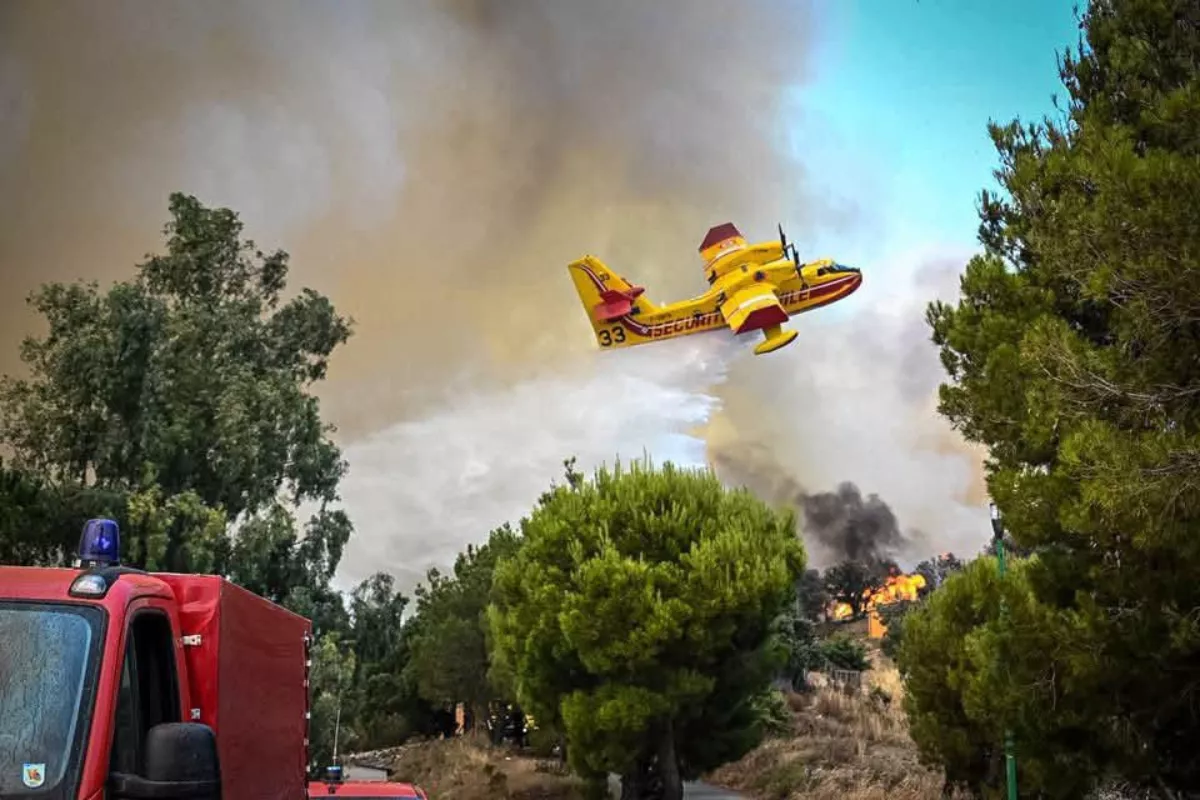
In the neighbouring Alpes-Maritimes, the prefecture has placed the Estérel-Tanneron massif under red alert for a ‘very severe’ wildfire risk. Consequently, all access, circulation, and work are formally prohibited in this zone, while the rest of the department remains at a low-to-moderate risk level. Authorities remind the public that prevention is vital: never light fires near wooded areas, do not throw cigarette butts from vehicles, and immediately report any smoke or flames by calling 18 or 112 with a precise location.
Wildlife caught on the frontline
Beyond the immediate danger to homes and infrastructure, environmental groups have raised urgent alarms over the heavy toll the disaster is taking on local animals.
The Provence-Alpes-Côte d’Azur branch of the League for the Protection of Birds warns that slow-moving species—such as reptiles, amphibians, insects, and nestlings—are exceptionally vulnerable to the rapid advance of the flames. Animals that manage to survive the fires face a desperate struggle due to lost habitats and a severe lack of food and water, with regional rescue centres reporting an influx of creatures suffering from exhaustion, severe dehydration, and burns.
Conservation experts advise the public to follow simple safety guidelines: never enter burnt or dangerous zones to search for animals, and place any distressed wildlife found outside danger zones gently into a ventilated cardboard box without extra handling. Rescuers stress that people should never try to force-feed or give water to an injured animal before calling a professional wildlife rescue centre for instructions. To help local fauna cope with the intense heat stress, residents are encouraged to place clean, shallow containers of water in shaded areas outside.
Stay updated with Monaco Life: sign up for our free newsletter, listen to our podcasts on Spotify, and follow us across Facebook, Instagram, LinkedIn, and Tik Tok.
Photo credit: Union Régionale Sapeurs Pompiers Sud Méditerranée