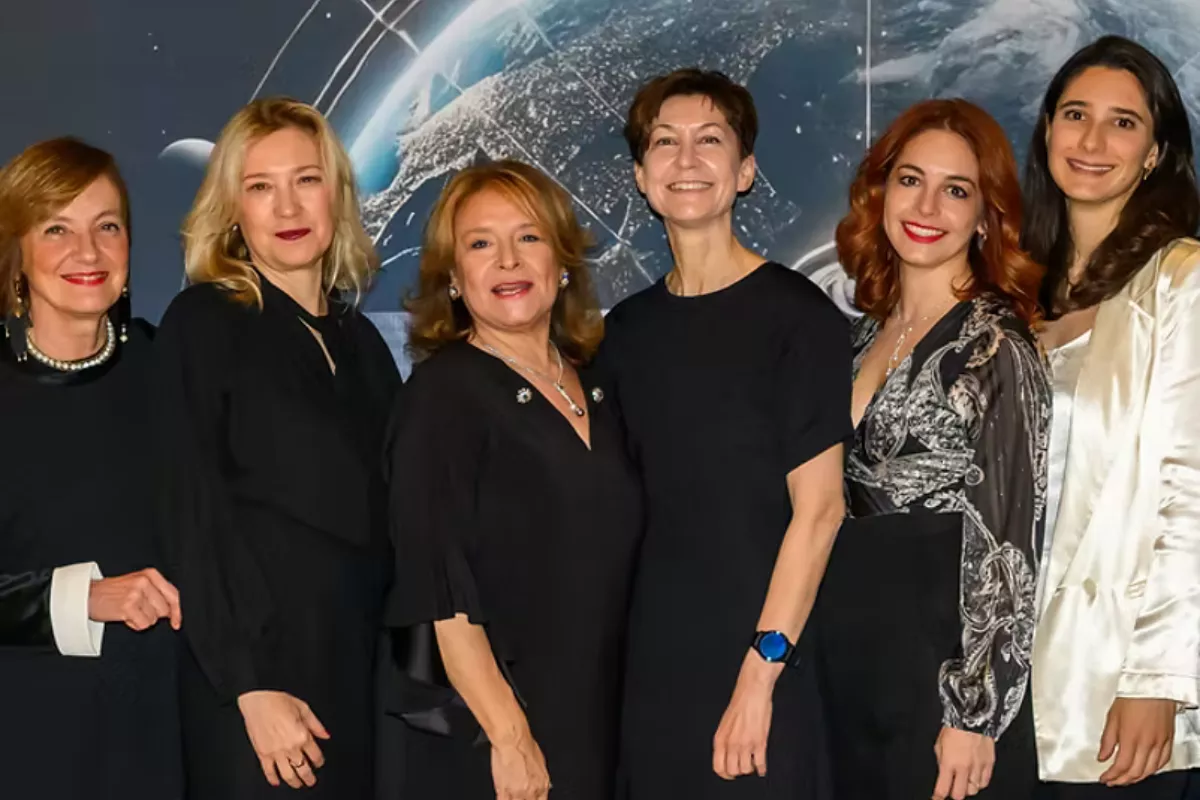
The Monaco Women Forum is set to return on 20th March at the Méridien Beach Plaza, bringing together figures from science, finance, defence and international institutions for a day of high-level discussions on some of the most defining issues of our time.
The latest edition of the forum focuses around the theme of “Innovation, Leadership, and Global Impact”, with a programme structured around four sessions: finance, space, health and longevity.
The day starts at 11am with a finance panel looking at digital assets and global investment strategy.
Then, the space panel scheduled for 2pm is set to draw the most attention. Titled ‘The New Strategic Frontier’, it will feature Aarti Holla-Maini, Director of the United Nations Office for Outer Space Affairs (UNOOSA), alongside Luca V. M. Salamone, Director General of the Italian Space Agency, Domitilla Benigni, CEO of ELT Group and Rosanna Hoffmann, Lead for Space Law and Policy at UNOOSA.
The session will examine how geopolitics, international law and emerging technologies are reshaping the future of space, both as a field of exploration and as a matter of national security.
Following, the afternoon sessions, at 3pm and 4pm will turn to medicine and longevity, covering precision therapies, MedTech and the science of healthy ageing.
The forum places women leaders at the centre of these conversations at a time when such voices remain underrepresented in many of the sectors on the agenda.
The event will conclude with a networking cocktail at 5pm.
There are restaurants in Monaco that come and go with the seasons — new concepts, bold rebrands, names that generate queues for a month before quietly fading into the Principality’s relentless churn of reinvention. And then there is Rampoldi.
Tucked into the Carré d’Or at 3 Avenue des Spélugues, a short walk from Casino Square and the Hôtel de Paris, Rampoldi has been feeding Monaco’s elite since 1946. It has outlasted trends, recessions, pandemics, and the kind of seismic social changes that have transformed Monte-Carlo from a post-war playground for the discreet super-rich into the global spectacle it is today. This year, it turns 80 — and by any measure, that is worth talking about.
Princess Grace is said to have been a regular. Sir Roger Moore reportedly dined here during his Monaco years. Prince Albert II and his circle have continued the tradition in more recent decades. The walls, deliberately bare of photographs and memorabilia, keep their secrets well.
A new chapter, the same name
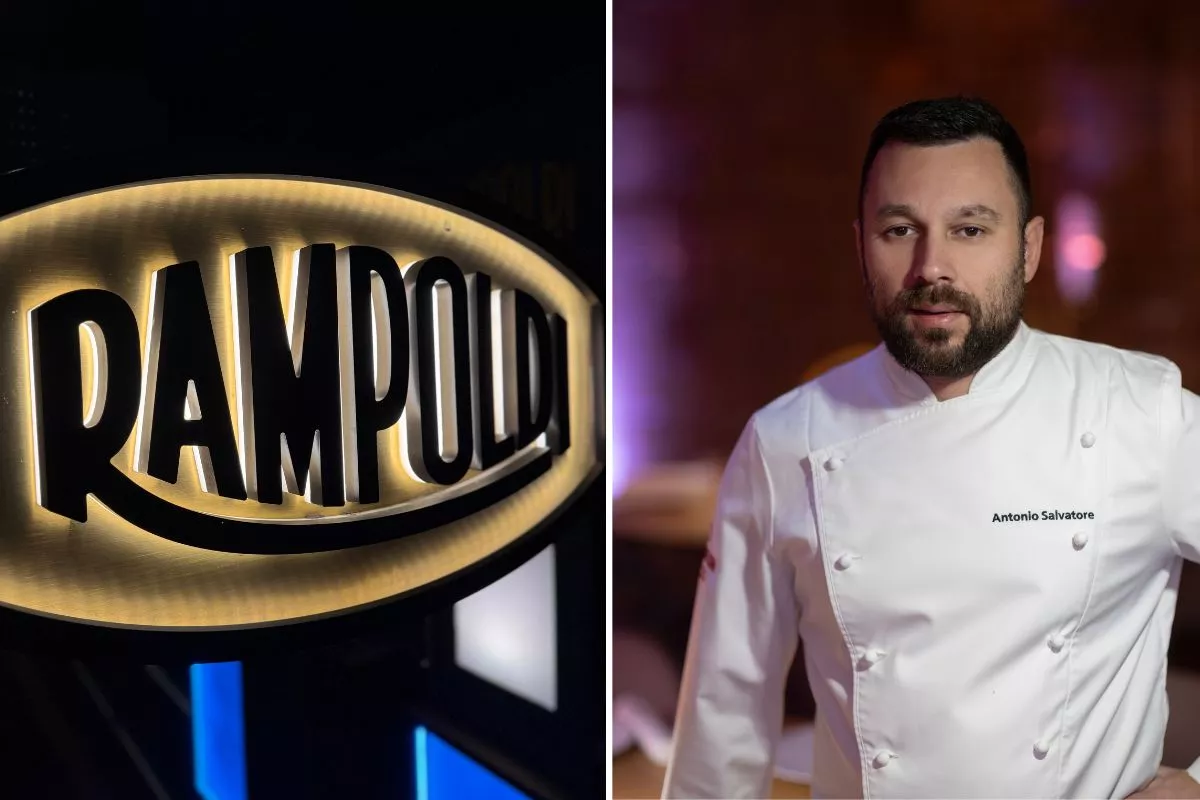
When Antonio Salvatore took over Rampoldi in 2016, he faced a challenge that would give most chefs pause. The restaurant already had a name — a real one, weighted with almost half a century of history and expectation. In Monaco, where restaurants typically reinvent themselves every three to five years just to stay relevant, longevity of this kind is both an asset and a burden.
“Any chef with ambition wants to have their name known, to imprint their personality into the identify of a restaurant. So it was a challenge taking over Rampoldi, because the restaurant already had a strong name.”
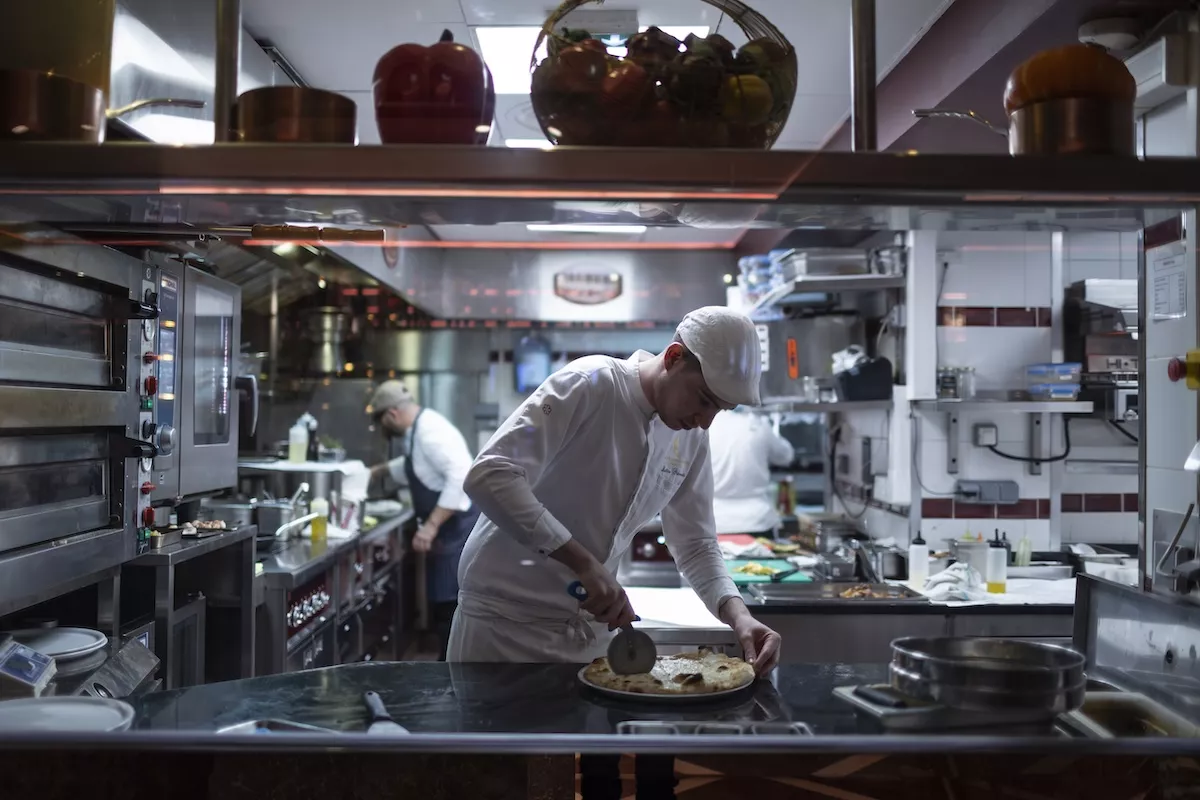
Salvatore — a Michelin star chef originally from southern Italy, who now heads five restaurants across Monaco and New York through his MC Hospitality Group — chose not to fight the name but to inhabit it on his own terms. The restaurant was closed for two years for a full restoration, reopening with the same discretion, the same elegant atmosphere, and a kitchen that quietly elevated everything without making a noise about it.
“I wanted to make something like me – with the name Rampoldi, but with my style, my identity,” reveals the chef. “My team helped me to build this, my guests helped me to build this. It is not because Rampoldi has been around for 80 years that is inevitably successful; it is how you continue the name; it is the relationships you build.”
Photo credit: Cassandra Tanti, Monaco Life
The secret is not what you think
Ask Antonio Salvatore what has kept Rampoldi alive for eight decades and he does not reach for mythology.
“The secret to success, for me, is to understand guests and the city in which we are located; to use quality products and work with the seasons; and to always be innovative in our approach. Even though we are a classic restaurant, we still need to be fresh and regularly offer something different, in order to be appreciated by our guests.
“And be humble. Remember, nothing is eternal.”
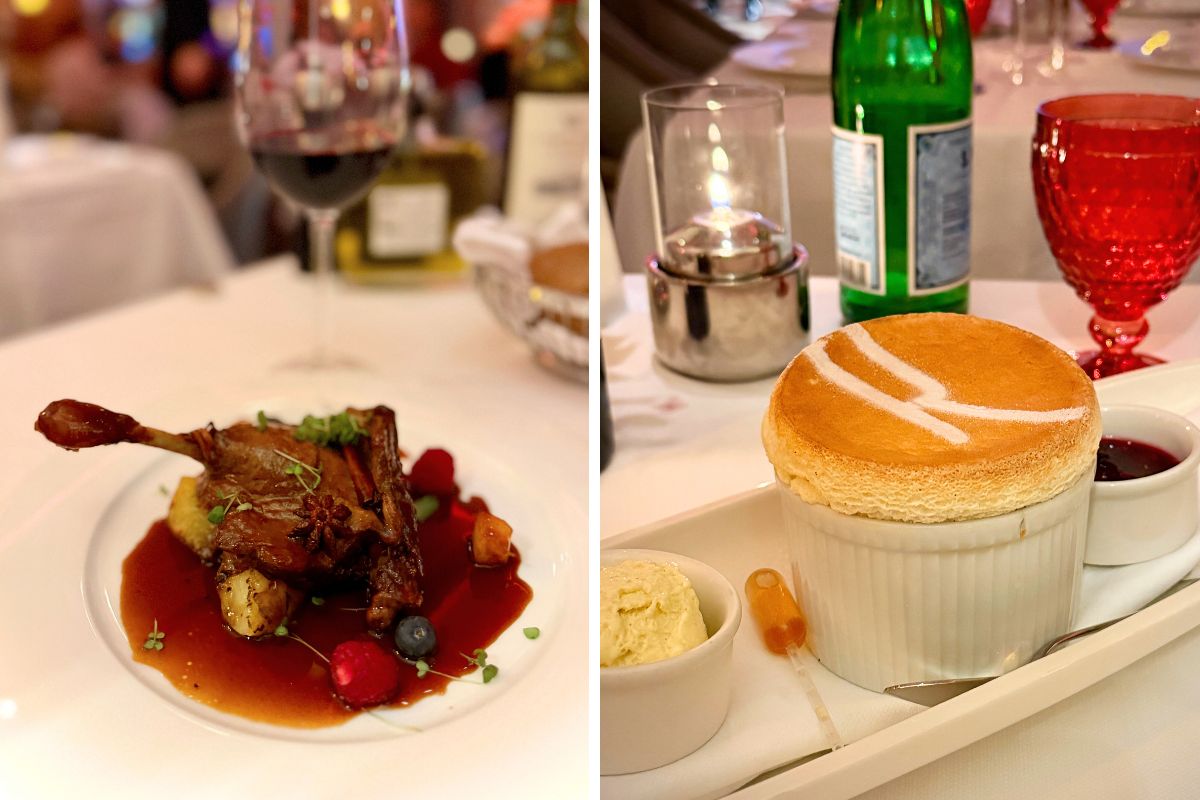
That philosophy extends to the kitchen itself, where simplicity is treated not as a limitation but as a discipline. “It is possible to do gastronomy with one tomato and one mozzarella — but it is important you choose the right product,” Salvatore says. The menu follows the seasons, drawing on Mediterranean and Italian tradition with French influence, with signature dishes ranging from vitello tonnato and octopus carpaccio to handmade pastas and salt-crusted fish. The slow-cooked beef cheek is still to die for.
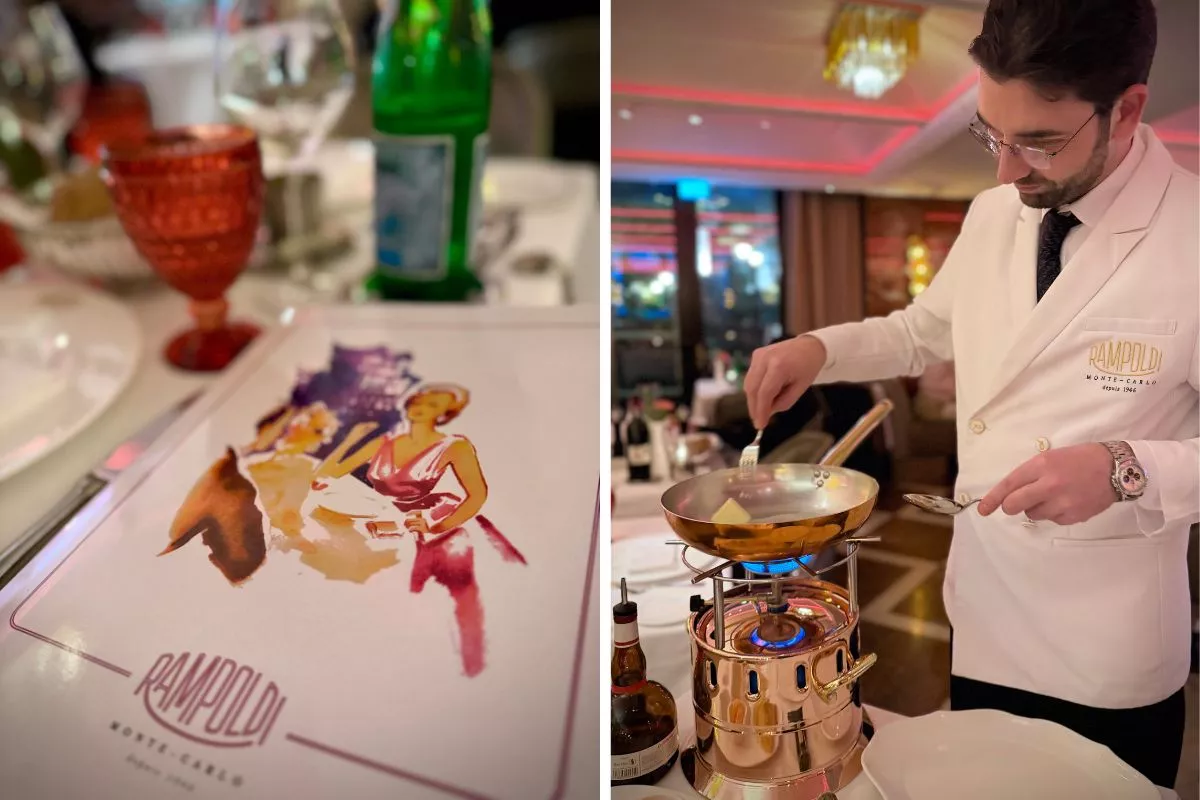
The interior is deliberately timeless — Art Deco glam, no photographs on the walls, a level of discretion that feels increasingly rare in an age of Instagram dining. It is a place where prominent guests can eat without spectacle, where the focus remains resolutely on the table in front of you.
Rampoldi’s duck confit (left) and classic soufflé. Photo credit: Cassandra Tanti, Monaco Life
The team behind the table
If the kitchen is the engine, the staff are the soul. At Rampoldi, 70% of the team have been in place for nine years or more — an almost unheard-of retention rate in the restaurant industry, and one that Salvatore considers central to everything the restaurant has achieved.
“Success is built on a team, not on an individual,” he says. “Some guests come two, three, four times a week. They know the staff well, they have seen them grow up, they are like family.”
But Salvatore is clear-eyed about the complexity of managing long-serving staff in a business that demands consistent performance. “Every staff member needs to perform like it is their first day on the job. But people grow up, their lives change — what you are doing in your 20s you are not necessarily doing in your 30s. But a restaurant is a business — so we need to have staff with longevity but also with ambition.”
The result, on the floor, is a team that moves with the confidence of people who know exactly where they are — but treats every new guest as though they are the most important person who has ever walked through the door. “I don’t care if you are wearing Chanel or H&M — you are coming to my restaurant and you shall be treated like a star,” says the chef assuredly.
It is a philosophy that sounds simple. The execution, night after night, is anything but. “It’s not easy — because we do this every day, every hour. Guests feed off our energy, but people get tired. It’s not easy to give energy to this table, then that table, all day, every day. But we have to. This is our job.”
If the kitchen is the engine, the staff are the soul of Rampoldi
Classics never die
Monaco is changing. The Principality that once drew the discreet wealthy is now a destination for a broader, louder kind of visibility. New restaurants open constantly — bold, global concepts chasing a younger demographic. Salvatore watches all of it with interest.
“Simplicity is the power behind elegance,” he says. “Don’t forget, when Balenciaga arrived in Monaco a few years ago, there was a line around the corner to get in. Today, there’s not. Chanel, on the other hand, is always busy and always in demand. That’s the difference between the classics and trends, classics never die.”
He welcomes competition — more restaurants, he argues, bring more people, and more people eventually find their way to Rampoldi. But he is also candid about what he believes Monaco risks losing in its pursuit of globalisation. “Monte-Carlo specifically should be reserved for glamour — established institutions, authentic, chic brands. We have to look at Monaco like people on the outside do: rare and beautiful, like a Picasso painting. Today, we are thinking too much about globalisation and we are losing a little bit of our true selves, our legend and legacy, forgetting what really gives Monaco that allure.”
The authenticity of Monte-Carlo, he believes, is the product — and it needs protecting. “If you want to feel like you are in Dubai, go to Dubai. If you want to feel like you’re in New York, go to New York. People want to come to Monaco for the authenticity of Monte-Carlo.”
For Salvatore, that authenticity is also something worth exporting. Through Rampoldi’s two New York restaurants, he sees himself as something of a culinary ambassador — carrying the values and identity of Monaco to an American audience that may never set foot in the Principality.
Eighty years, and counting
This year’s anniversary will be marked with a celebration bigger than the 75th — itself, by all accounts, a memorable occasion. The details are being kept close, but what Salvatore will say is simply that everything at Rampoldi is done with intention.
And after the celebrations? There will always be small adjustments over the years to come — subtle upgrades, quiet refinements — because a restaurant that stands still eventually stops. But the changes at Rampoldi have always served the institution rather than replaced it. The soul of the place, the thing that has drawn generations of Monaco’s most discerning diners back to the same tables decade after decade, remains intact.
And the secret to his own longevity within it? He smiles. “I work with passion — I come early in the morning and leave late at night. I live in my own little world.”
The legends of Monte-Carlo are few, carefully guarded, and not easily replaced. Rampoldi is one of them — and, thankfully, it has no intention of going anywhere.
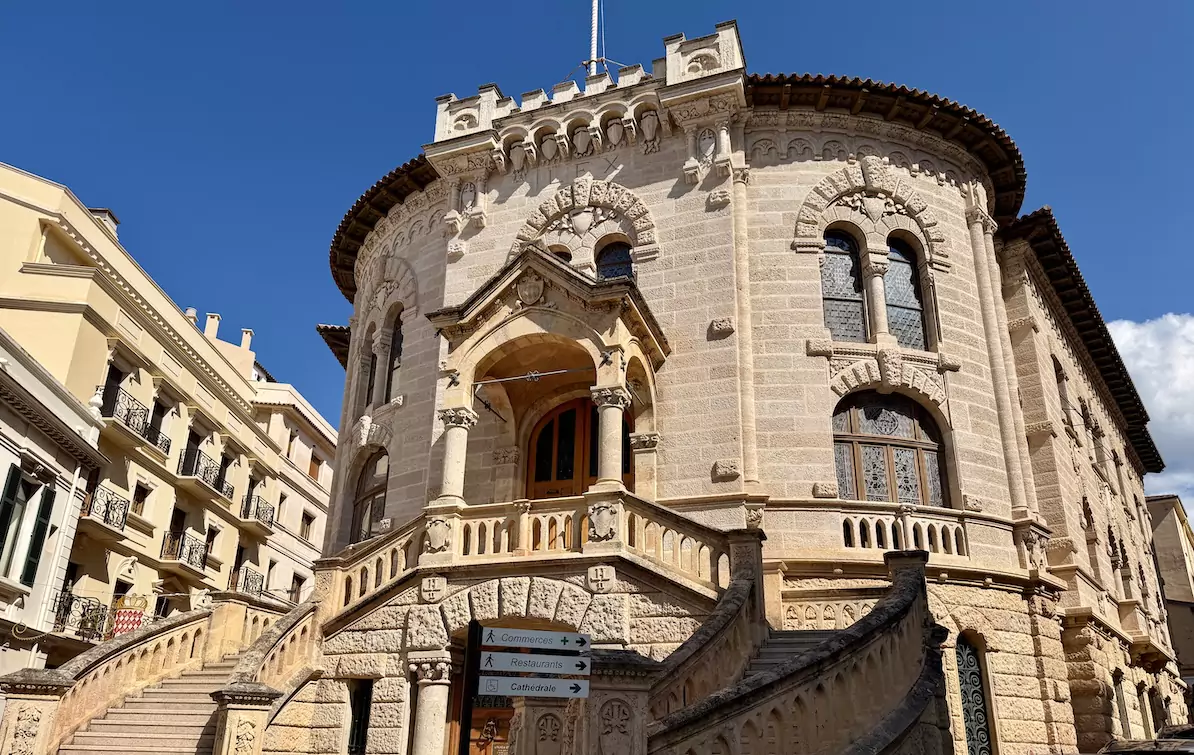
Monaco is looking to strengthen its judiciary, with the Direction des Services Judiciaires announcing the recruitment of four référendaire magistrates through a formal selection process.
The move comes under Law No. 1.364 of 16th November 2009, which governs the status of the magistracy in the Principality. Full details of the process — including jury composition and the structure of examinations — have been published in the Journal de Monaco dated 20th February 2026.
Those interested in applying have until 20th March 2026 to register, with the list of successful candidates and examination dates to be confirmed once the registration period closes.
Hundreds of visitors gather at the Jardins Biovès every day for the 92nd Fête du Citron, which has transformed Menton into a breathtaking spectacle — and rightfully so, as its most striking element is entirely free.
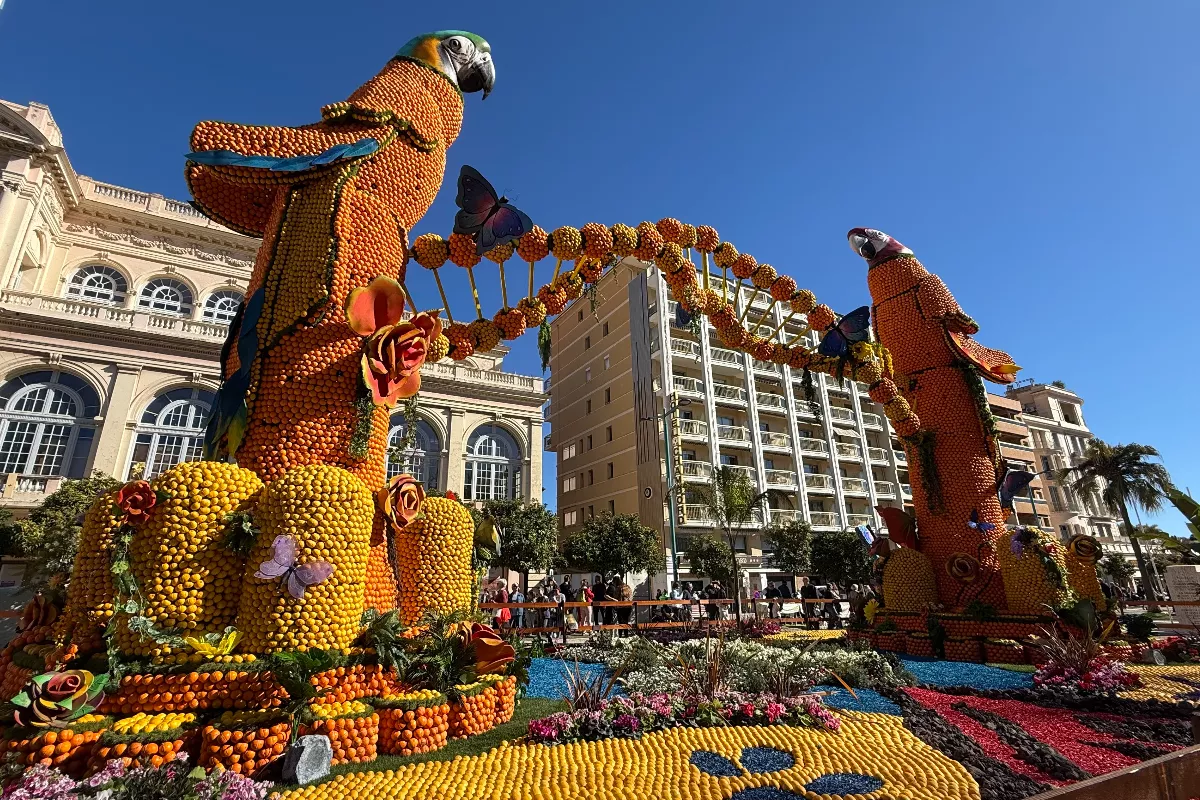
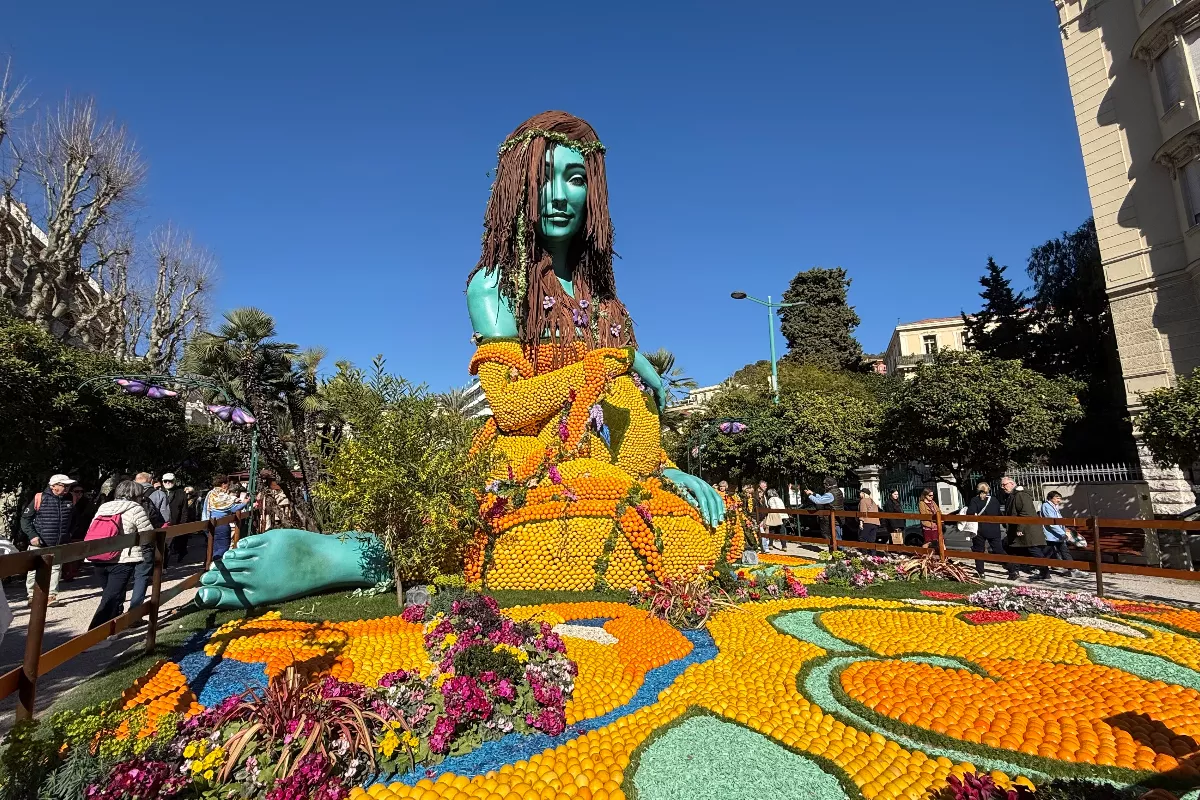
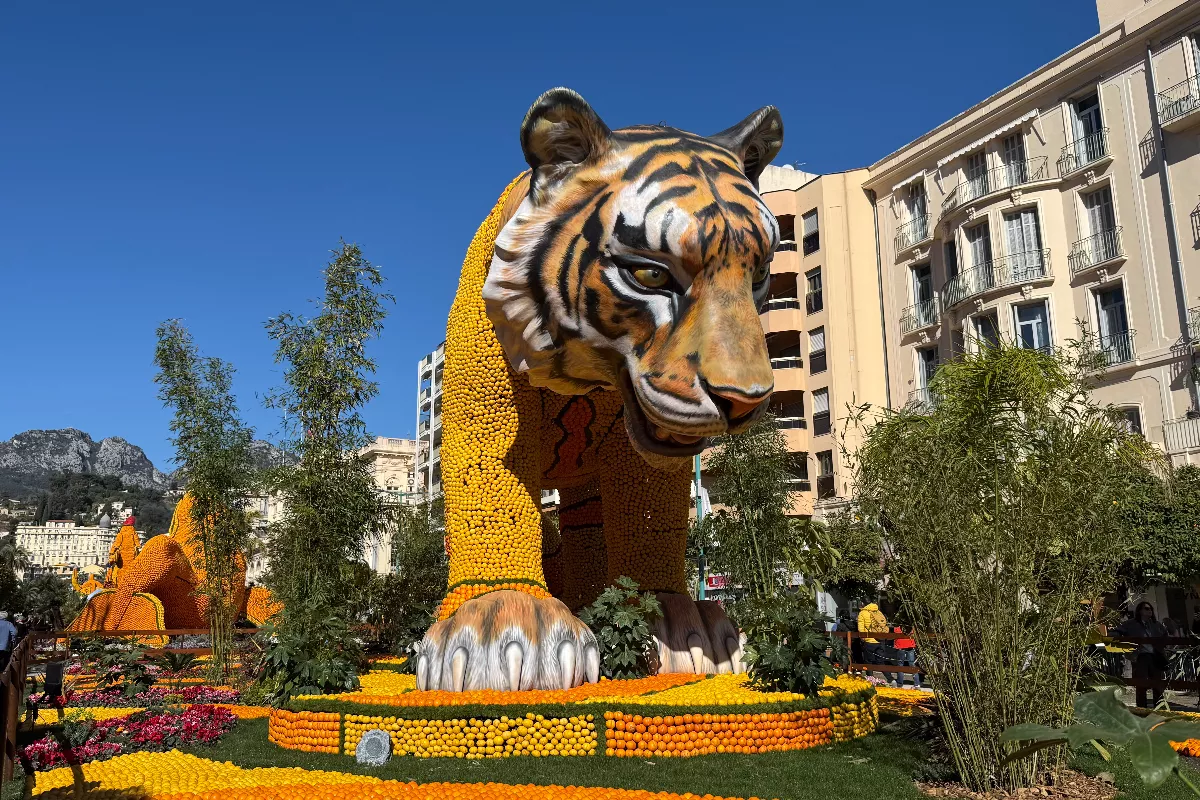
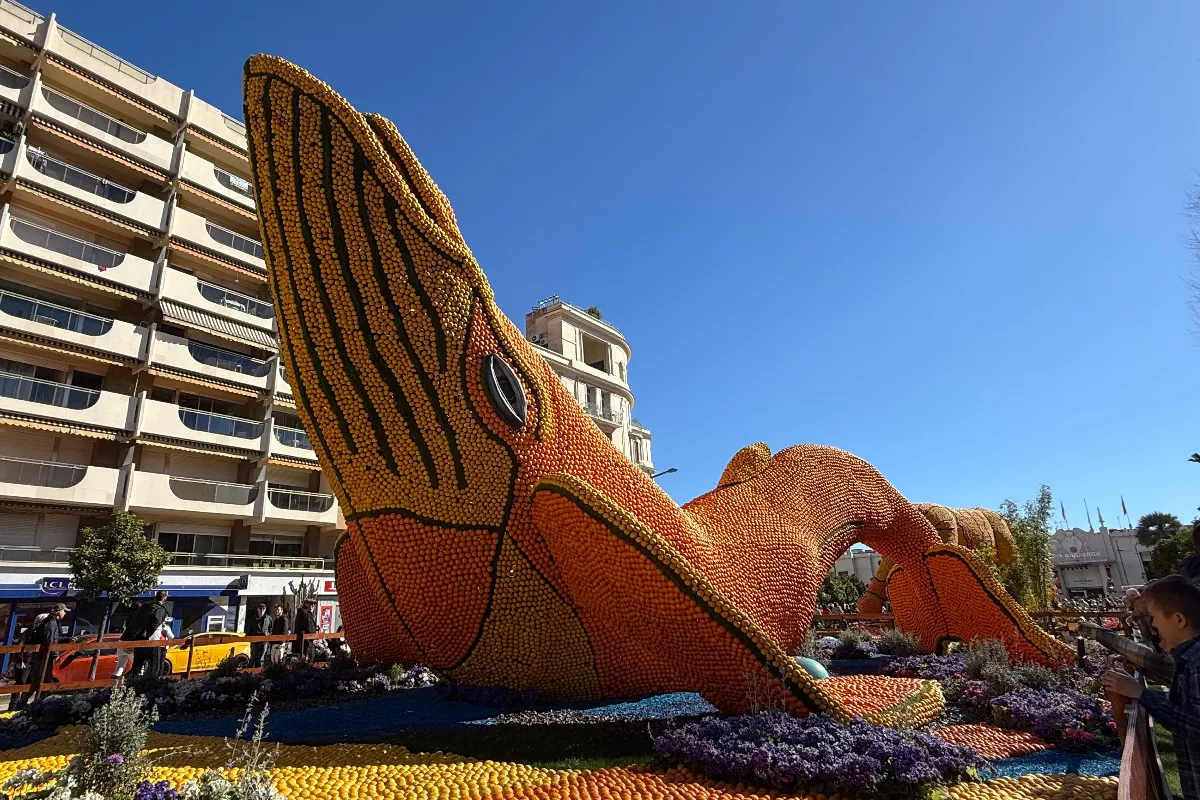
Under this year’s theme ‘Merveilles du Vivant – Wonders of the Living’, seven gigantic sculptures line the gardens, each dressed in 10 to 15 tonnes of lemons and oranges, every piece of fruit placed individually by hand. The result is something that truly needs to be seen in person to be appreciated, as photographs barely do it justice.
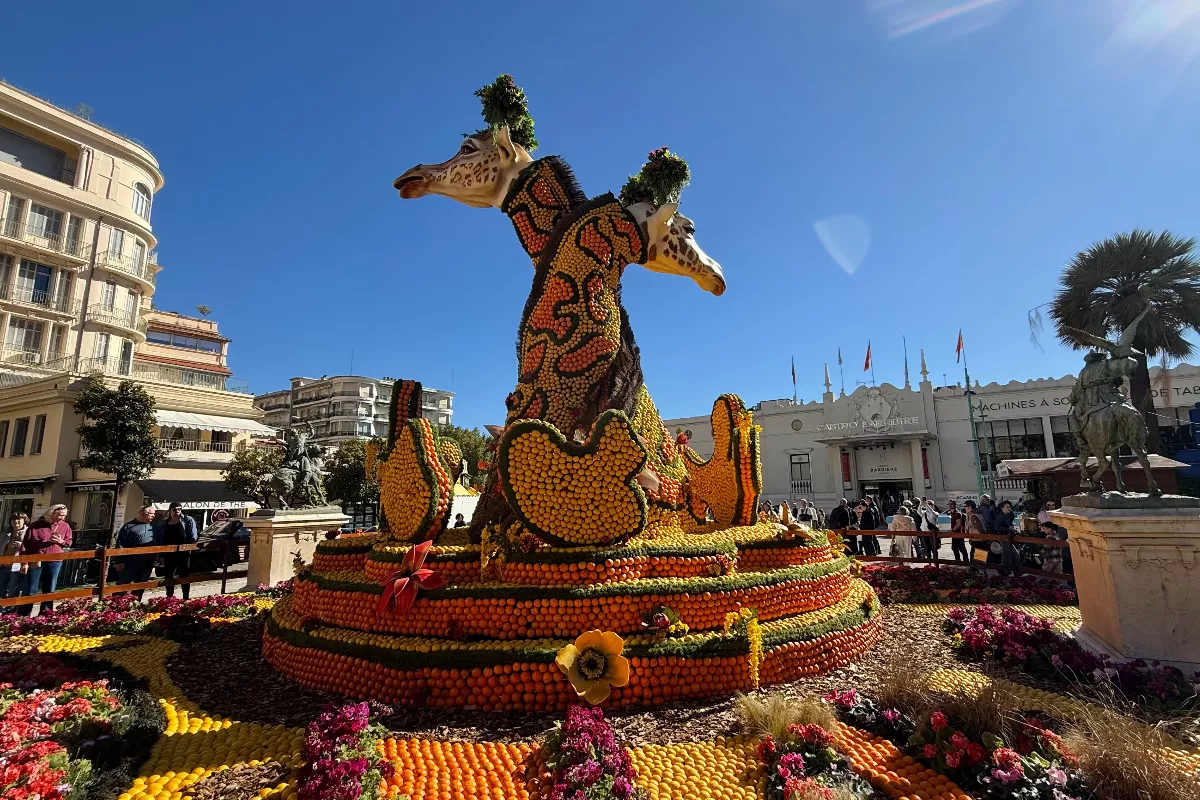
Giraffes sculpture, photo by Monaco Life.
A giant whale appears to glide overhead, a tiger crouches ready to leap, while two parrots face each other across a sculptural double helix – perhaps a nod to the DNA that connects all living things.
Parrots sculpture, photo by Monaco Life
Mother Earth as the most breathtaking creation
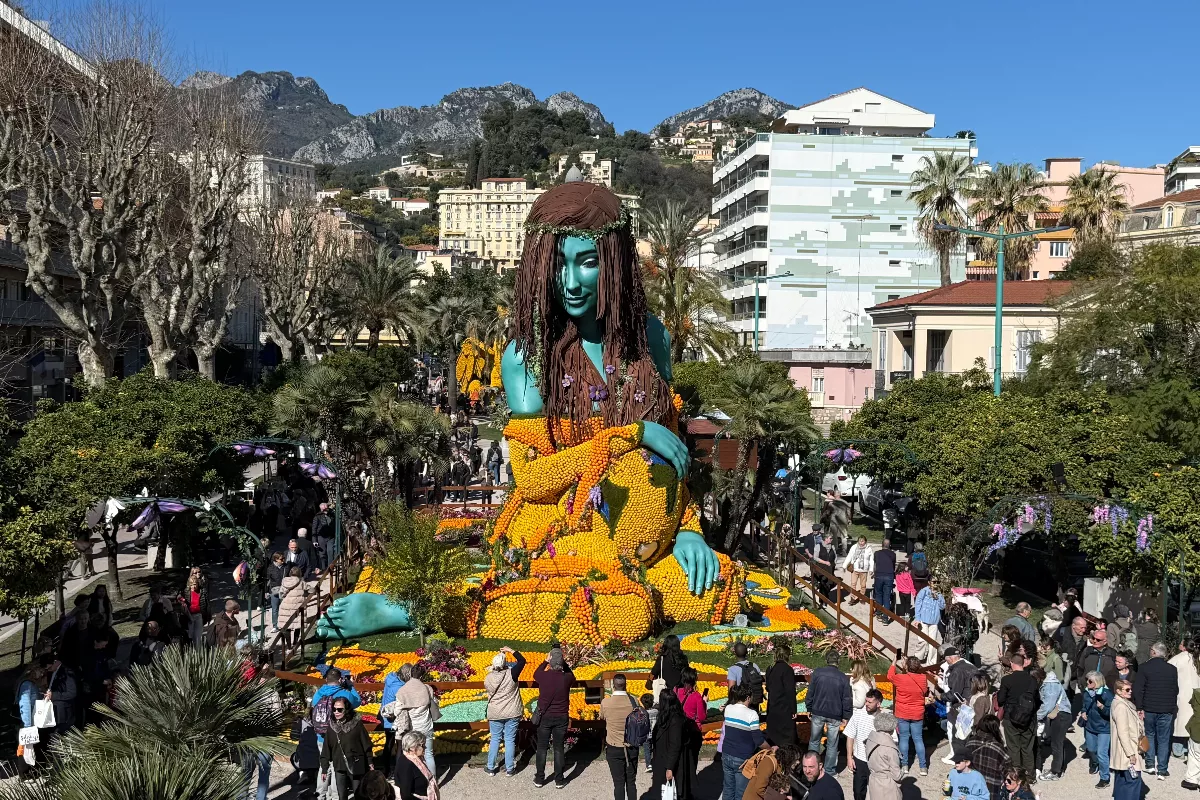
However, it is the figure of Mother Earth, a pregnant woman with the planet forming in her belly, that stops visitors in their tracks.
As the only human figure among the sculptures, this one has attracted the most attention among visitors and become the most photographed in the gardens.
Mother Earth sculpture, photo by Monaco Life.
Up close, the craftsmanship is remarkable. Thousands of individual fruits are fixed to metal frames with unbelievable precision, creating textures and shadows that shift as the light changes throughout the day. From a distance, the sculptures look almost painted in citrus tones.
Behind the scenes, more than a hundred workers have been maintaining the displays since the festival opened on 14th February, replacing damaged fruit each morning to keep the colours sharp and the details intact.
Tiger sculpture, photo by Monaco Life.
While the famous Corsos parades require tickets, the garden exhibition remains free and open to all, from 9am until 11pm daily.
That accessibility is a big part of what makes the Fête du Citron so enduring. Families with young children, solo visitors, couples — everyone finds their own way through the pathways, at their own pace, and without charge.
Whale sculpture, photo by Monaco Life.
The display runs until 1st March. For those yet to visit, a final night-time parade takes place on Thursday 26th February at 9pm, with fireworks over Menton Bay at 10:30pm, and a last Sunday Corso on 1st March at 2:30pm. Standing tickets start from €16.
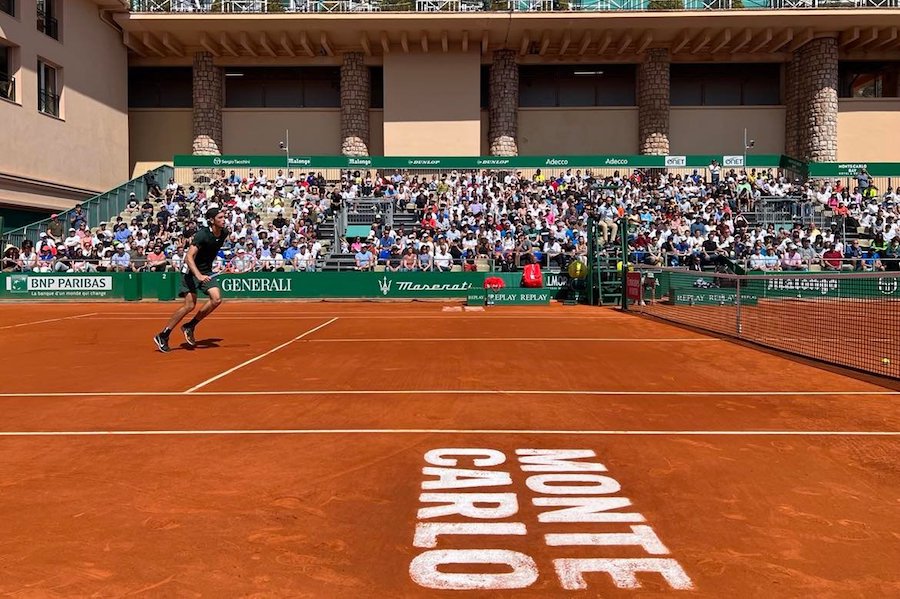
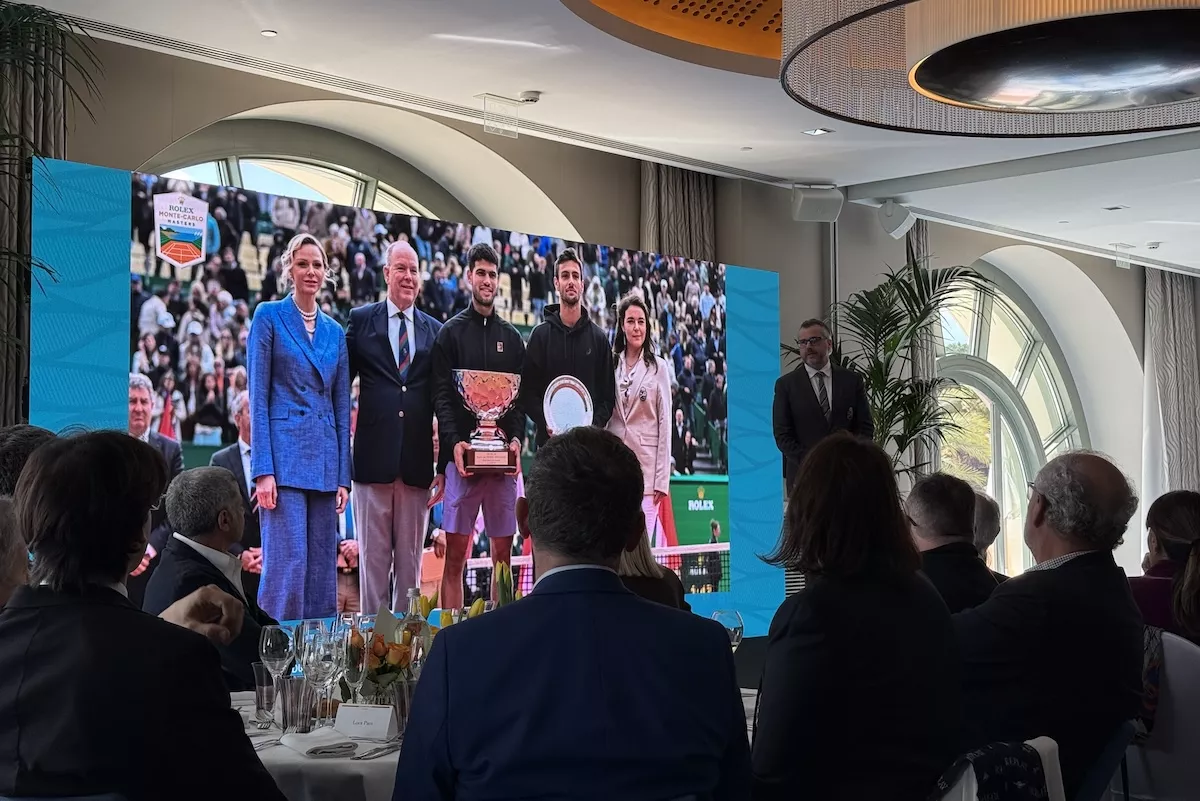
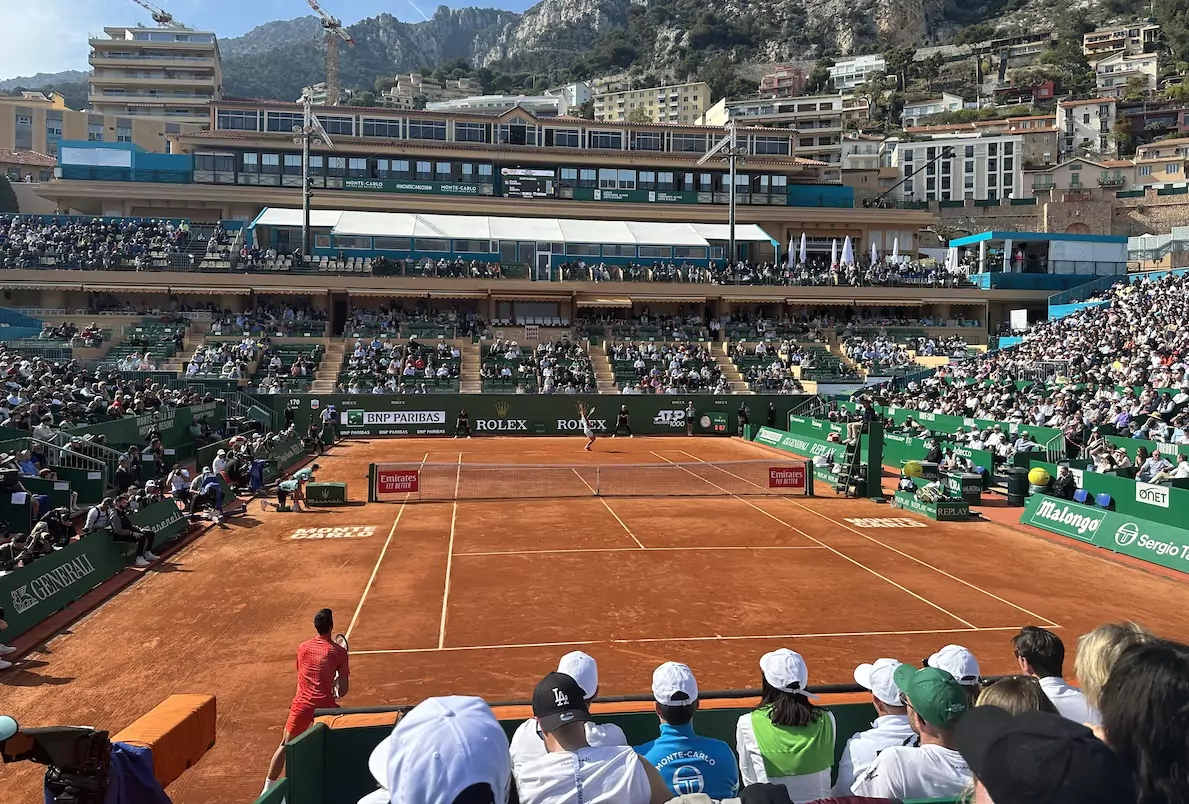
The Monte-Carlo Country Club pulled back the curtain on the 119th edition of the Rolex Monte-Carlo Masters on Thursday evening, gathering press, dignitaries and partners at the Monte-Carlo Bay Hotel and Resort for the official tournament presentation.
With less than six weeks to go until the clay courts come alive, tournament director David Massey set out what promises to be another landmark edition — and there was plenty to talk about.
A tournament that has outgrown itself
Last year’s attendance of 154,169 spectators was a record, and according to Massey, it was also something close to a ceiling. “Last year we virtually reached maximum capacity — we won’t be able to welcome more people on site,” he told press following the presentation. The focus for 2026 is therefore not on numbers, but on what happens once fans are through the gates.
New glass staircases, expanded entertainment zones, redesigned spaces and additional screens mean spectators can now follow live match action from outside the courts. Food and beverage capacity has been increased in response to restaurants that run at full capacity on the busiest days. “The goal is truly to provide an even better all-day tennis experience,” Massey said.
A redesigned entertainment area has also been transformed into a more relaxed space away from the crowds, with a giant screen, deckchairs, refreshments and picnic tables. “We realised that outside the stands there were few, if any, places where people could sit and relax.”
In the partner area, four giant screens will broadcast matches live throughout the tournament.
Tournament Director David Massey during Thursday’s presentation. Photo credit: Cassandra Tanti, Monaco Life
An extra day, 60 cameras and a returning drone
New for 2026 is the addition of an opening Sunday dedication to children. On the broadcast side, around 60 cameras — including new additions on the main court and a return of the drone — will deliver longer rally tracking and a more immersive experience for a global television audience that reached 34 million viewers across seven days last year. “This is a level of innovation seen at Masters 1000 events. Television viewers will benefit from this enhanced coverage,” said Massey. The Electronic Line Calling Live system, which made Monte-Carlo the first clay court Masters 1000 to adopt electronic line calling last year, will also return.
The Player Village returns
The Player Village at Monte-Carlo Beach — which expanded the site by around 35% in 2025 — returns for a second year, this time enhanced with a high-performance gym and a quiet zone dedicated to player wellbeing ahead of matches.
“Today, players travel with larger teams — sometimes up to ten people. It is therefore essential to provide enough space for both the players and the general public,” said Massey.
Additional comforts for fans will be a highlight at the 2026 Rolex Masters tournament. Photo credit: Cassandra Tanti, Monaco Life
The Monegasque moment everyone is waiting for
If there was one revelation that generated the most energy in the room, it was the confirmed presence of Valentin Vacherot in the singles main draw — entering on ranking alone for the first time, without a wild card or qualifying. His Shanghai Masters 1000 title last October made him a genuine contender on home clay.
“It will be the first time that a Monegasque player enters the Monte-Carlo Masters main draw directly in singles, outside of qualifying or a wild card. This is excellent news for tennis in Monaco,” said Massey. “He now has a ranking that allows him to choose the tournaments he wants to play. We hope to see him remain in the top 30 — or even go higher.”
Almost gone
Tickets are nearly sold out, with limited availability remaining for the first Saturday on centre court and some grounds passes still on offer. “We are on track to reach full capacity, as we did in 2025. Now, all we need is ideal weather,” Massey said.
Player registrations close on 9th March, with the full entry list announced on 10th March in Paris. The draw ceremony takes place in Monaco on Friday 10th April at 5pm. If last year’s crowd is anything to go by — around 34% French, 40% Italian, and a Monegasque contingent that will be louder than ever with Vacherot in the main draw — the atmosphere at the Monte-Carlo Country Club promises to be something special. The prize fund for this edition exceeds €6.3 million.
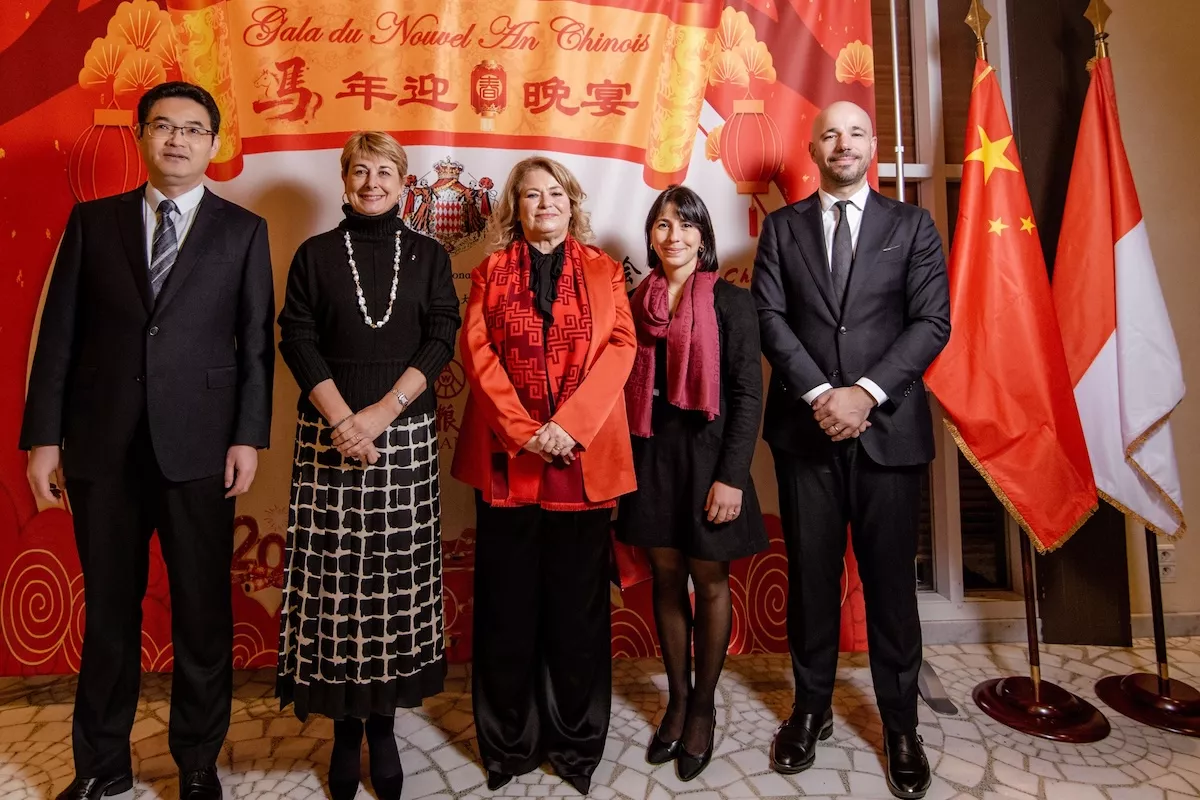
Monaco marked the Chinese New Year on 11th February with an evening of cultural celebration organised by the Monegasque association Monaco-Chine, with the support of the Embassy of Monaco in China.
Around one hundred guests gathered for the occasion, among them diplomatic representatives from both Monaco and China — a reflection of the bilateral ties between the two countries, whose 30th anniversary of relations was celebrated in 2025.
The evening marked the arrival of the Year of the Fire Horse, a symbol of dynamism, creative energy and action in the Chinese calendar, with traditional culture taking centre stage throughout. Guests were treated to lion dances, calligraphy demonstrations and live Guzheng — the Chinese zither — over a dinner prepared with Asian flavours.
A surprise from Monaco’s classrooms
The highlight of the evening, however, came from an unexpected quarter. More than 90 students currently studying Mandarin at the Collège Charles III and the Lycée Albert I joined the celebrations, performing a series of carefully prepared Chinese songs and dances for the assembled guests.
Ranging from sixth-form beginners to final-year students, the young performers delivered fan dances, a Tai Chi demonstration and a series of contemporary tableaux drawn from Chinese cultural tradition — all rehearsed and guided by their teachers.