

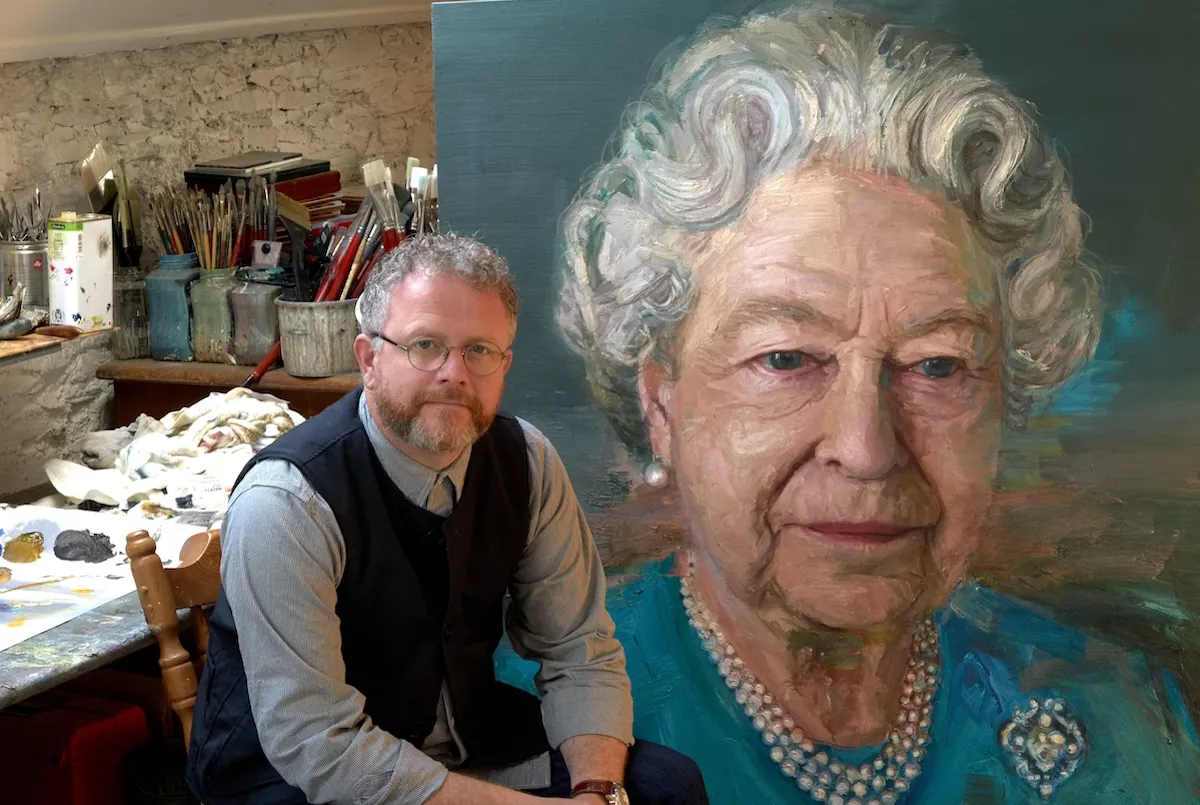
Few artists are invited into the private worlds of heads of state, rock stars and cultural icons. Fewer still spend hours alone with them, studying not only their public image, but the person beneath it.
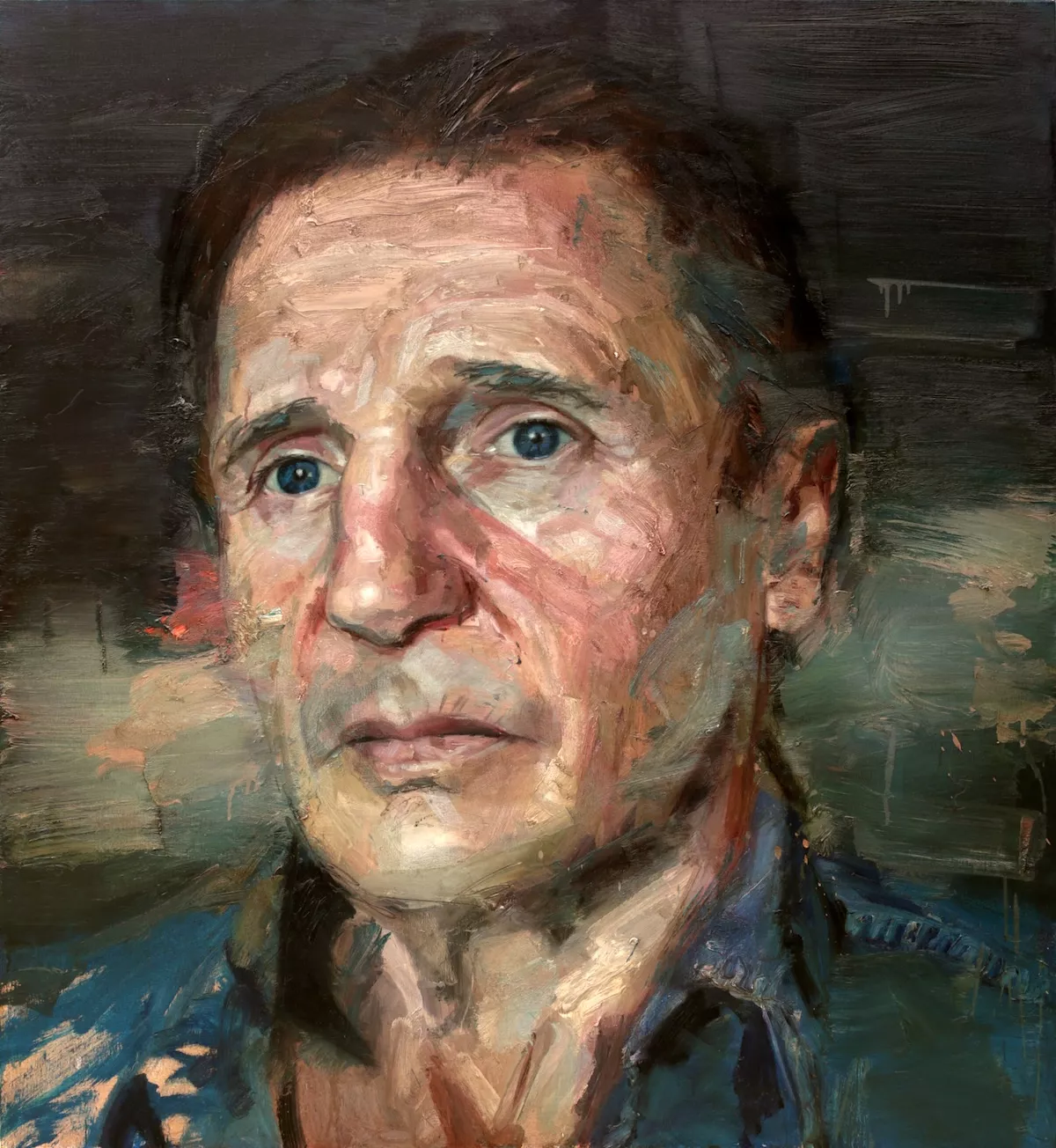
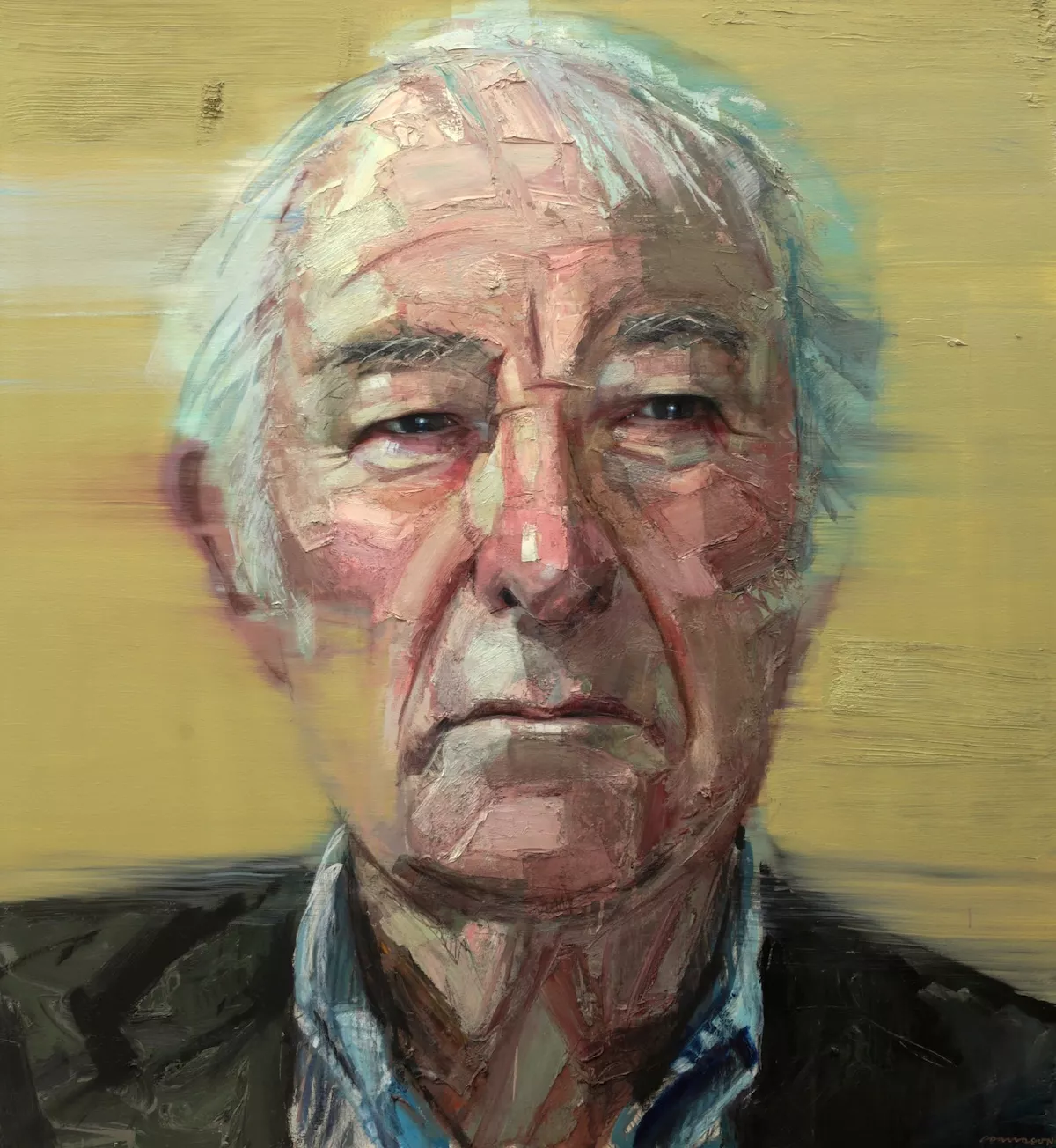
For more than two decades, Belfast-born artist Colin Davidson has built an international reputation as one of the world’s leading portrait painters, creating striking likenesses of figures ranging from Queen Elizabeth II and Bono to Brad Pitt, Ed Sheeran and Seamus Heaney. Yet despite a career defined by famous faces, celebrity has never been the destination.
“What I find endlessly fascinating,” he tells Monaco Life’s Cassandra Tanti, “is the vulnerable human being behind the public persona. What I hope is that my portrait paintings somehow express that. I hope they open a door into that person, but ultimately they should also become a mirror for the viewer.”
That philosophy has shaped every stage of Davidson’s career, from the intimate portraits that established his international reputation to his latest exhibition, Stranger, at Château La Coste in Provence. There, he ventured beyond the canvas for the first time, creating life-sized human forms sculpted not from clay or stone, but from oil paint itself.
Whether working in two dimensions or three, the objective remains unchanged. He is less interested in recording a likeness than revealing something deeper — creating works that invite viewers not only to look at another person, but to recognise something of themselves.
A life spent looking closely
Colin Davidson’s path into portraiture was not the result of a grand plan. He had always painted, but the turning point came almost by accident, around 20 years ago, when he encountered fellow Belfast musician Duke Special.
“He had changed his appearance quite dramatically and something simply made me want to paint him,” Davidson says. “That was when the portraits began. It was really a chance encounter.”
What followed was an artistic obsession with exploring what lies behind the faces we think we already know. “I was often looking at people who were already familiar to us through photography, film, television or the media, and trying to probe beyond the public image, to see what lay behind the façade,” he says. “That has remained endlessly fascinating to me, because every portrait is like starting from scratch. You have a completely different human being sitting in front of you. It’s just the two of you in a room together, and there is no blueprint for how that interaction will unfold.”
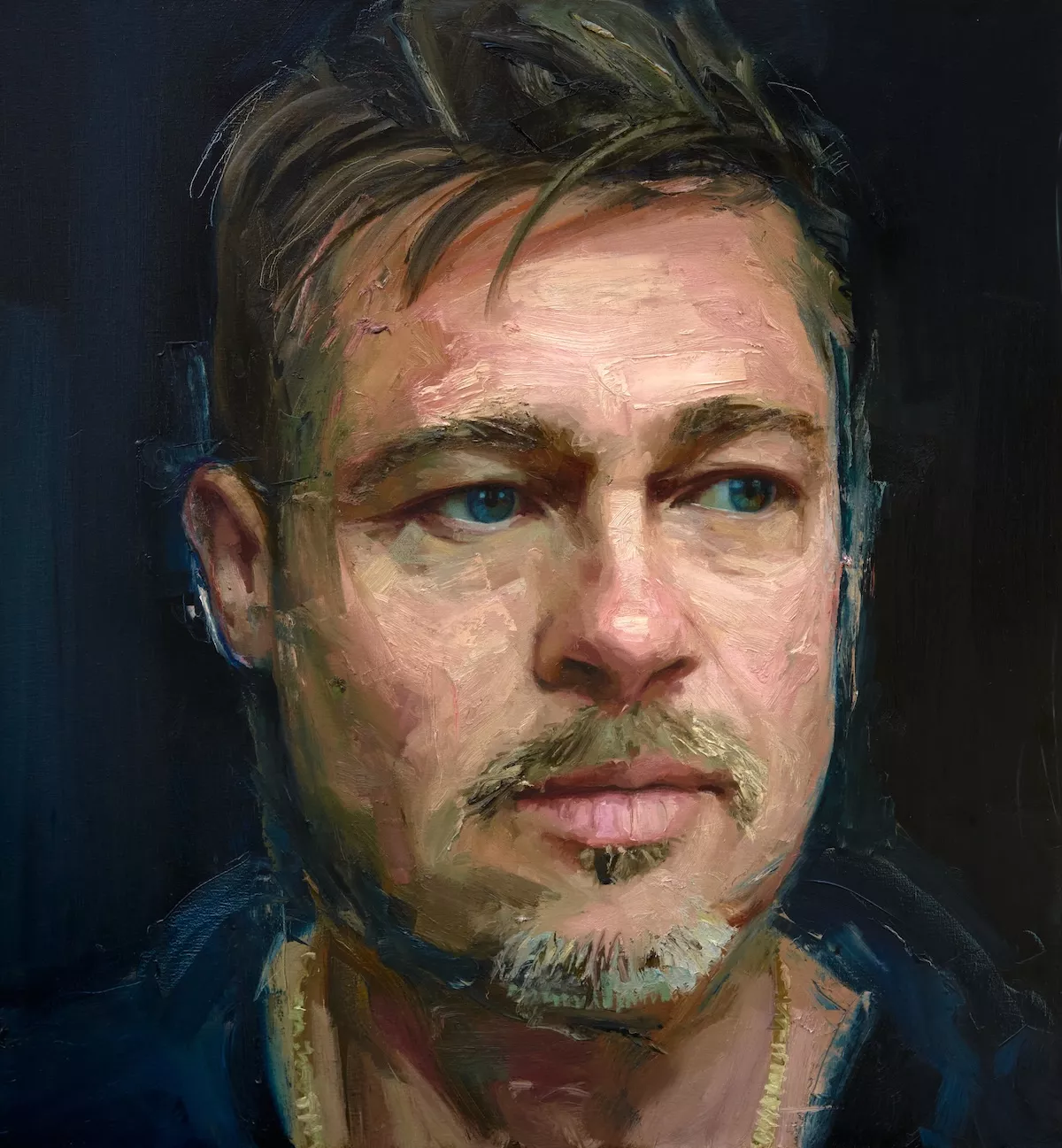
Unlike photographers working in minutes, or actors performing for an audience, portrait painters spend hours in close proximity to their subjects. Conversations unfold. Silences settle. Defences lower.
Davidson believes few people reveal themselves completely. “I believe we all have façades of some sort,” he says. “In my own case, and I’ll be completely honest about this, my façade exists largely to protect me from people seeing the parts of myself that I don’t particularly like. I think that’s true for many people.” His task, he suggests, is not to dismantle that façade, but to look beyond it—to find the person beneath.
The Queen, Bono and the privilege of access
That process has granted Davidson extraordinary access to some of the world’s most famous figures.
One of the most memorable moments of his career came while painting Queen Elizabeth II. “Sitting in the Yellow Drawing Room at Buckingham Palace and having a two-hour one-to-one conversation with the late Queen was undoubtedly one of those pinch-me moments,” he says. “I remember thinking: what on earth am I doing here? I was this vulnerable kid from Belfast sitting in Buckingham Palace, entrusted with this extraordinary privilege.”
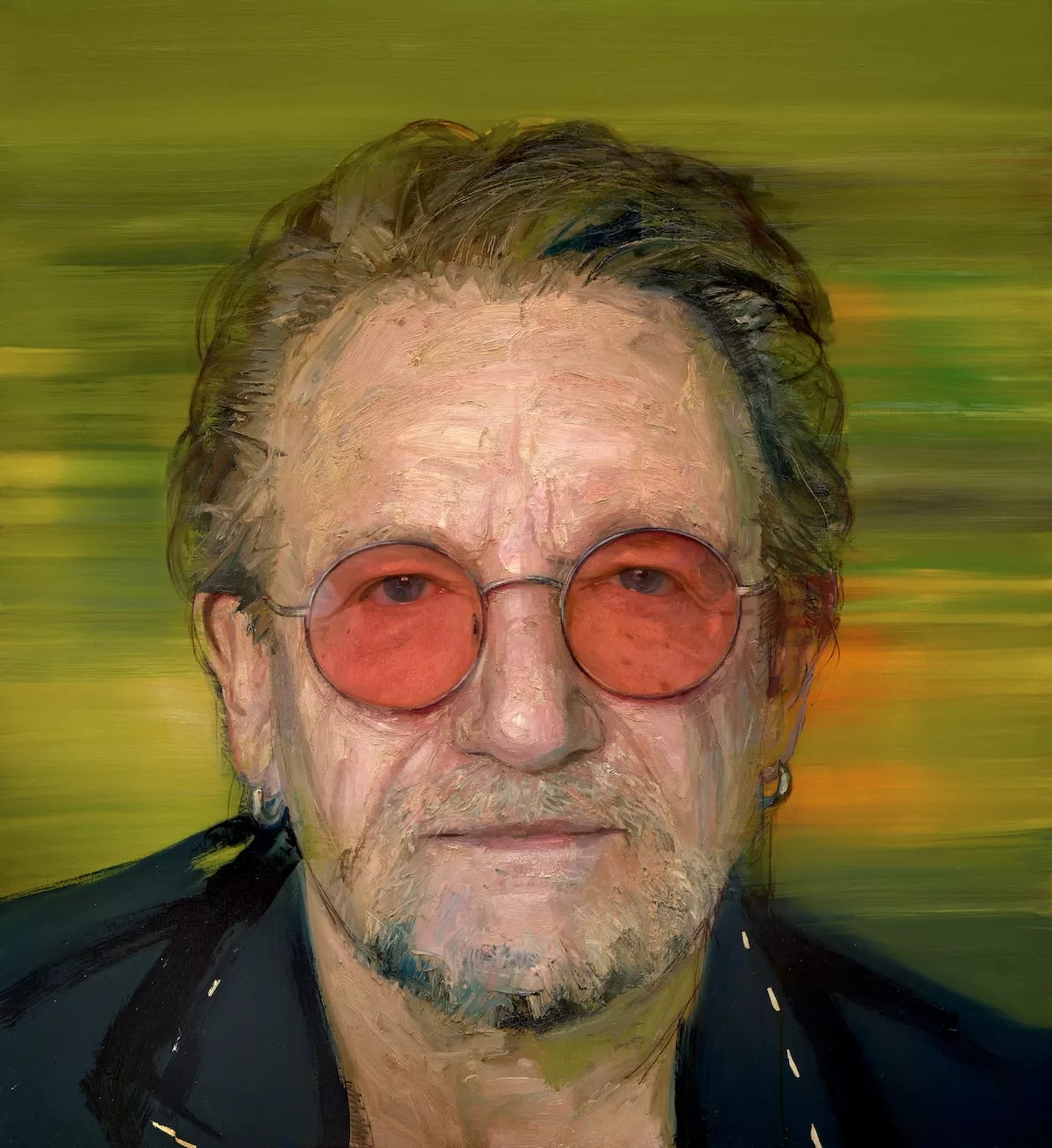
Painting Bono carried a different kind of significance. Davidson had been a devoted U2 fan since his teenage years, and to find himself later painting the singer in his own home felt almost surreal. Yet despite the prestige attached to such commissions, he insists that celebrity quickly becomes secondary. “You have a job to do,” he says. That job is not simply to achieve a likeness. It is to capture something far less easy to pin down. “I’ve learned that you can’t paint sadness. You can’t paint happiness, contentment or discontentment,” he says. “What I do is paint what I see and what I feel.”
That may sound contradictory, coming from an artist whose work is so often praised for its emotional depth. But Davidson believes the most important elements of a portrait cannot be consciously manufactured, only allowed to emerge through the process itself. “There are gaps — subconscious, intangible gaps — that exist within the process,” he says. “You begin knowing you have a practical job to do. First, you have to make a good painting of a head, which is difficult enough. Then you have to make a good painting of a head that actually resembles the person sitting in front of you, which is even harder. But somewhere within that process, you hope something else enters the work. Something beyond your control. Artists often talk about a work becoming greater than the sum of its parts. That’s what I’m striving for.”
Portraits as mirrors
Colin Davidson frequently returns to an idea that may explain why his portraits resonate so strongly. He does not see them simply as representations of the people he paints, but as mirrors.
“I hope they open a door into that person, but ultimately they should also become a mirror for the viewer,” he says. “Ideally, they reveal something about the viewer as well.”
Perhaps that is why his portraits often feel unusually intimate. The eyes dominate. Skin becomes landscape. Every wrinkle, shadow and imperfection remains visible. The result is not idealised beauty, but recognisable humanity. Davidson believes the artist inevitably leaves something of themselves in every work, echoing a well-known observation by Picasso. “If that’s true,” he says, “then every portrait is also a self-portrait.”
That reflective quality, he suggests, becomes more pronounced once a sitter is no longer among us. “When I look at a painting of someone who is no longer alive, the painting itself takes on a different feeling,” he says. “It almost takes on a different appearance. Suddenly it exists in the past tense.” Both Queen Elizabeth II and Seamus Heaney have died since he painted them. “Their absence inevitably changes the way I engage with those paintings today.”
More than celebrity
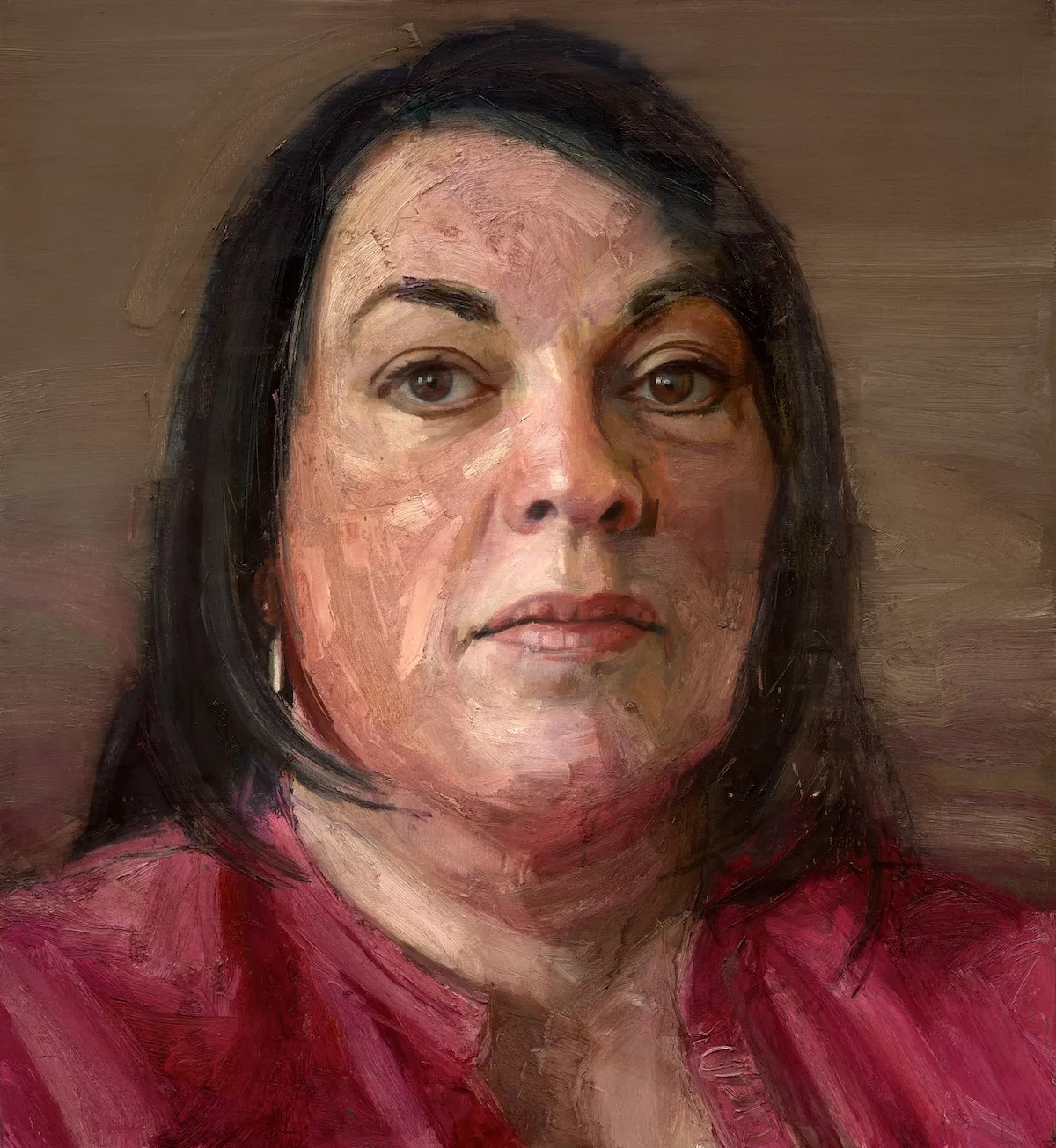
For all the attention his famous sitters attract, Davidson believes the most important work of his career has involved people whose names are unknown to the wider public.
In 2015, he created Silent Testimony, a series of portraits of 18 individuals, most from Northern Ireland, who had endured profound personal loss during the Troubles. The project was rooted in his own reckoning with the peace that followed. “The Good Friday Agreement brought an end to that conflict 28 years ago,” he says. “I voted for the agreement because I wanted a future. But as time passed, I realised there were many flaws within it, particularly regarding victims and survivors. Many people were carrying extraordinary trauma, and it seemed to me that they were paying the price for everybody else’s peace.”
The resulting exhibition opened at the Ulster Museum in Belfast in 2015 before travelling to venues including Dublin Castle and the United Nations in New York. More recently, the series was exhibited at London’s National Portrait Gallery, introducing the work to a wider UK audience.
Sculpting with paint
Colin Davidson’s connection to Château La Coste, the art, architecture and wine estate north of Aix-en-Provence that recently showed his exhibition Stranger, runs deeper than the show itself. The venue was built by fellow Belfast native Paddy McKillen, and Davidson has returned there repeatedly over the years, including to paint a portrait of McKillen’s father, who had moved to the estate to visit his son and, in the end, never left.
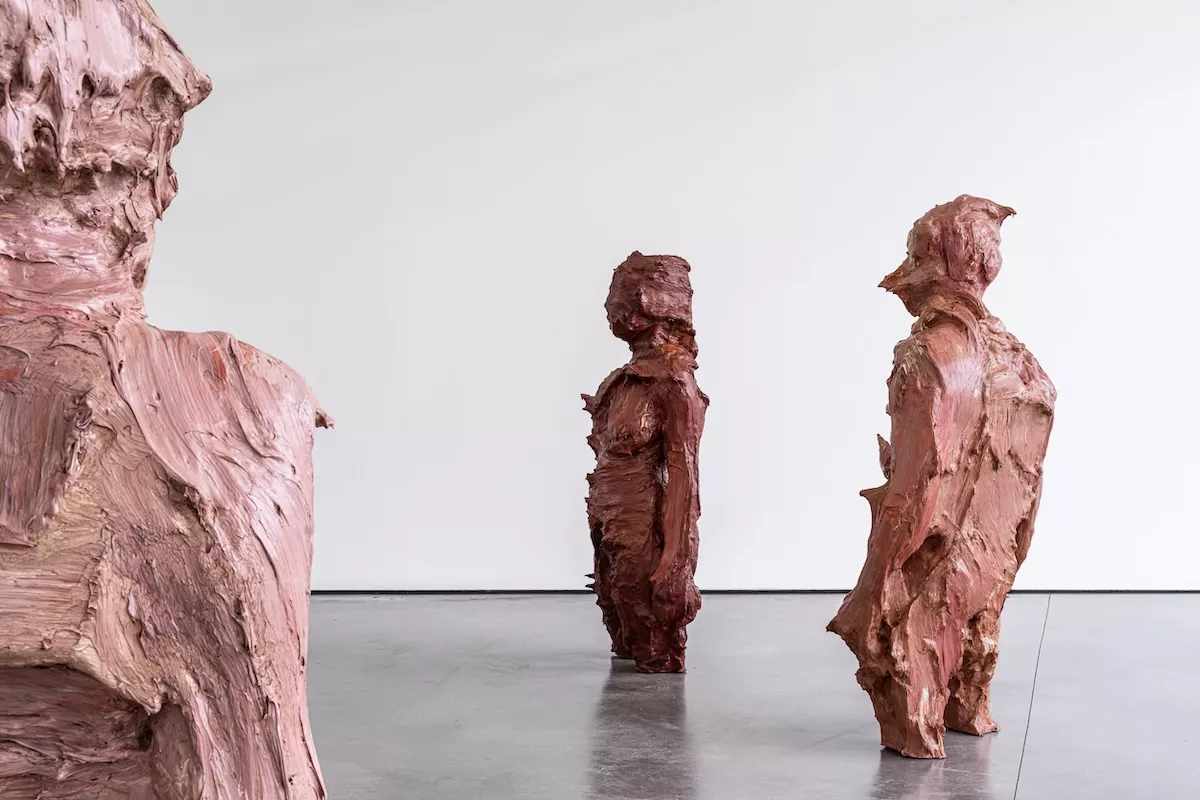
Stranger marks Davidson’s first major venture into three-dimensional work, though he resists framing it as a departure from painting. The life-size human forms begin as small painted studies, which are then scanned, digitally enlarged, and 3D-printed in sections before being assembled and painted again. “I wondered what it would be like to sculpt with oil paint rather than with clay or stone,” he explains. “That was really the genesis of these figures. They are human forms, but primarily they are objects made with paint. It’s all about the paint.”
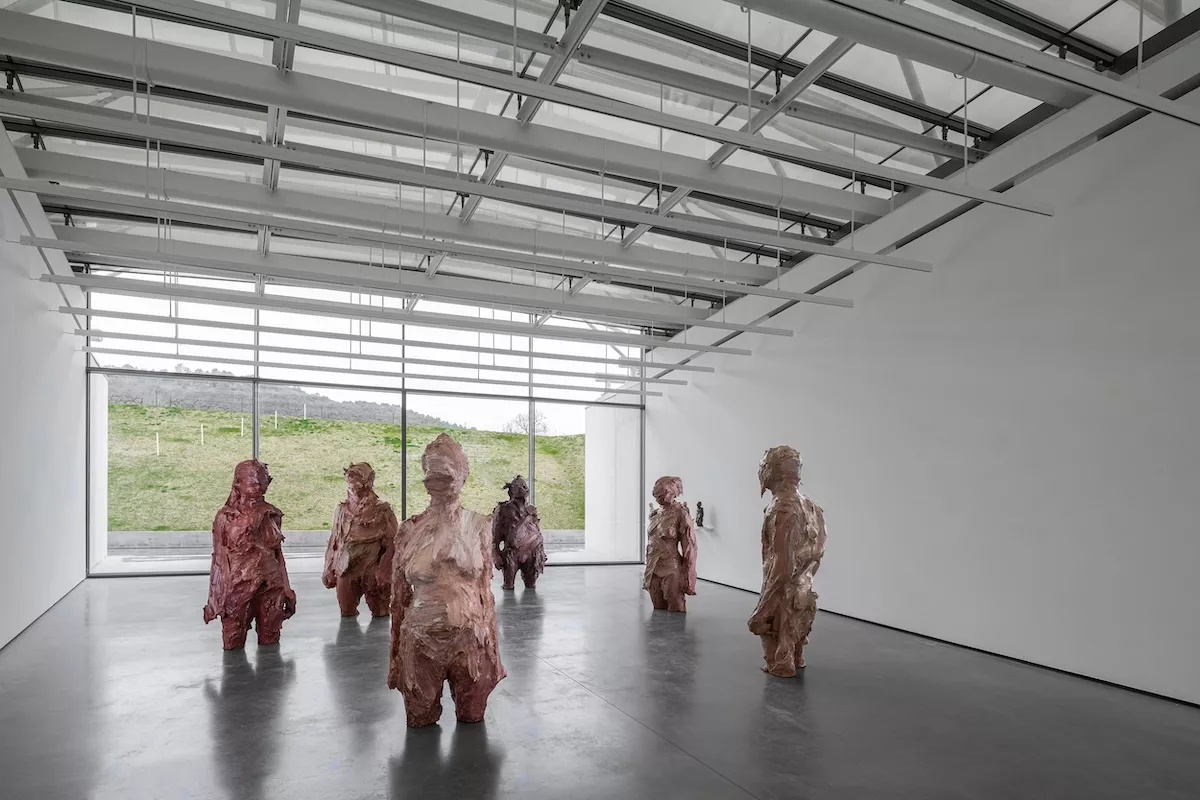
He frames the shift as a question of boundaries as much as materials. “Painting has its own boundary: the edge of the canvas,” he says. “The moment a painter brings a canvas to an easel, a finite space has already been defined. Within that space there is freedom, but there is still a boundary. I see sculpture as having fewer boundaries.” Where painting, he says, creates “the illusion of three-dimensional space on a flat surface,” these new works occupy the room with the viewer directly. “I love the idea that these objects share the same space as us.”
Asked what he hopes visitors take away from the exhibition, Davidson returns to a quote he often cites: that there can be as much creativity in engaging with a work of art as in making it. “I generally don’t have preconceived ideas about how people should respond,” he says. “I would hope that when people engage with the work they are left with questions — questions about what a painting actually is. These pieces are made with paint, and I still see them as paintings, albeit in the round. Perhaps a painting doesn’t always have to hang on a wall.” The solitary, larger-than-life figures, he adds, might also prompt visitors “to question what sculpture is… and through that, they might think about humanity itself.”
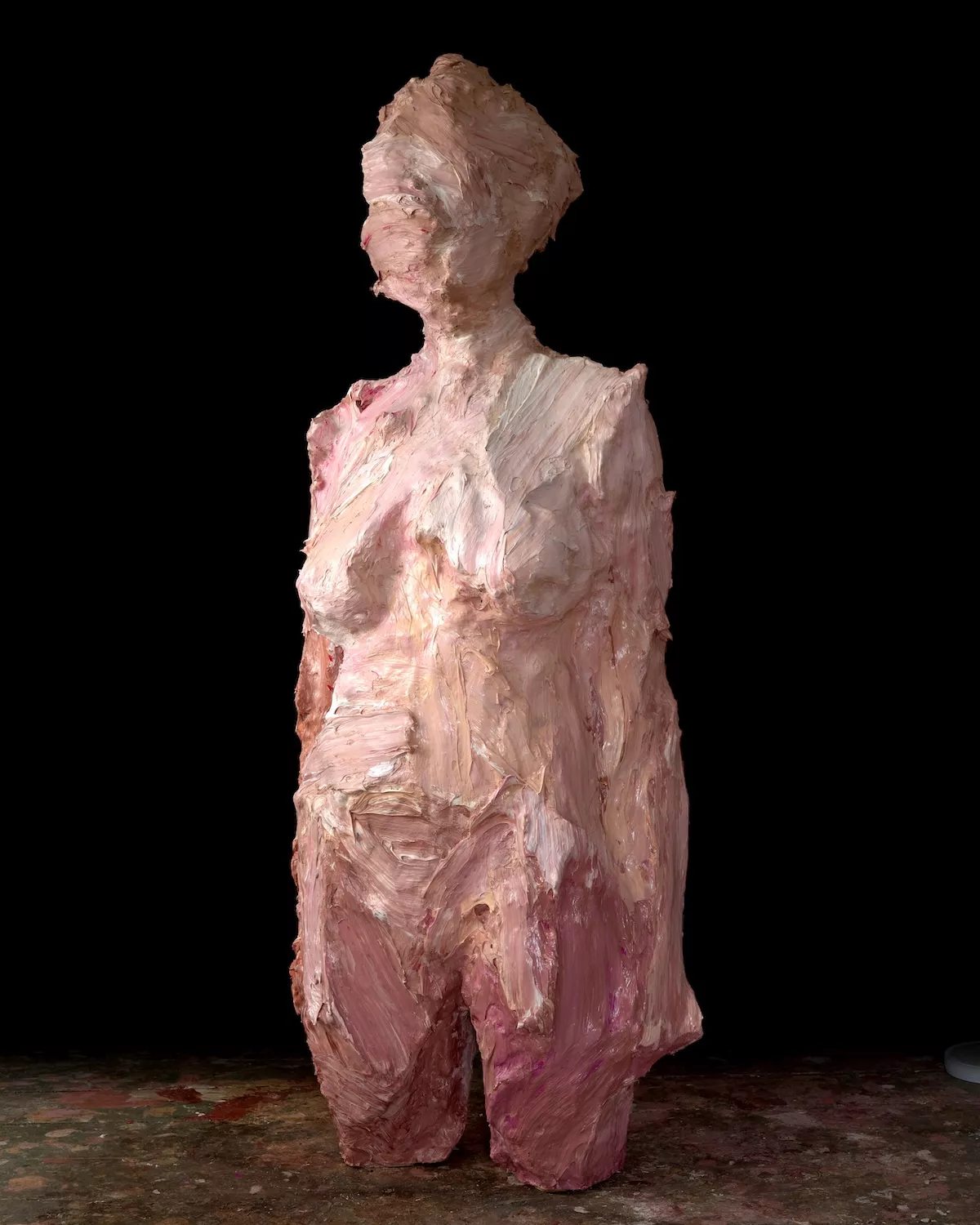
He is careful to leave room for the unexpected. “I love it when people discover meanings I never anticipated,” he says. “That, to me, is one of the great powers of art.” Nor is the work finished evolving. “I’m already developing the work further in the studio. I have no idea where it will lead, and that’s what excites me.”
It is, he suggests, simply an extension of how he sees himself as an artist. “It’s important to set aside the fear of what people might think,” he says. “The world likes to pigeonhole artists. It likes to say, ‘This is what you do’. I resist that.”
Looking forward
Colin Davidson’s visit to the region coincided with celebrations surrounding Irish designer Eileen Gray and the restored Villa E-1027 at Roquebrune-Cap-Martin, a project he describes as a triumph and a proud celebration of Ireland’s influence beyond its borders.
For an artist who has spent years moving between the worlds of royalty, music, politics and ordinary lives marked by extraordinary experiences, it was another reminder of the connections that art can create.
Asked whether there is still someone he dreams of painting, Coln Davidson finally names one: Van Morrison. Like Davidson himself, the Belfast musician has spent decades resisting labels, following his own path and searching for something deeper beneath the surface.
“Sometimes I make paintings. Sometimes I make three-dimensional objects,” he says. “At heart, I’m simply a maker.”
Stay updated with Monaco Life: sign up for our free newsletter, listen to our podcasts on Spotify, and follow us across Facebook, Instagram, LinkedIn, and Tik Tok.
Main photo: Colin Davidson with his portrait of Queen Elizabeth II. All images provided by the artist