

Monaco’s removal from the Financial Action Task Force (FATF) grey list has been hailed as a major breakthrough for the Principality. But nearly two weeks after the decision, one important question remains unanswered: when will the European Union follow suit?
In a statement published on 5th November, Monaco’s Direction des Services Judiciaires confirmed that the FATF’s decision does not automatically remove the Principality from the EU’s separate list of high-risk third countries for money laundering and terrorist financing.
So while Monaco has satisfied the international watchdog that its reforms warrant an end to enhanced monitoring, its EU designation carries separate regulatory consequences for financial relationships with European institutions.
Two lists, two separate decisions
The FATF formally removed Monaco from its grey list on 30th October, recognising improvements in financial crime investigations, international cooperation, sanctions and the seizure of criminal assets.
However, the European Union operates its own system for identifying countries considered to have strategic deficiencies in their anti-money laundering frameworks.
Monaco was added to that list in 2025 through a European Commission regulation. Although the EU takes FATF assessments into account, changes to its list require a separate European regulatory process.
This means the FATF’s decision does not, by itself, change Monaco’s legal classification under EU rules.
The Monegasque Justice Department acknowledged the distinction in its latest statement, while stressing that the Principality must continue consolidating the reforms that secured its removal from FATF monitoring.
What does this mean for Monaco’s banks and businesses?
Under EU anti-money laundering rules, financial institutions and other regulated businesses must apply enhanced due diligence to certain business relationships and transactions involving countries on the EU’s high-risk list.
These requirements can involve additional scrutiny of customers, the origin of funds and the purpose of transactions.
For Monaco, whose economy relies heavily on international banking, wealth management and cross-border business, the EU designation therefore remains relevant even after the FATF decision.
It does not mean that transactions with Monaco are prohibited, or that every transfer will face the same checks. The practical consequences depend on the institution, the transaction and the applicable regulatory requirements.
Nevertheless, removal from the FATF grey list does not automatically eliminate the compliance obligations associated with Monaco’s continuing EU classification.
When could Brussels remove Monaco?
That is now the central question.
The European Commission has previously removed jurisdictions from its high-risk list following improvements recognised by the FATF, but the two decisions do not necessarily happen simultaneously.
Any change to Monaco’s EU designation would require action through the European Union’s own procedures.
As of 12th November, no timetable for Monaco’s removal from the EU list had been announced.
The distinction leaves Monaco in an unusual transitional position: recognised by the FATF for completing its action plan, but still subject to the separate consequences of its EU classification.
The next test for Monaco’s financial reputation
The Principality’s work on financial transparency is far from over. The FATF has called on Monaco to continue cooperating with Moneyval, the Council of Europe’s anti-money laundering monitoring body, to ensure that improvements are maintained.
For Monaco’s financial sector, the immediate question is whether the FATF decision will translate into easier international business relationships while the EU designation remains unchanged.
For the government, attention now turns to Brussels and the process through which the Principality’s progress could be reflected in European legislation.
Monaco Life is written by qualified journalists, writing original content. Sign up for our free newsletter, listen to our podcasts on Spotify, and follow us across Facebook, Instagram, LinkedIn, and Tik Tok.
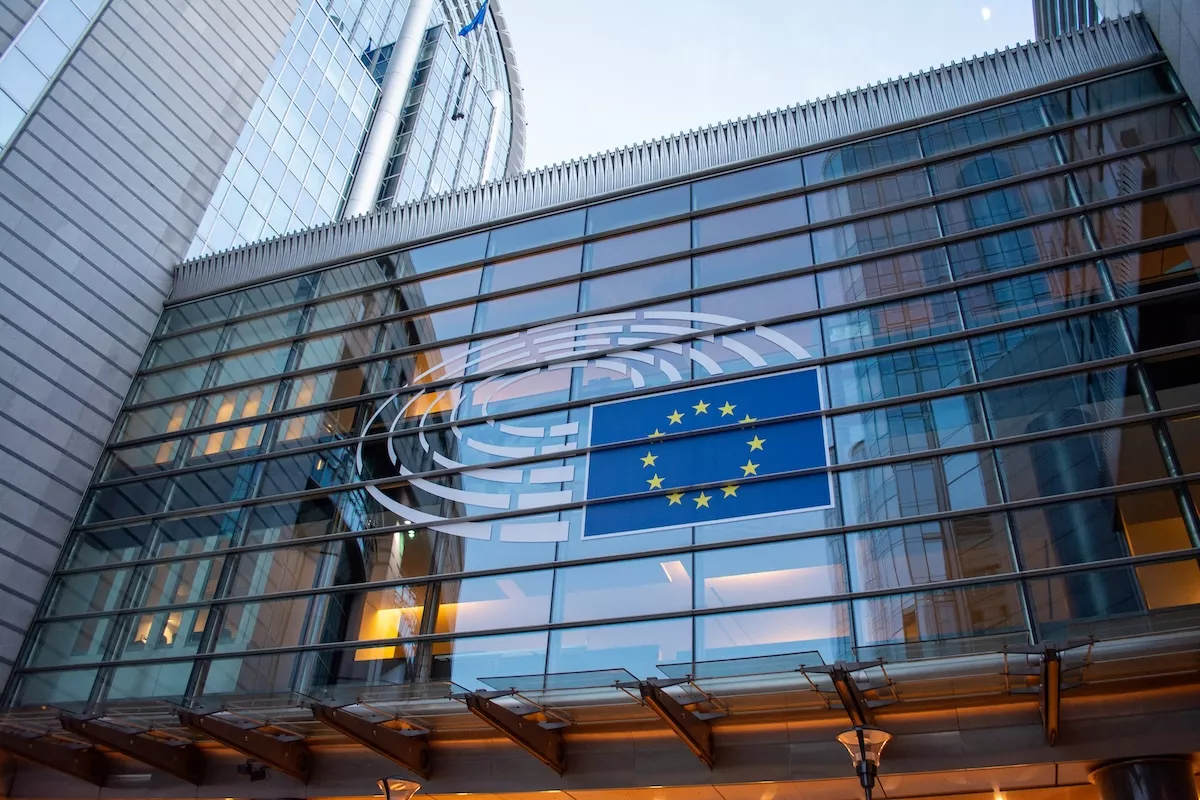
Photo credit: Fabian Kleiser, Unsplash