“Plastic is not the problem, humans are the problem”

Through the use of blockchain technology, Zak Johnson and his sustainable clothing company Naeco are putting traceability into the world of sustainability, allowing people to track plastic from the moment it is deposited for recycling to the time it is turned into high-end clothing.
Six years ago, Zak Johnson was an avid kite surfer and scuba diver who began to develop techniques to recycle the plastic rubbish that he saw washing up on the Bournemouth coast in England.
“I managed to create a machine in my spare bedroom that turned plastic bottles into pellets, which I then sent off to a fabric miller who milled it into a synthetic polyester. Eventually, we were able to produce a very water repellent fabric, so I decided to make it into a pair of swim shorts,” Zak tells Monaco Life from his office in London.
The niche business took off, and swimwear soon turned into fashion and corporate wear. Today, Zak Johnson is the multi-award-winning founder of sustainable brands Reborn and Naeco (ocean spelt backwards), with clients that include the Arsenal football club, Moët Hennessy, Poker Stars, Harrods and Magners. His mission: “to change the world, one bottle at a time”.
It’s an ambitious goal considering there are 812 billion plastic bottles currently on the planet, a number that is set to increase by 10 billion within the decade.
Still, Zak doesn’t see plastic as the problem.
“I love plastic, and I am happy to say it,” the young entrepreneur says enthusiastically. “Plastic is cheap, efficient and durable. Humans are the problem. We treat plastic as if it’s rubbish, we use it once and throw it away. Let’s just multi-use the plastic as many times as we physically can so we don’t need to produce as much.”
But success in re-using plastics is reliant on successful recycling, so how do you convince a sceptical western society in the recycling process? How do you guarantee that all that plastic doesn’t just end up in landfill in Indonesia?

Photo by Tanvi Sharma

The answer: blockchain. Naeco, with its patent-pending technology, is the first in the world to use fully traceable blockchain technology for its plastic recovery and recycling process, and manufacturing of sustainable clothing.
Through each of the company’s own Reverse Vending Machines (RVMs), Naeco is able to collect and store 1,000 plastic bottles at a time. Each bottle is scanned and its composition is recorded, determining if, for example, it is a 16g Evian water bottle. The item is crushed and stored in the machine before being transported to Naeco’s own recycling plant where it is turned into pellets. The pellets are milled into synthetic materials, and the materials are sewn into garments. Every stage of the process is marked on a public ledger: the blockchain.
So, what began as a sustainable swimwear business to clean up the coastline of Bournemouth has morphed into a complete vertical supply chain that includes mobile recycling machines, the recycling plant itself, fabric milling and garment manufacturing.
And thanks to blockchain technology, Naeco is able to guarantee the recycling process from the moment a plastic item is deposited to the time it hits the shelf as a piece of clothing.
“We did it by accident, to be completely honest,” laughs the entrepreneur. “I never set out to build a recycling company, I was into fashion, it was glamorous. Now I’m into dirty recycling. But we’re taking something that is not considered a commodity and turning it into a commodity, and that’s amazing.”
People are able to track and trace the plastic bottles that they deposit through an app, which also rewards them with cash and token incentives that can be redeemed at leading retailers.
The garments produced from this plastic can also be purchased from Naeco, a multi-award-winning British fashion label that allows consumers to buy sustainable garments that protect our planet and oceans.
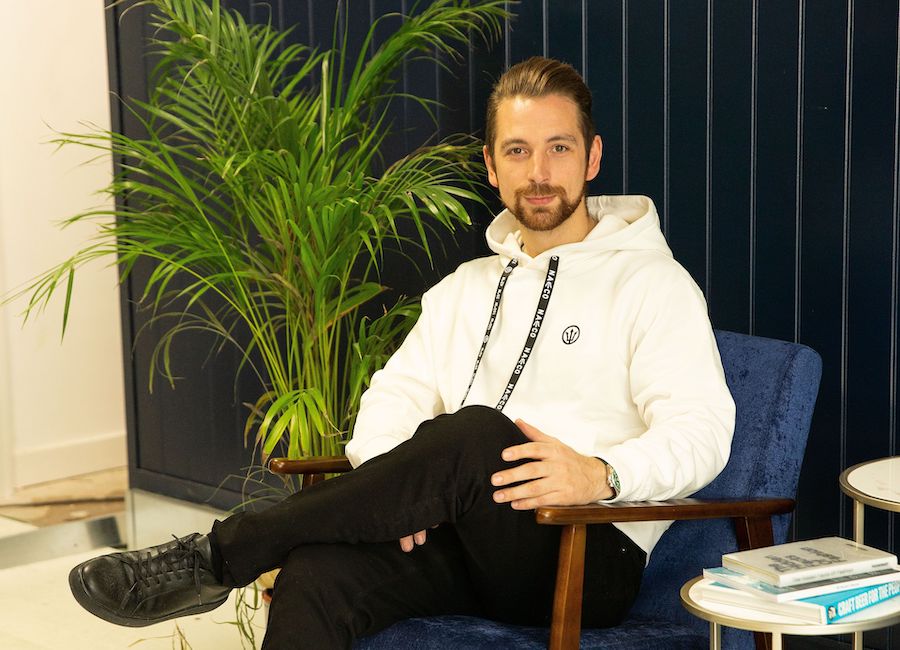
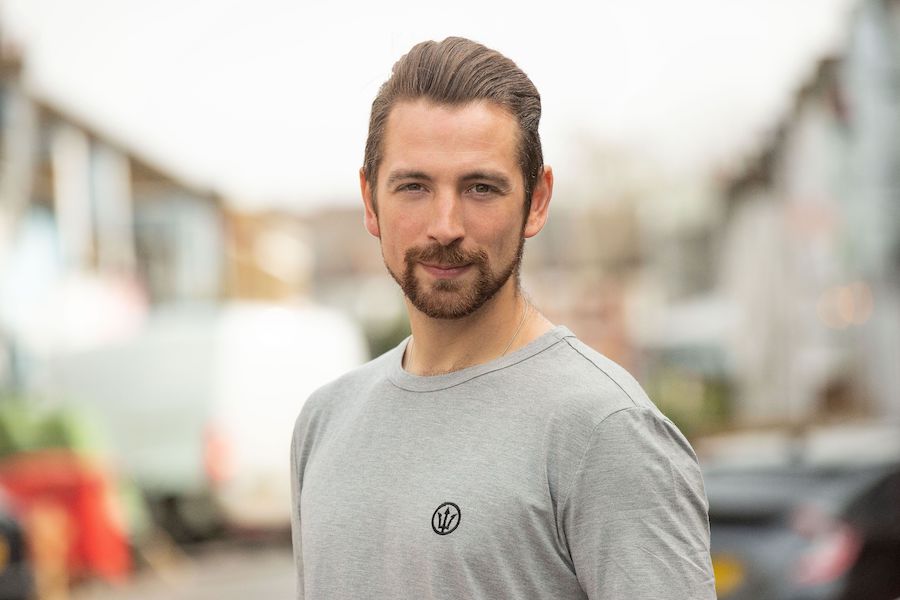
Zak Johnson wearing Naeco merchandise

Currently, 80% of the company’s revenue is generated through its sustainable corporate clothing, aptly named Reborn.
“F1 now has a head of sustainability, so do shipping companies, oil and gas companies … businesses that are seen as non-sustainable brands are now thinking about sustainability,” says Zak. “We say to a business who is already buying uniforms, or already producing plastics, that we can take that plastic and turn it into a positive story and it is not going to cost them anymore to do so. It is a really easy win for them, they just need to take their CSR budget on uniform or buy a reverse vending machine for their stores.”
Within the next few years, demand for recycled plastics will increase as governments introduce penalties to help meet carbon targets. In the EU, a plastic packaging levy introduced in January 2021 mandates member states to pay a tax of €0.80 per kilogram on non-recycled plastic packaging. Similarly, in the UK, a plastic packaging tax will be introduced in April 2022 taxing plastic packaging that contains less than 30% recycled material at £0.20 per kilogram.
But in order for measures like this to be successful, monitoring systems must be in place, and blockchain technology provides the easiest solution.
As demand for recycled plastics and traceability grows, so too does Zak Johnson’s business.
“We have seen an 8X growth this year,” says Zak. “We are doing a series A fundraising now that we are closing in December which is helping us to grow the business more quickly because we have too much opportunity. It is a five-star problem but it is still a problem.”
So, what does the future look like for Naeco and Reborn?
“My vision, my utopian view, is that we will create a world where we are recycling our own plastic waste in-territory, so each country doesn’t need to produce anymore plastic because it recycles exactly what it has,” says the company founder.
More immediately, he would like to see an entire city adopt the system within the next six months, a city that is keen to trial reverse vending machines and full traceability on their plastics. “Because if we can do a city, we can show how it is done, what the benefits are, etc. If we can do a city, we can keep rolling it out on a larger scale.”
Could Monaco be that trial city?


Ocean anchored in Glasgow Climate Pact

After six years of effort spearheaded by the Prince Albert Foundation, the oceans have now been firmly added to the list of ecosystems to protect in the Glasgow Climate Pact, signed during the COP26 summit.
A solid victory has been won for the seas in the aftermath of the COP26 summit in Glasgow. The work done by the association ‘Because the Ocean’, of which the Prince Albert II of Monaco Foundation is a founding partner, has paid off in spades with the inclusion of the seas into the Glasgow Climate Pact, which was adopted on 13th November.
The pact confirms “the importance of ensuring the integrity of all ecosystems, including forests, the ocean and the cryosphere, and the protection of biodiversity”.  This small concession is a major step forward in the fight to preserve the seas.
In Paragraph 60 of the agreement, the relevant work programmes and constituted bodies under the United Nations Framework Convention on Climate Change (UNFCCC) were asked “to consider how to integrate and strengthen ocean-based action in their existing mandates and work plans and to report on these activities within the existing reporting processes.” It goes on to say in Paragraph 61 that the Chair of the Subsidiary Body for Scientific and Technological Advice is also invited “to hold an annual dialogue, starting in June 2022, to strengthen ocean-based action and to prepare an informal summary report thereon and make it available to the COP”.
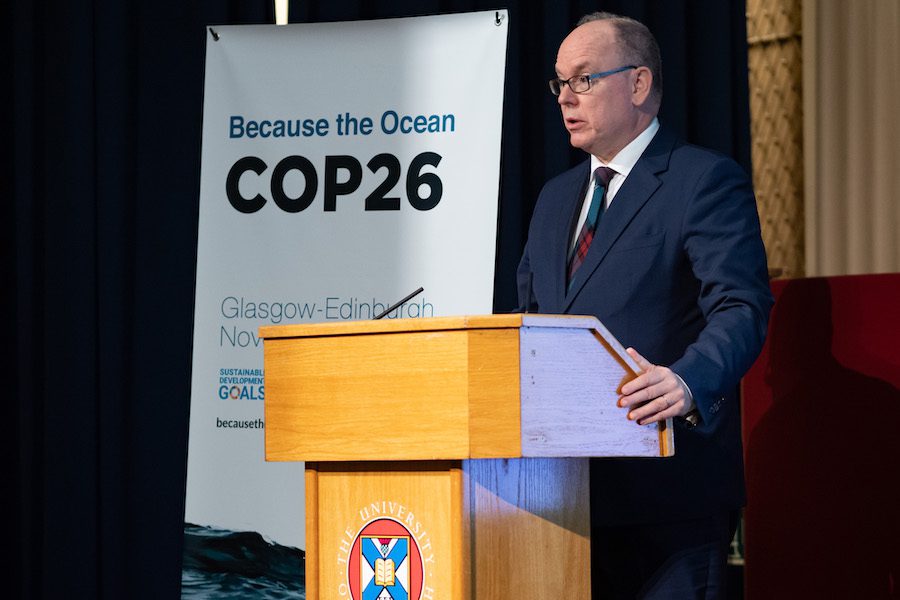
On 31st October, the first day of the COP26 conference, Prince Albert II launched the third ‘Because the Ocean’ declaration alongside several world leaders at a special event held at Edinburgh University. The declaration called for more acknowledgement of the links between the seas, climate and biodiversity, as well as appeals for ambitious measures to be put in place to combat global warming and protect the oceans.
Some of the highlights were calls to phase out greenhouse gas emissions from international shipping, promoting further development of clean offshore renewable energy sources, and the strengthening of both private and public support for climate adaptation and mitigation in the oceans. The final note declared that those who sign up must commit to working with the Intergovernmental Panel on Climate Change (IPCC) to achieve these lofty goals.

Photo by Gaetan Luci, Prince’s Palace

A plurilateral initiative in favour was signed by the governments of Australia, Belgium, Canada, Chile, Columbia, Costa Rica, Dominican Republic, Fiji, Guatemala, Honduras, France, Indonesia, Ireland, Norway, Panama, Spain, Seychelles, Sweden, the UK, and Monaco.
This was a follow up on the COP25 mandated Ocean and Climate Dialogue held in December 2020, where it was universally recognised that this event should not be a “one-off”, but a first step in cementing ocean protection linked to climate into the general overall rhetoric. The direct result is that the Glasgow Climate Pact decided to hold annual ocean and climate meetings as a matter of course from 2022.
Ongoing ocean climate discussions give the opportunity to share lessons learned, challenges faced, and offers a direct forum to talk about direct financing options, as well as technical assistance in support of sustainable solutions.
Talks also allow more concentrated ways to combine process and practice for a better understanding of how the ocean, climate change and biodiversity are inextricably linked and therefore must be considered not as separate parts, but as a whole. Collaboration is essential to make this work, say the advocates, and ocean-based solutions must be integrated into the Nationally Determined Contributions (NDCs), National Adaptation Plans (NAPs) and other UNFCCC processes.
This has been seen as a big leap forward by some ocean activists, but it still falls short of solid plans toward the 1.5ºC target agreed to in the Paris Agreement. Prince Albert II expressed regret at this delay, but remains hopeful, declaring that “solutions exist that protect nature and enable advances for mankind.”
 
SEE ALSO: 

“The COP has turned blue”

 
Photo by Naja Bertolt Jensen on Unsplash


Drone show to replace fireworks on 18th November

The Mairie on Tuesday announced that 196 drones will take to the sky above Monaco on Thursday night for a light show in celebration of National Day on the 19th.
The Mairie traditionally organises a host of festivities to celebrate Monaco’s National Day, including a fireworks show on the 18th.
But this year, the City Hall is putting on a more environmentally-friendly display, a drone light and music show, created and choreographed by local company MC-Clic.
At around 8pm, 196 light drones will fly in the sky above the Prince’s Palace for 12 minutes for a display that can also be enjoyed by people as far away as the Fun Fair in Port Hercule.
A secure area with sound will be reserved for the public on the north side of the port. Access is free and mask wearing is mandatory.
 
 
Photo by William Daigneault on Unsplash 


Transfer round-up: Tchouaméni, Golovin and Adamu linked with moves

In our new, regular feature, Monaco Life sports journalist Luke Entwistle brings you the ‘Transfer round-up’, uniting all AS Monaco related transfer rumours in one place.
Aurélien Tchouaméni – linked by Tuttosport to Chelsea. Touted for a fee of €50 million. A deal could be complicated by interest from other clubs, most notably Manchester United, Real Madrid and Juventus, but it remains to be seen whether ASM would be willing to let their young international star leave mid-season. Tchouaméni’s impressive form for Kovac’s side has seen him become a full French international, and he has quickly asserted himself in Didier Deschamps’ side.
Benoit Badiashile – linked by Calciomercato to Tottenham. The French U21 international’s recent impressive form has seen him linked with a potential £25 million move to Antonio Conte’s side. An integral element of an ASM defence which hasn’t conceded in their last three matches, Badiashile would fetch an attractive fee, and with interest throughout the continent, a subsequent bidding war would only increase this fee.
Aleksandr Golovin – linked by Liverpool Echo via Championat to Everton. Benitez is thought to be a long-term admirer of the Russian playmaker, and ASM are hoping to fetch a fee of around £40 million. Although it remains to be seen whether Everton would be willing to meet the asking price in the January transfer window, what is clear is that Benitez is keen to replace James Rodriguez who left the Mersey club to join Qatari side Al-Rayyan towards the end of the summer transfer window.
Chukwubuike Adamu – linked by The Daily Mail to AS Monaco. The British newspaper is reporting that Kovac is interested in Red Bull Salzburg. The £15 million rated Austrian striker is attracting interest from all around Europe with Southampton, as well as a host of Bundesliga sides interested in securing his signature.
Jonathan Clauss – linked by Foot Mercato to AS Monaco. The French right-back, who has enjoyed a strong start to the season with RC Lens is in demand on the French Riviera, with interest from both OGC Nice and ASM Monaco. According to Foot Mercato, Clauss would be available for a fee of around €15 million, and would compete with Aguilar for the right wing-back position.
Patrick Wålemark – linked by Göteborg Posten to AS Monaco. The Swedish right-winger, capped six times by his country at U21 level, is believed to be a player of interest. Having registered eight goals and six assists for Häcken in the Swedish top division, he has now started to catch the attention of numerous clubs across the continent. The 20-year-old winger interests Monaco greatly, but is also attracting interest from Girondins de Bordeaux, Ajax, Atalanta, Anderlecht and Sassuolo.
 
 
Photo of Aurélien Tchouaméni, source: AS Monaco football club


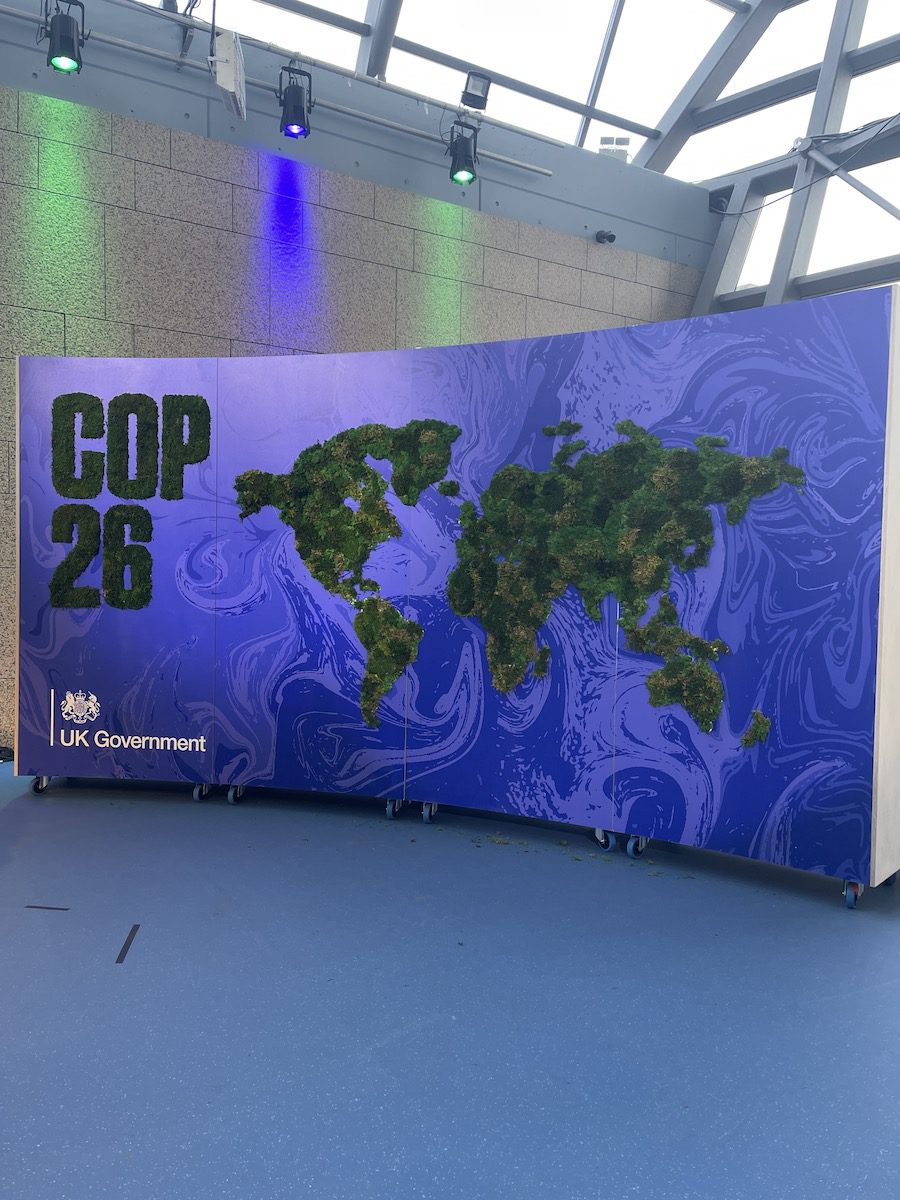
Opinion: an overview of the COP26 summit

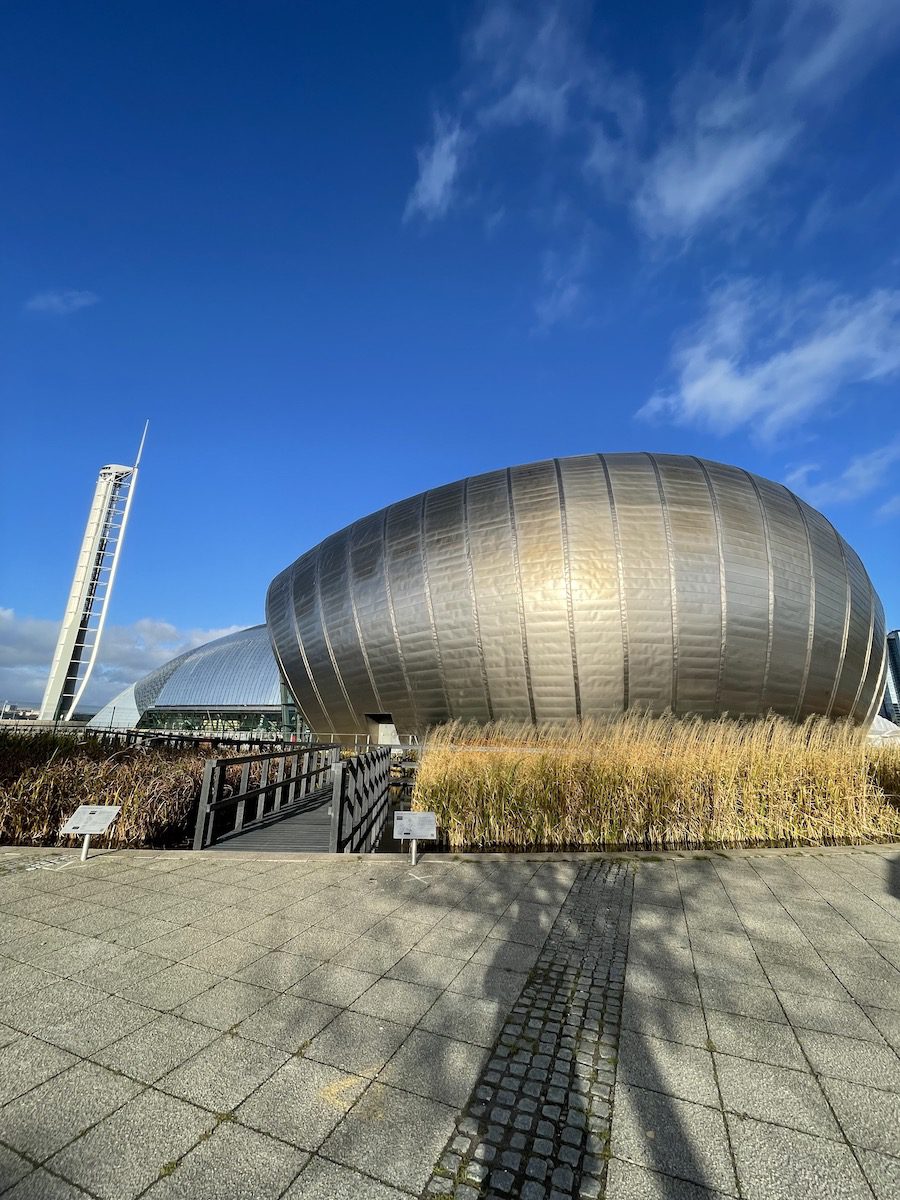
COP26 was the most significant climate conference since 2015, a unique opportunity to finalise the Paris Agreement to drive tangible action on the climate emergency. National leaders were urged to take the necessary steps to reduce emissions, mobilise funding, and boost adaptation and resilience across multiple, beautifully constructed sites in Glasgow city centre on the banks of the River Clyde.
The result was an important step in the fight against climate change; a new pact that talks about the world’s use of fossil fuels for the first time. Yet there is still much to do to build a positive human future and now is the time to turn all these high level “conversations” into actions.
Implementing change with the necessary pace and scale will require unprecedented commitment, innovation, collaboration and partnerships across governments, industry, financiers and innovators. To avoid the worst impacts of climate change, global carbon emissions need to fall by 45% by 2030. But the recent IPCC (Intergovernmental Panel for Climate Change) report shows emissions are set to rise by 16% during this period.

Methane has a global warming potential of more than 80 times that of carbon dioxide over a 20-year period, making it a powerful heat trapper. But it only stays in the atmosphere for 12 years, far less than carbon dioxide. In practice, this means reducing methane emissions can have a faster impact on reducing global warming and buy us some valuable time. Over 60 countries have joined the Global Methane Pledge to cut methane emissions by 30% by 2030.
Current commitments put the world on track for a global temperature rise of 2.7°C by the end of the century. To stand a chance of limiting global warming to even 1.5°C, the next eight years will be crucial. Greenhouse gases need to be halved and drastic changes need to occur through international policies.
Any temperature increase approaching 2.7°C would be a disaster for humanity and many of the planet’s species. According to the IPCC, even an increase of 2°C would have a major impact on food, security and human health. Insects, vital for pollination of crops and plants, are likely to lose half their habitat at 1.5°C. This becomes twice as likely at 2°C. The frequency and intensity of droughts, storms and extreme weather events will rise with every increment in temperature, as we are already seeing with a global temperature increase over pre-industrial levels of around 1.2°C.

We must all work together to accelerate and scale the climate response through financing and technological innovation. But how can we achieve this?
It is all well and good highlighting the issues and it is a huge step forward by just making the environment part of our vernacular. But it is action that counts, and unless we all make changes to our lives then we will still be having the same conversations in decades to come when it will all be too little, too late.
The world leaders at COP26 are capable of large scale change, which in turn can see almost immediate results. But it is us mere mortals that need to change our daily habits to make a real difference. And unless we make them habits, then how do we ever expect this situation to improve?
Let’s see how many of the conversations had this November will have been actioned by COP27 in Sharm El Sheikh next year.
 
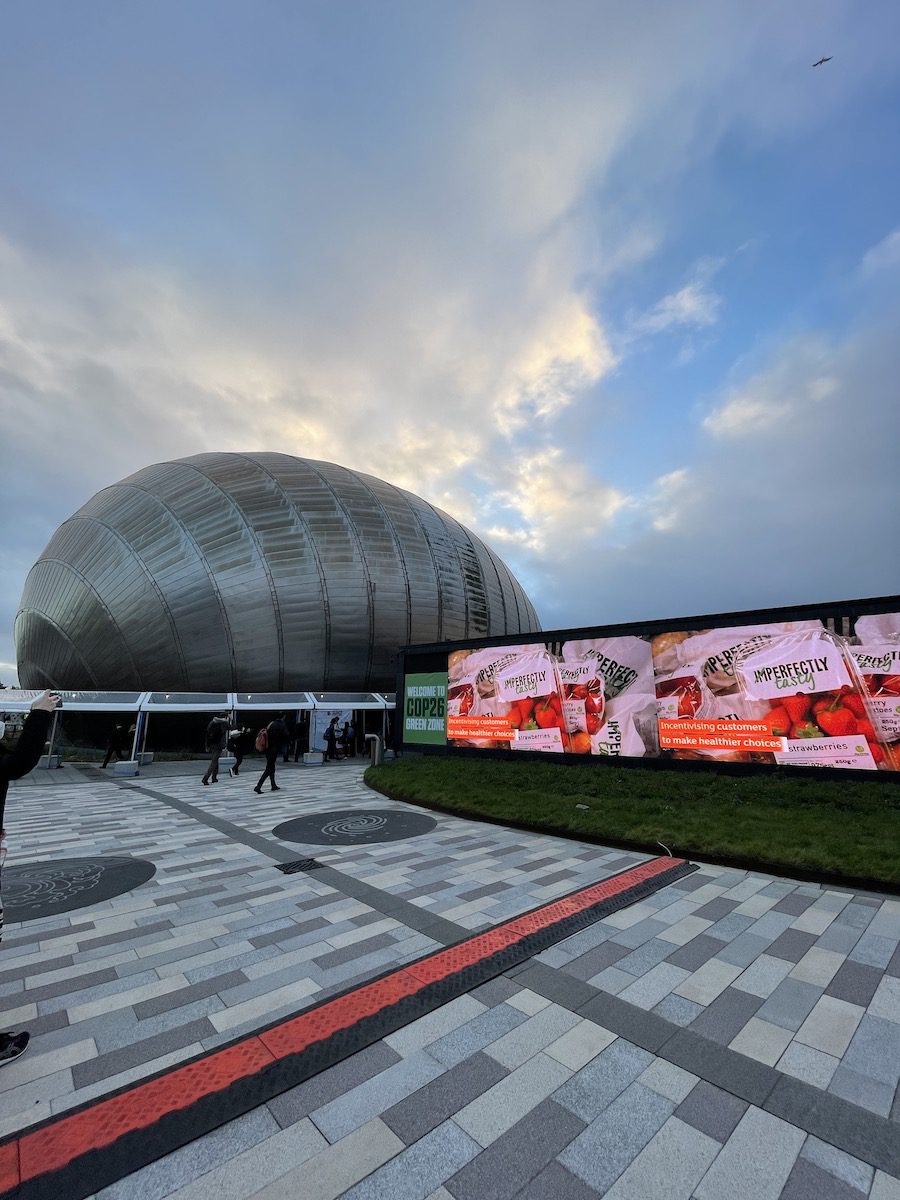
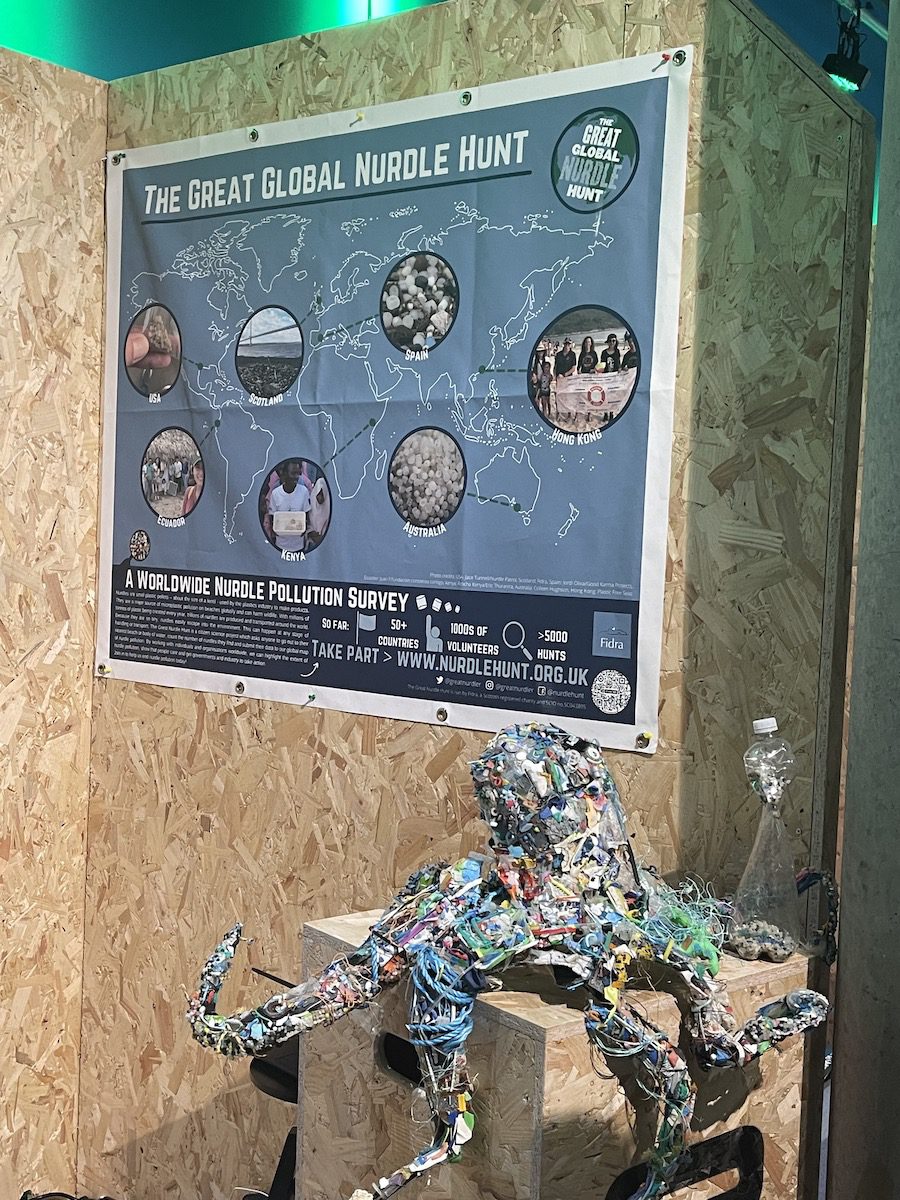
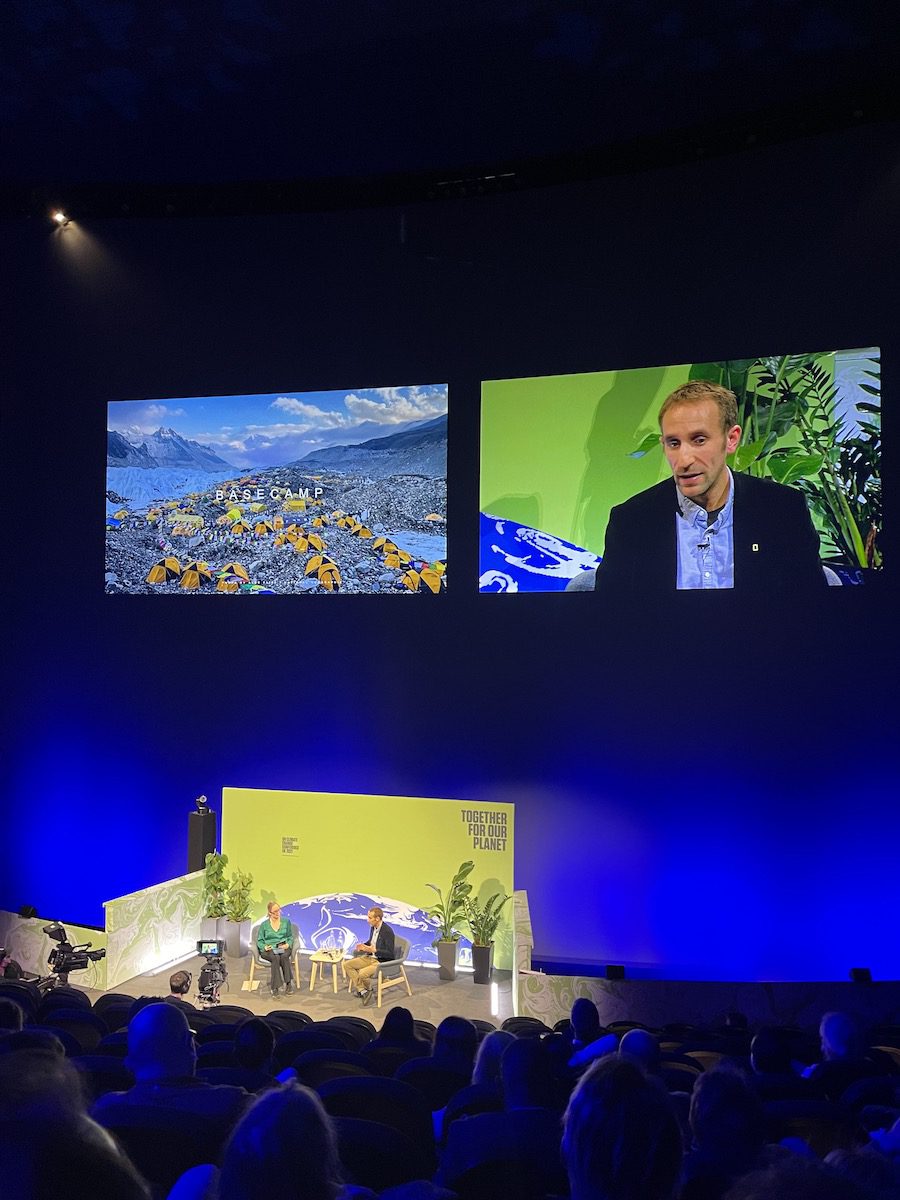
Click on the photos below to see more pictures from COP26…


Roca team re-find their form in emphatic style

AS Monaco basketball responded to their recent disappointing displays with two dominant performances over the weekend, putting them back in contention on the European and domestic fronts.
The Roca team backed up their drubbing of Bayern Munich on Friday, with an even more comprehensive win over Cholet on Sunday.
Nearly 4,000 Monaco fans crammed into the Salle Gaston Médecin in Fontvieille for Friday’s fixture, and they didn’t have to wait long before their team hit the front. Leo Westermann, who was consistently finding himself in space on the left touchline, began the game in emphatic style, scoring the opening eight points of the match with 100% accuracy.
Will Thomas then got in on the act, firstly with a two pointer when he did well to manufacture space in a tight area and then find great accuracy with the shot on the spin. He then found himself with time outside the arc to accurately dispatch another three pointer for La Roca side.
Monaco had an unrelenting intensity, both in attack and in defence, that went unmatched throughout the game. Having won the first quarter 27-20, they pushed on to increase that lead in the second, aided by two Danilo Andjusic three pointers, as well as a flurry of two pointers by Dwayne Bacon to go in at half-time 55-43 up.
From there, Monaco consolidated their lead, drawing the third quarter, before closing the game out with a dominant fourth quarter, ultimately securing the win 94-71. Mike James finished as the top scorer with 18, closely followed by Andjusic and Bacon with 16.
Not wishing to dwell on the win, Coach Zvezdan Mitrovic’s thoughts turned immediately to Sunday’s fixture against Cholet, a team that they struggled against last year, and who have since improved further. Mitrovic acknowledged the short turnaround for all Euroleague sides this year. “There are lots of problems with consistency for all Euroleague teams. Bayern are also struggling in their domestic championship.”
There was, however, no such hangover for Mitrovic’s men as they backed up their Euroleague win with an even more emphatic display at home against Cholet. A tightly-contested first quarter, which was edged 24-25 by Cholet, gave the false illusion of a tight encounter; what followed was a complete annihilation.
AS Monaco basket took the second quarter by an impressive 18-point margin (27-9), and this display then set the tone for a dominant second-half as wins in both quarters (30-13 and 21-12) gave Mitrovic’s men a resounding 102-59 victory. Yakuba Outtara and Brock Motum this time the outstanding points scorers with 23 and 22 points respectively.
Keen to avoid over-analysis after two impressive weekend displays, Mitrovic succinctly summarised, without embellishment, his side’s performance after the match. “It was a very good collective display”.
The victories not only put them back in contention on both the domestic and European fronts, but the manner of them was an emphatic sign of strength that is sure to disturb their rivals.
 
 
Photo source: AS Monaco Basket