

Monaco’s schools have welcomed 6,592 pupils for the 2026-2027 academic year, just 26 more than last year, yet beneath that stable figure the gradual shift away from public education has continued, with state schools losing 50 pupils while the private sector gained 76.
The latest figures from Monaco Statistics (IMSEE), compiled from Department of Education, Youth and Sport data, also show how much the Principality’s classrooms depend on its neighbours. Almost a third of pupils live outside Monaco, and French nationals now outnumber Monegasques almost two to one.
Public share slips to 62%
Public schools still educate the majority of children in Monaco, with 4,089 pupils, or 62% of the total, spread across 10 of the Principality’s 16 primary and secondary schools. A year ago, the public sector taught 4,139 pupils and accounted for 63% of enrollments, as reported by Monaco Life in December.
The private sector now educates 2,503 pupils. Of these, 1,402 attend private schools under contract with the State, representing 21% of enrollments, while 1,101 are enrolled in private schools outside the contract system, or 17%. That second group has grown steadily: two years ago, it accounted for 14% of Monaco’s pupils.
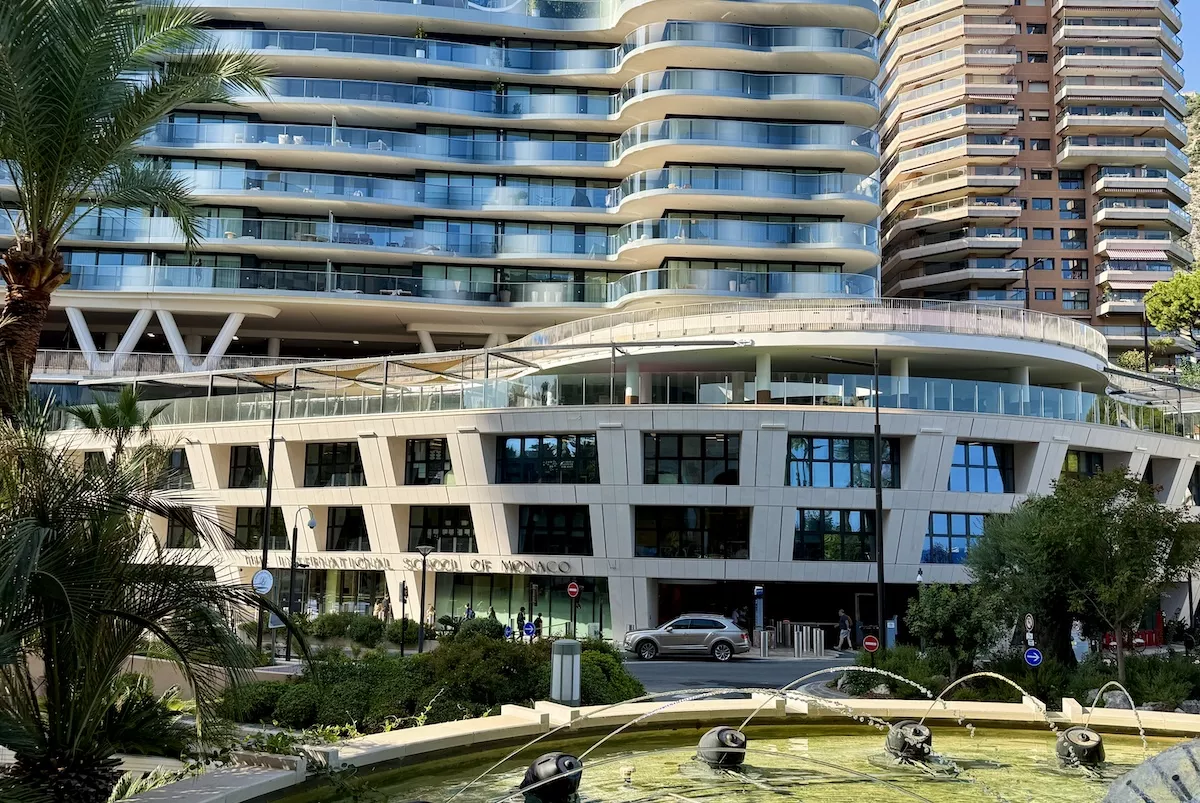
The growth of the private sector in recent years has been driven largely by the arrival of the British School of Monaco, which opened in Fontvieille in 2022 and added secondary classes in 2024, and by the International School of Monaco’s move to its larger Testimonio II campus that same year.
Almost a third of pupils live outside Monaco
Of the 6,592 pupils enrolled, 4,473, or 68%, live in the Principality. Almost a quarter (24%) live in one of the French municipalities bordering Monaco, while a further 7% travel in from elsewhere in the Alpes-Maritimes, meaning roughly 2,000 children cross the border each school day.
The figures do not show how these pupils are distributed between schools. However, last year’s data indicated that Monaco residents were more inclined towards private education than families commuting from France, with 74.6% of private-school pupils living in the Principality, compared with 65.7% of those in public schools.
French pupils outnumber Monegasques
French nationals form the largest group in Monaco’s schools, with 2,576 pupils, or 39% of the total, up from 38% last year. Monegasque pupils number 1,343, holding steady at 20%.
Together, the two nationalities account for around 59% of enrolments, with the remaining 41% made up of other nationalities. Last year, Italians were the third-largest group at 12.7%, with 92 nationalities represented in all, although this year’s summary does not break down nationalities beyond French and Monegasque.
Boys and girls are almost evenly split, at 3,317 and 3,275 respectively.
A handful of schools dominate
At primary level, three schools educate 44% of pupils, with FANB the largest, followed by École Saint-Charles and the International School of Monaco. Secondary education is far more concentrated, with Collège Charles III, Lycée Albert Ier and FANB together teaching 74% of all secondary pupils.
More children in special needs education
The number of pupils receiving special needs education has risen to 71, eight more than last year, an increase of 13%. They represent around 1% of all pupils in primary and secondary education.
The figures, published by IMSEE in October, exclude nursery and higher education but include pupils at the Princess Grace Dance Academy and the AS Monaco Academy.
Monaco Life is written by qualified journalists, writing original content. Sign up for our free newsletter, listen to our podcasts on Spotify, and follow us across Facebook, Instagram, LinkedIn, and Tik Tok.
Photo of International School of Monaco, credit: Cassandra Tanti