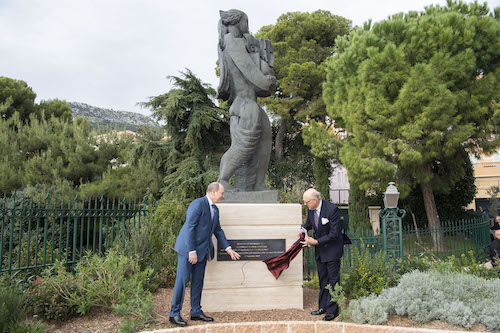
The monumental work ‘The Messenger’ by Ossip Zadkine has taken up residency in the forecourt of the Oceanographic Museum of Monaco.
Inaugurated by Prince Albert II of Monaco on Thursday 7th November, the sculpture created by cubist artist Ossip Zadkine (1890 -1967) was donated to the Oceanographic Institute by the Broere Charitable Foundation.
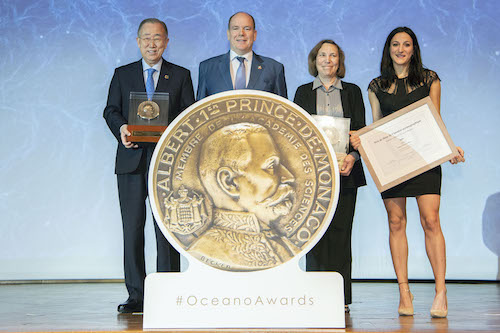
The Broere Foundation has been a member of the Association of Friends of the Museum since 2013 and Cornelis Broere is, through his foundation, a generous patron of the Oceanographic Institute. It contributes to the influence of the institute’s activities, notably the ‘Great Medals of Albert I’, which each year award the most eminent players in the science and mediation of the ocean.
The Broere Charitable Foundation acquired the monumental sculpture by Ossip Zadkine in 2014. Cornelis Broere offered to entrust it to the Oceanographic Institute for integration into the public space near the Oceanographic Museum, honouring the initial desire of its founder, Prince Albert I: “To unite in the same brilliance the two leading forces of civilization: Art and Science”.
“This gift from the Broere family marks their thanks and gratitude for the hospitality shown by the Principality of Monaco, as well as for its noble and exemplary efforts in safeguarding the oceans.”
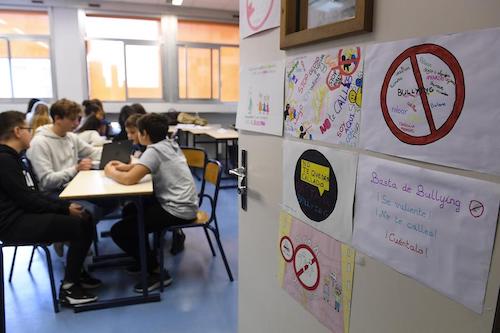
Monaco’s government takes harassment very seriously and has made awareness a top priority in schools. To reiterate their commitment to combat bullying, all public and private schools were asked to participate in 2019’s ‘No Harassment Day’.
The event gave young people a forum to speak openly about bullying, how to react to it and how to prevent it. Workshops and talks were scheduled throughout the day and offered valuable insights to students whilst giving them an opportunity to work together on solutions.
At College Charles III, sixth and third year students worked in pairs on tablets playing an interactive game in Spanish called ‘Protect your image’ aimed at making clear what is and is not appropriate online comportment.
Additionally, the school hosted a choreographed multi-lingual show, backed up by a video presentation, using slogans created by the 6th graders, and a third exhibition, created with the help of the technology and visual arts departments entitled ‘Charter of Good Cyber Behaviours’ allowed children to better grasp the different forms of bullying, what constitutes harassment and offered ways to cope with the problem.
The government, through the efforts of the National Education, Youth and Sports Department, is alert and sensitive to this issue and works with the schools to prevent, detect and handle cases of bullying as they arise.
Photo: No Harassment Day / Communication Department- Manuel Vitali
The Red and Whites leapfrogged from 15th to 11th place in Ligue 1 standings after a hard fought win at home against Dijon on Saturday.
Ending on a high before the international break, Monaco beat Dijon in a close 1-0 match at Stade Louis II putting them firmly in the safety zone out of relegation status.
Resolute for a comeback after the disappointing loss to Saint Étienne, the team came out ready to win. The offense was strong from the outset and at the 20th minute, Kamil Glik took a head shot but was blocked by Bafétimbi Gomis. The ball came back to Glik, but he couldn’t convert it to a goal.
Eight minutes later, it was again Gomis who thwarted Monaco’s Benoît Badiashile, followed by a rare missed opportunity by Slimani. Goalie Benjamin Lecomte was made to work for his supper in the 34th and 39th minutes with two attempts by Mounir Chouiar but handled it with aplomb.
Finally, just before the break in the 41st minute, Slimani made a superb pass to Aleksandr Golovin who skilfully scored the only goal of the game.
The second half was a series of back and forth efforts on both sides, with one particular scare for Monaco when Chouiar raced past Glik and nearly evened up the score around the one hour mark. After that, it was Monaco’s game to win and win they did.
Monaco is undefeated against Dijon at home in their last five games and have now won five of their last seven Ligue 1 games, putting their early season rocky start behind them and looking like the contenders fans knew they could be.
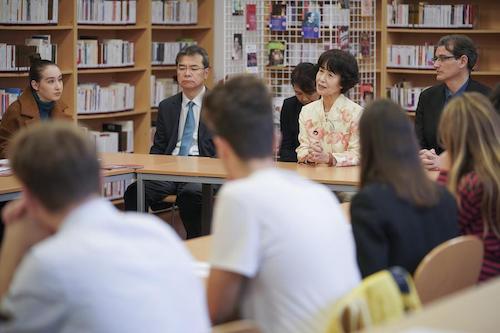
A rare survivor of the nuclear blast that effectively ended World War II in the Pacific has spoken to a group of mesmerised students and staff members at Lycée Albert I.
Organised by the International Campaign to Abolish Nuclear Weapons (ICAN), The high school’s history and geography class were told the incredible and sad true story of what happened immediately after the event.
Noriko Sakashita was only two years old on 6th August 1945 when her hometown of Hiroshima was almost entirely destroyed by a nuclear weapon dropped by American forces. Her home was located a mere kilometre and a half from the point of impact, and the fact she survived at all is nothing short of miraculous.
She is known as a “Hibakusha”, Japanese for victim of a nuclear attack, and was heavily wounded by the blast, being thrown several metres in the air and suffering cuts on her forehead caused by falling debris. She was later exposed to “black rain” during the evacuation process, the fallout in the aftermath of an atomic explosion where a poisonous mixture of ash and radioactive particles fall to earth.
Ms Sakashita has been travelling on the latest expedition of the Global Voyage for a Nuclear-Free World’s Peace Boat to raise awareness of the human cost of nuclear weapons and to call for the ratification of the Treaty of the Prohibition of Nuclear Weapons.
Following her visit to the school, she was welcomed by HSH Prince Albert II at the Prince’s Palace where she shared her experience with the Sovereign.
Photo: Noriko Sakashita at Lycée Albert I / Communication Department- Michael
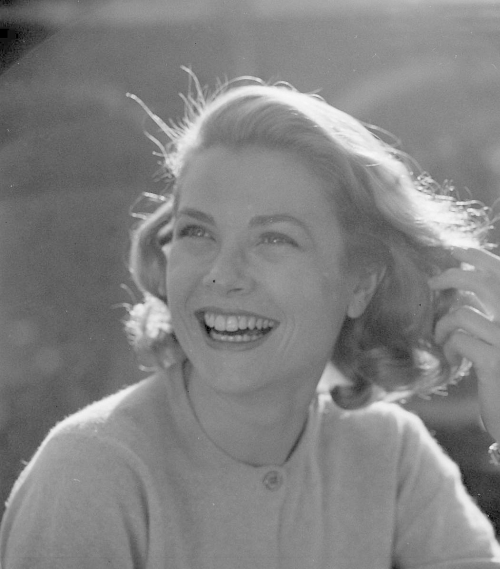
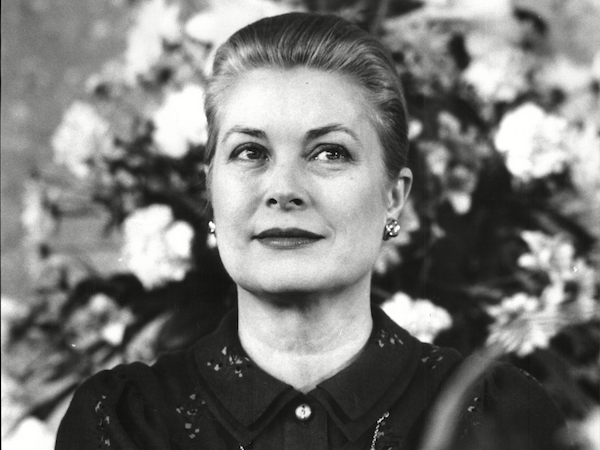
Princess Grace was the Hollywood icon that formed a cultural bridge between two very different worlds and inspired a generation of young hopefuls that fairy tales really can come true. To celebrate 90 years since her birth, Monaco Life is taking readers back through time to rediscover the life of one of the Principality’s most beloved princesses.
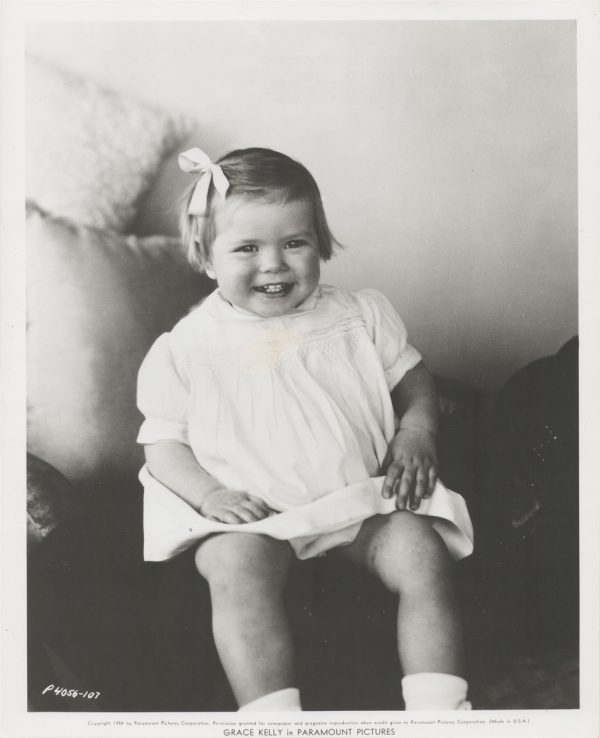
Grace Patricia Kelly was born on 12th November 1929 in Philadelphia into an extraordinary family. Her father John Kelly was a triple Olympic gold medal winner in sculling and had built a very successful construction company. Her uncle was the playwright George Kelly, and her mother Margaret had been a model and the first woman to head the physical education department at the University of Pennsylvania.
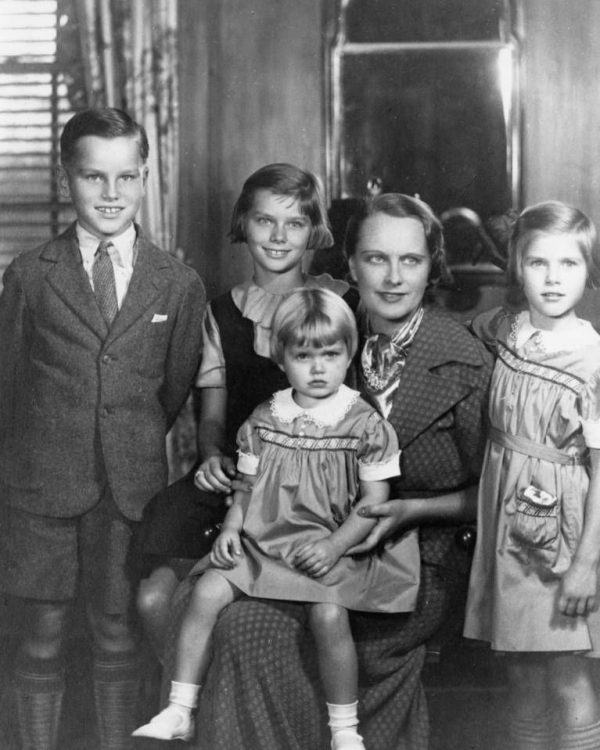
Grace Kelly on the far right with her mother and siblings
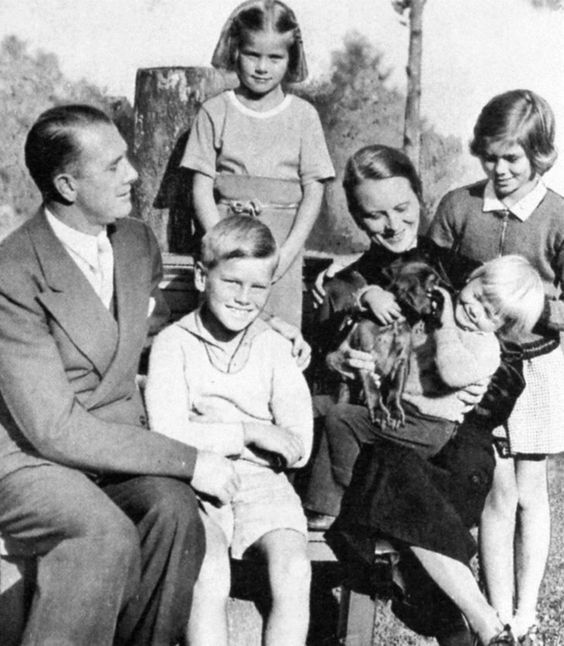
Grace had two sisters and one brother and was educated in convent and private schools before being admitted to the American Academy of Dramatic Arts and moved to New York in 1947.
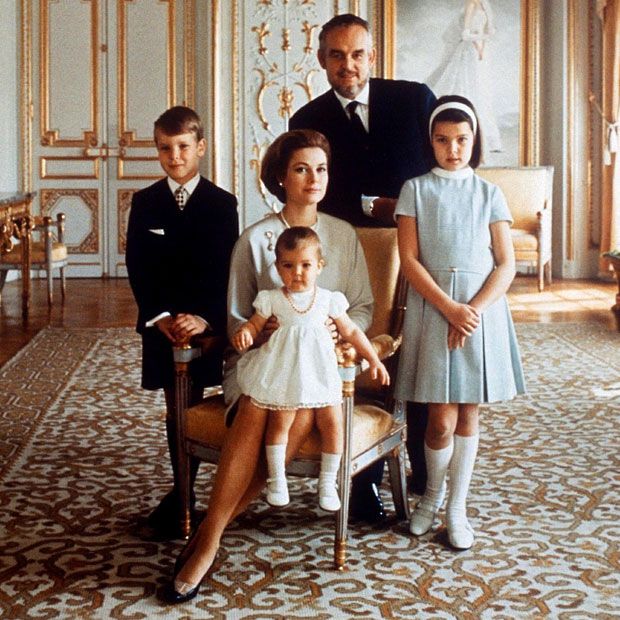
The Kelly family, with Grace Kelly at the top of the picture
Grace Kelly made her Broadway debut in 1949 in August Strindberg’s The Father. After appearing in a number of television dramas, she made her big-screen debut in Fourteen Hours.
Grace Kelly holding her Oscar the night she won best actress for The Country Girl at the 27th Annual Academy Awards, in 1955
She rose to fame as a leading Hollywood actress following her prominent role in High Noon. Along with her Academy Award-winning performance in The Country Girl, she starred in the Alfred Hitchcock films Rear Window, Dial M for Murder and To Catch a Thief.
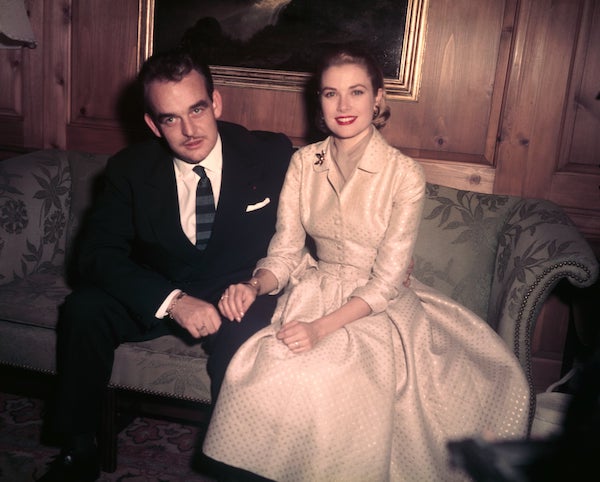
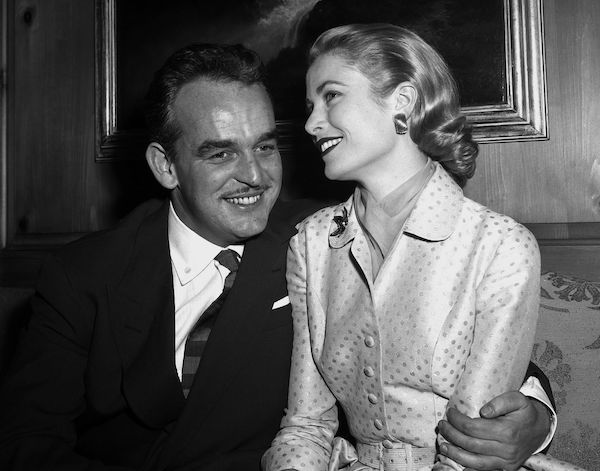
While attending the Cannes Film Festival in 1955 to promote To Catch a Thief, she was invited to join Prince Rainier III at the Prince’s Palace in Monaco. Their first meeting was documented by Paris Match magazine, which organised the get together.
Image Source Getty – Bettmann
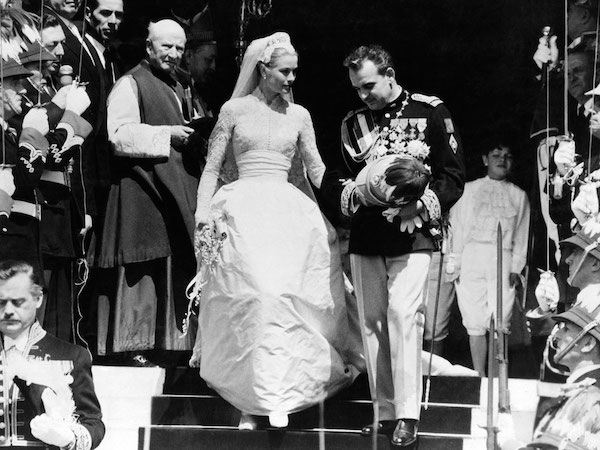
Less than a year later, on 18th April 1956, Grace Kelly married Prince Rainier III at the age of 26.
Her final two films were The Swan (1956) and High Society (1956), but Grace Kelly’s studio, MGM, was loathe to let her go. So, they turned the wedding into a full-fledged production, with every aspect of the day filmed and watched by more than 30 million viewers worldwide.
Princess Grace and Prince Rainier had three children: Princess Caroline, Prince Albert, and Princess Stéphanie. She was fiercely protective of her children and did all in her power to keep them safe from prying eyes, saying: “The sometimes inquisitive and unhealthy interest that the media show in us is often the source of childish anxieties that are hard to allay. I do everything I can to protect my children from them.”
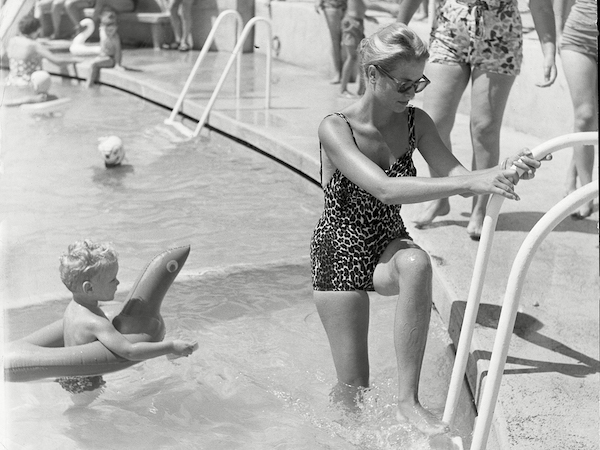
Princess Grace at a swimming pool with son Prince Albert
Despite being offered more screen roles, Grace Kelly, as the new Princess of Monaco, never acted again. She embraced her role as a ceremonial leader of Monaco and became involved in many cultural and charitable organisations. She also restored the brilliance of the Principality, reviving links established by the Monte Carlo Ballet and facilitating numerous visits of many artists from all over the world.
In 1958, Princess Grace took over the presidency of the Monaco Red Cross from Prince Rainier, and it went on to become one of the most generous in the world. She was passionate about retaining the Principality’s last examples of Belle époque architecture, reportedly thwarting an attempt to demolish the Hermitage Hotel.
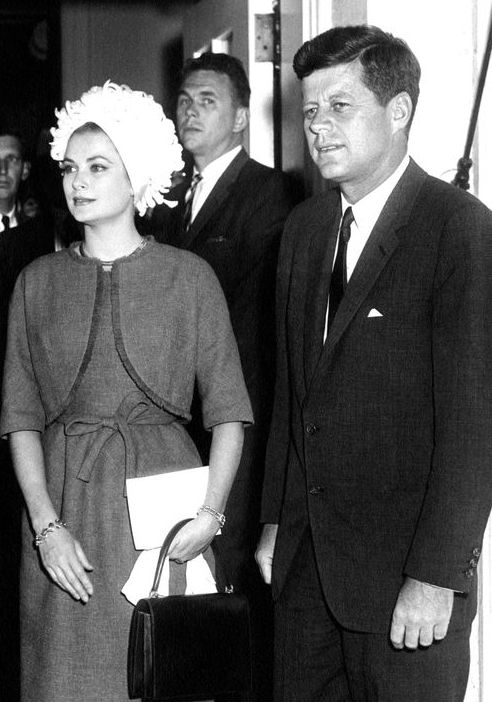
Princess Grace with US President John F Kennedy
Princess Grace also founded an annual ballet festival and, in 1963, helped establish AMADE, Association Mondiale des Amis de l’Enfance or World Association of Children’s Friends, which today helps over 40,000 of the world’s most vulnerable children through education, health, emergency relief and child protection.
The following year the Princess Grace Foundation was created to help children in hospitals throughout France and to support paediatric medical research. Since 1984, under the presidency of Princess Caroline, the foundation also gives financial assistance to arts institutions and to emerging artists. It also administers the Princess Grace Irish Library, which promotes Irish literature.
While she never acted again, she did lend her narration to one or two documentary films and gave occasional poetry readings. In 1976 she joined the board of Twentieth Century-Fox Film Corporation and she regularly made private films shot with an undeniable ‘Hitchcock’ flavour.
Princess Grace died at Monaco Hospital on 14th September 1982, succumbing to injuries sustained in a traffic collision the day before. At the time of her death, she was 52 years old.
She is listed 13th among the American Film Institute’s 25 Greatest Female Stars of Classical Hollywood Cinema.
Dinner in the legendary wine cellars of the Hôtel de Paris
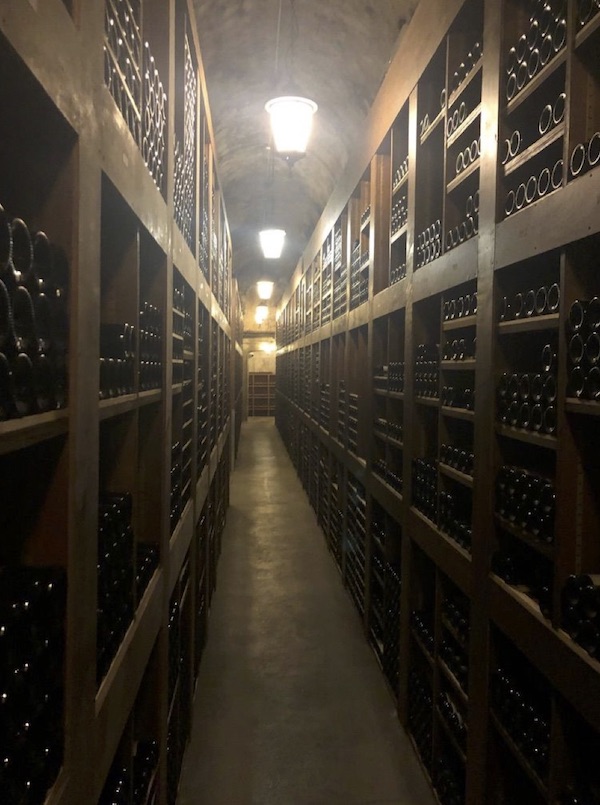
Hidden beneath the Hôtel de Paris Monte Carlo is the largest wine cellar in the world, with some of the finest grand crus among 350,000 bottles. Monaco Life lifestyle correspondent Isabella Marino headed 10 metres underground to discover Monte Carlo’s unique legacy.
The cellars of the Hôtel de Paris were born from the vision of Marie Blanc, wife of “The Magician of Monte Carlo” François Blanc. In 1874, 10 years after the inauguration of the Hôtel de Paris, she decided to provide the establishment with a cellar that met the requirements of its clientele.
Today, the cellar supplies all the outlets of SBM including 22 restaurants of the group. Each year, more than 300,000 bottles come to the surface and take their place on the tables of SBM restaurants.
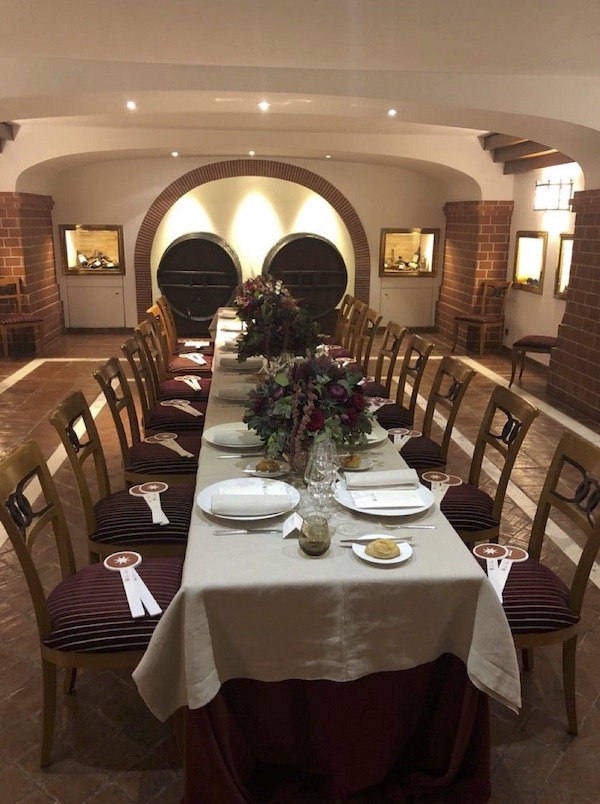
Recently, I was fortunate to be invited to an intimate private dinner in the mystical cellars of the Hôtel de Paris. The evening was hosted by luxury Cashmere brand Loro Piana and Pier Luigi Loro Piana, who wanted to share this magical evening with us and 11 other guests.
The night began with a tour of the cellars, guided by a master sommelier who explained to us the incredible history of the cellars, before leading us to the wine tasting room where we sampled a selection of wines and Champagnes.
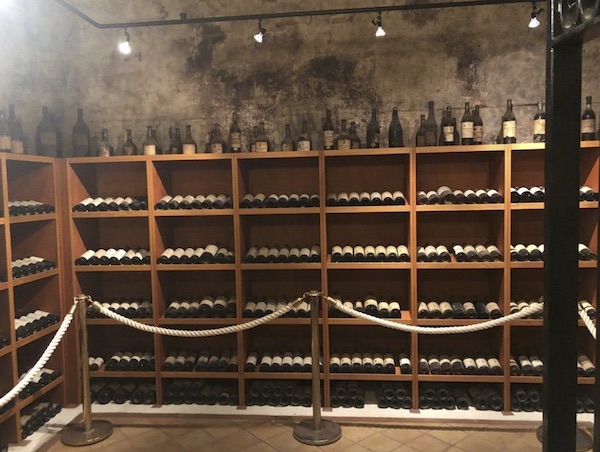
The area is immense, 1,500m2 to be exact, and features a full kilometre of wine racks. The bottles are arranged according to year, laid on large rack-like shelves or kept in their cases. Labels indicate the wines that are currently “in rotation”, or offered in the hotels and restaurants.
The wine cellars are supervised by the head cellarman and his team. The house philosophy is to respect age-old expertise, to never lose sight of the link between the wine cellar and the restaurants, and to remember that the heritage they protect is the legacy of previous generations and a foundation for those to come.
Cellarmen, chefs and sommeliers are able to create wine lists which will pair perfectly with the dishes in their establishments.
Five main categories are represented in the cellars: Champagne, Provence, Bordeaux, Burgundy and Rhone Valley. The single most represented region is Bordeaux: 50% of the wine stored at the Hôtel de Paris Monte Carlo is from Bordeaux.
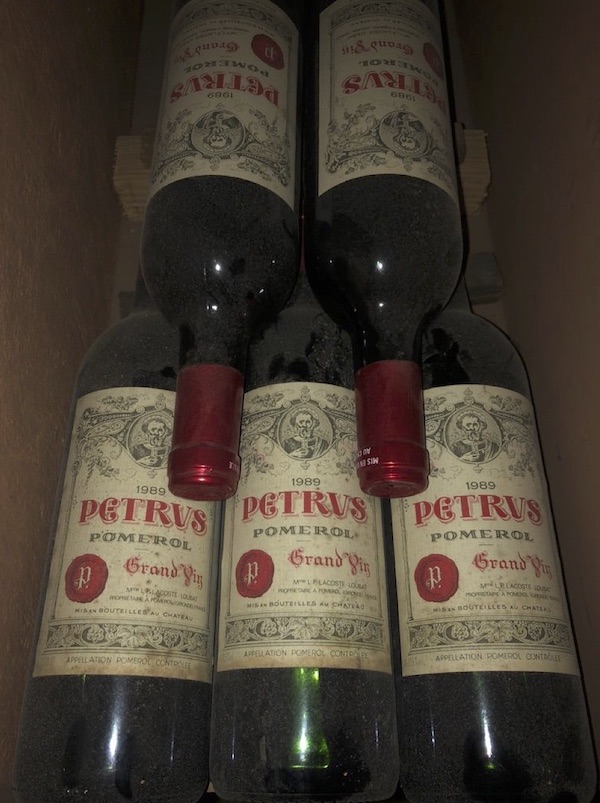
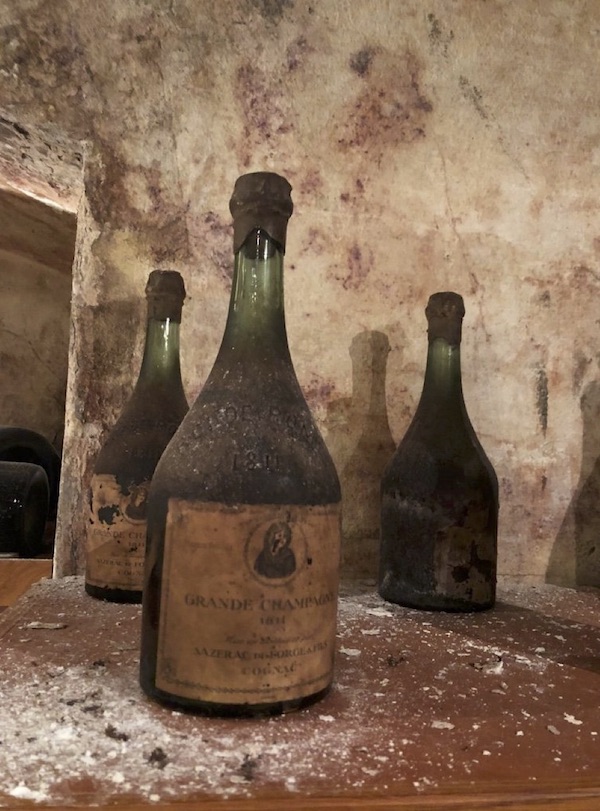
Inside the so-called La Chapelle are the rarest wines in the world, including vintages dating back to 1874. Lafite, Rothschild, Petrus, Cheval Blanc, Yquem, Romanée-Conti, Dom Pérignon and Cristal Roederer, to name a few.
Precious eaux-de-vie, exceptional champagnes and primeur wines for breeding are kept in optimal conditions. The temperature is ideally maintained between 13°C and 14°C and the hygrometry rate is constant at 80%.
The tour was followed by a delicious gourmet dinner, where each dish was perfectly married to a different wine. Mr Loro Piana shared with us interesting conversations and the atmosphere was very warm, filled with special flavours and smells.
If you are looking for a magical and original setting for a private wine-tasting or a dinner to celebrate an event, a birthday or to simply pass an unforgettable evening between friends, the Hôtel de Paris Wine Cellars are just the place!
All the headlines and highlights from Monaco, direct to you every morning