New online tools transform Monaco’s hiring process

Monaco has taken a significant step forward in modernising its employment system, launching a fully digital process that allows employers and job seekers to manage recruitment entirely online. 

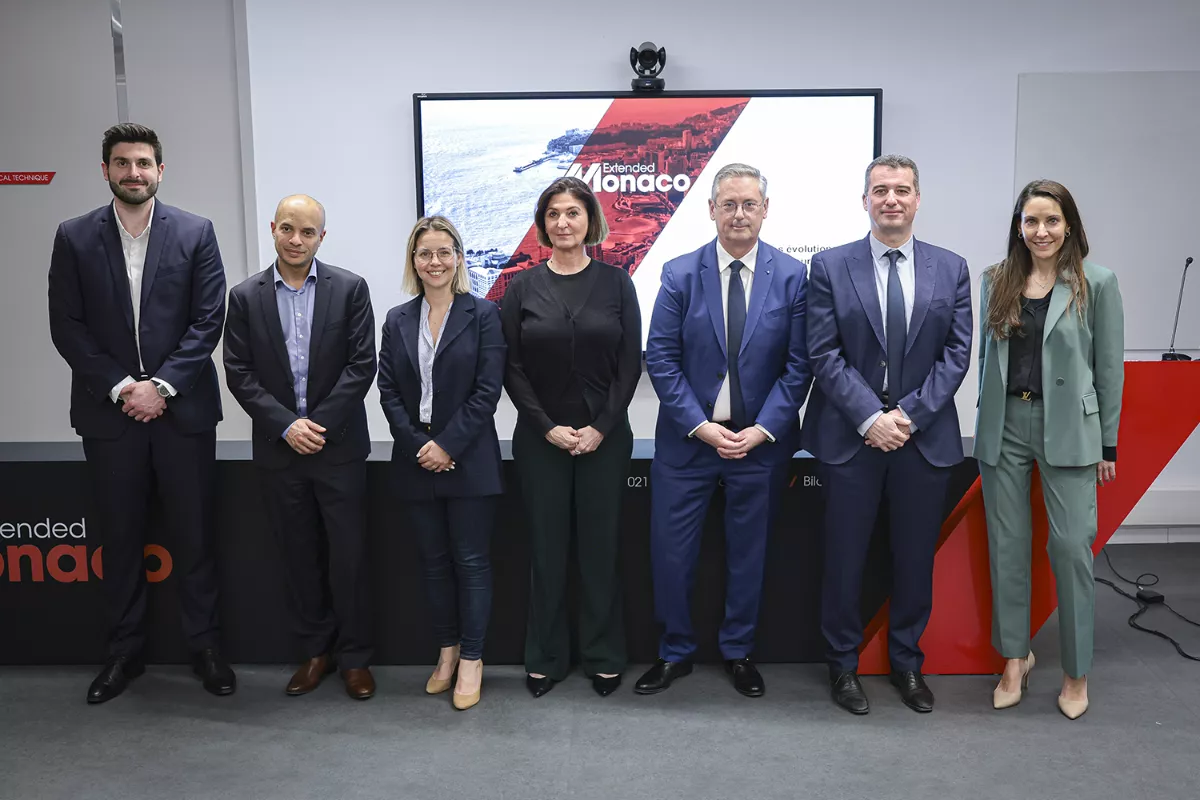
The announcement was made on March 30th during a press conference, bringing together the Department of Social Affairs and Health (DASS), the Labour Directorate and the Inter-ministerial Delegation for Digital Transition (DITN).

What changed

From March, employers registered in the Principality can complete the entire hiring process through the MonGuichet.mc portal, available around the clock.

This includes filling in hiring authorisation forms online, signing documents electronically, and paying the associated fees by bank card or SEPA mandate — all without setting foot in an office.

Alongside this, a new online CV library has been launched, allowing registered job seekers to upload their CV’s and become visible to Monaco employers searching for candidates.

Officials highlighted that the system had been developed in close collaboration with the private sector. Marine Rolando, head of the e-Government division at the Digital Services Directorate, explained that extensive groundwork had been laid before development began. “There were many workshops held upstream, even before the tools were built, to properly capture needs and address the pain points,” she said.

Currently, over 3,600 private sector employers are registered with the Labour Directorate, some 40,000 job offers are submitted each year, and more than 60,000 hiring authorisation requests, modifications or renewals are processed annually.

With these new features, more than 250 job seekers have already given their consent to appear in the CV library, over 210 candidate applications have been submitted online, and more than 80 hiring authorisation requests have come through the digital system.

The goal is to reduce administrative burden on Labour Directorate staff so they can focus on people rather than paperwork.

“We have too often reduced the hiring process to a purely administrative task,” Emmanuelle Cellario Florio, head of the Employment Service said. “Thanks to digital tools, our advisers are freed from time-consuming tasks. They now have more time to analyse the needs of businesses, to advise job seekers and to support them in retraining or professional training projects.”

More to come

The government also highlighted that this is not the end of the road. Pascal Rouison, head of the Inter-ministerial Delegation for Digital Transition, confirmed that the same approach would be applied to other areas of public administration, including residence permits, company creation and the management of certain public-sector roles.

Christophe Robino, Councillor-Minister for Social Affairs and Health, added “We have the ambition of a labour market that is more dynamic, more competitive, and forward-looking.”

Stay updated with Monaco Life: sign up for our free newsletter, catch our podcast on Spotify, and follow us across Facebook,  Instagram, LinkedIn, and Tik Tok.

Main photo credit: StĂ©phane Danna, Communication’s Department 
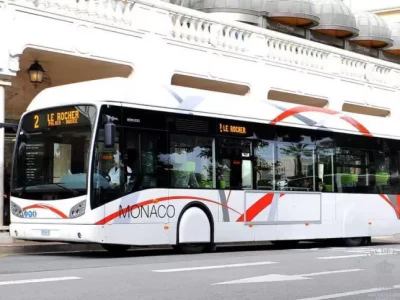
Monaco to offer free bus travel during major events in 2026

Monaco is scrapping bus fares during its biggest events this year, as the government looks to ease the traffic pressure that comes with hosting some of the world’s most high-profile gatherings. 

The free bus initiative, which was tested in 2025, covers six events.

It kicks off in April with the Rolex Monte-Carlo Masters tennis tournament from the 6th to the 10th, followed shortly after by the Monaco Historical Grand Prix from the 24th to the 26th of April.

Then, May brings free travel during the Monaco E-Prix on the 16th and 17th, before the most extended period of all, the Formula 1 Monaco Grand Prix, keeps fares suspended for a full week from 1st to 8th June.

The summer sees the Vuelta cycling race add another free weekend on 22nd and 23rd August, and the initiative wraps up in late September with the Monaco Yacht Show and Luxe Pack, where buses run free from the 18th to the 30th.

Interestingly, the offer covers every route on the network, not simply those connecting passengers to event locations. Anyone moving around Monaco during these periods, for whatever reason, stands to benefit.

Full details of how each period will operate in practice are expected from the Monaco Bus Company closer to each event.

Stay updated with Monaco Life: sign up for our free newsletter, catch our podcast on Spotify, and follow us across Facebook,  Instagram, LinkedIn, and Tik Tok.

Main photo credit: Monaco Life

Yachts as research vessels: Monaco’s 30th Captains’ Forum puts ocean science at the heart of superyachting

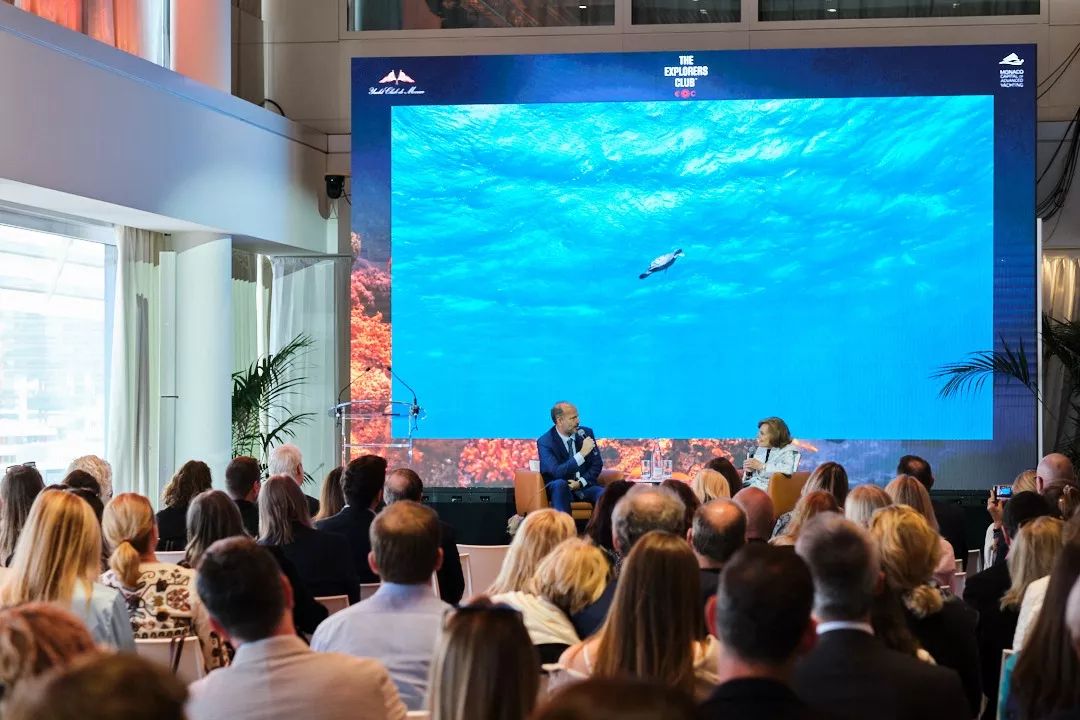
The Yacht Club de Monaco hosted the 30th edition of the Captains’ Forum as part of the inaugural Monaco, Capital of Advanced Yachting Rendezvous, bringing together captains, owners, engineers, scientists and industry figures for a day of discussion under the theme ‘How to follow heroes: The intersection of science, yachting and exploration’.

Organised in collaboration with Oceanco, MB92 Group, Jutheau Husson and ICON Yachts, the forum has grown over three decades into one of the most significant annual gatherings in the international yachting community. This edition set out to move beyond aspiration and focus on concrete solutions — asking not whether yachts can play a role in ocean science, but how.

A moment of reckoning for the industry

The day opened with Micca Ferrero, head of ICON Yachts, who set the tone with a clear-eyed assessment of where the sector stands. “We are living a historic moment where modern yachts are finally meeting exploration and ocean protection in a concrete way,” he said, before adding: “The ocean doesn’t need our admiration, it needs our commitment.”

Polar waters and the weight of responsibility

Captain Maiwenn Beadle, known for her expeditions in polar regions, spoke about the particular demands of navigating in some of the world’s most remote and fragile environments. “Today I navigate in the most difficult places in the world — in ice, in the Arctic, in Antarctica,” she said. “I navigate in preserved environments, very far from any help or support. It is an immense responsibility, both towards the environments in which I sail and the people I take there.” She drew a line from the great explorers to the present day: “They left with questions, and they wanted to come back with answers.”

Whale excrement and the oxygen we breathe

Scientist and entrepreneur Matthew Zimmerman, a specialist in sonar technology and cetacean research, made the case for whale conservation in terms that were hard to ignore. “Phytoplankton is responsible for approximately 50% of the oxygen we breathe. If we lose the whales, we lose the phytoplankton, and we lose half the oxygen we breathe.” His presentation, titled “Floating Gold: the power of whale excrement,” argued that the maritime community has a direct role to play in protection through data collection and detection technologies. “Observations from citizen science are really important, because without broad and complete data, we don’t know where to concentrate our conservation efforts.” He closed with a challenge: “What will you do to help? Think about it before it’s too late.”

Finding wrecks, mapping the unknown

Maritime explorer David Mearns, a world specialist in deep-water wreck location, described several missions conducted aboard yachts and exploration vessels, including the discovery of the Japanese battleship Musashi. He highlighted the unique capabilities large yachts bring to scientific missions through underwater imaging and mapping technologies. “When you find a wreck so lost that even the great Bob Ballard said it couldn’t be found, people pay attention,” he said, describing underwater sonar work as “remote telepresence in its purest form.”

Commander G. Mark Miller, a former NOAA oceanographic vessel commander, argued that the biggest barrier to research is simply access to ocean areas — and that yachts are perfectly placed to fill that gap. His presentation proposed integrating passive data collection systems that operate without disrupting a yacht’s normal operation. “What if every voyage quietly collected data?” he asked, addressing captains and owners directly. “The technology exists. The need exists. The choice is yours. Let’s make every mile count.”

Designing for exploration

Yacht designer and engineer Dominique Geysen presented SailXplorer, a concept vessel designed as a platform for researchers, submersibles and scientific equipment while minimising environmental impact. “I simply could no longer look away from the omnipresence of tourism, environmental degradation and the distress of certain species,” he said of the project’s origins. On the question of sail propulsion: “Isn’t it logical to add sail to the equation if we want to reduce carbon emissions and navigate globally?”

Science made tangible

Ocean mapping professional Taigh MacManus pointed to the progress already made: “When I joined this programme in 2013, we had only mapped 15% of the world’s oceans. Today we are at 26%.” He emphasised the potential of involving crews and guests directly in data collection. “You can make science both tangible and concrete for guests. The opportunities to cooperate with scientists are unparalleled.”

Sailor and citizen science advocate Emily Cunningham described simple protocols that allow crews to contribute to research during normal voyages without specialist equipment. “One of the main difficulties is access to sailing time for researchers,” she said, making the case that yachts in regular operation represent an underused scientific resource.

The forum’s conclusion was clear: the yacht is no longer simply a vessel for navigation, but an increasingly powerful platform for exploration and research — if those who own and operate them choose to make it so.

Stay updated with Monaco Life: sign up for our free newsletter, catch our podcast on Spotify, and follow us across Facebook,  Instagram, LinkedIn, and Tik Tok.

Photo source: YCM


Monaco to host its first AI film festival in June

property 1 million

Monaco will host its first artificial intelligence film festival on 9th and 10th June at One Monte-Carlo, immediately following the Formula 1 Grand Prix, bringing together filmmakers, AI developers, digital artists, academics and technology industry representatives for two days of screenings, discussions and live creative challenges.

The AI Film Festival Monaco 2026, organised by WAIB Summit, is billed as the first festival of its kind in the Principality. It will draw participants from the worlds of cinema, generative AI and creative technology, alongside representatives of the Monaco government, European policymakers and leaders from the broader creative and technology sectors. Alibaba Cloud, Microsoft, the Yacht Club de Monaco and AS Monaco FC are among those confirmed to participate.

What’s on

The festival’s centrepiece is a 24-hour AI film hackathon, in which filmmakers, producers, AI developers and creative technologists will collaborate to produce an original AI-generated film within a single day using generative tools. A beach film screening and creative party will follow, with selected AI films screened outdoors along the Monaco coastline before a gathering for filmmakers, creators and guests.

Keynote sessions will feature industry leaders from cinema, artificial intelligence and creative technology, addressing the future of AI-driven storytelling and digital creativity. The festival concludes with the AI Film Awards ceremony, recognising the most innovative and artistically compelling AI-driven films across categories including best AI short film and best commercial brand film.

The jury and speakers

The jury includes Nick Shoolingin-Jordan, a series director at Netflix; Anthony Bourached, Associate Professor of Machine Learning and Creative AI at University College London; and Vincent Lowy, former head of the École nationale supérieure Louis-Lumière.

Speakers include film producer and director Jean Mach, President of Inevitable; director and producer Eric Atlan; design director Marten Kuipers; Isabel Martinez, creative director and digital creator formerly with Meta; and Kike Besada, AI creative director.

The broader question

The festival’s organisers frame the event around a question that extends beyond technology: what does it mean to create, at a moment when artificial intelligence is capable of generating images, narratives and emotional experiences? “Art may no longer belong exclusively to humankind,” the festival’s manifesto states, “but instead become a shared language between humans and intelligence.”

Filmmakers wishing to submit work can do so at aifilmfest-monaco.com.

Stay updated with Monaco Life: sign up for our free newsletter, catch our podcast on Spotify, and follow us across Facebook,  Instagram, LinkedIn, and Tik Tok.

Prince Albert II and Princess Charlene lead Monaco’s Road Safety Day

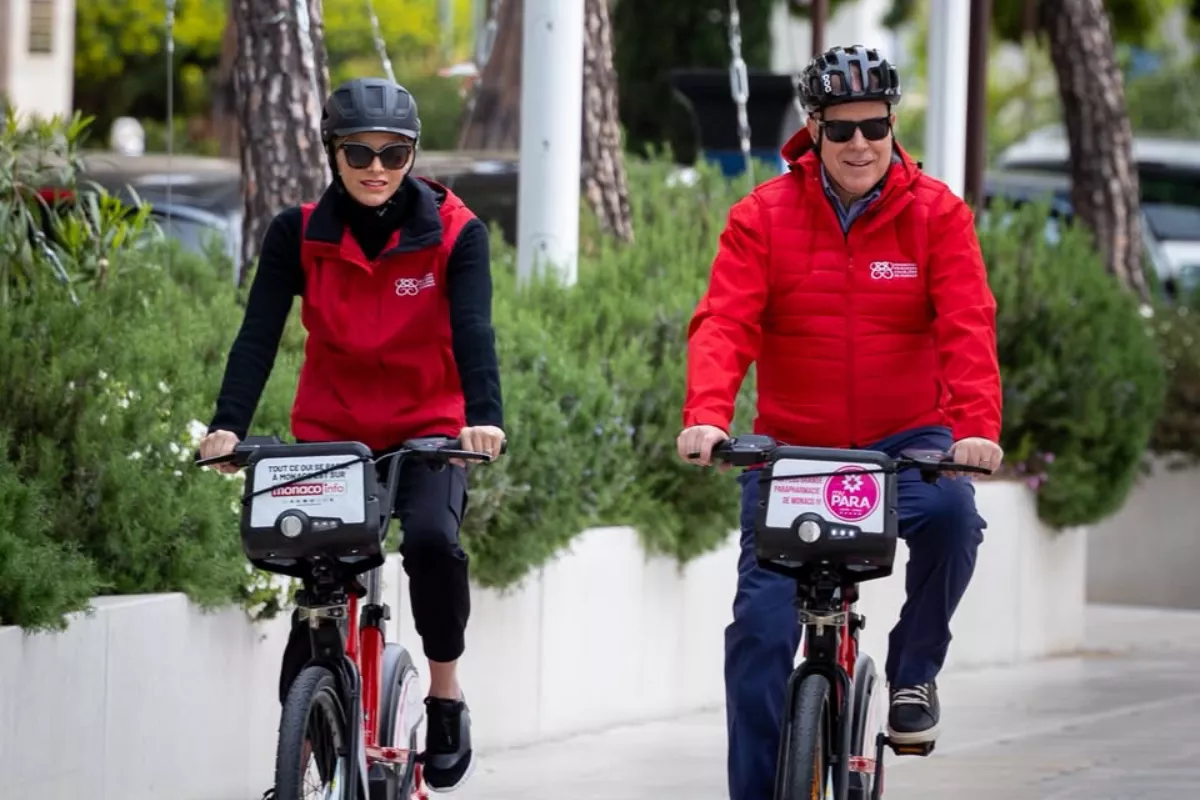
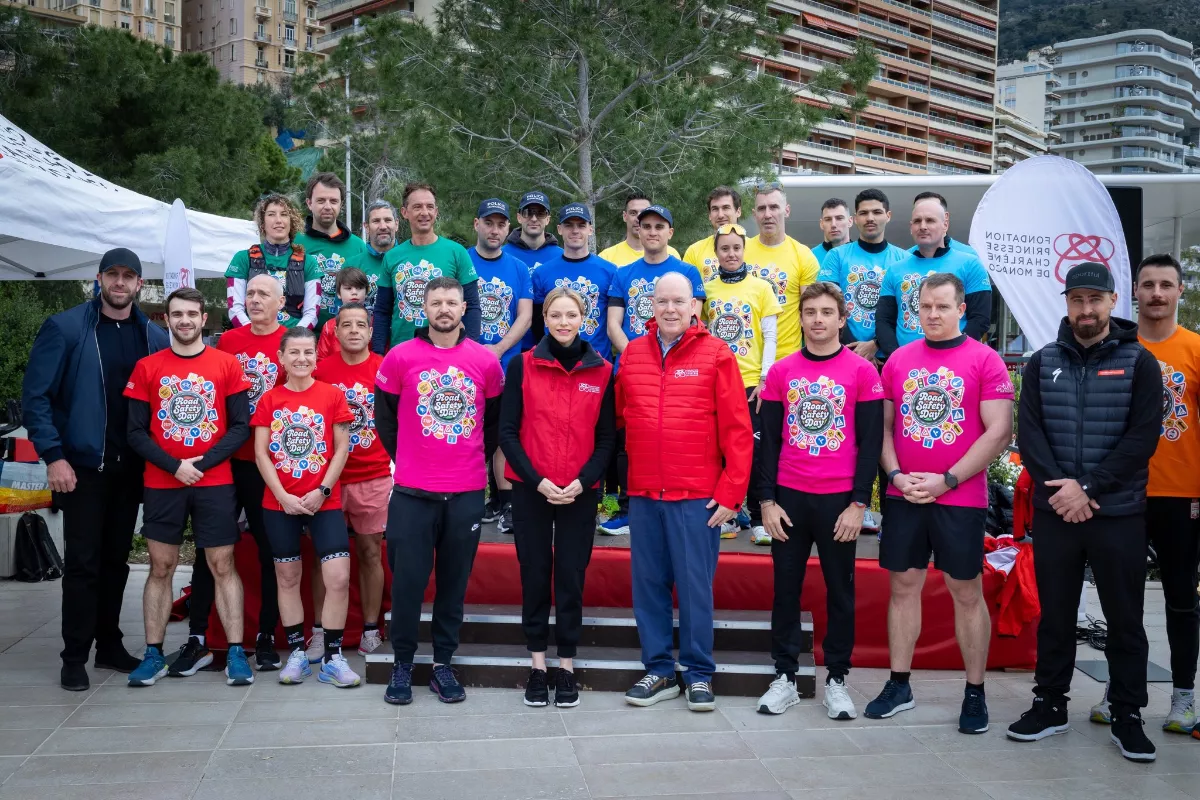
Prince Albert II and Princess Charlène attended the second edition of Road Safety Day on Sunday. The family event, organised by the Princess Charlene of Monaco Foundation on the Larvotto esplanade, combines sport with education to protect younger generations.

The couple were joined by Gareth Wittstock, Secretary General of the Foundation, and Anne Boggio, its Director, as they toured a series of interactive stands and sporting activities designed to promote road safety.

The programme of the day blended fun with education. The Prince and Princess explored an animation village, a pumptrack circuit and a dedicated cycling safety course where both children and adults could sharpen their road skills in a safe environment. Additionally, they took part in the Monabike challenge, a sporting experience set to promote electric bike usage.

Prince Albert II and Princess Charlène exploring the village’s activities, photo credit: FrĂ©dĂ©ric Nebinger, Prince’s Palace

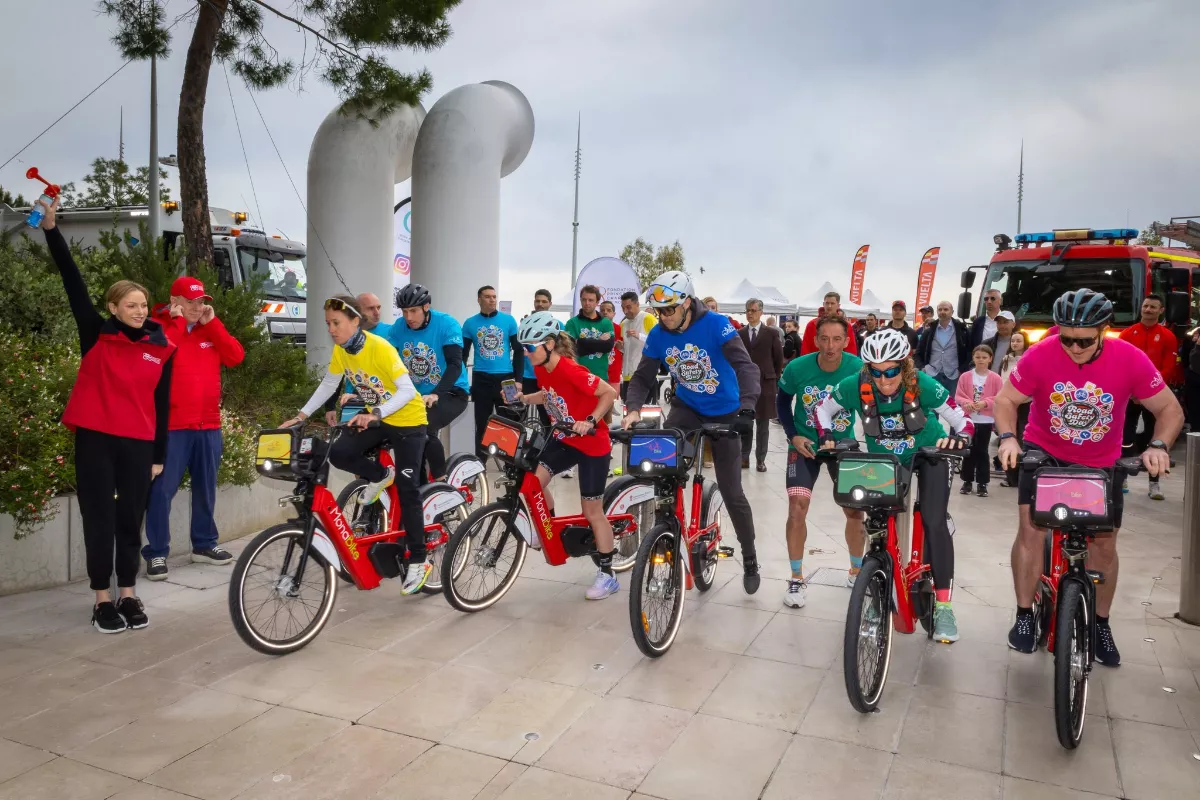
Then, at 9:45am, Prince Albert and Princess Charlene officially launched the day’s main event: an eight-hour endurance relay through the streets of the Principality.

Seven teams, made up of public figures and representatives from Monaco’s institutions, took turns cycling the course, with each kilometre intended as a symbol of collective commitment to safer roads.

Prince Albert and Princess Charlène launching the event, photo credit: FrĂ©dĂ©ric Nebinger, Prince’s Palace

The event was made possible through partnerships with the Monégasque Red Cross, the Fire Brigade, the Sûreté Publique, the SMA and La Vuelta cycling organisation, all of whom contributed workshops and demonstrations throughout the morning.

Photo credit: FrĂ©dĂ©ric Nebinger, Prince’s Palance

Stay updated with Monaco Life: sign up for our free newsletter, catch our podcast on Spotify, and follow us across Facebook,  Instagram, LinkedIn, and Tik Tok.

Main photo credit: FrĂ©dĂ©ric Nebinger, Prince’s Palance

Filters, fixation and a psychiatric crisis: the dark side of the beauty room

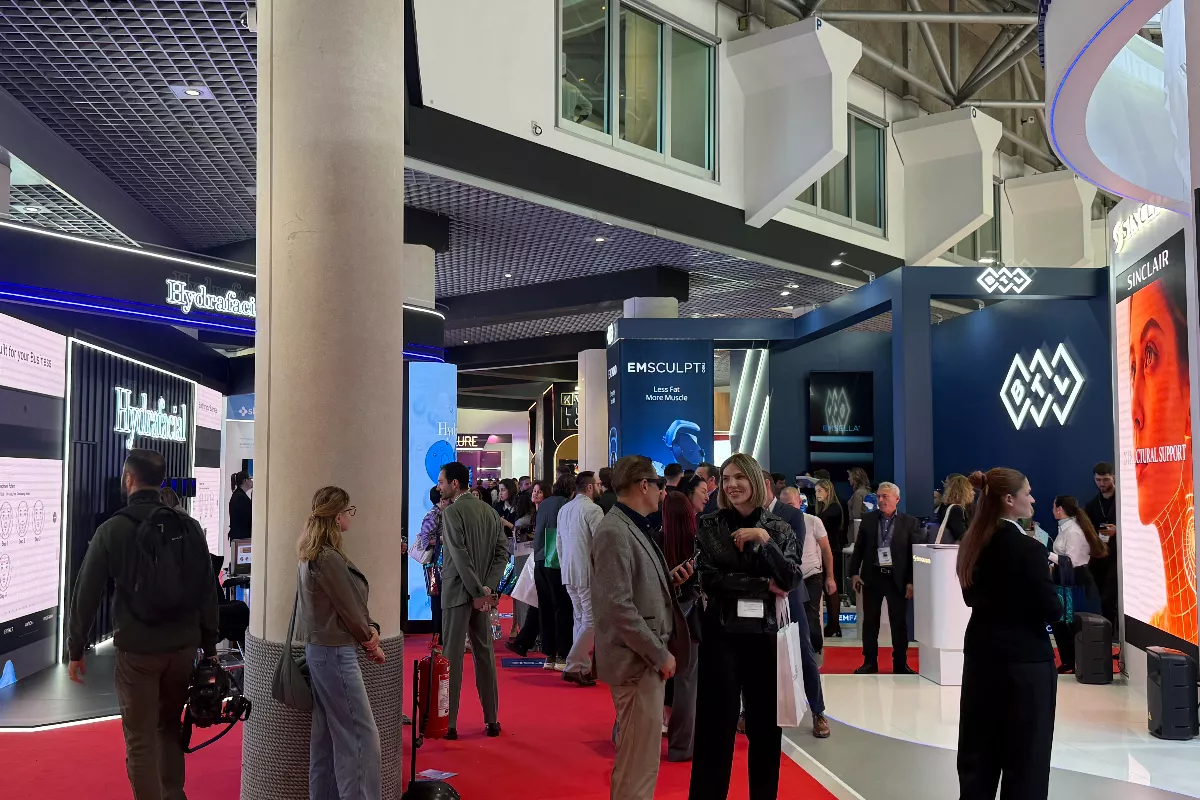
Thousands of doctors, industry professionals and visitors descended on the Grimaldi Forum in Monaco for the Aesthetic and Anti-Ageing Medicine World Congress – better known as AMWC – running from 26th to 28th March. 

Every parking space in the district was taken. Queues of attendees lined the entrance. Inside, 18,000 delegates from 140 countries moved between a thousand brand stands and 12 conference rooms running back-to-back sessions on everything from GLP-1 weight treatments to AI-powered facial analysis.

However, while the congress celebrated that wanting to look better, live longer and feel good in your skin is legitimate, even admirable, it also made clear there are limits – and knowing where they lie matters.

And so, amid the industry optimism, one voice cut through with a different message.

Câline Majdalani, clinical psychologist and author of ‘Treating Body Dysmorphic Disorder – The Appearance Obsession’, took to the stage not only to celebrate the industry’s advances, but to issue a warning…about its darkest corners.

Body Dysmorphic Disorder (BDD) is an obsessive compulsive disorder in which sufferers become consumed by perceived physical flaws that others either don’t notice or consider entirely trivial.

It affects around two per cent of the general population, a figure Majdalani described as alarming. “Two per cent in psychiatry is enormous,” she said. “That’s tens of millions of people worldwide.” The numbers, she added, are rising sharply, and almost certainly undercounted, because patients are too ashamed to disclose it.

The link to social media is, in her view, direct and devastating. “Social media is today the reference for young people,” she said speaking to Monaco Life in an exclusive interview. “These altered and filtered images create a kind of allergy to imperfection. When you see something normal – a line, a texture on your face – you feel it’s unbearable and you want to change it.”

She cited research showing that even brief exposure to images only slightly more attractive than one’s own reality is enough to reduce self-satisfaction, a mechanism social media exploits relentlessly and at scale. The more you scroll, she argued, the worse you feel.

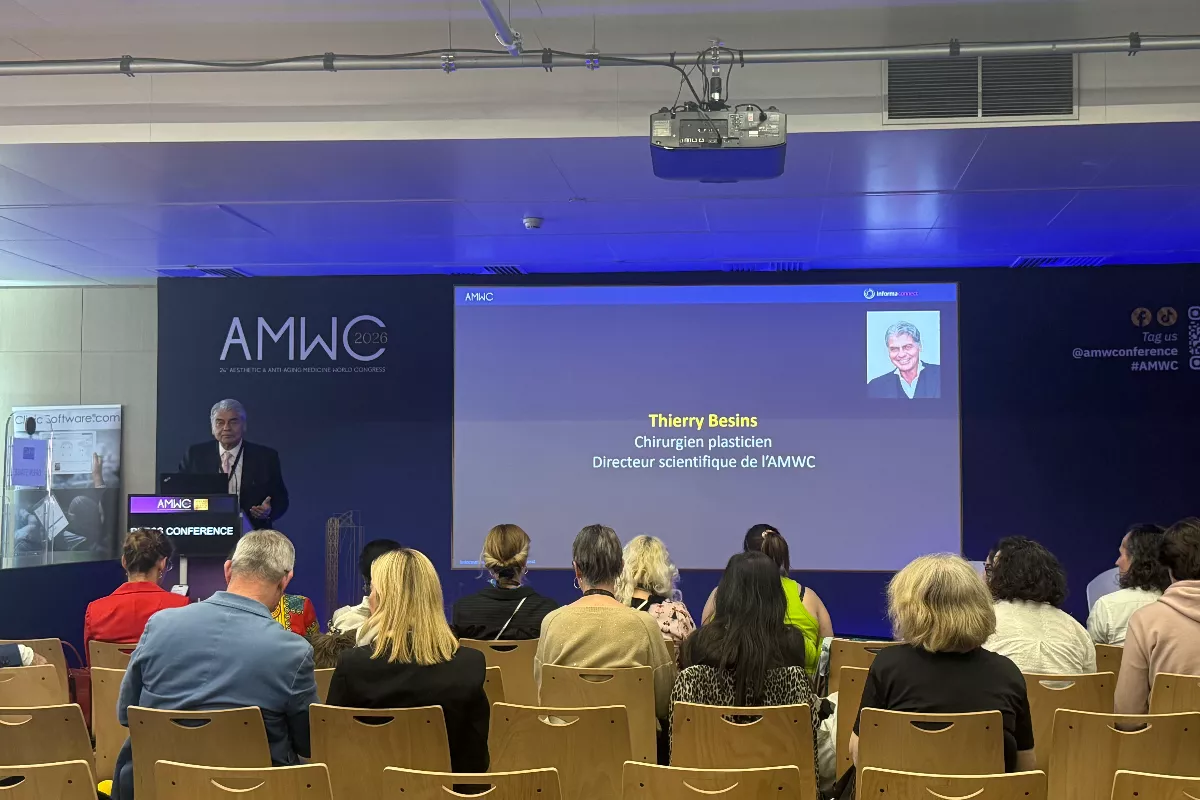
During one of the conference’s at AMWC, photo by Monaco Life

A disorder with deadly consequences

The consequences reach far beyond dissatisfaction. BDD has one of the highest suicide rates of any psychiatric disorder. “It is the highest suicidal risk in psychiatry,” Majdalani said.

What makes this directly relevant at an aesthetic congress is where these patients end up. More than 70 per cent of BDD sufferers seek cosmetic procedures, not to enhance their appearance, but, as Majdalani put it, “to repair themselves from inside.” The treatments bring no lasting relief. Additionally, many gravitate towards unqualified injectors and low-cost procedures, fully aware of the risks but too distressed to care.

On the other hand, the thousands who filled the Grimaldi Forum are testament to a discipline that has become, as congress co-founder Catherine Decuyper put it, “a major pillar of modern medicine.” Wanting to correct an imperfection, protect your skin, or add years of vitality to your life is not vanity. It is, increasingly, simply good medicine.

But medicine has limits. And Majdalani’s warning was ultimately about dosage. “It’s about how much you emotionally invest your time and energy in your beauty,” she said. “You cannot invest everything in a single dimension of your identity.” When aspiration tips into obsession, when the consultation room becomes a substitute for the therapist’s couch, the industry has a responsibility to recognise the difference.

To conclude, she drew a sharp distinction between legitimate aesthetic aspiration and something altogether different: “There is a difference between improving your appearance and a chronic dissatisfaction, where suffering speaks the language of appearance rather than expressing itself directly.”

Stay updated with Monaco Life: sign up for our free newsletter, catch our podcast on Spotify, and follow us across Facebook,  Instagram, LinkedIn, and Tik Tok.

Main photo credit: Monaco Life