The next generation will inherit the Earth – but will they save it?

By 2030, millennials will be up to five times richer than they are today, representing the biggest transfer of wealth in history. However, according to new research unveiled in Monaco last week, what that generation chooses to do with it may look very different from what the sustainability world is hoping for. 

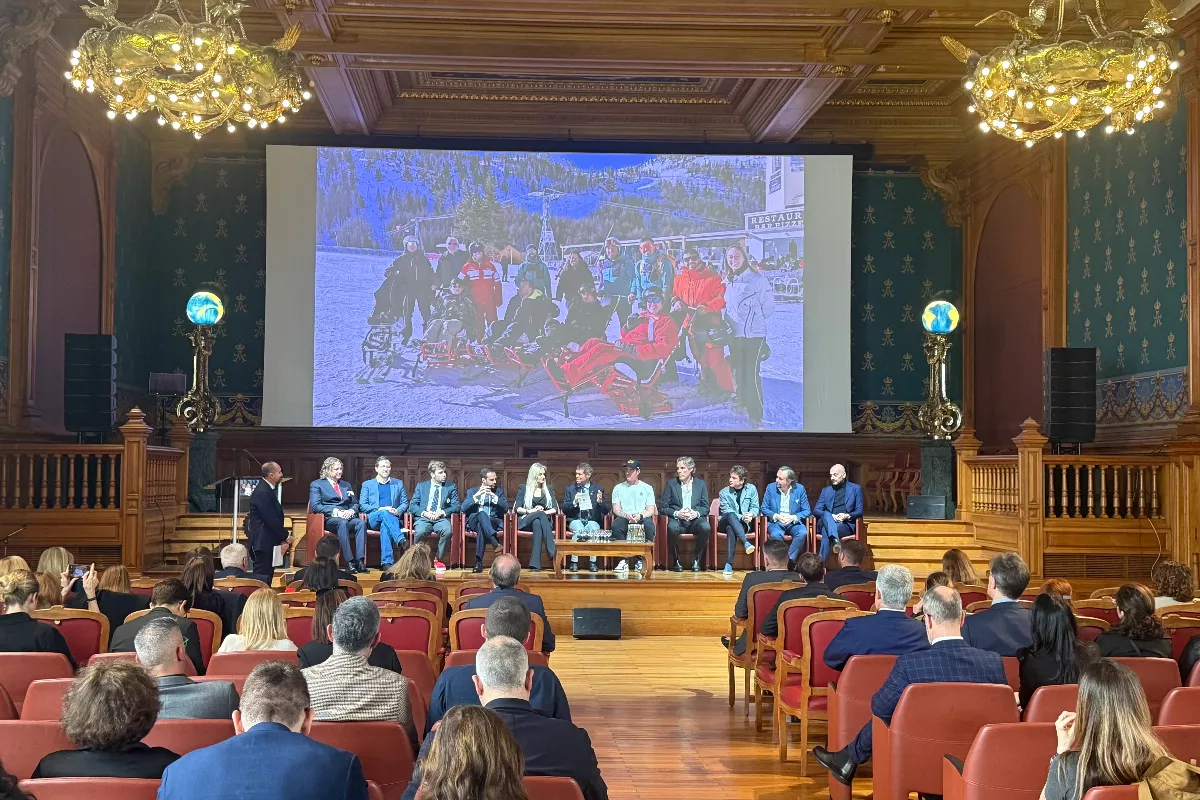
That was the central concern of the conference organised by the Offroad Club Monaco on 11th March at the Oceanographic Museum. Academics, athletes, entrepreneurs and officials united by the club’s concept ‘The Wake of Monaco’, tracing new routes powered by sport and human connection.

Among those present at the conference were Mayor Georges Marsan, National Council President Thomas Brezzo, and Romain Ciarlet, Vice-President of the Prince Albert II of Monaco Foundation.

What the research says

Professor Annalisa Tarquini of the International University of Monaco has spent years studying ultra-high-net-worth individuals. Her latest work now focuses on the next generation: young people aged 20 to 30, born into significant wealth.

Her findings are shocking. Even though these young consumers are better informed about sustainability than their parents, this awareness doesn’t automatically mean action. When choosing between a heritage luxury brand and a sustainable alternative at the same time, they choose heritage.

On the contrary, it’s social impact, effects on communities and people less fortunate, that moves them the most, not environmental causes.

“We excepted sustainability to be their priority,” Tarquini told the audience. “What we found was that they talk much more about the effect of their choices on people than about protecting nature.”

Additionally, they are sceptical about greenwashing, allergic to technical language, and hungry for authenticity. So, her conclusion is that, if we want this generation to engage with sustainability, we need to meet they where they are. “We need to communicate sustainability in a way that speaks to their values,” Tarquini said. “Not in a technical way, but rather an attractive one.”
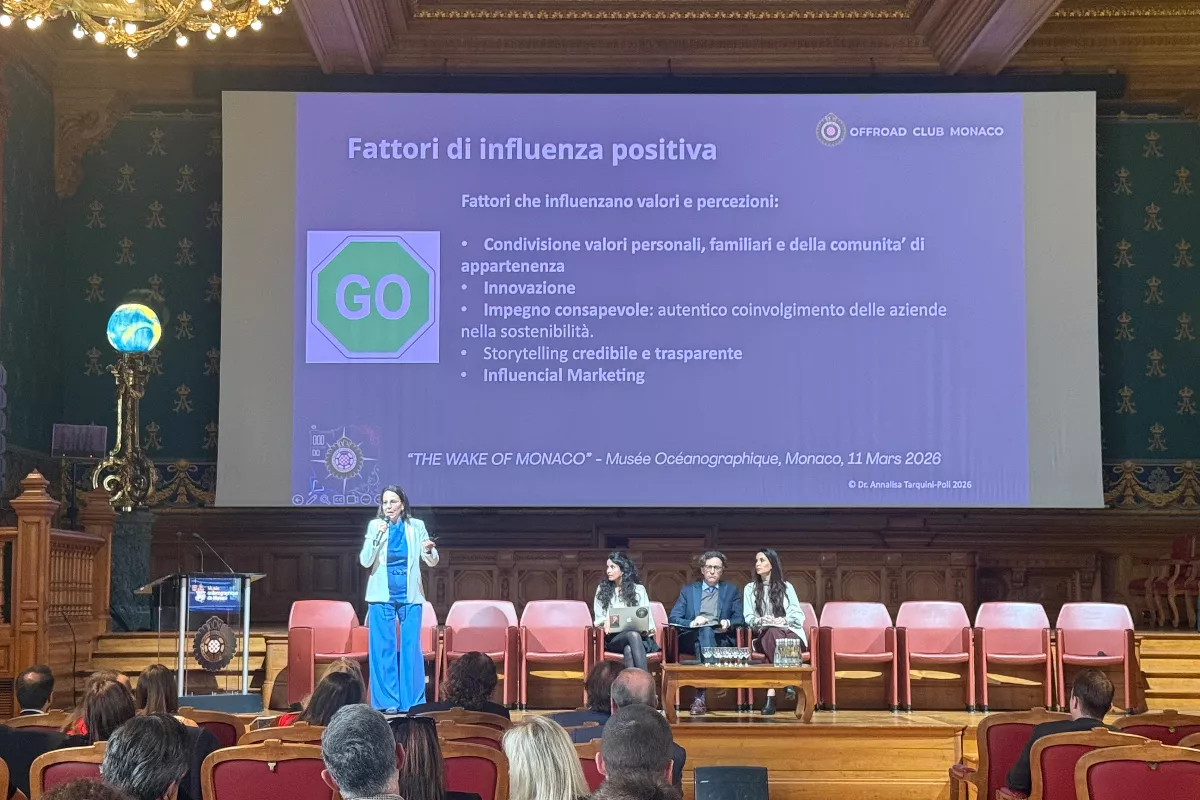
Professor Annalisa Tarquini of the International University of Monaco presenting her research, photo credit: Monaco Life

Monaco already using luxury as the message

Monaco, it turns out, has already been doing just that. The principality is already one of the world’s greatest symbols of wealth and one of the most committed advocates for ocean conversation.

Now, rather than this being a contradicting paradox, Monaco leans into it, using the language of adventure, performance and spectacle to carry the environmental message.

For example, the Princess Charlène Foundation, led by Gareth Wittstock, organised a 24-hour water bike crossing from Corsica to Monaco — an extreme physical challenge to promote water safety. FIA World Endurance Championship driver Francesco Castellacci was among the athletes who took part. Not a campaign, not a report but a kind of challenge that speaks to the young generation.

Maxime Nocher, 12 times kitefoil world champion, had his career cut short by an accident. Rather than stepping away though, he channelled his energy into Team Monaco, developing camera technology to detect debris and abandoned fishing nets at sea, and competing in hydrogen-powered buggy racing to push clean energy into motorsport. His approach combines spectacle, sport, and performance with an environmental message. 

Alberto Domenico Vitale, Chairman and CEO of Vitale 1913, turned a documentary about ocean plastic into a jewellery collection. Ethically sourced coral, developed in partnership with Monaco’s Scientific Centre, worn by people for whom jewellery is a language. In this way, he turned a lecture into a luxury object.

Offroad Club Monaco Massimiliano Mordenti went even further by setting a world record for long distance travel on bioethanol-powered jet ski, combining sport and adventure with sustainability.

All of these are not conventional green campaigns, but they communicate sustainability through the language that the next generation understands. As Tarquini’s research suggests, this may in fact be the only language that works.

“Find the values,” she said. “Communicate authentically. And do it in a way that is attractive.”

Stay updated with Monaco Life: sign up for our free newsletter, catch our podcast on Spotify, and follow us across Facebook,  InstagramLinkedIn, and Tik Tok.

Main photo credit: Monaco Life
Lost Reynolds portrait heads Monaco auction

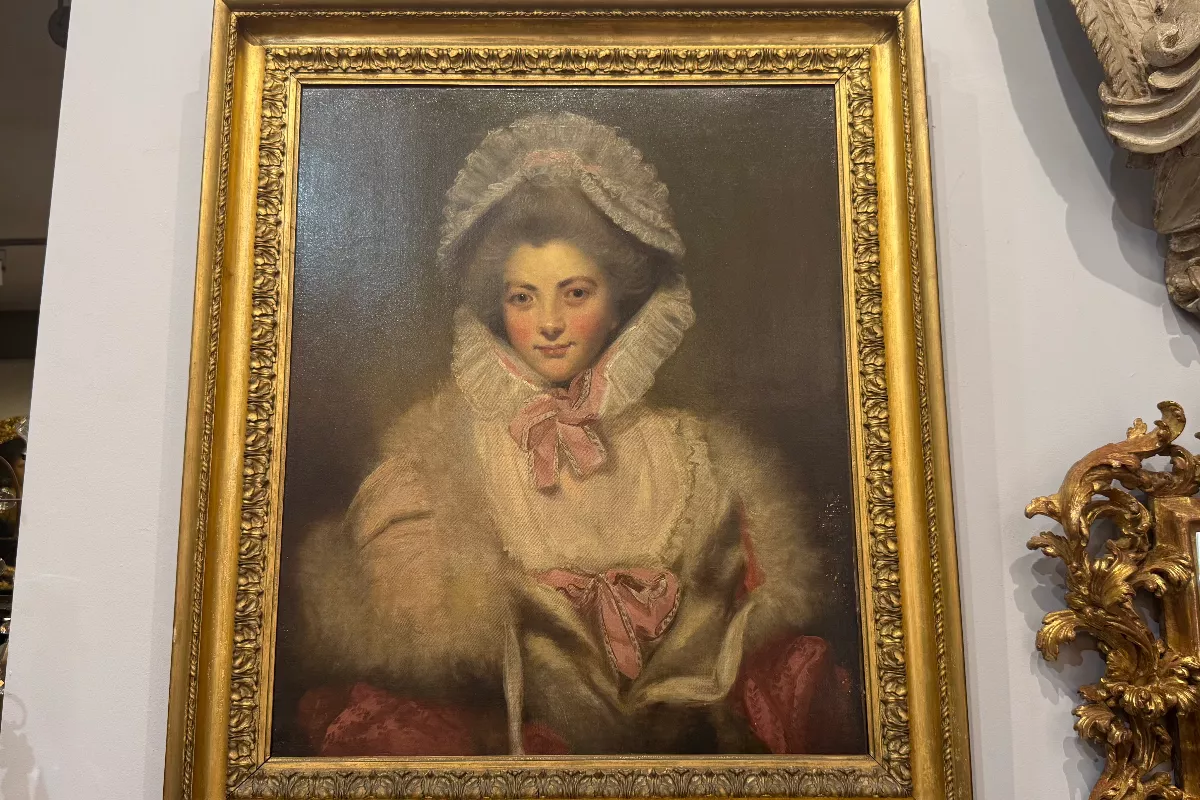
A portrait of Lavinia Bingham, Countess Spencer, a direct ancestor of Princess Diana, is set to go under the hammer at a Monaco auction house this week, after spending decades in the hands of a British family settled in Monaco.

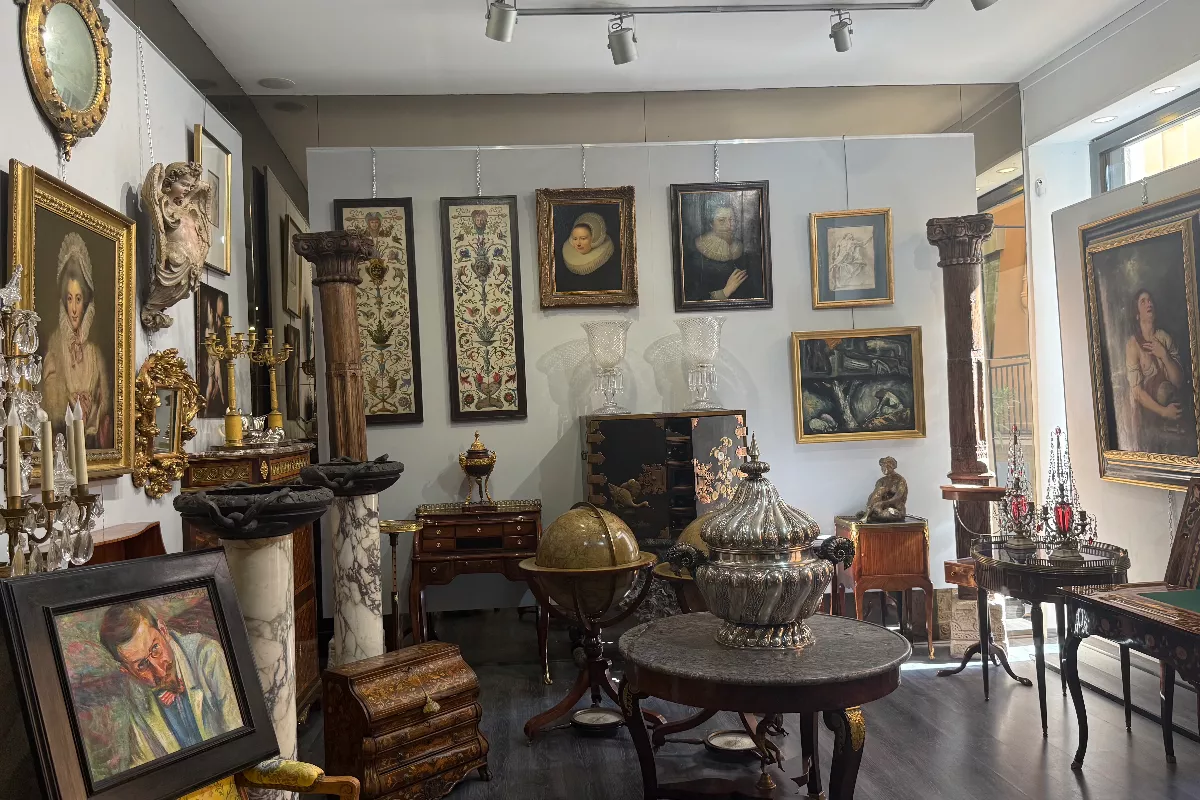
The painting, attributed to Sir Joshua Reynolds and estimated at between 100,000 and 200,000 euros, will be the centrepiece of Accademia Fina Art’s prestige sale on 19th March, with a public preview running until Wednesday.

Reynolds painted the Countess Spencer, wife of the 2nd Earl Spencer, around 1784. The work was engraved the following year and shown at London’s Royal Academy in 1878, then again at the Grosvenor Gallery in 1883–84. After that, it largely disappeared from public view, passing through a succession of private hands before being rediscovered with a British family long based in Monaco.

The painting is the second of two versions Reynolds made of the same composition. The first has hung at Althorp House, the Spencer family seat in Northamptonshire, since the 19th century. The auction house describes the second version as the more accomplished of the two, suggesting Reynolds, having resolved the technical challenges in his first attempt, was freer to concentrate on finish and surface in the second.

Sir Joshua Reynolds painting depicting Lavinia Bingham, photo by Monaco Life

The painting that got away…twice

When it came up for sale at Christie’s in May 1821, as part of the estate of Reynold’s nieces the Marchioness of Thomond, a family representative failed to bid in time and the painting was knocked down to a Mr Wansey for just £57.15.

Christie’s wrote to Wansey days later on behalf of the family if he would consider giving it back. He declined. By 1901 the painting had changes hands again, this time for £3,650. It now carries an estimate of up to 200,000 euros.

Scholarly records had noted the painting’s existence for over a century. It was listed in the 1899 Graves and Cronin catalogue of Reynolds’s work and again in David Mannings’s definitive 2000 catalogue, where it was described as a replica with variations and recorded as “untraced”.

The auction house says the paper trail behind the work, including the 1821 Christie’s correspondence, insurance documents from 1901, and a British government exemption inventory dated 1945, supports its provenance.

The auction sale also includes a panel painting attributed to Peter Paul Rubens, depicting the Penitent Magdalene and dated to around 1600, his Italian period, when he was closely studying Titian in Venice. It carries an estimate of 150,000 to 200,000 euros.

Other highlights include a lady’s cylinder desk attributed to the royal furniture supplier Jean-François Oeben, an English baroque cabinet in Japanese lacquer from around 1685, and a 1906 portrait by Italian futurist Umberto Boccioni, estimated at 200,000 to 400,000 euros.

The auction begins at 2:30pm on 19th March. Bidding is also available. by telephone and absence bid. Full catalogue details are available at accademiafineart.com.

Stay updated with Monaco Life: sign up for our free newsletter, catch our podcast on Spotify, and follow us across Facebook,  InstagramLinkedIn, and Tik Tok.

Main photo credit: Monaco Life
Monaco Telecom and Prince Albert II Foundation renew school sustainability programme

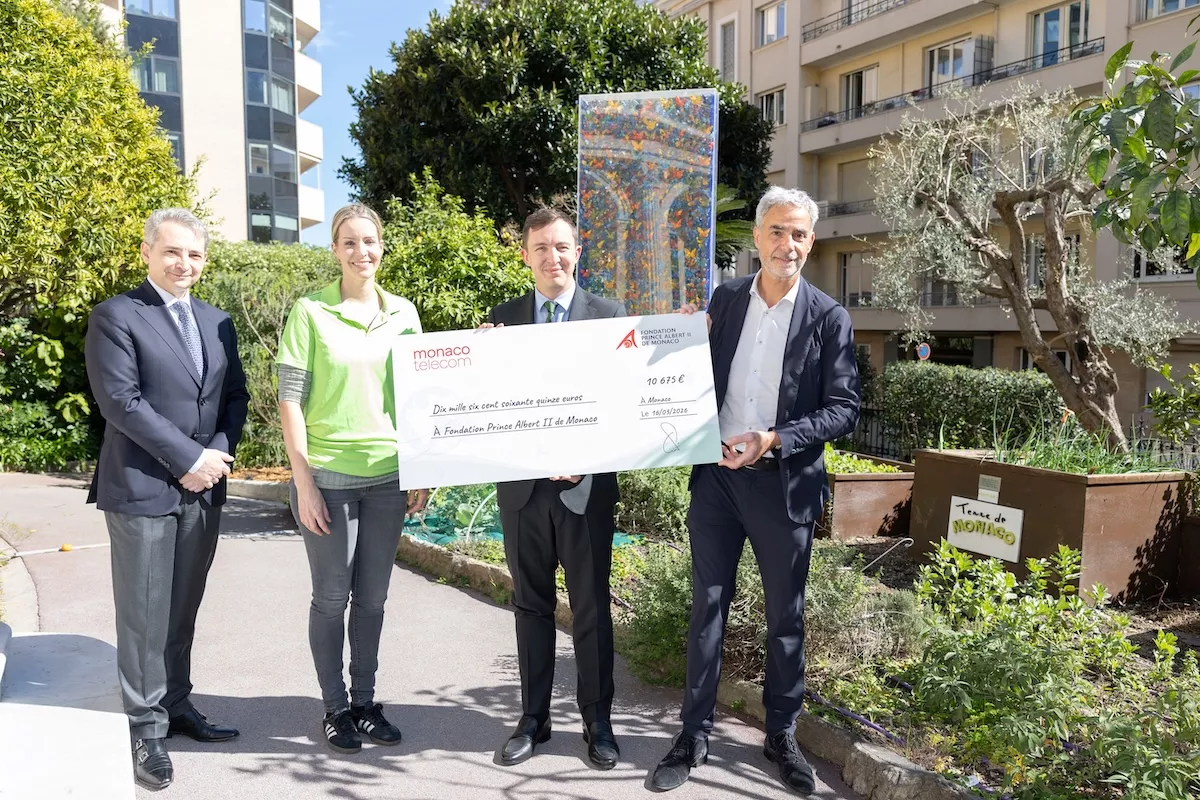
The Prince Albert II of Monaco Foundation and Monaco Telecom have renewed their partnership for the sixth consecutive year in support of a sustainable food and urban farming education programme running across schools in the Principality.

At a ceremony on Monday 16th March, Monaco Telecom CEO Martin Péronnet presented a cheque of €10,675 to Foundation Vice-Chairman and CEO Romain Ciarlet. The donation derives from eco-responsible actions carried out by the operator, which commits to directing its induced contributions to environmental initiatives in consultation with the Prince’s Government and the National Council.

The programme, run by Monaco-based company Terrae since autumn 2020 in partnership with the Department of Education, Youth and Sports, brings hands-on lessons in nature, fruit and vegetable cultivation and seasonal cycles to primary school children across the Principality. To date, six schools and 600 children have taken part.

Ciarlet said the long-term nature of the commitment was key. “Passing on to younger generations a concrete understanding of natural balances and the food production cycle is a fundamental lever. By supporting this programme over the long term, we are investing in an education that embeds, from an early age, the principles of responsibility, seasonality and respect for living systems.”

Péronnet framed the renewal as a direct expression of the company’s values. “By continuing our support for the educational school garden programme, we are delivering a concrete expression of our commitment as a responsible company, rooted locally and focused on future generations,” he said.

Jean-Philippe Vinci, Director of the Department of Education, Youth and Sports, said the programme gave children something schools rarely offer. “By placing nature back at the heart of learning, the workshops led by Terrae give children the opportunity to understand where food comes from and gradually move away from a logic of blind consumption, towards developing a more conscious and responsible relationship with their environment.”

Terrae founder Jessica Sbaraglia pointed to the moments of wonder the programme generates. “Seeing pupils marvel at an herb, a germinating seed, or a vegetable they have grown themselves reminds us how important learning through nature truly is,” she said.

Stay updated with Monaco Life: sign up for our free newsletter, catch our podcast on Spotify, and follow us across Facebook,  InstagramLinkedIn, and Tik Tok.

Photo source: FPA2


Monaco PropTech Symposia set to return for its fifth edition

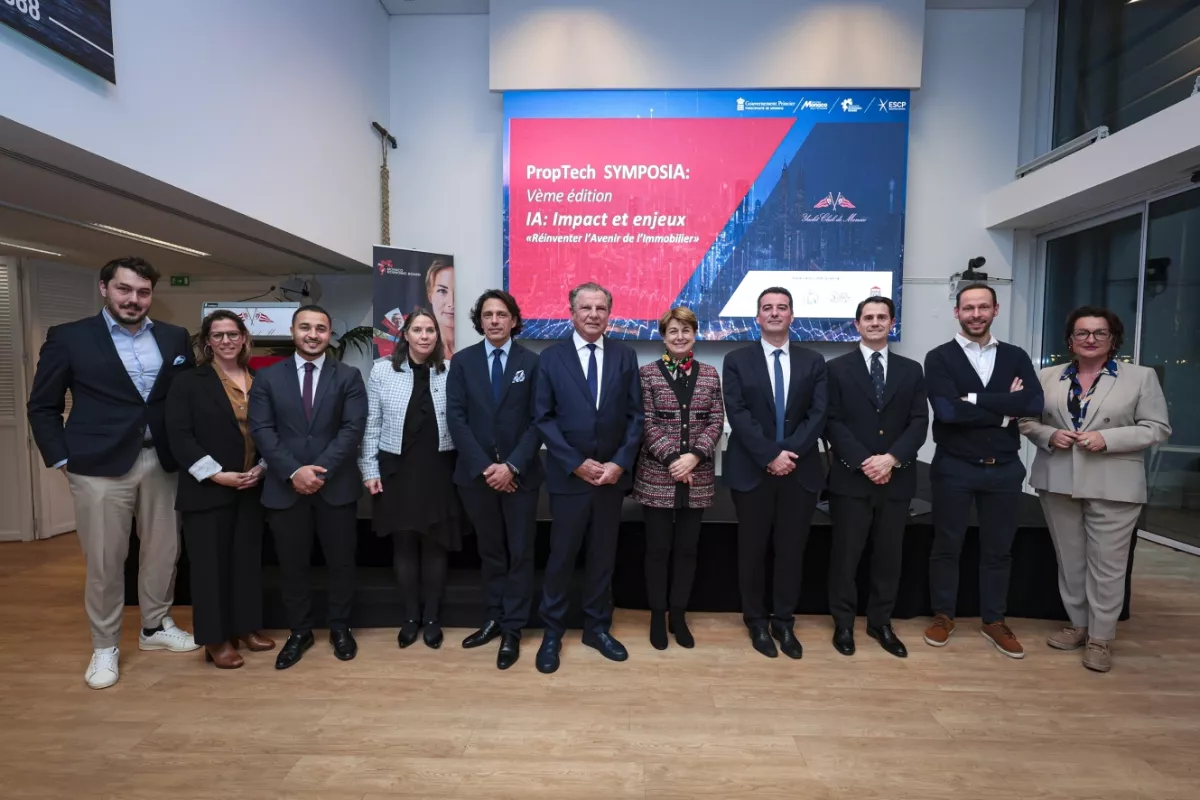
The Princely Government is set to host the fifth edition of the PropTech Symposia on 19th March, bringing together investors, entrepreneurs, researchers and policymakers to explore the latest developments in property technology. 

Set to take place at the Yacht Club de Monaco from 5pm, the annual conference will focus on the theme ‘PropTech: Accelerator of Innovation & Growth in Real Estate,’ examining how technology is reshaping the property and construction sectors worldwide.

Organised in partnership with the Monaco Economic Board, the event forms part of the Monaco International Investment Forum, (MIIF) and is linked to the ‘Real Estate Tech’ academic chair established in 2019 between the Principality and the École Supérieure de Commerce de Paris.

The conference will be held in English and moderated by the Government’s Communications head Geneviève Berti, and will feature speakers of international standing including a presentation of the PropTech Barometer 2025, an annual benchmark tracking major shifts in the global property market.

Stay updated with Monaco Life: sign up for our free newsletter, catch our podcast on Spotify, and follow us across Facebook,  InstagramLinkedIn, and Tik Tok.

Main photo of last year’s edition credit: Stéphana Danna, Communication’s Department 

Ten restaurants on the French Riviera and beyond earn their first Michelin star

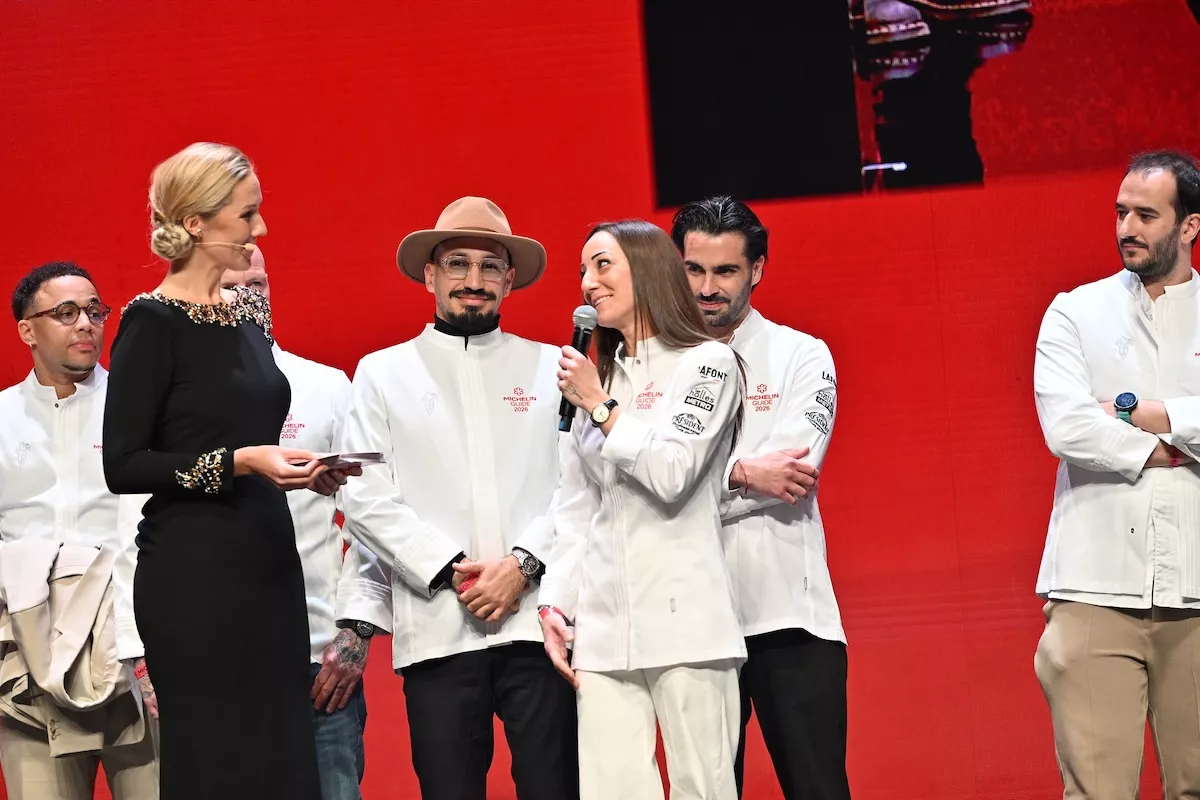
The ceremony held in Monaco on Monday 16th March was a landmark moment not just for the Principality, which hosted the Michelin Guide France & Monaco Awards for the first time, but for the surrounding region. Provence-Alpes-Côte d’Azur emerged as one of the night’s strongest performers, with 10 restaurants earning their first Michelin star — a distinction that brings with it not only global recognition but a demonstrable and immediate economic boost, from increased bookings to higher average spend and a surge in international attention.

For the restaurants concerned, a first star is transformative. It signals to the wider world that a table is worth a journey, and for those on the French Riviera, that message reaches an international audience of considerable spending power.

The Alpes-Maritimes — a strong showing

The Alpes-Maritimes department produced four new stars. La Table du Cap Estel in Èze-Bord-de-Mer joins an already illustrious stretch of coastline that includes the two-starred La Chèvre d’Or just above it. In Nice, Épicentre earned its first star, adding to a city that already holds six other starred addresses. La Table de Pierre in Saint-Paul-de-Vence and Auberge de la Roche in Valdeblore — a mountain village in the arrière-pays — complete the département’s new entries.

The Var and the coast

In the Var, two coastal restaurants earned their first stars. Les Oliviers in Bandol and L’Oursin at the Hôtel Les Roches in Lavandou both join a department whose dining scene already includes the three-starred La Vague d’Or and La Table du Castellet. Shanael in Toulon also earned recognition for the first time.

Bouches-du-Rhône

In the Bouches-du-Rhône, two new stars were awarded. Auffo in Marseille becomes the latest addition to a city that has steadily built its gastronomic reputation over the past decade and already holds two three-starred restaurants. Further west along the coast, L’Oursin in Carry-le-Rouet earned its first star, bringing Michelin recognition to a small fishing port that few international visitors would previously have had reason to seek out.

Vaucluse

In the Vaucluse, Garrigue in Ansouis — a hilltop village in the Luberon — rounded out the region’s new entries, adding to a department that already counts several starred tables among Provence’s most sought-after dining destinations.

What a Michelin star means in practice

The economic impact of a first star should not be underestimated. For many restaurants, the night of the ceremony marks a before and after: reservations fill within hours, press attention arrives from across Europe, and the address enters the itineraries of food-focused travellers who plan trips specifically around Michelin-recognised tables.

On the French Riviera, where gastronomy is already woven into the region’s identity and tourist offer, a new star strengthens the collective proposition and draws visitors who might otherwise have passed through.

See also: 

Monaco scores one star for Robuchon and Michelin Service Award on a landmark night for the Principality

Stay updated with Monaco Life: sign up for our free newsletter, catch our podcast on Spotify, and follow us across Facebook,  InstagramLinkedIn, and Tik Tok.

Main photo: Épicentre Chef Sélim M’Nasri (in the hat) was among those to win their coveted first Michelin star during Monday’s ceremony. Photo credit: Cedric Le Dantec


Monaco scores one star for Robuchon and Michelin Service Award on a landmark night for the Principality

Monaco emerged from the 2026 Michelin Guide France & Monaco ceremony with two significant distinctions — a first star for Robuchon Monaco and a prestigious Service Award for Marco Tognon, head of the Les Ambassadeurs by Christophe Cussac team — on a night that was already historic for the Principality simply by virtue of hosting the event for the first time.

Robuchon Monaco, the restaurant paying tribute to the late and great Joël Robuchon on rue du Portier in the beachside district of Larvotto, and its Chef Jonathan Larrieu have been awarded its first Michelin star.

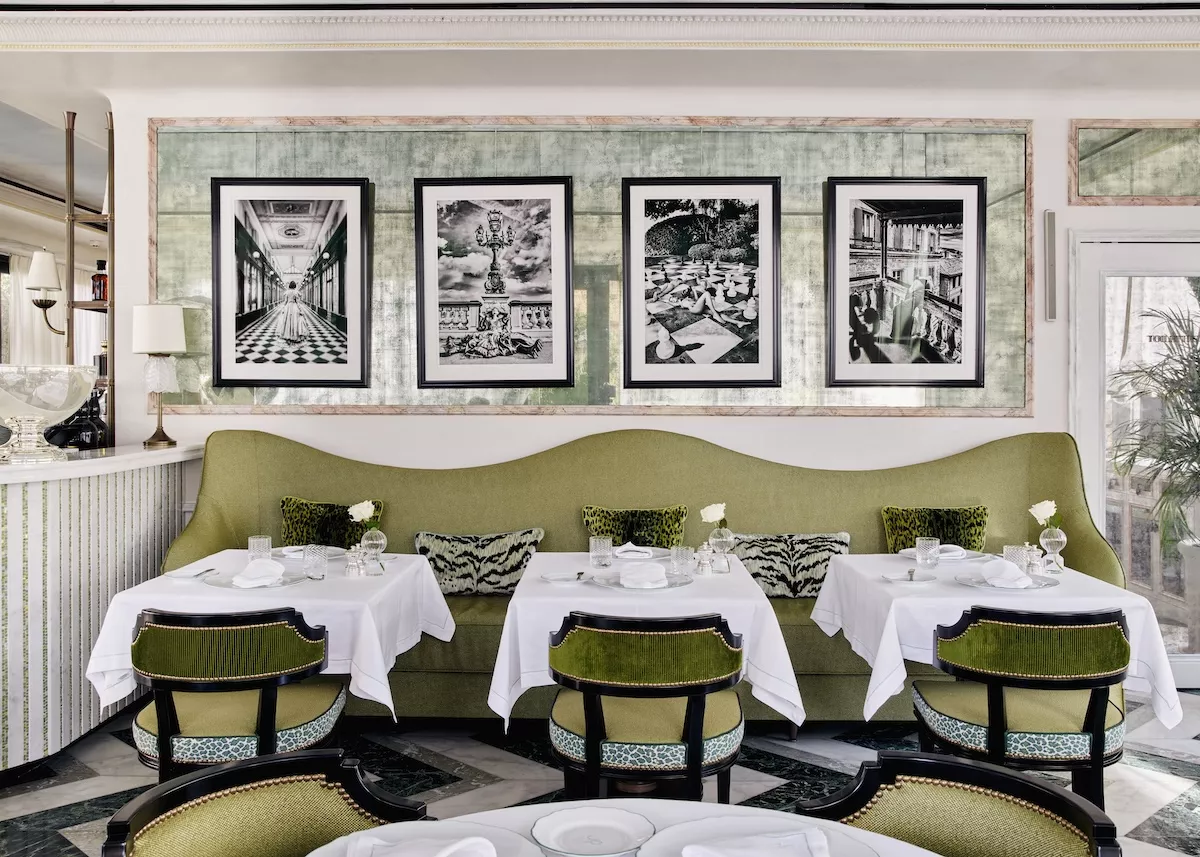
The guide described the setting as a “swanky black façade” leading to a rattan-furnished terrace and a cosy dining area with green-upholstered banquettes and a marble floor.

Inside the newly Michelin starred restaurant Robuchon Monaco. Photo credit: Alexis Armanet

Michelin’s inspectors noted that while the famous Robuchon mashed potato is served with each main course, “the master’s influence remains discreet”. The à la carte menu centres on what the guide called “pedigree Gallic classics with a scattering of Mediterranean notes”.

“This star crowns a strong ambition: to make the Robuchon name shine in Monaco,” Chef Jonathan Larrieu told Monaco Life. “It rewards a project carried out with rigour and passion every day. I would like to warmly thank all those who contributed to this success.”

The guide also highlighted the adjacent Petit Café Robuchon, open continuously throughout the day, where the same culinary DNA runs through dishes.

The new star brings Monaco’s total to 10 starred restaurants, with the Principality retaining all of its existing distinctions: Le Louis XV-Alain Ducasse at the Hôtel de Paris (three stars), Les Ambassadeurs by Christophe Cussac, Blue Bay Marcel Ravin and L’Abysse Monte-Carlo (two stars each), and Elsa Marcel Ravin, Le Grill, Pavyllon Monte-Carlo and La Table d’Antonio Salvatore au Rampoldi (one star each).

Marco Tognon, manager of Les Ambassadeurs by Christophe Cussac at the Hôtel Métropole Monte-Carlo, receiving the Michelin Service Award. Photo credit: Cedric Le Dantec

Marco Tognon wins Michelin Service Award

The ceremony also brought individual recognition to Marco Tognon, manager of Les Ambassadeurs by Christophe Cussac at the Hôtel Métropole Monte-Carlo, who received the Michelin Service Award. Michelin described Tognon as personifying “meticulous, elegant and deeply human service”, with an international career shaped by tenures at prestigious establishments in Paris, London and Rome.

In a statement, Tognon said the recognition moved him deeply after 25 years in starred restaurants. “This distinction rewards above all the collective work of an entire team,” he said. “Service is like a couturier: each service is a bespoke costume, designed so that every client experiences a unique and memorable dinner.”

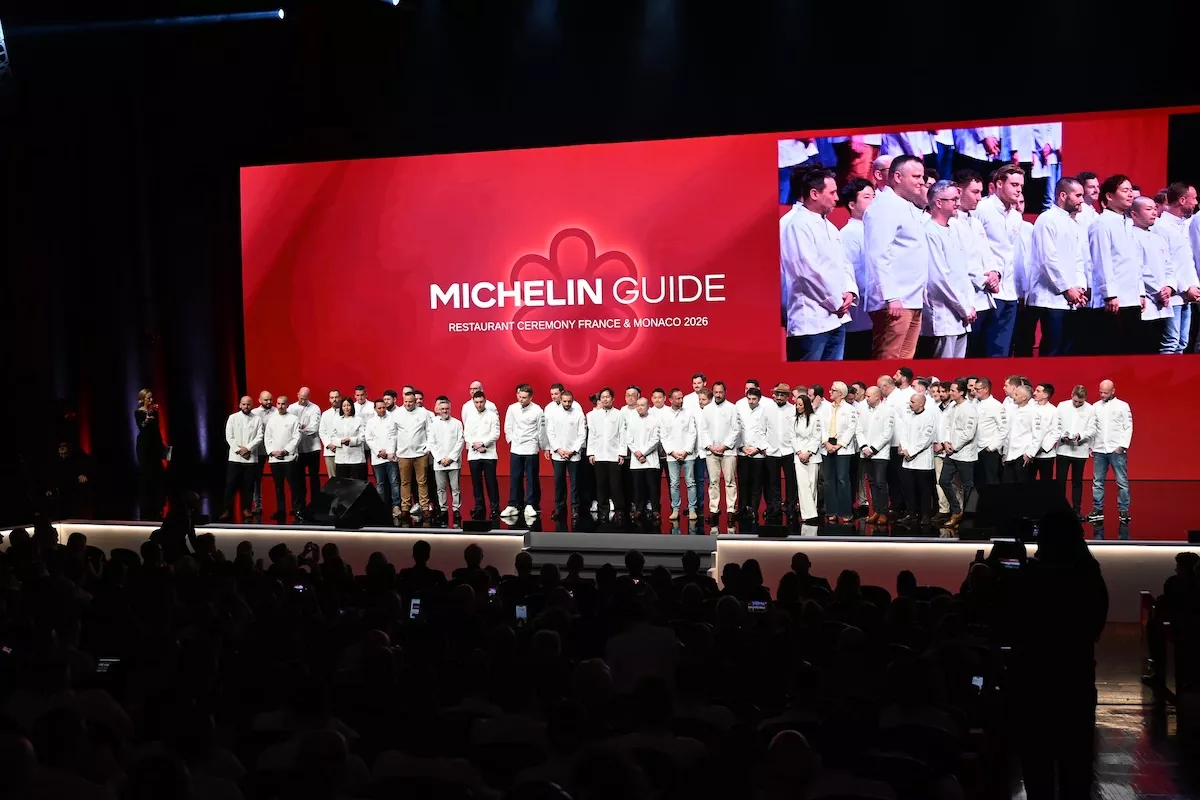
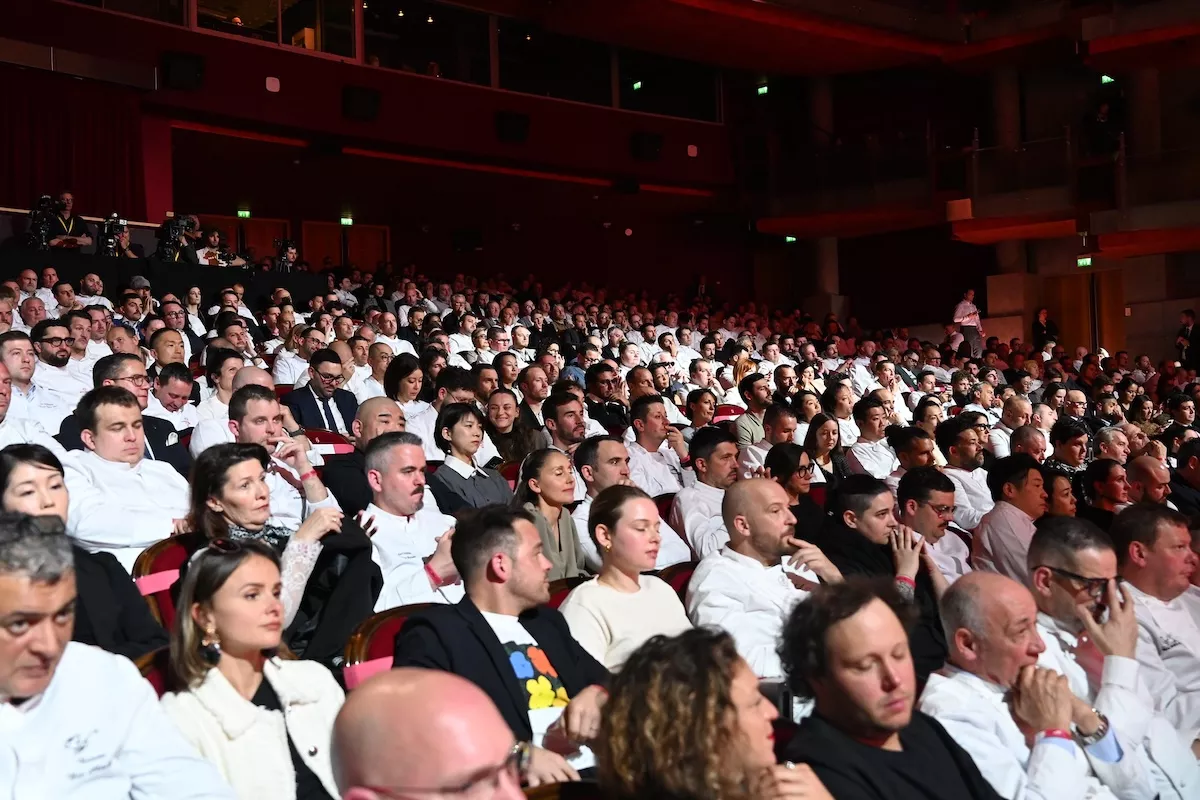
It was a full house at the Grimaldi Forum Monday night for the Michelin Guide France & Monaco Ceremony. Photo credit: Cedric Le Dantec

Prince Albert on gastronomy’s wider responsibility

Speaking at the opening of the ceremony, Prince Albert II used the occasion to frame gastronomy as something far greater than fine dining. “Cuisine stands among the highest expressions of human culture,” he said. “We carry a responsibility, like artists, to imagine a better world.”

The Prince called on the industry, and particularly younger generations, to recognise the breadth of what gastronomy encompasses. “It must not remain a pleasure reserved for a few or tied to certain habits,” he said. “It encompasses some of the greatest challenges of our time: education, openness to others, the blending of cultures, nutrition, agriculture, and human health — but also the health of our planet, its resources, and its biodiversity.”

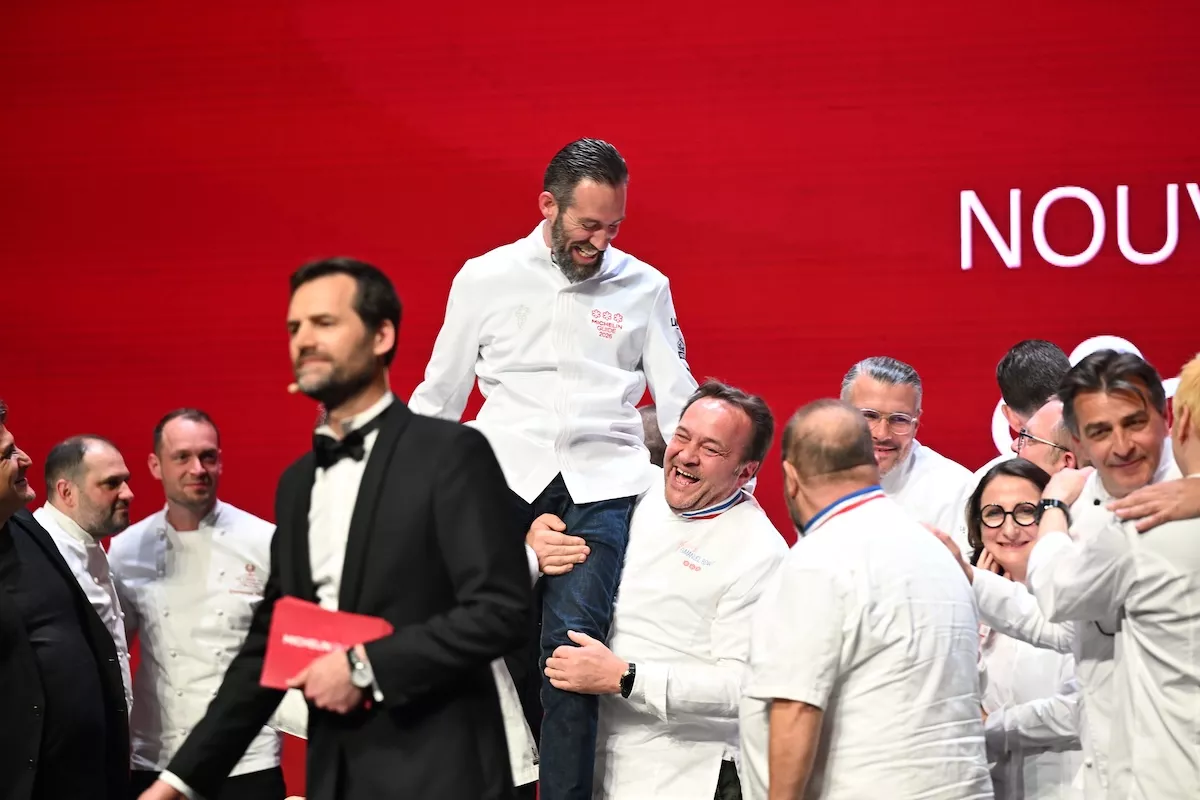
Newly awarded Les Morainières Chef Michaël Arnoult was celebrated by his peers on stage of the Grimaldi Forum Monaco. Photo credit: Cedric Le Dantec

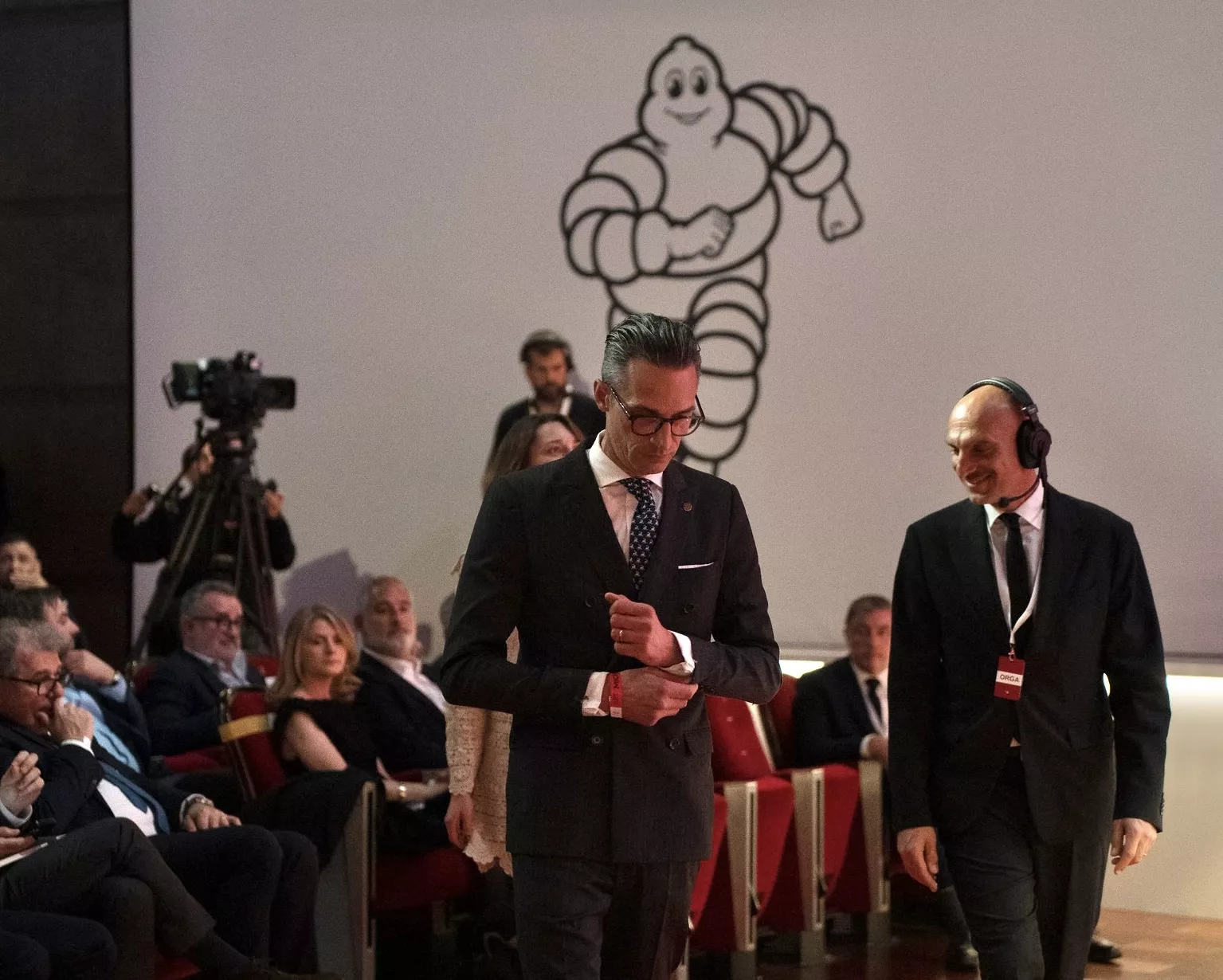
His words set the tone for what proved to be a landmark evening for the Principality. Hosting the Michelin Guide France & Monaco ceremony for the first time in the guide’s 126-year history, Monaco welcomed more than 1,200 guests to the Grimaldi Forum, drawing the country’s most celebrated chefs and gastronomic figures to a stage that has long recognised the Principality as one of the world’s most exceptional culinary destinations.

The night’s biggest honour went to Les Morainières in Jongieux, Savoie, where chef Michaël Arnoult and his wife Ingrid were awarded a third Michelin star — recognition, in the guide’s words, of more than two decades of cooking deeply rooted in the Savoyard terroir and a network of loyal local producers. Seven restaurants received their second star: Bulle d’Osier in Langres, Hakuba and Alliance and Virtus in Paris, Arbane in Reims, Frédéric Doucet in Charolles and Le Corot in Ville-d’Avray.

In total, 62 new stars were awarded across France and Monaco, including 54 first-time one-star recipients — confirming a gastronomic scene defined by audacity, regional rootedness and a new generation of deeply personal cooking.

Stay updated with Monaco Life: sign up for our free newsletter, catch our podcast on Spotify, and follow us across Facebook,  InstagramLinkedIn, and Tik Tok.

Main photo credit: Cedric Le Dantec